
 Save to Pinterest
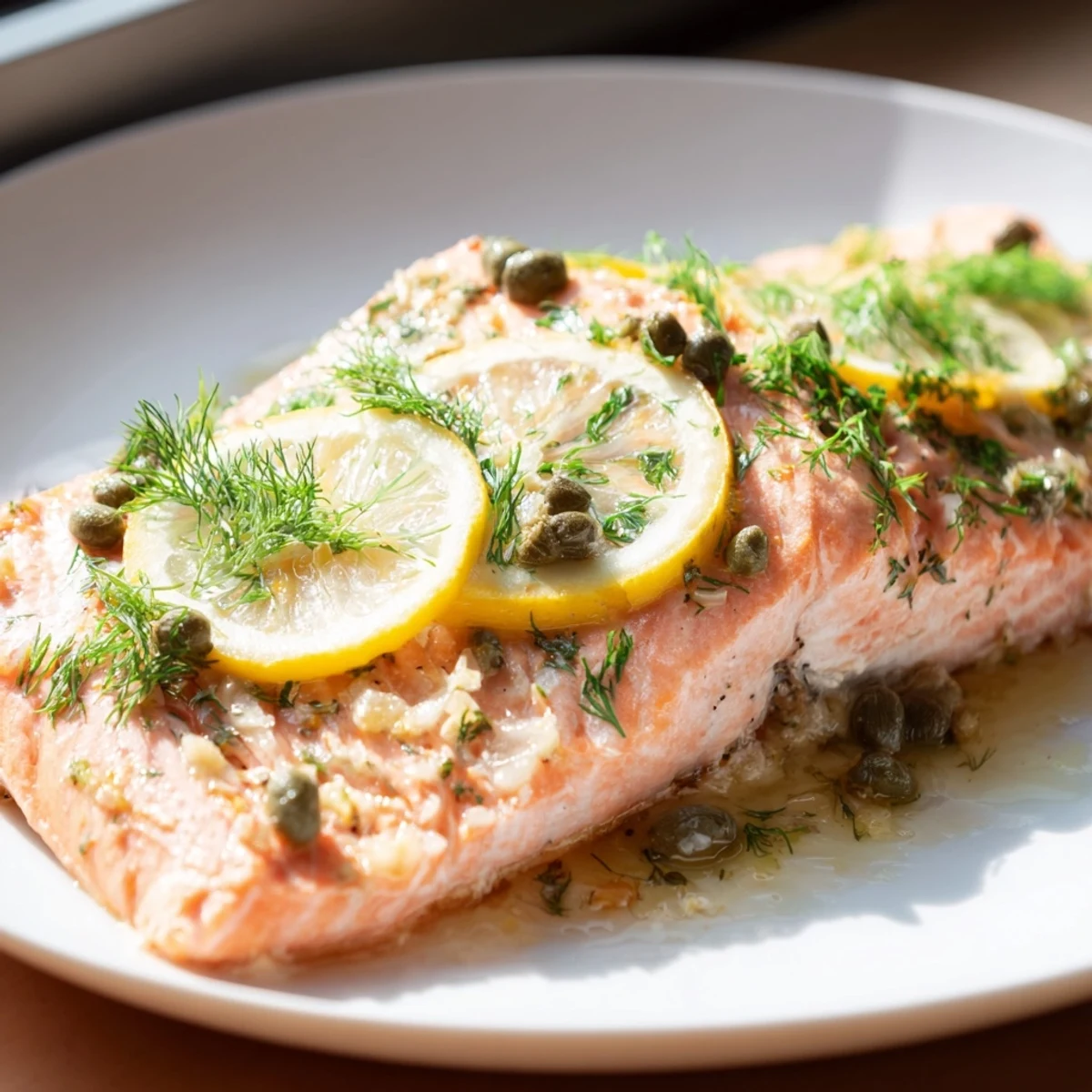
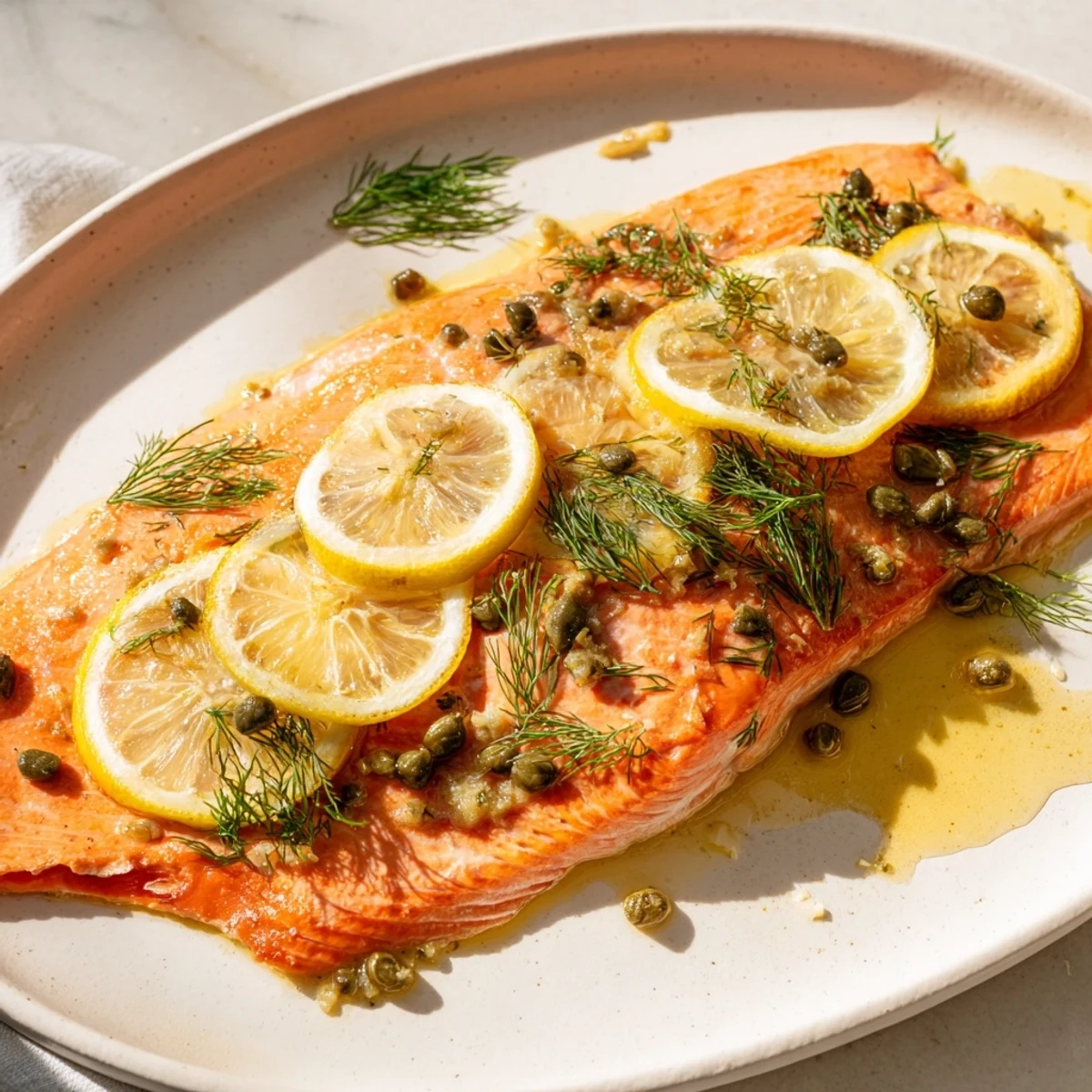
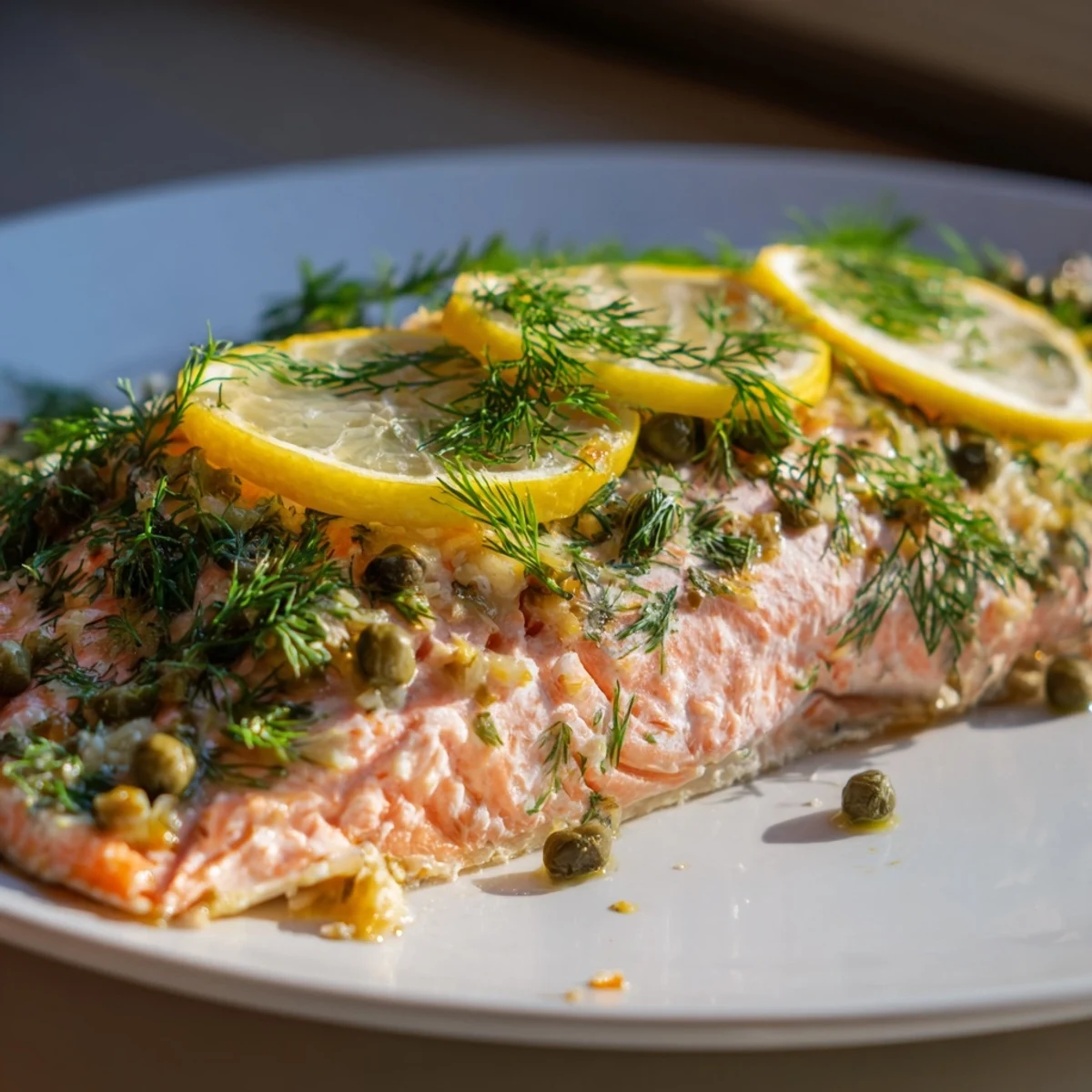
 This dish features tender salmon fillets baked at a high temperature, highlighted by fresh lemon slices and aromatic dill for a bright and satisfying flavor. Olive oil and garlic add richness while optional capers and red pepper flakes can enhance the depth and spice. Perfect for a quick weeknight dinner or a casual gathering, it pairs beautifully with steamed vegetables or a crisp salad. Simple preparation and wholesome ingredients make this an easy, flavorful option for pescatarians and those avoiding gluten.
I still remember the first time I made baked salmon with lemon and dill on a quiet Tuesday evening. The aroma that filled my kitchen felt like a small luxury, and I realized in that moment that restaurant-quality meals didn't require hours of fussing or complicated techniques. Just four salmon fillets, a few bright ingredients, and eighteen minutes later, I had created something that tasted like I'd been cooking all day. That discovery changed how I approached weeknight dinners forever.
Years ago, I made this salmon for my parents on a random Thursday, and my usually quiet dad actually said "wow" when he tasted it. That one word made me realize that simplicity, when done with intention, speaks louder than complexity. Now every time I bake salmon this way, I think of that moment and smile.
Ingredients
- 4 (6 oz) salmon fillets, skin-on or skinless: The star of the show. Skin-on fillets are forgiving during baking and peel away beautifully from the flesh when cooked, so don't shy away from them.
- 1 tablespoon olive oil: This helps the salmon stay moist and carries flavor into every part of the fillet. A good quality oil makes a noticeable difference here.
- 1/2 teaspoon sea salt: Brings out the natural sweetness of the salmon. Don't skip this or reach for table salt if you can help it; sea salt tastes fresher.
- 1/4 teaspoon freshly ground black pepper: Ground fresh, never from a tin that's been sitting for months. The difference is real and worth the thirty seconds it takes.
- 1 lemon, thinly sliced: These slices both flavor the salmon and look beautiful on the plate. The acidity cuts through the richness perfectly.
- 2 tablespoons fresh dill, chopped: Fresh dill is non-negotiable. Dried dill tastes like disappointment compared to the bright, grassy notes of fresh. Save extra sprigs for garnish.
- 2 cloves garlic, minced: Finely minced so it cooks into the fish rather than staying chunky. A microplane works beautifully here.
- 1 tablespoon capers, drained (optional): These add a tangy, briny pop that makes people ask what that special flavor is. Worth having on hand.
- 1/4 teaspoon crushed red pepper flakes (optional): A whisper of heat that wakes up the palate without overwhelming the delicate fish.
Instructions
- Preheat and prepare:
- Turn your oven to 400°F and let it reach temperature. Line a baking sheet with parchment paper or give it a light spray. This matters more than you'd think—it prevents sticking and makes cleanup almost invisible.
- Dry the salmon:
- Pat each fillet thoroughly with paper towels. Moisture is the enemy of browning and even cooking, so don't be shy here. This small step changes everything.
- Arrange on the sheet:
- Place fillets skin-side down if they have skin, leaving a little space between each one so heat can circulate. This is where patience pays off—no crowding, no steaming.
- Oil and season:
- Drizzle olive oil over each fillet and rub it gently across the flesh. Sprinkle salt, pepper, and minced garlic evenly, imagining you're giving each piece equal attention. This is your chance to taste the seasoning in your mind as you go.
- Layer the brightness:
- Arrange lemon slices directly on the salmon. They'll caramelize slightly at the edges and infuse the flesh beneath. Scatter chopped dill over everything, then add capers and red pepper flakes if you're using them. This moment is where the dish transforms from simple to special.
- Bake:
- Slide the sheet into the oven and set a timer for 15 minutes. Peek in at the 15-minute mark—the salmon should look opaque and flake easily with a fork. The internal temperature should reach 145°F. Overcooked salmon becomes dry and grainy, so watch carefully.
- Finish and serve:
- Pull it from the oven, garnish with extra dill sprigs if you have them, and bring it straight to the table. This is when people will actually gasp at how good it looks and smells.
 Save to Pinterest
 I made this salmon for a dinner party last summer when my best friend was visiting from out of state. She took one bite and closed her eyes, and in that moment I realized that the best meals are the ones that make people pause and feel taken care of. That's what this salmon does every single time.
Why This Recipe Works
Salmon is one of those proteins that almost doesn't need help—it's naturally flavorful and forgiving, which means even if you've never baked fish before, you're going to make something delicious. The lemon and dill combination isn't just tasty; it's a culinary love story that's been told for generations because it works. The acid from the lemon cuts through the richness of the salmon's natural oils, while dill's grassy, delicate flavor makes the fish taste brighter and cleaner. Garlic adds depth without overpowering, and if you include the capers and red pepper flakes, you're adding layers of complexity that make people wonder what your secret is.
What to Serve Alongside
This salmon is beautiful all on its own, but it sings when you pair it with something simple. Roasted asparagus with a drizzle of olive oil, steamed green beans with a squeeze of fresh lemon, or even a light salad with a lemony vinaigrette all become part of the story. The lightness of the fish means you can build a whole meal around it without anything feeling heavy. A cold glass of Sauvignon Blanc or Pinot Grigio sitting nearby makes the whole experience feel like you've booked a table at your favorite restaurant, except you're in your own kitchen in your comfortable clothes.
Making It Your Own
The beauty of this recipe is that it's a canvas. Some nights I swap the dill for fresh tarragon because I'm feeling French, or I add a handful of fresh parsley because it's what I have on hand. I've made it with a pinch of smoked paprika for depth, and once I tossed in some fresh thyme that was on its way out and discovered a new favorite combination. The core technique stays the same—clean the fish, season it, let lemon and heat do the work—but the herb changes everything about how it tastes.
- Try fresh tarragon or parsley for a different flavor profile that's equally stunning
- A 30-minute marinade in olive oil, lemon juice, and herbs before baking deepens the flavor beautifully
- Smoked paprika or a whisper of cumin can take this in unexpected, delicious directions
 Save to Pinterest
 This salmon has become my go-to recipe for proof that elegant, nourishing meals don't require stress or hours of work. Every time you make it, you're not just cooking dinner—you're creating a moment worth savoring.
Recipes Q&A
- → What is the best way to ensure the salmon stays moist?
-
Coating the salmon with olive oil and baking it at 400°F helps retain moisture. Adding lemon slices and dill also helps keep the fish tender and flavorful.
- → Can I use skin-on or skinless salmon fillets?
-
Both skin-on and skinless fillets work well. Skin-on helps keep the salmon intact during baking and adds extra flavor.
- → How do I know when the salmon is fully cooked?
-
The salmon should flake easily with a fork and appear opaque throughout. An internal temperature of 145°F (63°C) indicates doneness.
- → What can I serve alongside this salmon dish?
-
Roasted vegetables, steamed asparagus, or a fresh, light salad complement the dish wonderfully. A dry white wine also pairs nicely.
- → Can I substitute dill with another herb?
-
Yes, parsley or tarragon can be used for a different but equally delightful herb flavor.