
 Save to Pinterest
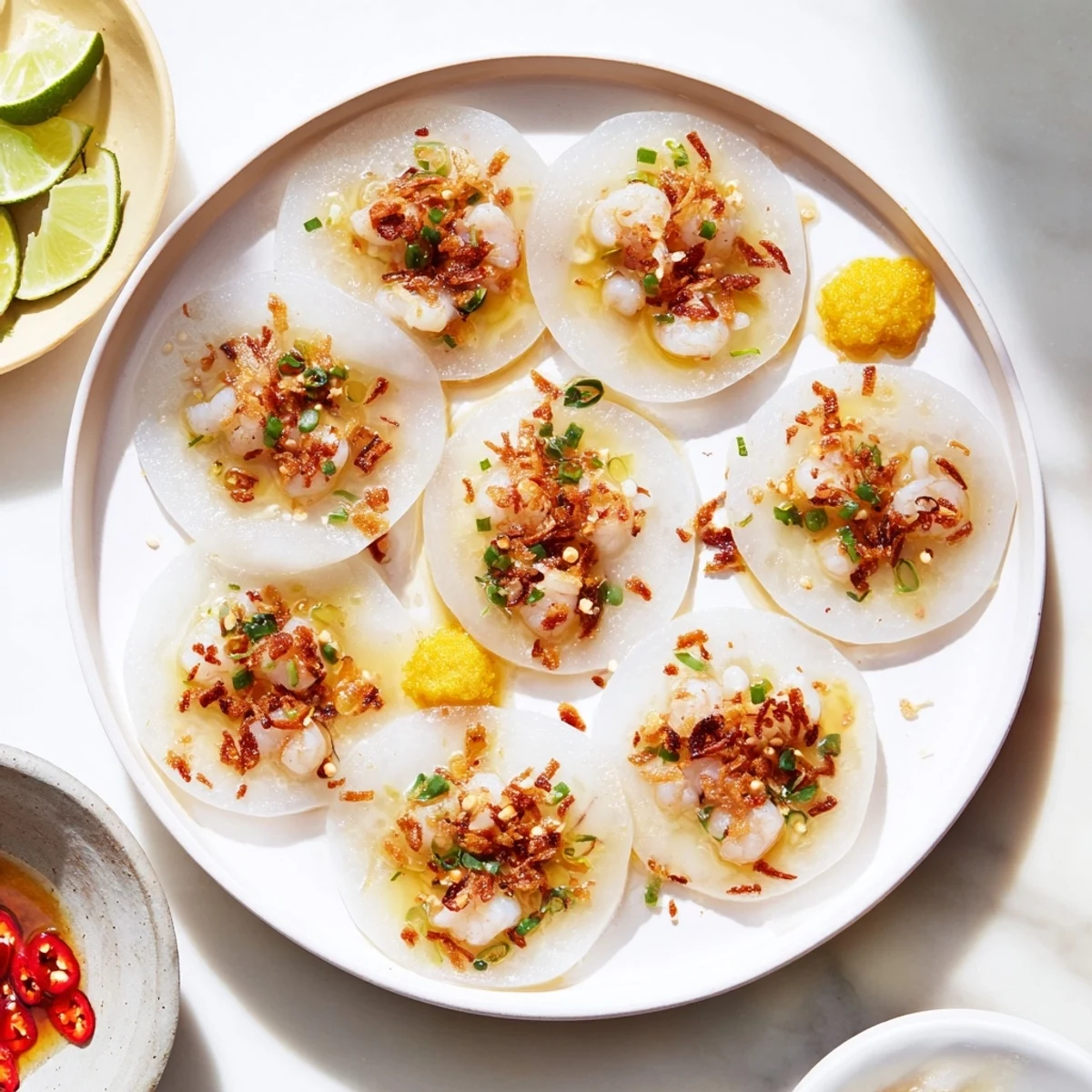
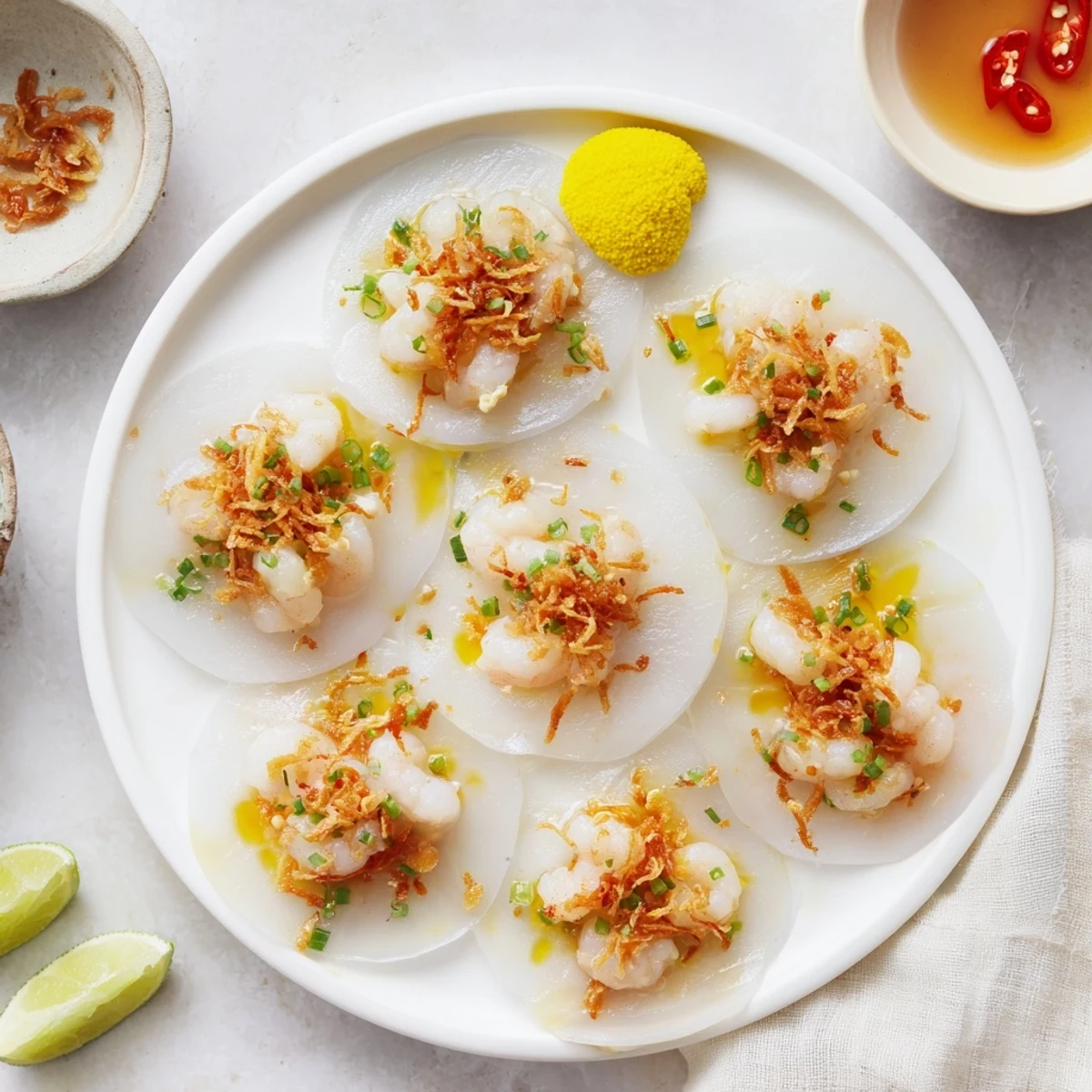
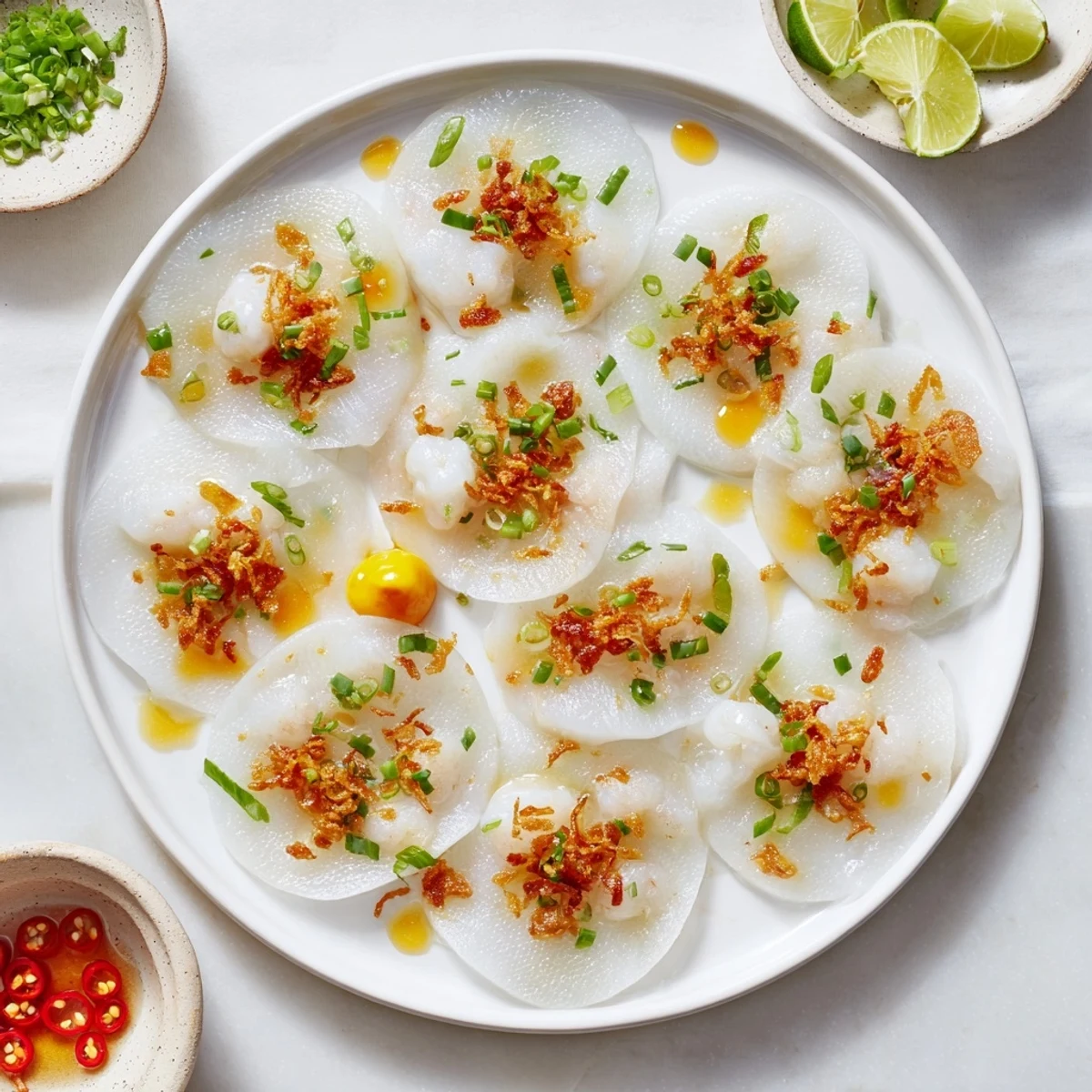
 Banh Beo offers a delightful taste of Vietnamese cuisine with these delicate steamed rice cakes. Each disk features a silky, translucent base made from rice flour and tapioca, topped with seasoned shrimp, aromatic scallion oil, and golden crispy shallots. The result is a harmonious blend of textures—soft, tender cakes with crunchy, savory toppings. Traditionally served with a tangy fish sauce dipping sauce that balances the rich flavors, these make an impressive appetizer or snack. The preparation involves steaming individual portions in small dishes, creating beautiful presentation-worthy portions that are perfect for sharing.
The first time I encountered banh beo was at a busy street stall in Da Nang, where a woman moved between steaming stacks with practiced grace. She slid these delicate white disks onto small plates so quickly I could barely track her hands. One bite of that silky rice cake topped with savory shrimp and scallion oil, and I understood why people queued for her stall every afternoon. I've been chasing that memory in my own kitchen ever since.
Last winter, I made these for a dinner party when my friend Minh was visiting from Vietnam. She watched me grease the little dishes and pour the batter, then quietly corrected my technique with a knowing smile. Too thick, she said, and showed me how to swirl each dish for that perfectly thin, translucent layer. We stood around the steamer all night, pulling them out hot and topping them assembly-line style while everyone else hovered nearby.
Ingredients
- Rice flour: The foundation of the batter, use a fine white rice flour for the smoothest texture
- Tapioca starch: This gives the cakes their delicate bounce and that characteristic translucent finish
- Rice flour mixture: Let the batter rest for those 10 minutes, it really does make a difference in the final texture
- Raw shrimp: Fresh shrimp chopped into small pieces creates the best texture for the topping
- Scallions: Pour hot oil over them right before serving to keep their bright green color
- Fish sauce: Use a good quality fish sauce in the dipping sauce, it's worth the extra cost
Instructions
- Mix the batter:
- Whisk together the rice flour, tapioca starch, water, salt, and oil until completely smooth. Set it aside to rest while you prep everything else.
- Cook the shrimp topping:
- Sauté the shallot until fragrant, then add the chopped shrimp with your seasonings. Cook until the shrimp are pink and the mixture looks slightly dry, not watery.
- Make the scallion oil:
- Heat the oil until shimmering hot, then pour it directly over the sliced scallions in a small bowl. The heat will gently cook the scallions and release their aroma.
- Steam the rice cakes:
- Grease your small dishes well, stir the batter, and pour just 2 tablespoons into each one. Steam for 7 to 8 minutes until they're set and translucent, not opaque.
- Whisk together the dipping sauce:
- Combine the fish sauce, sugar, lime juice, water, and sliced chili. Stir until the sugar completely dissolves, then taste and adjust.
- Assemble your banh beo:
- Top each cake with shrimp, scallion oil, crispy shallots, and mung bean paste. Serve them warm while the texture is at its best.
 Save to Pinterest
 My daughter helped me make these last weekend, and she declared herself the official shallot fryer after mastering the golden-brown color. We ate them standing up by the counter, dipping and eating faster than we could assemble, which felt exactly right. Some recipes are meant to be messy and shared that way.
Getting the Texture Right
The secret is pouring the batter into each dish with a gentle swirling motion, which helps create that perfectly even thin layer. Don't be tempted to add more batter to make them taller, they should be delicate and almost dainty.
Make-Ahead Tips
You can prepare the shrimp topping and scallion oil up to a day in advance. The batter needs to be fresh though, and it's best to steam the cakes right before serving for that perfect texture.
Serving Suggestions
These are perfect as an appetizer or part of a larger Vietnamese spread. They're meant to be eaten in one or two bites, with a small dip into that sauce.
- Have extra scallion oil ready at the table
- Keep the steamer going if you're serving a crowd
- Small spoons are easier than chopsticks for these
 Save to Pinterest
 There's something so satisfying about lifting that steamer lid and seeing all those little white disks glistening back at you. Hope these become part of your kitchen story too.
Recipes Q&A
- → What makes Banh Beo unique?
-
Banh Beo stands out for its delicate, translucent rice cakes that are steamed to perfection. The combination of silky texture from the rice-tapioca base with savory toppings creates a unique eating experience typical of central Vietnamese cuisine.
- → Can I make these ahead of time?
-
While best enjoyed fresh, you can prepare components ahead. Steam the cakes and store them covered for up to a day. Prepare toppings and sauce separately, then assemble just before serving for optimal texture.
- → What dishes can I use for steaming?
-
Small ceramic saucers, ramekins, or heatproof dishes about 3 inches in diameter work perfectly. You can also use banana leaf-lined molds for authentic presentation and subtle aroma.
- → How do I achieve the right texture?
-
The key is the batter ratio of rice flour to tapioca starch and proper steaming time. The cakes should be translucent and set, not sticky. Let them rest 10 minutes after mixing to ensure smooth consistency.
- → Can I make a vegetarian version?
-
Absolutely. Replace shrimp with sautéed shiitake mushrooms or crumbled tofu seasoned similarly. Substitute fish sauce with vegetarian mushroom sauce or soy sauce for the dipping sauce.
- → What's the best way to reheat leftovers?
-
Steam again for 2-3 minutes to restore texture. Microwave for 30 seconds if steaming isn't possible, though this may slightly alter the consistency. Avoid overheating as the cakes can become rubbery.