
 Save to Pinterest
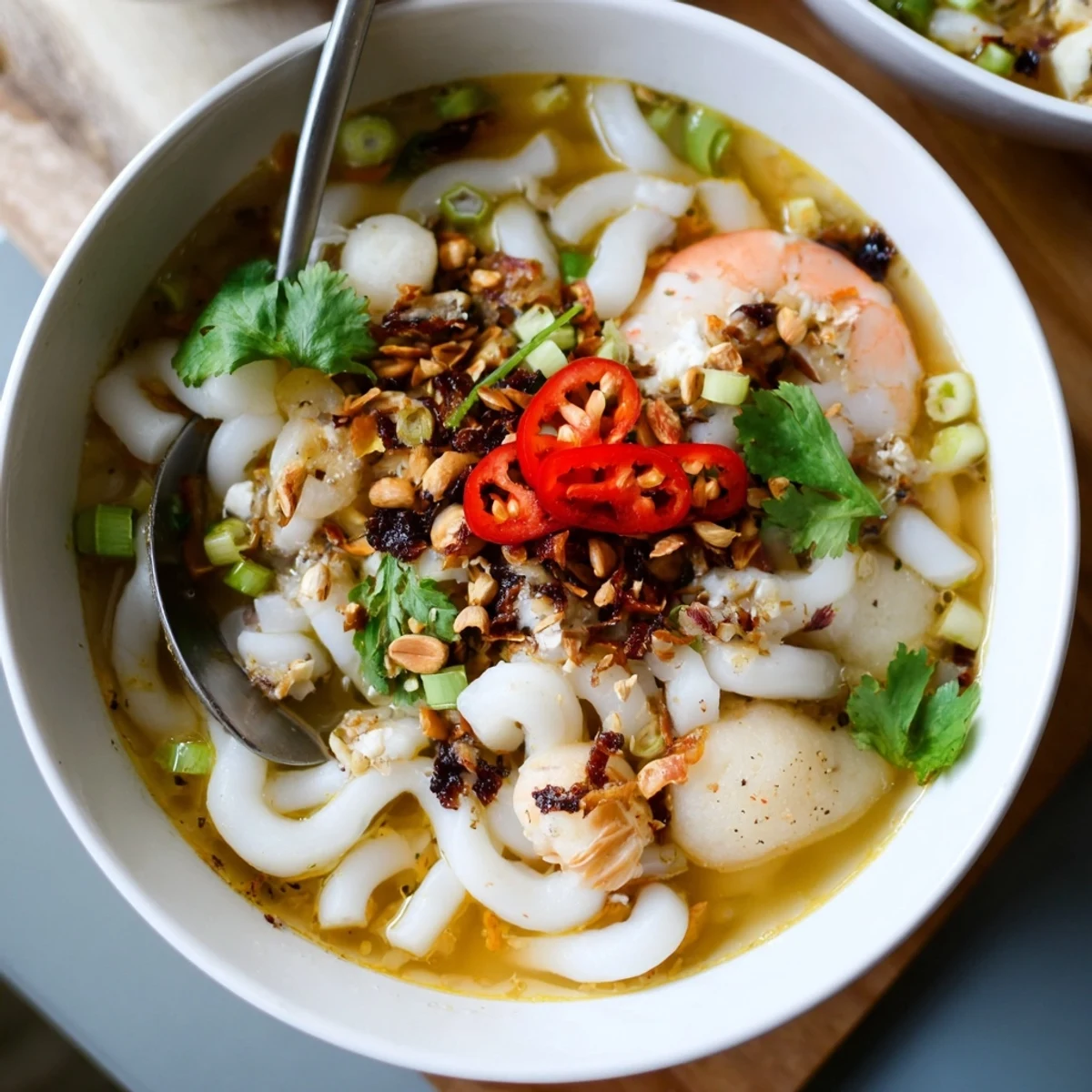
 This beloved Vietnamese specialty combines thick, chewy tapioca noodles with a deeply flavorful broth enriched with crab and seafood. The dish comes together in just over an hour, simmering pork bones and aromatics to create a rich base that's finished with fresh crab meat, shrimp, and sliced fish cakes. Each bowl is customizable with classic garnishes like fried shallots, fresh herbs, chili, and lime wedges, allowing everyone to adjust the flavors to their preference. The result is a comforting, satisfying meal that perfectly balances textures and tastes.
The steam rising from my bowl that first rainy evening in Hanoi still haunts me in the best way possible. I had ducked into a tiny corner shop where the elderly owner watched me struggle with the slippery thick noodles and just smiled knowingly. That broth hit something deep in my chest, warming me from the inside out while motorbikes splashed through puddles outside. I have been chasing that perfect bowl ever since.
Last winter I made a massive pot for my sister who was fighting a bad cold, something about restorative soups feeling like medicine. She sat at my kitchen table wrapped in a blanket, gingerly sipping the broth between quiet stories about our childhood. By her third bowl, she looked considerably more alive and asked if I could teach her how to make it. Now every time she feels under the weather, I get a text asking if the noodles are ready.
Ingredients
- 1.2 liters (5 cups) chicken stock: Use a good quality stock as your foundation, it carries all the other flavors and cannot be hidden behind seasonings.
- 400 g (14 oz) pork bones, blanched: Blanching removes impurities that cloud your broth, giving you that restaurant clarity while adding essential body.
- 1 yellow onion, halved: The onion sweetens as it simmers, creating that aromatic base that makes Vietnamese broths so distinctive.
- 2 cloves garlic, smashed: Smashed rather than minced garlic releases flavor more slowly, infusing the broth without becoming bitter.
- 1 tsp salt and 1 tsp sugar: This balance of salt and sweetness is crucial, hitting all your taste receptors in that way that makes you want another spoonful immediately.
- 1 tbsp fish sauce: The umami backbone that transforms stock into something that tastes like it has been simmering for hours.
- 300 g (10 oz) fresh crab meat or cooked crab claws: Fresh crab makes all the difference here, lending sweetness and that delicate ocean flavor that defines banh canh.
- 150 g (5 oz) shrimp, peeled and deveined: Shrimp cook quickly and sweeten the broth slightly, adding another layer of seafood depth.
- 200 g (7 oz) fish cakes or surimi, sliced: These absorb the broth beautifully while contributing their own subtle sweetness and pleasant bounce.
- 400 g (14 oz) banh canh (thick tapioca noodles): Fresh noodles have the best texture, but frozen work well too, just do not overcook them or they will become gummy.
- 2 spring onions, finely sliced: Fresh onion adds a bright pop that cuts through the rich broth.
- 2 tbsp fried shallots: These little golden crunches are nonnegotiable, providing texture and concentrated onion flavor in every bite.
- 1 small bunch cilantro, chopped: Cilantro brings herbal freshness that balances the seafood richness.
- 1 red chili, sliced: For those who want heat, fresh chili adds a bright kick that cuts through the broth.
- Lime wedges: A squeeze of lime right before eating brightens everything and brings all the flavors forward.
- Fresh ground black pepper: Finishing with freshly ground pepper adds aromatic warmth that lingers.
Instructions
- Build your aromatic broth base:
- In a large pot, combine chicken stock, blanched pork bones, onion halves, smashed garlic, salt, and sugar. Bring everything to a rolling boil, then lower the heat and let it simmer gently for 30 minutes, skimming any foam that rises to the top for a clearer broth.
- Season and strain the broth:
- Stir in the fish sauce, then carefully remove the pork bones and onion pieces with tongs or a slotted spoon. Taste and adjust the seasoning if needed, remembering the crab will add a touch of sweetness later.
- Cook the shrimp just right:
- Add the peeled shrimp to the simmering broth and cook for just 2 to 3 minutes until they turn pink and opaque. Remove them immediately with a slotted spoon and set aside so they do not become tough and rubbery.
- Infuse the crab and fish cakes:
- Gently add the crab meat and sliced fish cakes to the broth, letting everything simmer for 5 to 7 minutes. The crab will release its sweet essence while the fish cakes soak up all that flavorful liquid.
- Prepare the perfect noodles:
- Cook the banh canh noodles according to package instructions, usually just 2 to 3 minutes for fresh or slightly longer for frozen. Drain them well and give them a quick rinse under cool water to stop the cooking and keep them from clumping together.
- Assemble each bowl with care:
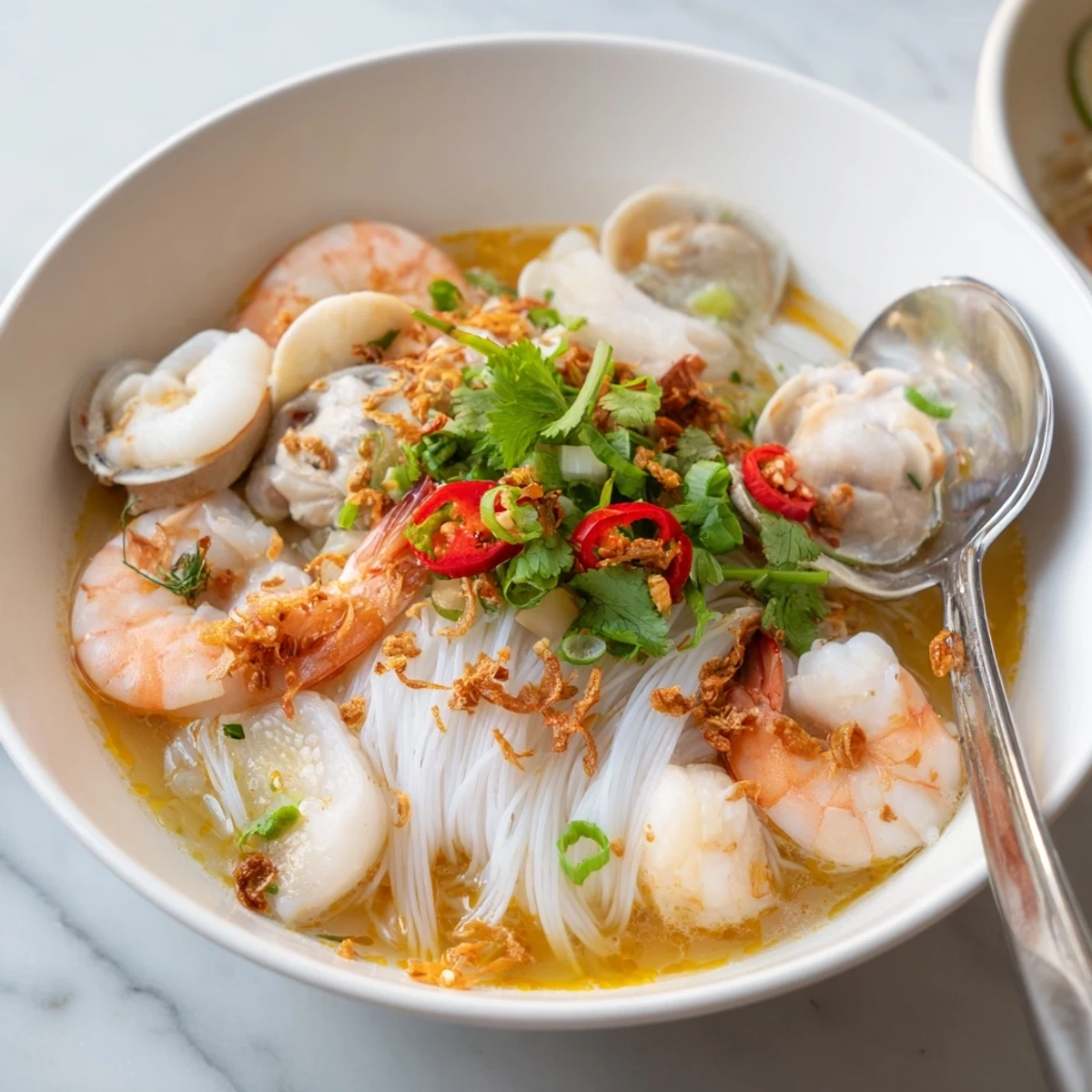
- Divide the cooked noodles among four serving bowls, then arrange the shrimp, crab meat, and fish cakes on top. Ladle the piping hot broth over everything, watching the steam rise and carry all those incredible aromas.
- Add the finishing touches:
- Scatter spring onions, fried shallots, chopped cilantro, and sliced chili over each bowl. Serve with lime wedges on the side so everyone can adjust the brightness to their taste, then finish with a generous grinding of black pepper right before eating.
 Save to Pinterest
 There is something almost meditative about assembling these bowls, arranging each element carefully before the broth arrives to tie everything together. My friend Lan told me that in Vietnamese homes, the care put into presentation is an expression of love itself. Now whenever I ladle that steaming broth over the noodles and watch the steam curl up, I understand exactly what she meant.
Making It Your Own
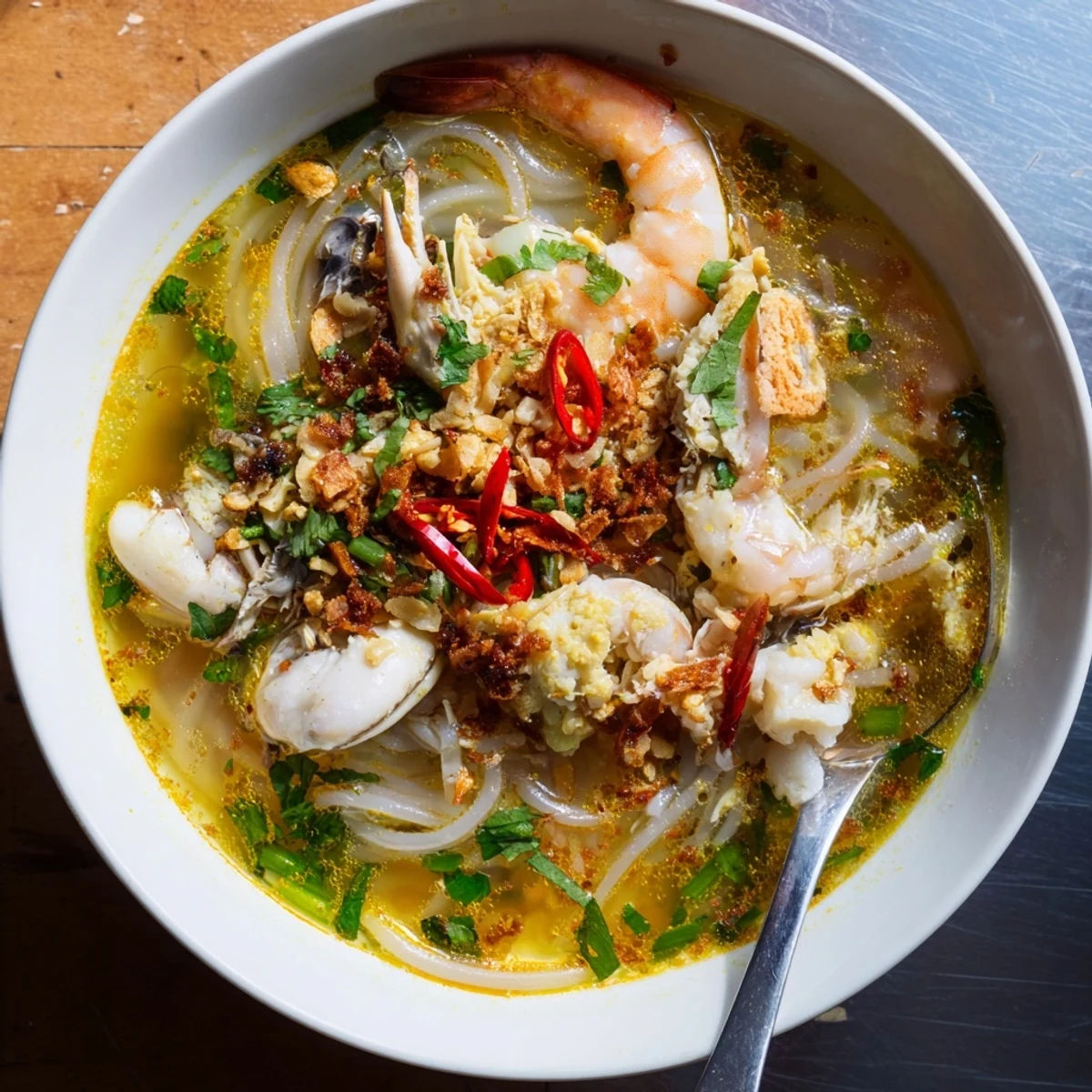
I have started playing with adding a splash of annatto oil to the broth for that beautiful amber glow you see in restaurant bowls. The color change feels transformative somehow, making even a simple weeknight dinner feel special. Do not be afraid to adjust the balance of seafood based on what looks freshest at the market or what your family prefers.
The Art of Garnish
Those fried shallots are worth every minute of preparation time. I make a big batch on Sundays and keep them in a jar, their golden crunch waiting to elevate whatever I am cooking. The combination of textures, the soft noodles, tender seafood, and crispy topping, is what makes each spoonful feel complete.
Timing Is Everything
Having all your garnishes prepped before you start cooking means you can serve each bowl at the perfect temperature. The moment the broth hits the noodles, everything should be ready to go. There is nothing sadder than perfectly cooked seafood going cold while you hunt for the cilantro.
- Set your table with soup spoons and chopsticks before you start cooking.
- Warm your serving bowls with hot water so the soup stays piping hot longer.
- Put the lime wedges and extra chili on the table for people to customize their own bowls.
 Save to Pinterest
 This soup has become my answer to everything now, rainy days, celebrations, and even those Tuesday evenings when nothing sounds good until suddenly it does. Hope you find yourself making memories around your own bowl.
Recipes Q&A
- → What makes Banh Canh Cua different from other Vietnamese noodle soups?
-
The key distinction lies in the noodles—banh canh are thick, chewy tapioca noodles that give the dish its signature texture. Unlike the rice noodles in pho or bun, these noodles have a delightful bounce and substantial mouthfeel that pairs perfectly with the rich, seafood-based broth.
- → Can I use imitation crab or frozen crab meat?
-
Absolutely. While fresh crab provides the best flavor, frozen crab meat or high-quality imitation crab works well in this dish. The aromatic broth and seasonings will help enhance the seafood flavor regardless of which type you choose.
- → How do I store leftovers?
-
Store the broth and seafood separately from the noodles to prevent them from becoming soggy. Keep everything in airtight containers in the refrigerator for up to 2 days. Reheat the broth gently and cook fresh noodles when serving leftovers.
- → Is this dish spicy?
-
The base dish is not inherently spicy. Heat comes from fresh chili slices added as a garnish, which you can adjust to your taste or omit entirely. The broth focuses on savory, umami flavors rather than heat.
- → Can I make this pescatarian-friendly?
-
This version is already pescatarian as written. To make it fully vegetarian, you would need to substitute the chicken stock and fish sauce with vegetable stock and a vegetarian alternative sauce, and replace the pork bones with additional vegetables for depth.
- → What's the purpose of annatto oil?
-
Annatto oil adds a beautiful reddish-orange color to the broth while imparting a subtle earthy flavor. It's completely optional but creates a more visually appealing presentation that mimics the traditional street-food version.