
 Save to Pinterest
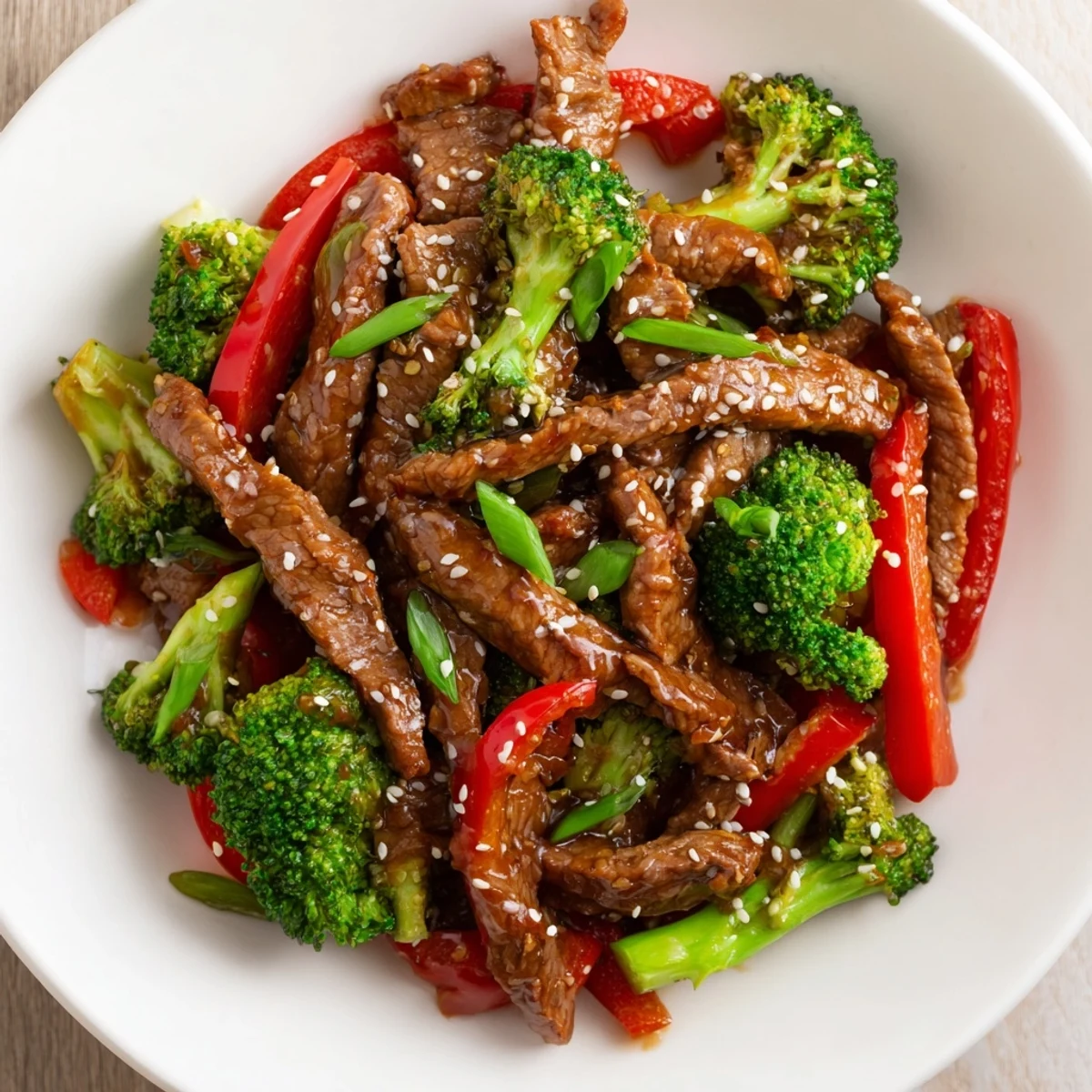
 This dish combines tenderly sliced flank steak with crisp broccoli florets, all coated in a flavorful ginger glaze. Garlic and a splash of soy and oyster sauces build a fragrant base, while honey adds subtle sweetness. Quick stir-frying keeps vegetables bright and beef juicy. Garnished with scallions and toasted sesame seeds, it’s a balanced and vibrant main dish that fits perfectly into a busy weeknight dinner routine.
There was a Tuesday night when my wok felt like it'd been gathering dust for weeks, and I needed something that felt both impressive and honest. A colleague had mentioned casually over lunch that the secret to restaurant-quality stir fry was in the heat and the timing, not complicated techniques. That same evening, I threw together beef, broccoli, and a ginger glaze that filled my kitchen with steam and fragrance, and suddenly understood what she meant. It became the dish I make when I want to prove to myself—and whoever's eating—that simple ingredients cooked with intention taste like more than the sum of their parts.
I made this for my sister on a rainy Friday when she showed up unannounced with complaints about her week. By the time the broccoli hit the pan, the sound of it sizzling seemed to cut through her bad mood, and she ended up perched on my kitchen counter, stealing sesame seeds and asking for the recipe before we even sat down. That's when I knew this stir fry wasn't just weeknight dinner—it was the kind of food that makes people feel looked after.
Ingredients
- Flank steak, thinly sliced against the grain: Slicing against the grain breaks up the muscle fibers, which means tender bites even when cooked hot and fast; frozen beef for 15 minutes makes it easier to cut thin.
- Broccoli florets: Cut them roughly the same size so they cook evenly; the smaller pieces crisp at the edges while larger ones stay tender inside.
- Vegetable oil: Canola or peanut oil handles high heat without smoking and lets the ginger flavor shine through without competing.
- Garlic and ginger: Mince the garlic fine and grate the ginger fresh—both are aromatics that perfume everything in seconds.
- Red bell pepper: Optional but worth it for sweetness and color; it cooks in the same time as broccoli.
- Soy sauce and oyster sauce: The backbone of the glaze; low-sodium soy lets you control the salt while oyster sauce adds umami depth.
- Honey and rice vinegar: Honey rounds out the salt and umami with subtle sweetness, while vinegar brightens everything so it doesn't taste heavy.
- Sesame oil and cornstarch: Toasted sesame oil goes in the glaze for nuttiness; cornstarch thickens without making it goopy if you slurry it first.
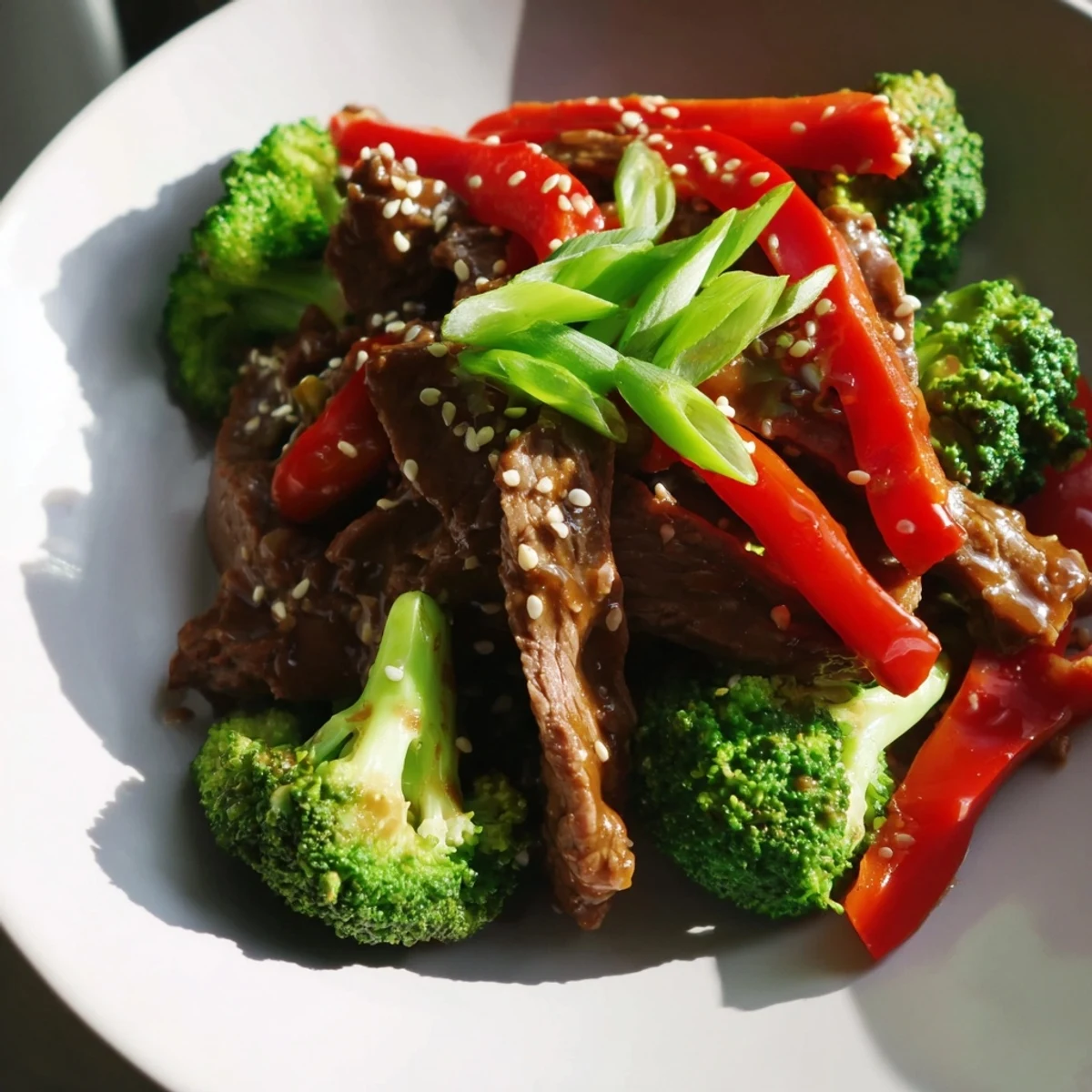
- Scallions and sesame seeds: Finish with these just before serving—they add snap and visual life that makes people want to eat it immediately.
Instructions
- Build your glaze while everything else waits:
- In a small bowl, whisk soy sauce, oyster sauce, honey, grated ginger, rice vinegar, and toasted sesame oil until the honey dissolves and everything looks unified. In another bowl, stir cornstarch and water until there are no lumps—this slurry is what keeps the sauce from being watery.
- Sear the beef hard and fast:
- Heat 1 tablespoon of oil in your wok or large skillet over high heat until it shimmers and moves like water. Add the beef in a single layer and let it sit for 30 seconds before stirring; you want brown, caramelized edges, not gray meat. After 2–3 minutes, it should look almost done—remove it to a plate because it'll keep cooking when it goes back in.
- Build flavor with aromatics:
- Add the remaining tablespoon of oil to the pan and immediately add minced garlic; the sizzle should be audible and the smell should hit you right away. Within 30 seconds, add your broccoli and bell pepper if using, stirring constantly so nothing sticks and the heat reaches every floret. Cook for 2–3 minutes—the broccoli should turn bright green and still have a slight crunch.
- Bring it all together:
- Return the beef to the pan, pour in your glaze, and bring everything to a gentle simmer. Stir the cornstarch slurry one more time and add it slowly while stirring; you'll watch the sauce go from thin to glossy and coat everything evenly in 1–2 minutes.
- Finish and serve:
- Take it off the heat, scatter scallions and sesame seeds over the top, and taste—if it needs more salt or acid, now's the moment. Serve over steamed rice or noodles while everything is still hot and the sauce clings to the rice.
 Save to Pinterest
 I've learned that stir fry is one of those cooking methods where confidence matters almost as much as technique. The first time I made this, I worried I was cooking it too fast, turned the heat down, and ended up with soggy broccoli and bland beef. The second time, I trusted the high heat, let things sizzle, and understood why this dish works. It's proof that sometimes the difference between dinner and a moment is just believing in the process.
Why High Heat Changes Everything
Stir fry depends on the Maillard reaction—that beautiful browning that happens when proteins and sugars meet intense heat. If your heat wavers or you crowd the pan, you lose that window, and the dish becomes boiled vegetables and steamed meat instead of caramelized and alive. The sound of a proper sizzle is your cue that everything is working; if it's quiet, turn up the flame.
Customizing Without Losing the Plot
This recipe is forgiving enough to swap proteins—chicken breast cooks in about the same time as beef, and tofu gets crispy and absorbs the glaze beautifully if you use extra-firm and drain it well. You can add snap peas, carrots, mushrooms, or cashews without changing the method or timing significantly. The one thing I don't change is the glaze ratio; that balance of salt, sweet, and acid is what makes people ask for seconds.
Rice or Noodles, and Why It Matters
Jasmine rice drinks in the glaze and becomes flavorful; brown rice adds a nuttiness that plays well with the sesame. Noodles work too—egg noodles feel comforting, while rice noodles feel lighter. I choose based on mood, but whichever you pick, make sure it's hot and ready before the stir fry finishes cooking.
- Prepare your rice or noodles before you start cooking anything else so you're not scrambling at the end.
- If you're using leftover rice, break it up with a fork first so it doesn't clump.
- A little squeeze of fresh lime over the finished dish brightens everything if you're in the mood.
 Save to Pinterest
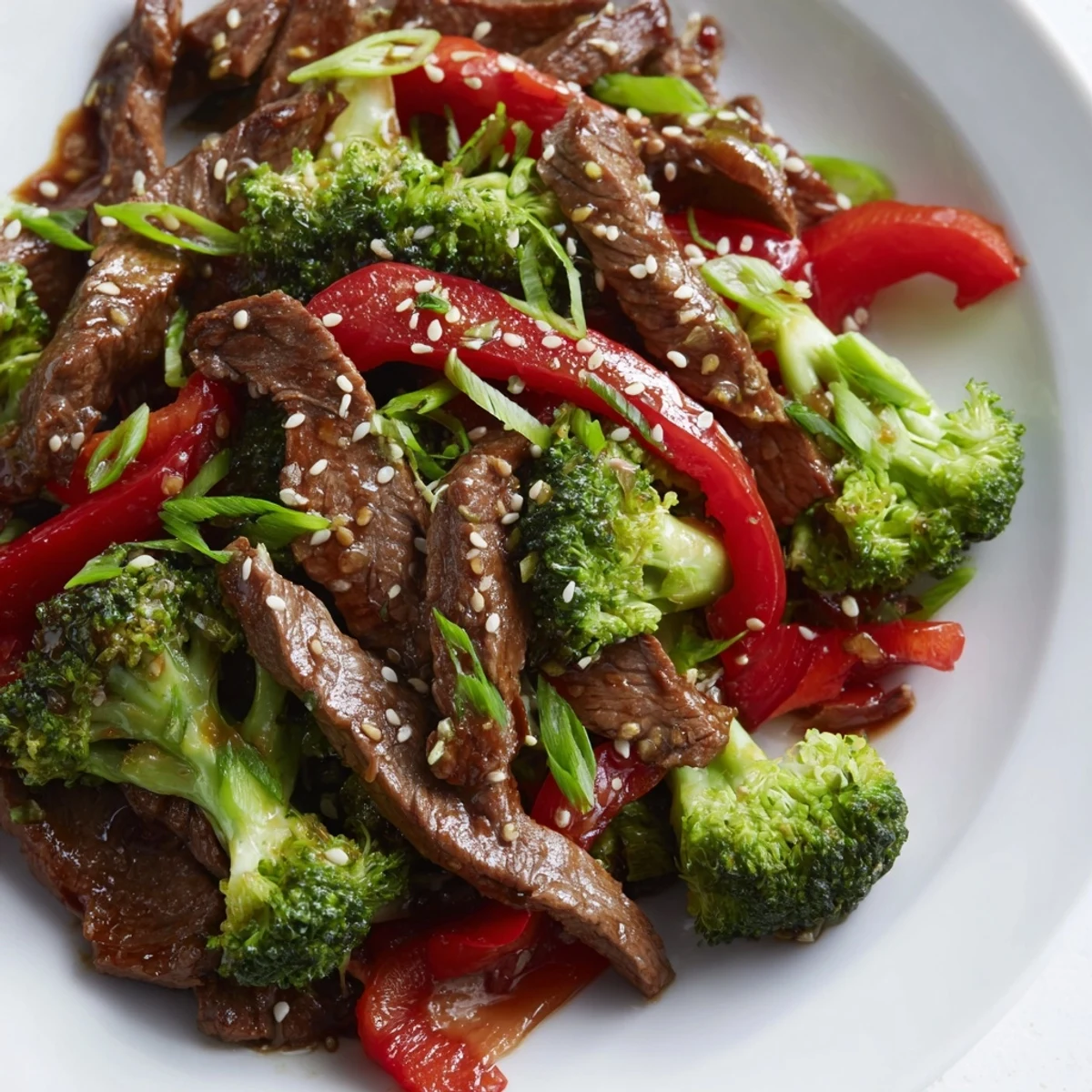
 This stir fry is the answer when you want something that tastes like you tried without spending your evening in the kitchen. Make it, eat it, and let the garlic and ginger smell in your kitchen remind you that good food doesn't need to be complicated.
Recipes Q&A
- → What cut of beef works best for this dish?
-
Flank steak is ideal due to its thin slices and tender texture when cooked quickly.
- → Can I substitute the broccoli with other vegetables?
-
Yes, snap peas, carrots, or mushrooms all pair well and add variety to the dish.
- → How does the ginger glaze enhance the flavors?
-
The fresh ginger adds a warm, zesty brightness that complements the savory soy and oyster sauce blend.
- → Is there a gluten-free version available?
-
Use tamari or gluten-free soy sauce and an alternative oyster sauce to make this dish gluten-free.
- → What garnishes work best with this combination?
-
Sliced scallions and toasted sesame seeds add a fresh crunch and subtle nuttiness as the finishing touch.