
 Save to Pinterest
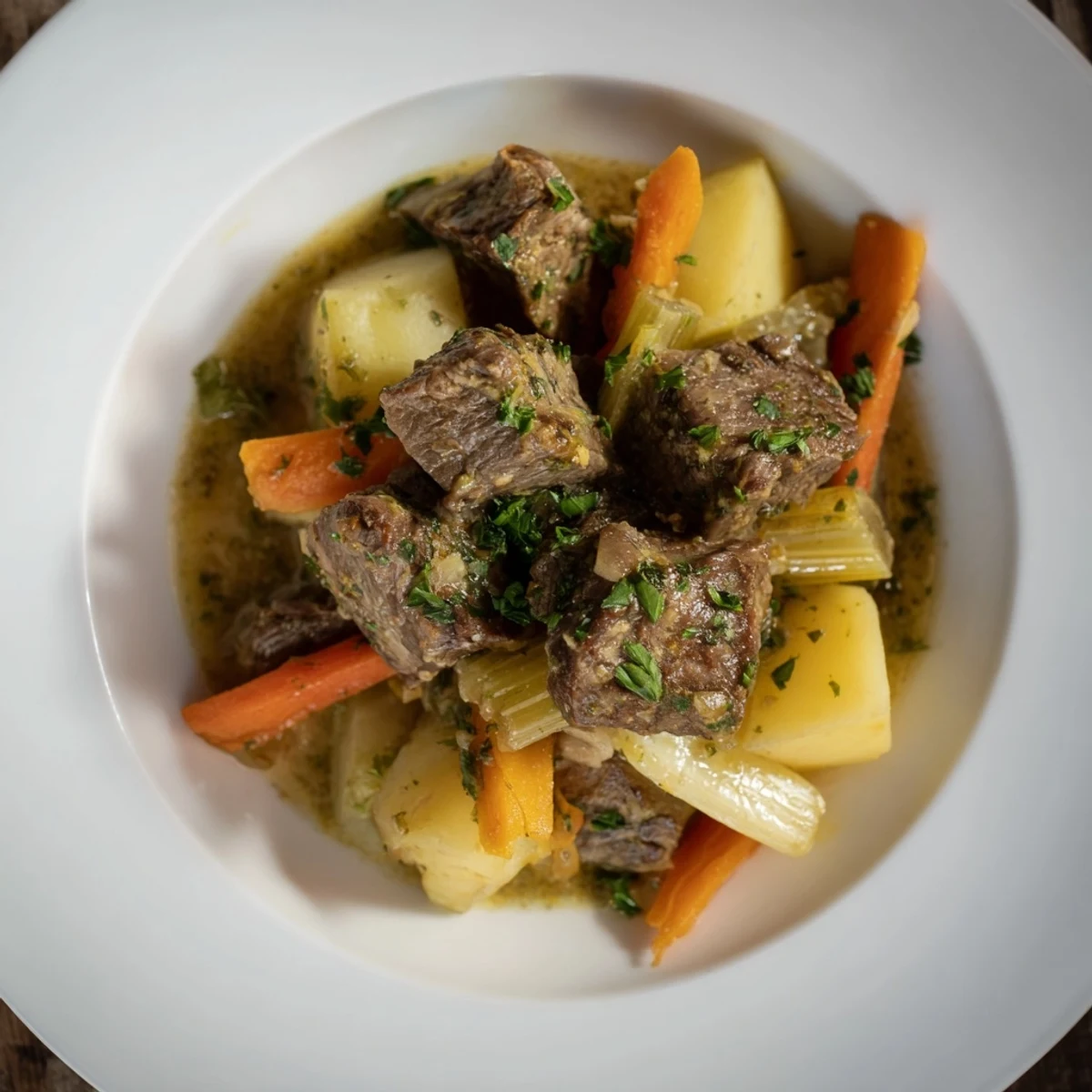
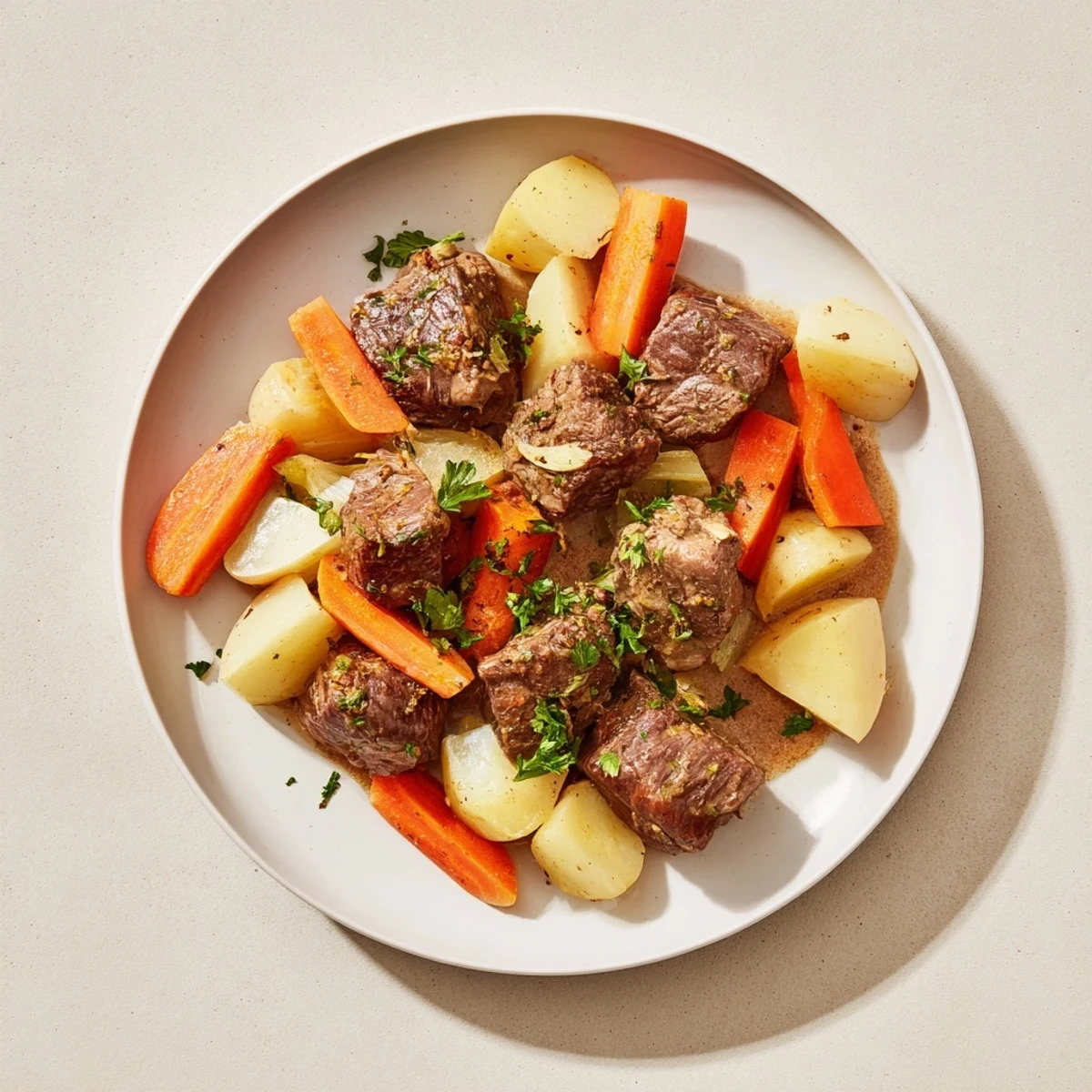
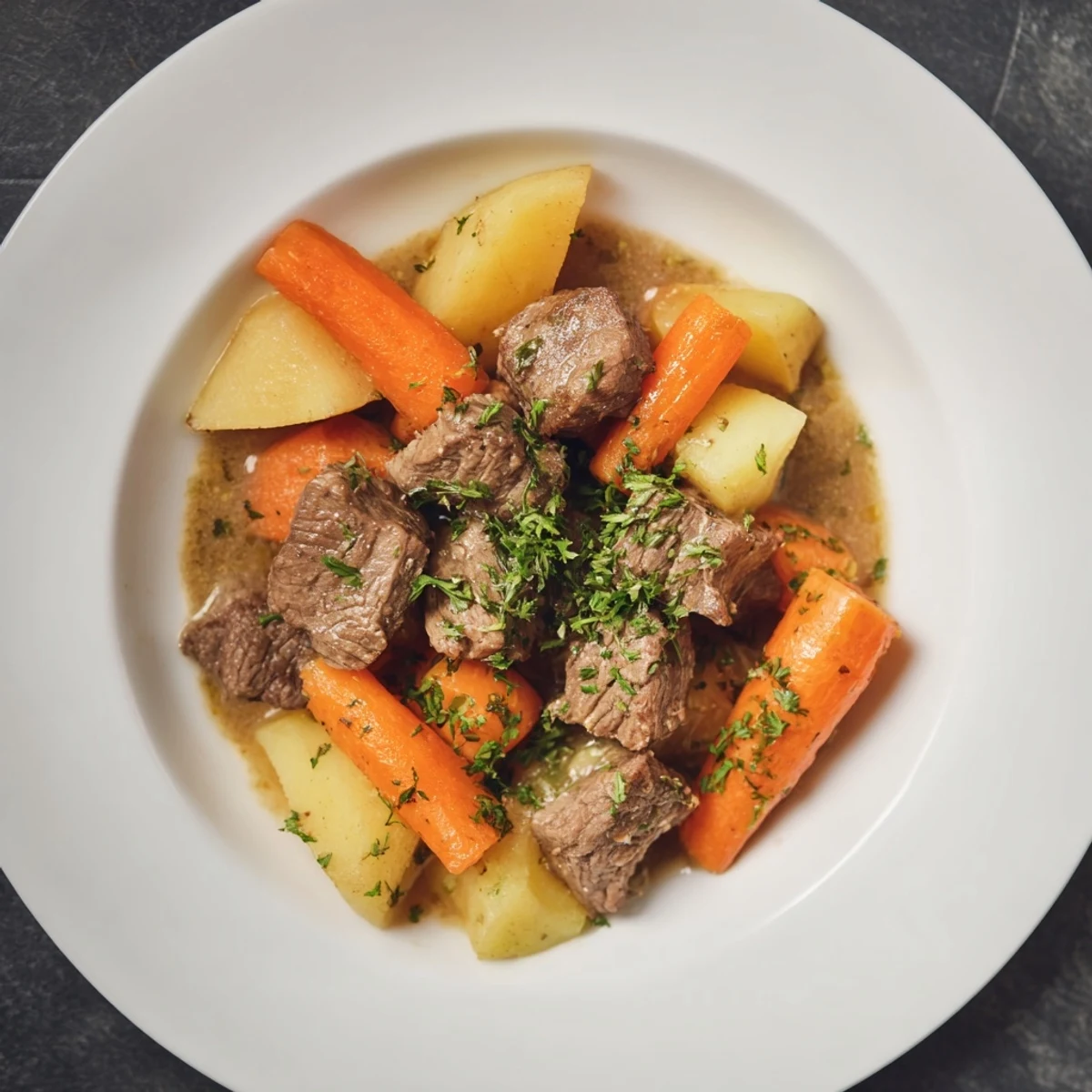
 This dish combines tender cubes of beef chuck with a medley of root vegetables including carrots, parsnips, celery, onions, and potatoes. The ingredients are sautéed, simmered with red wine and beef stock, then baked slowly to develop deep, savory flavors and tender textures. Aromatic herbs like thyme and bay leaf enrich the savory sauce, while a touch of Worcestershire sauce adds complexity. Garnished with fresh parsley, this hearty casserole suits family dinners on cooler days.
There's something magical about the smell of beef casserole simmering in the oven on a cold afternoon. I still remember the first time I made this dish—it was a Sunday in late October, and my kitchen filled with this deep, savory aroma that seemed to warm the whole house before anyone even took a bite. My grandmother used to make something similar, and watching her brown the beef with such care taught me that the best comfort food starts with patience and respect for simple ingredients.
I'll never forget the dinner party where I served this casserole to friends who thought they didn't like root vegetables. By the end of the meal, everyone was asking for seconds and wanting the recipe. That's when I realized this dish has a quiet power—it transforms simple, humble ingredients into something that feels genuinely special.
Ingredients
- 1.2 kg beef chuck, cut into 2.5 cm cubes: Chuck is the unsung hero here—it's fatty enough to stay tender during the long braise, and those pockets of fat carry so much flavor. Don't be tempted to use leaner cuts; this dish needs that richness.
- 2 medium onions, chopped: These become the backbone of your sauce, sweetening and thickening as they cook down. I chop mine a bit larger than usual so they hold their shape.
- 3 carrots, peeled and sliced: Carrots add natural sweetness that balances the wine and herbs. Slice them on the diagonal so they look a bit more intentional on the plate.
- 2 parsnips, peeled and sliced: If you've never cooked with parsnips, this is your sign to try them. They turn almost buttery when braised, adding an earthy depth that's just wonderful.
- 2 celery stalks, chopped: This is the quiet ingredient that adds savory complexity. It's not meant to be noticed, just felt in the background.
- 3 cloves garlic, minced: Always mince it fresh—jarred garlic won't give you that bright, aromatic punch you need here.
- 400 g potatoes, peeled and cut into chunks: These absorb the sauce and become little flavor bombs. I prefer waxy potatoes so they don't fall apart during the long cooking.
- 2 tbsp plain flour: This creates a light thickening agent when the beef is browned. It helps the sauce develop a silky body.
- 2 tbsp tomato paste: A small amount adds depth without making the dish taste like tomato. Cook it in the pan for a minute to mellow its sharpness.
- 400 ml beef stock: Use the best quality you can find—it really matters. Homemade is ideal, but a good low-sodium store brand works beautifully.
- 250 ml red wine: A Cabernet or similar robust wine works perfectly. Never use cooking wine; use something you'd actually drink.
- 2 tbsp Worcestershire sauce: This is your secret ingredient. It adds that savory umami that makes people say, 'What is that flavor?' Check the label for gluten if needed.
- 1 bay leaf: This one leaf transforms the entire dish. Remove it before serving—it's like a gift that keeps giving without staying.
- 2 tsp dried thyme: Thyme is this dish's best friend. It feels herbaceous and warm without being overpowering.
- 2 tbsp olive oil: Use regular olive oil, not extra virgin—the heat will handle it better.
- Salt and freshly ground black pepper: Taste as you go. You'll likely need more than you think.
- 2 tbsp fresh parsley, chopped: This is your final flourish. The fresh brightness cuts through the richness beautifully.
Instructions
- Heat your oven and prepare:
- Set your oven to 160°C (320°F). This lower temperature is what makes the beef so tender—we're not rushing it. Give the oven a few minutes to reach temperature while you prep.
- Get the beef ready:
- Pat your beef cubes dry with paper towels. This is important—wet beef won't brown properly, and browning is where the magic happens. Season generously with salt and pepper, then dust lightly with flour. Feel the flour coat each piece; you want just enough to create that golden crust.
- Brown the beef in batches:
- Heat 1 tbsp olive oil in your casserole dish over medium-high heat until it shimmers. Working in batches (don't crowd the pan), brown the beef until it's golden on all sides. This takes about 8-10 minutes total. Listen for that satisfying sizzle. Transfer the browned beef to a plate and set aside. You might need to add a bit more oil between batches.
- Soften the vegetables:
- Lower the heat to medium. Add your chopped onions, carrots, parsnips, and celery to the same pot. You'll notice the fond—those browned bits stuck to the bottom—and that's pure flavor. Sauté for about 5 minutes, stirring occasionally, until the vegetables start to soften and the onions become translucent. Your kitchen will smell amazing.
- Add garlic and tomato:
- Add your minced garlic and stir constantly for about 1 minute. You want it fragrant but not browned. Then stir in the tomato paste, cooking it in the oil for another minute. This small step mellows the tomato's sharpness and deepens the overall flavor.
- Return the beef and deglaze:
- Return all your browned beef to the pot, nestling it among the vegetables. Pour in the red wine slowly, and you'll hear it sizzle. Use a wooden spoon to scrape up all those precious browned bits from the bottom of the pot—that's where the most intense flavor lives. Let it simmer for about 2 minutes.
- Add the braising liquid:
- Pour in your beef stock. Add the Worcestershire sauce, bay leaf, and thyme. Stir everything together thoroughly. The liquid should come about halfway up the beef. Taste it now—it should taste deeply savory and a bit wine-forward.
- Add potatoes and braise:
- Add your potato chunks, stirring gently so everything is submerged. Bring the whole pot to a gentle simmer on the stovetop, then cover it with a lid and transfer it to your preheated oven. The oven's gentle, even heat will do all the work from here.
- Braise low and slow:
- Let it cook for 2 hours, stirring once or twice if you remember. The beef should be fork-tender, and the sauce should be rich and glossy. If the sauce seems too thin at the end, you can simmer it uncovered on the stovetop for 10 minutes to concentrate the flavors.
- Finish and serve:
- Remove the bay leaf carefully. Taste and adjust the seasoning with a bit more salt, pepper, or Worcestershire sauce. Scatter fresh parsley over the top. Serve it in deep bowls with crusty bread alongside, and watch your guests smile.
 Save to Pinterest
 I made this casserole for my sister the night before her big work presentation, and she told me later that sitting down to a warm bowl of it the next day gave her the confidence she needed. That's when I understood that comfort food is about more than nourishment—it's about showing someone you believe in them.
Why Braising Works Magic
Braising is one of those cooking techniques that sounds intimidating but is actually quite forgiving. The idea is simple: you brown something on the stovetop to develop flavor, then let it cook gently in liquid in a low oven. The long, slow cooking breaks down the connective tissue in the beef, making even tough cuts impossibly tender. The vegetables soften completely and thicken the sauce naturally. It's alchemy, really—tough ingredients become silken and rich through nothing but time and patience.
Making It Your Own
The beauty of a casserole like this is that it's incredibly forgiving. Don't have parsnips? Use turnips or extra carrots. Don't drink red wine? A full-bodied ale works beautifully, or you can use more stock. The structure stays the same, but the flavors shift slightly depending on what you have on hand. I've made this with different vegetables in different seasons, and it's always been wonderful. Some people swear by adding a splash of brandy or a spoonful of Dijon mustard. Others add mushrooms or pearl onions. Once you understand the basic technique, the recipe becomes more like a blueprint that you can personalize.
Serving Suggestions and Pairings
This casserole is substantial and rich on its own, but serving it with something on the side elevates the whole meal. Crusty bread is traditional and essential for soaking up every last drop of that incredible sauce. Some people prefer it over buttered egg noodles or creamy mashed potatoes. A simple green salad on the side provides a fresh contrast to the richness. As for wine, drink whatever you cooked with—a Cabernet Sauvignon or Côtes du Rhône feels like a celebration. The tannins in the wine cut through the richness of the beef beautifully.
- Serve it in deep bowls rather than on a plate—you want enough sauce in each spoonful
- Make it ahead and reheat it gently on the stovetop, adding a splash of stock if the sauce has thickened too much
- Leftover casserole transforms beautifully into shepherd's pie or becomes a filling for hand pies
 Save to Pinterest
 This casserole has fed my family through countless seasons, and it never disappoints. Make it once, and you'll find yourself returning to it again and again.
Recipes Q&A
- → What cut of beef is best for this dish?
-
Beef chuck with some marbling is ideal as it becomes tender and flavorful after slow baking.
- → Can I substitute the root vegetables?
-
Yes, turnips can replace parsnips, and you can adjust potatoes or carrots based on preference.
- → How do I achieve a rich sauce?
-
Browning the beef well and deglazing with red wine before adding stock helps develop a deep, savory sauce.
- → Is there a gluten-free option?
-
Use gluten-free flour or cornstarch to thicken the sauce instead of plain flour.
- → What sides pair well with this casserole?
-
Crusty bread or buttered noodles complement the dish nicely and soak up the savory sauce.
- → How long should it be baked?
-
Bake at 160°C (320°F) for 2 hours until beef is tender and the sauce is thick and rich.