
 Save to Pinterest
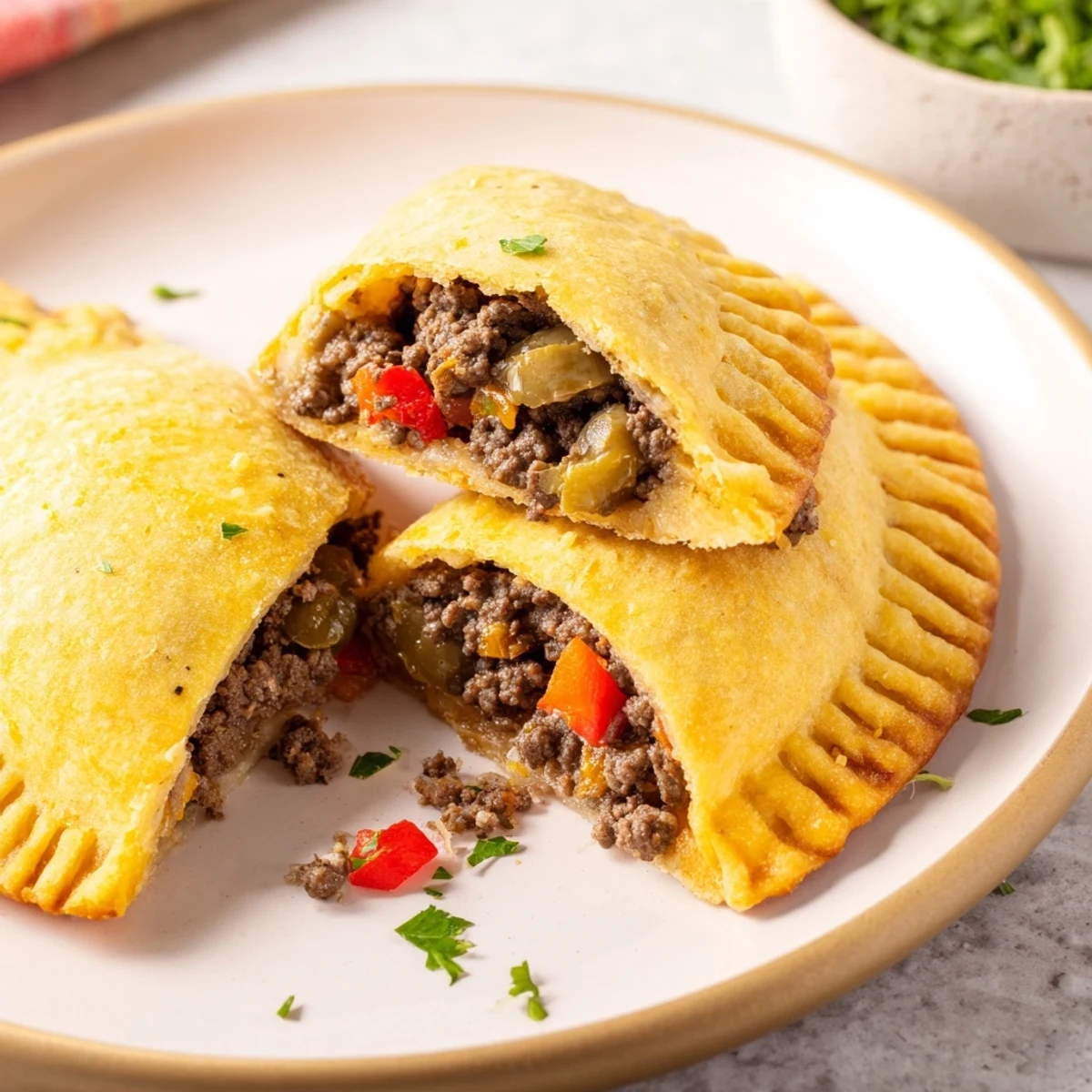
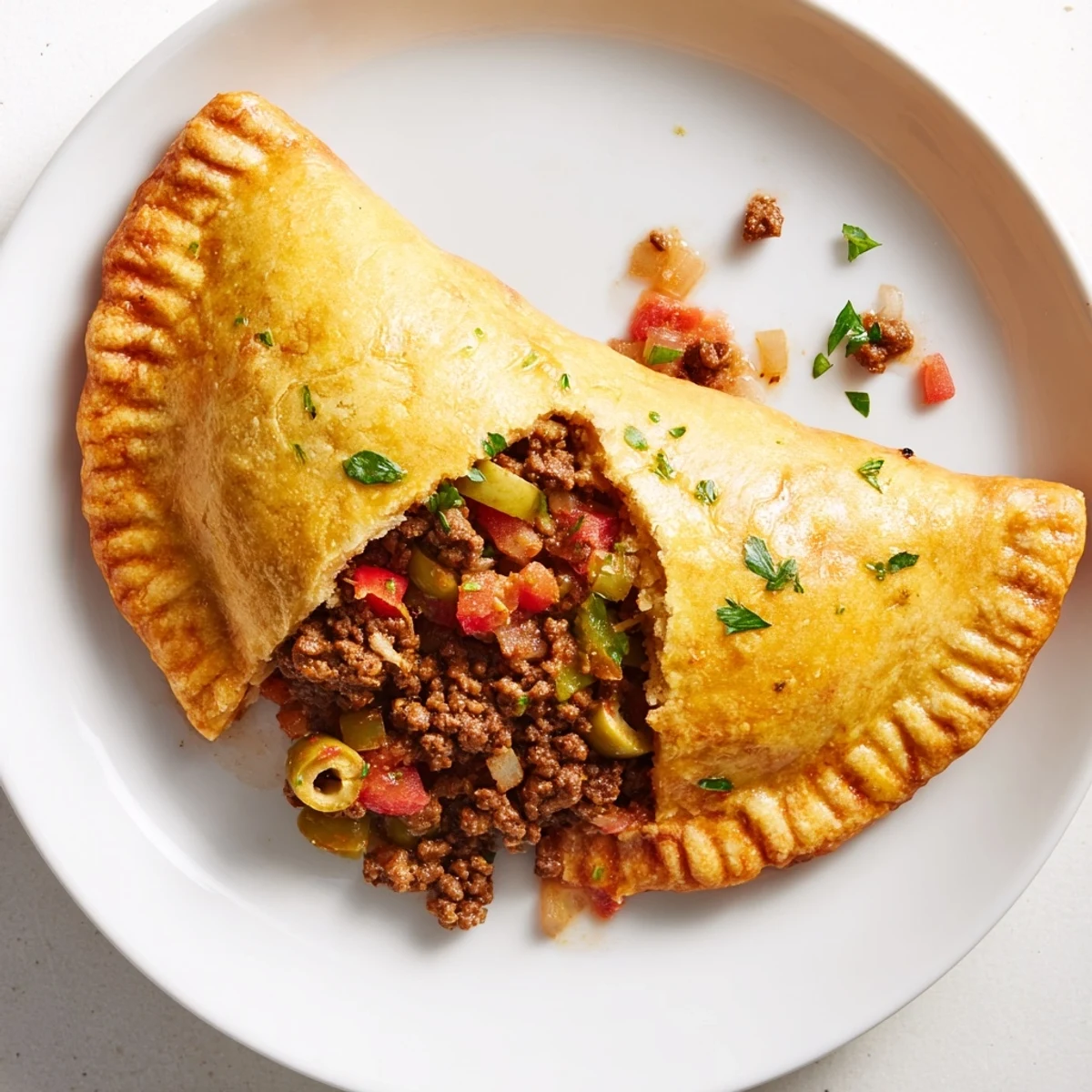
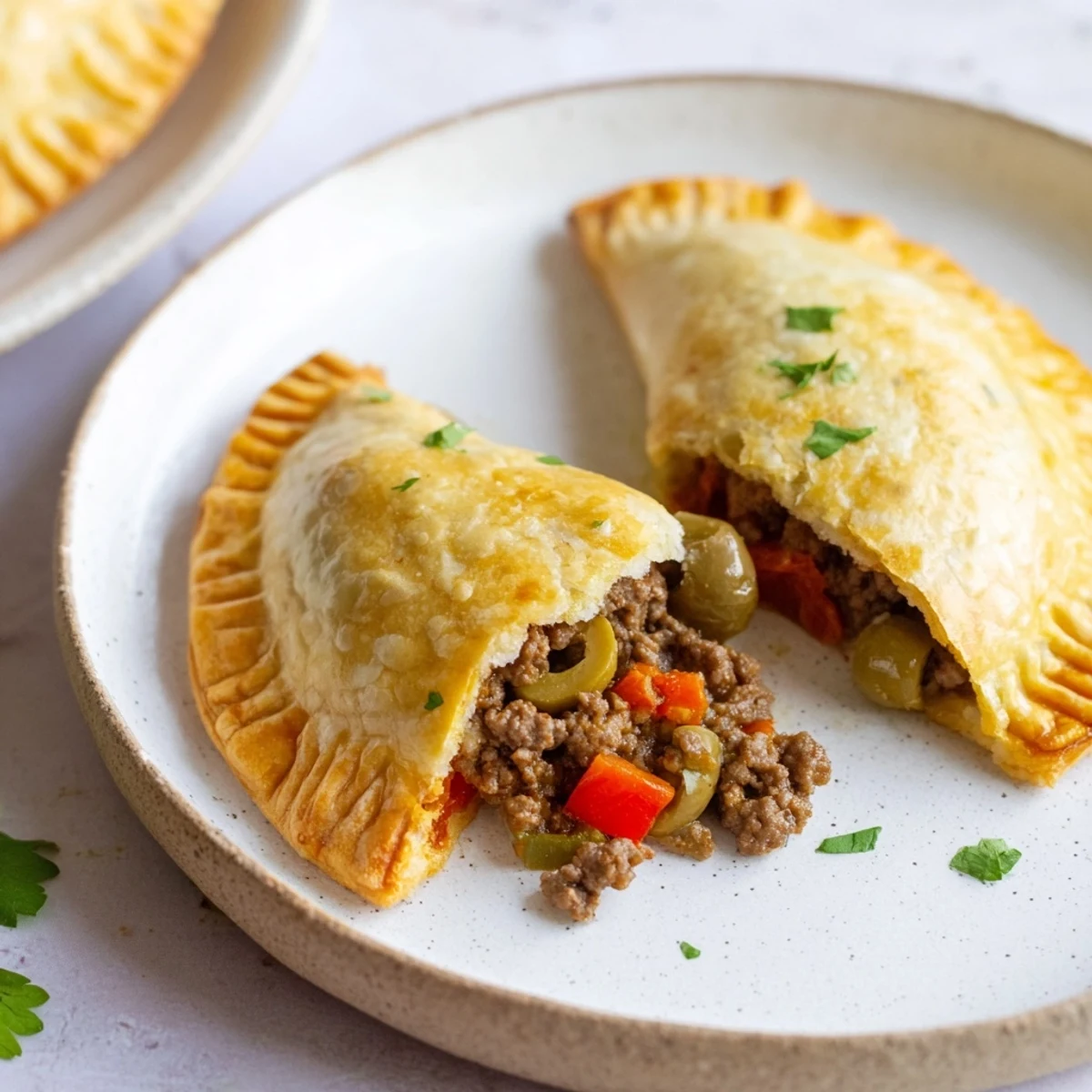
 These savory beef empanadas feature a flaky dough filled with a robust blend of ground beef, bell pepper, cumin, smoked paprika, and olives. The rich filling is complemented by fresh parsley and optional chopped hard-boiled eggs for added texture. After assembling, they bake to golden perfection, offering a crispy crust and tender inside. Ideal as appetizers, snacks, or a satisfying main dish, they can also be fried for extra crunch. Versatile and flavorful, these empanadas bring a touch of Latin American flair to any table.
I first made beef empanadas on a rainy Sunday afternoon when my neighbor brought over a hand-written recipe her abuela had brought from Argentina. Her kitchen smelled like cilantro and warm spices, and she walked me through each fold with patient hands, pointing out how the fork sealed the edges like a little hug around the filling. That first batch came out golden and crispy, and I was hooked—not just by how good they tasted, but by how they felt like a small piece of someone else's story folded into pastry.
I remember bringing a batch of these to a potluck where I didn't know many people, and within ten minutes they were completely gone—people kept coming back asking for the recipe with their mouths still full. That's when I realized empanadas aren't just food; they're conversation starters, the kind of thing that breaks the ice because everyone wants to know what's inside and how you made them.
Ingredients
- All-purpose flour: Three cups forms your foundation—make sure it's fresh and not packed down, or you'll end up with tough dough instead of flaky layers.
- Cold unsalted butter: Half a cup, cubed and straight from the fridge, is what creates those tender, break-apart pastry pockets everyone loves.
- Salt: A teaspoon brings out all the flavors hiding in both the dough and filling, so don't skip it.
- Egg and cold water: These bring the dough together—the egg adds richness, the water keeps it hydrated and workable.
- Ground beef: One pound becomes the heart of your filling, packed with umami and texture.
- Onion and garlic: Finely diced, they're your flavor foundation—let them soften slowly so they meld into the beef rather than staying sharp.
- Red bell pepper: This adds sweetness and color, a gentle note against the spices' warmth.
- Ground cumin and smoked paprika: These two spices together are magic, giving the filling depth and a subtle smoky whisper.
- Chili powder and black pepper: They bring heat and pungency without overwhelming the other flavors.
- Tomato paste: A quarter cup concentrates the filling's richness and adds a subtle tang that ties everything together.
- Green olives: Chopped fine, they add a briny surprise and texture—some people think they're essential, others skip them, but I'm team olives.
- Fresh parsley: Two tablespoons stirred in at the end brightens everything up, a last-minute whisper of freshness.
- Beaten egg: For brushing on top before baking, this creates that beautiful golden-brown gleam that makes people want to eat them immediately.
Instructions
- Make your dough foundation:
- Whisk flour and salt together, then work in cold butter until the mixture feels like coarse breadcrumbs—this texture is everything, because it's what makes the pastry flake instead of turn dense and heavy. Add the egg and cold water gradually, mixing until the dough just comes together, then shape it into a disk, wrap it, and let it rest in the fridge for at least thirty minutes while you tackle the filling.
- Build the filling:
- Heat olive oil in a skillet and let the onion and garlic soften for a few minutes until they're fragrant and turning translucent, then add the ground beef and cook until it's completely browned, breaking it up as it cooks so it doesn't clump. Stir in all your spices, then the tomato paste, letting everything meld together for two minutes, then fold in the olives and parsley right at the end—this keeps the parsley bright and fresh-tasting rather than cooked down into oblivion.
- Shape and fill:
- Roll out your chilled dough on a floured surface until it's about an eighth of an inch thick, then cut out circles about five inches across using whatever you have—a cup, a biscuit cutter, even a small bowl works. Place two tablespoons of cooled filling in the center of each circle, fold it in half, and press the edges firmly with a fork, creating both a seal and a decorative edge that's become the signature shape everyone recognizes.
- Finish and bake:
- Arrange your empanadas on a parchment-lined baking sheet, brush the tops with beaten egg to give them that gorgeous golden color, then slide them into a four-hundred-degree oven for twenty to twenty-five minutes until they're puffed and deeply golden. Let them cool for just a minute or two—they're best when still warm enough to burn your mouth a little, when the filling is still steaming inside the crispy shell.
 Save to Pinterest
 There's a particular magic that happens when you bite into one of these and the pastry shatters between your teeth, giving way to warm, spiced beef and a little briny hit of olive. That moment, when someone closes their eyes for a second after that first bite—that's the reason I make them again and again.
Baked Versus Fried
Baking gives you a lighter, more elegant result that feels almost wholesome, with a tender crumb and that beautiful bronzed exterior. If you want them fried and crispy, heat oil to three hundred fifty degrees and cook each one until it's a deep golden-brown, which takes about two to three minutes total—this creates a shatteringly crisp crust that feels indulgent, and honestly, there are nights when only the fried version will do.
Make-Ahead Magic
You can assemble these empanadas hours ahead, even the night before, and keep them covered in the fridge, which means you can impress people with fresh-baked empanadas without the last-minute stress. You can also freeze them uncooked for up to three months, baking them straight from the freezer and just adding a few extra minutes to the cooking time, which turns them into the perfect emergency appetizer when unexpected guests arrive.
Variations and Swaps
Once you master the basic formula, empanadas become a canvas for whatever you're craving—ground turkey or chicken work beautifully if you prefer something lighter, and some people swear by adding potatoes to the filling for extra heartiness. The spice blend is flexible too; you can dial up the heat with more chili powder, add a pinch of oregano for earthiness, or even sneak in a tiny bit of cinnamon for a secret sweetness that nobody will be able to identify.
- Serve them with chimichurri sauce for a bright, herbaceous complement, or with salsa for something fresher and spicier.
- Hard-boiled eggs in the filling are traditional in some regions and completely optional in others—add them if you like the richness, skip them if you prefer the filling less dense.
- For an egg-free dough, replace the egg with an extra tablespoon of cold water, and brush with a simple milk wash instead of egg wash for color.
 Save to Pinterest
 These empanadas remind me that the best recipes are the ones that travel, that get passed from hand to hand and kitchen to kitchen, changing slightly each time but keeping their soul. Make them once, and I promise they'll become your go-to dish for showing people you care.
Recipes Q&A
- → What type of dough is used for empanadas?
-
A flaky dough made from all-purpose flour, cold butter, egg, and water forms the perfect crust for these empanadas.
- → How is the beef filling seasoned?
-
The ground beef is cooked with onion, garlic, bell pepper, cumin, smoked paprika, chili powder, black pepper, salt, tomato paste, olives, and fresh parsley for robust flavor.
- → Can empanadas be fried instead of baked?
-
Yes, frying empanadas in hot oil at 350°F (175°C) until golden offers a crispier crust and rich taste.
- → Are there variations for the filling?
-
You may substitute ground turkey or chicken for beef, and omit eggs to suit dietary preferences.
- → What tools are needed to prepare empanadas?
-
Essential tools include mixing bowls, a skillet, rolling pin, baking sheet, pastry cutter or fork, and pastry brush.