
 Save to Pinterest
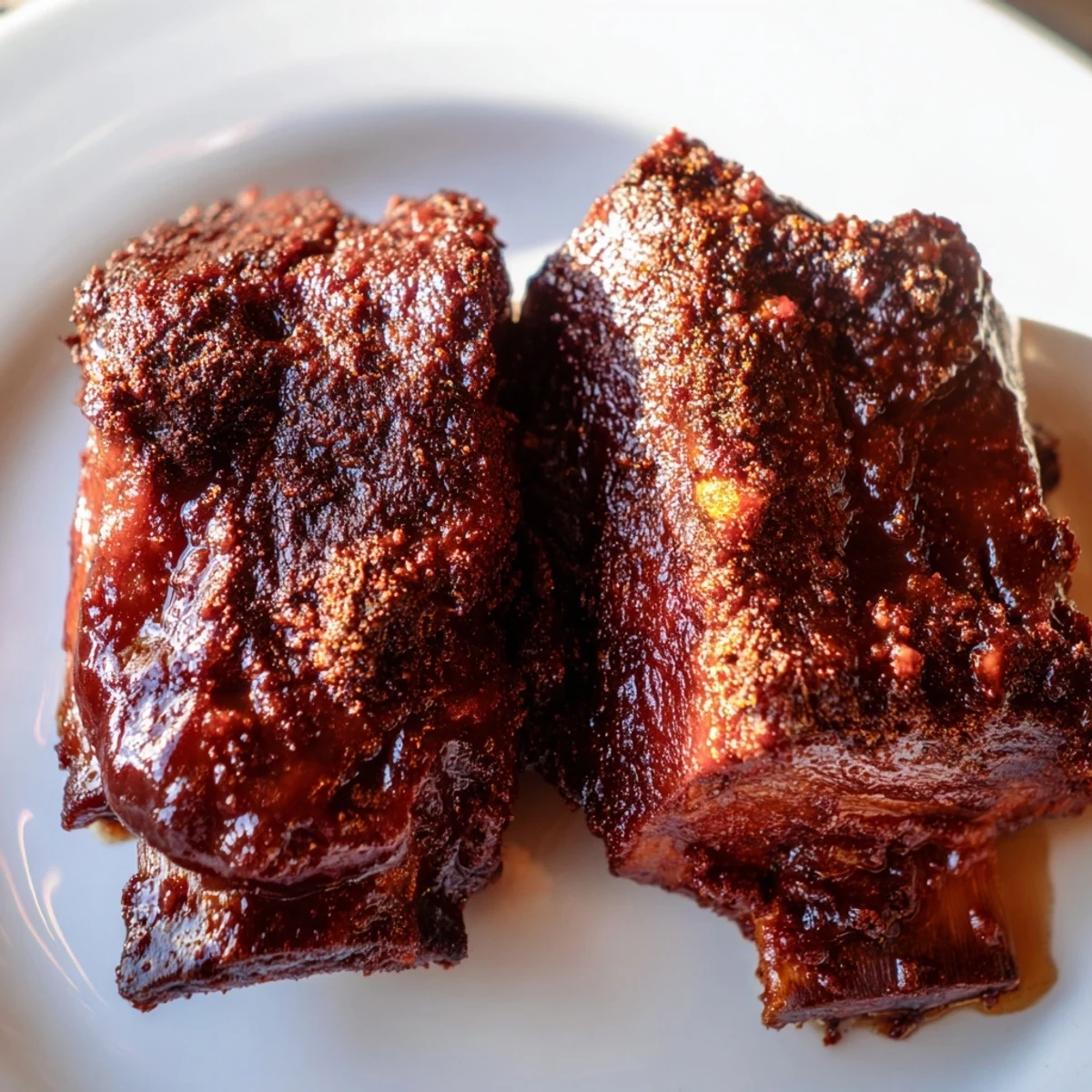
 These beef ribs are slow-cooked to tender perfection, seasoned with a blend of brown sugar, smoked paprika, and spices. Searing the ribs locks in flavor before baking low and slow for 2 hours ensures melt-in-your-mouth texture. A tangy barbecue glaze of vinegar, honey, and Worcestershire sauce is brushed on and caramelized under high heat or broiler. Resting before slicing enhances juiciness. Serve with sides like coleslaw or grilled veggies for a hearty main dish.
There's something about the smell of beef ribs hitting a hot skillet that stops you mid-conversation. I learned this recipe from a neighbor who'd spend entire Saturday afternoons tending his grill, and when he finally showed me his oven method—more forgiving, more reliable—I realized I'd been overthinking it for years. The magic isn't in perfection; it's in that moment when the glaze catches and caramelizes, when you know dinner is going to be unforgettable.
I made these for a potluck once, skeptical about transporting sticky ribs in my car, but they arrived perfect and disappeared in minutes. Someone asked for the recipe three times before the night ended. That's when I knew this wasn't just dinner—it was the kind of meal people actually remember.
Ingredients
- Beef short ribs: Get 1.5 kg (3.3 lbs) from a butcher you trust; ask them to cut them to even thickness so they cook uniformly.
- Brown sugar: 2 tbsp adds sweetness that balances the spice and helps create that caramelized crust.
- Smoked paprika: 1 tbsp is the backbone of the rub; don't skip it or use regular paprika.
- Garlic powder: 1 tbsp builds layers of savory depth.
- Onion powder: 1 tbsp rounds out the flavor profile without making things wet.
- Ground black pepper: 1 tsp adds bite and keeps things interesting.
- Salt: 1 tsp draws out the meat's natural juices.
- Cayenne pepper: ½ tsp optional; add it if you like heat creeping in at the end.
- Barbecue sauce: 1 cup store-bought or homemade, gluten-free if that matters to your table.
- Apple cider vinegar: 2 tbsp cuts through the richness and keeps the sauce from feeling cloying.
- Worcestershire sauce: 1 tbsp adds umami and complexity without announcing itself.
- Honey: 1 tbsp sweetens the glaze and helps it stick.
- Olive oil: 2 tbsp for searing; use something you won't feel bad heating to medium-high.
Instructions
- Prepare your space:
- Preheat your oven to 150°C (300°F). This low, slow heat is what transforms tough cuts into something tender and yielding.
- Build the rub:
- Mix brown sugar, smoked paprika, garlic powder, onion powder, black pepper, salt, and cayenne in a small bowl. The mixture should smell warm and inviting, not sharp.
- Coat the ribs:
- Pat the beef ribs completely dry with paper towels—moisture is the enemy of browning. Rub the dry mixture all over, getting into the crevices and between bones, until every inch is covered.
- Sear for color:
- Heat olive oil in a large oven-safe skillet or Dutch oven over medium-high heat until it shimmers. Working in batches if needed, sear the ribs on all sides until deeply browned, about 2-3 minutes per side. You're building flavor here, not cooking through.
- Low and slow:
- Cover the skillet tightly with foil or a lid and transfer to the oven. Bake for 2 hours, or until the ribs are so tender a fork slides through without resistance. The kitchen will smell incredible.
- Make the glaze:
- While the ribs braise, whisk together barbecue sauce, apple cider vinegar, Worcestershire sauce, and honey in a separate bowl. Taste it; adjust vinegar or honey until it feels balanced.
- Caramelize the finish:
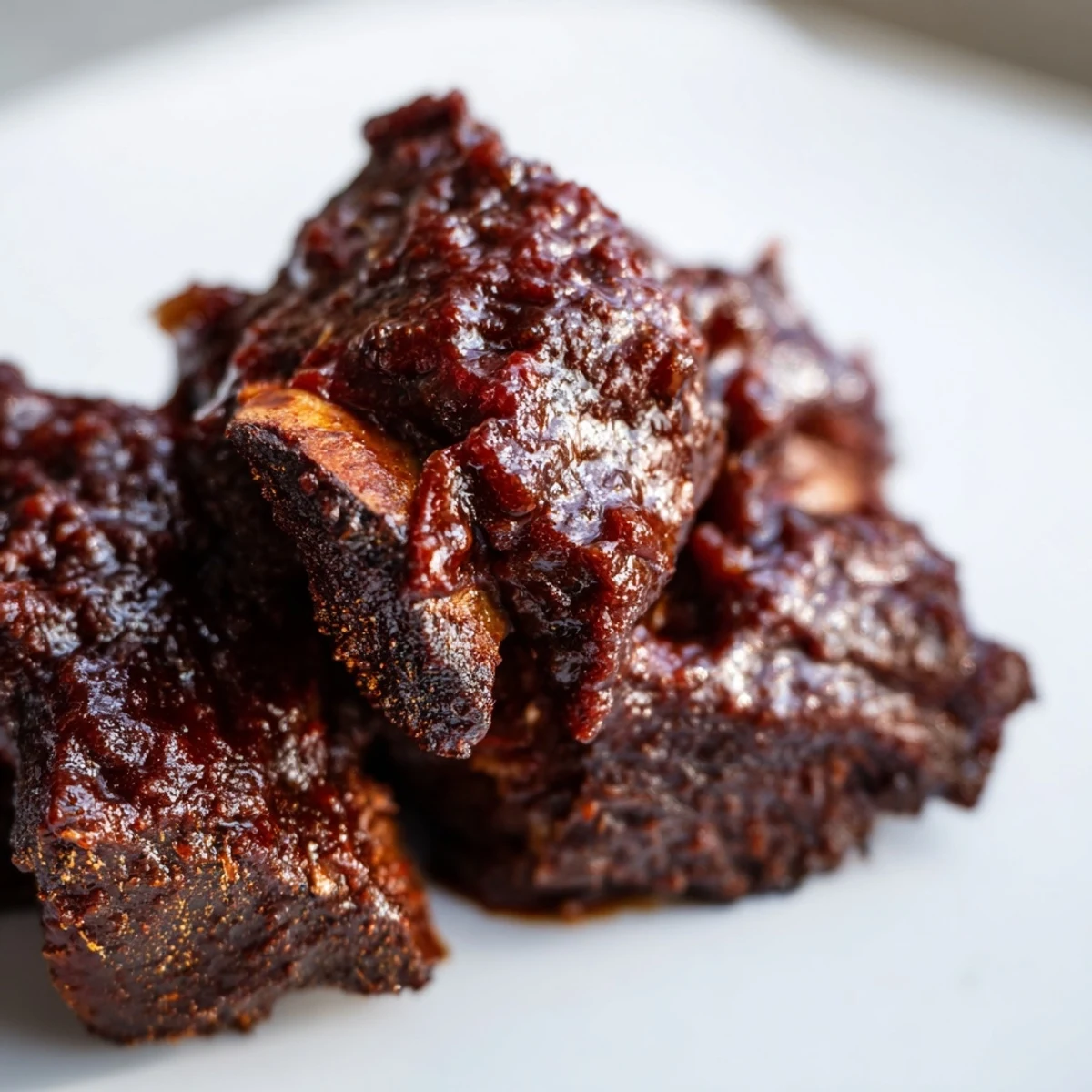
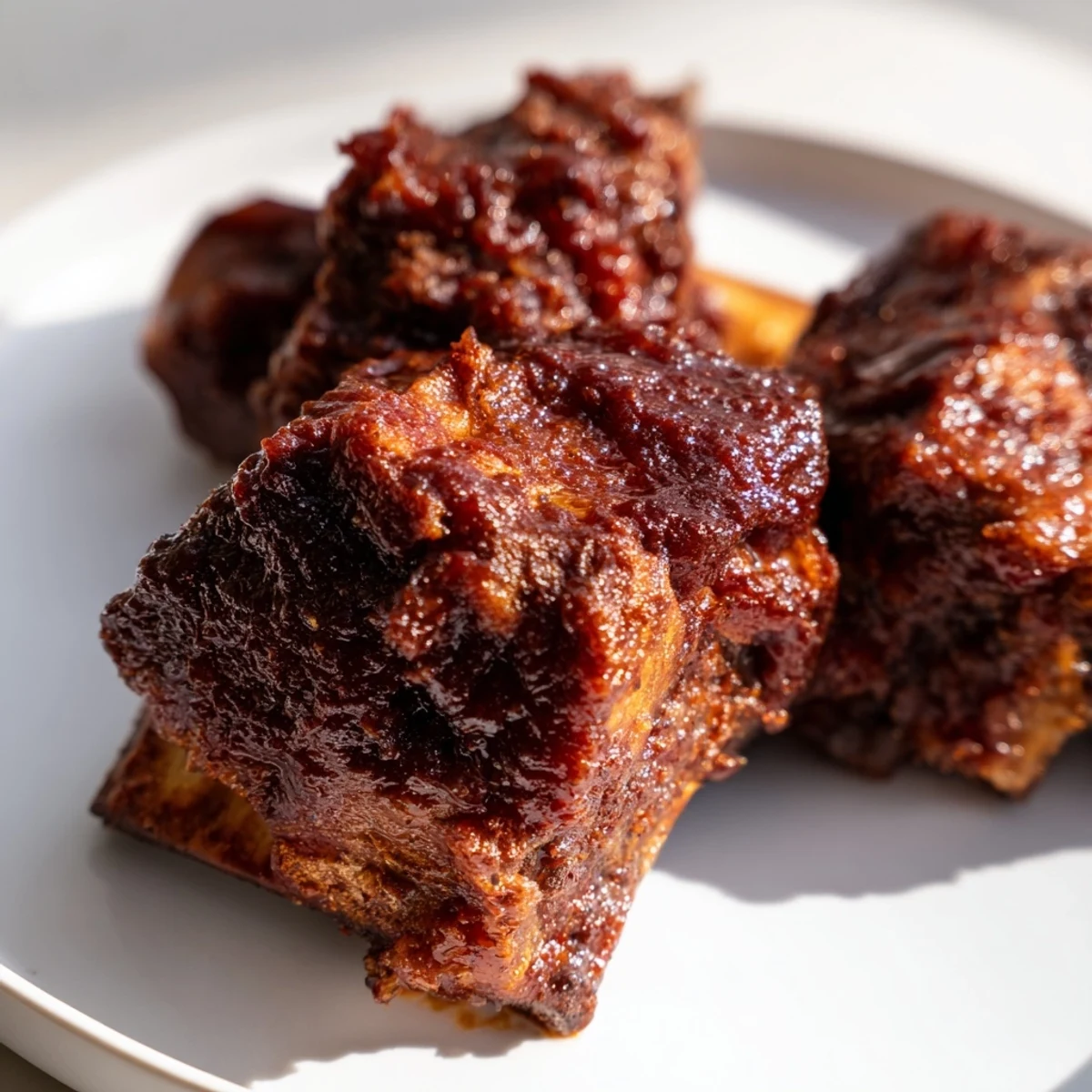
- Remove the ribs from the oven and brush them liberally with the sauce, making sure every surface glistens. Increase the oven temperature to 220°C (425°F) or switch to broil, then return the ribs uncovered for 8-10 minutes. Watch them—the sauce should bubble at the edges and darken slightly, but not char.
- Rest before serving:
- Let the ribs sit for 5 minutes so the juices settle back into the meat. Slice between the bones, pile them on a platter, and pour extra sauce over the top.
 Save to Pinterest
 I once tried to rush the final glaze by skipping the broil and just painting sauce on at the end. The difference was heartbreaking—all that work, and the sauce never set right. Now I understand that those last 10 minutes under the broiler are when the recipe actually finishes. That's when it becomes memorable.
Flavor Layers That Matter
The dry rub does more than season; it creates a textured crust that holds up under the sauce. The vinegar in the glaze isn't about tang—it's about contrast. Sweet ribs without acid would be cloying, but the moment that apple cider vinegar hits your tongue, everything clicks. It's the difference between good food and food you actually crave.
Timing and Temperature
This recipe works because it respects the meat's need for time over heat. Two hours at 300°F breaks down the connective tissue without overcooking the muscle fibers. If you try to rush with higher heat, you get leather. If you undercook, you get chew. There's a sweet spot, and this method finds it consistently.
Serving and Variation
Serve these ribs with something cool and crisp—coleslaw cuts through the richness, and cornbread soaks up the sauce. Grilled vegetables add color and prevent the meal from feeling heavy. The ribs are substantial enough to be the star, so everything else should step back and support.
- For a smokier finish, grill the ribs for the final 10 minutes instead of broiling.
- Ribs can be cooked a day ahead and reheated gently with fresh sauce before serving.
- If gluten matters at your table, double-check your BBQ sauce and Worcestershire—most need to be swapped for gluten-free versions.
 Save to Pinterest
 Beef ribs remind me that the best meals aren't about complexity—they're about respecting what you're cooking and giving it the time it deserves. This recipe delivers that every time.
Recipes Q&A
- → How do I achieve tender beef ribs?
-
Slow-cooking ribs at a low temperature allows the connective tissues to break down, resulting in tender, juicy meat.
- → Can I use homemade barbecue sauce?
-
Yes, homemade BBQ sauce adds a personal touch and can be adjusted for sweetness or tanginess to suit your taste.
- → What is the purpose of searing the ribs before baking?
-
Searing creates a flavorful crust by browning the meat, which enhances taste and texture before slow cooking.
- → How can I make the ribs spicier?
-
Adding extra cayenne pepper to the dry rub or choosing a spicy barbecue sauce can increase the heat level.
- → Are these ribs suitable for a gluten-free diet?
-
Use gluten-free barbecue and Worcestershire sauces to ensure the dish remains gluten-free.