
 Save to Pinterest
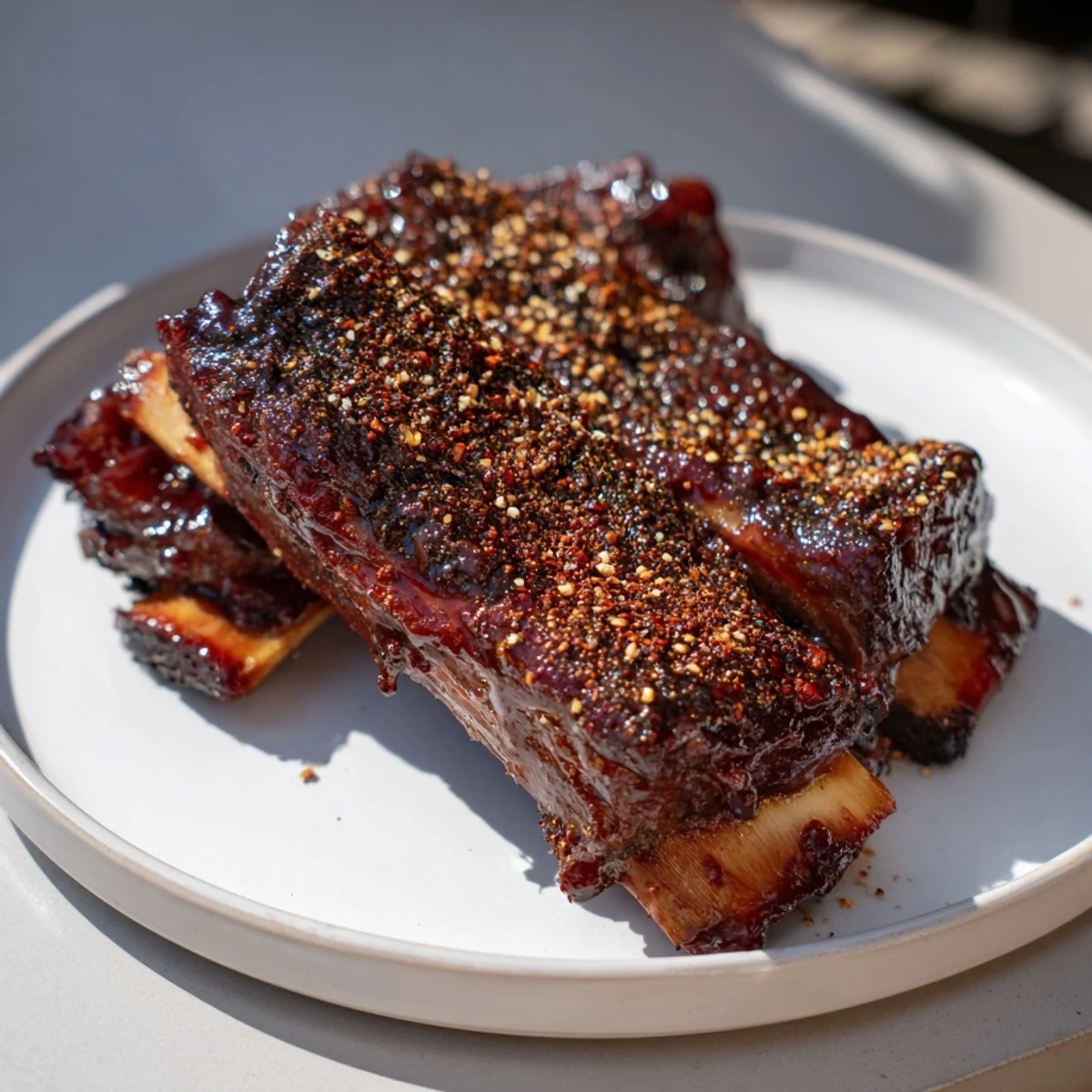
 These beef ribs are seasoned with a flavorful dry rub and slow-cooked at low temperature until tender. They are then brushed with a smoky barbecue glaze and caramelized under high heat to develop a sticky, rich coating. This process ensures a juicy, succulent bite perfect for gatherings or comforting meals. Serving suggestions include coleslaw, cornbread, or roasted potatoes. The balance of spices and glaze creates a deeply satisfying experience.
There's something about the smell of beef ribs low and slow in the oven that fills a kitchen with pure promise. My neighbor once asked what I was cooking, following the aroma across our yards, and I realized that day how much this dish means to people before they even taste it. These ribs have become my go-to when I want to feel like I'm taking care of the people around me, no rushing, just time and heat doing the work.
I made these for the first time when I wanted to impress my in-laws without making a big production of it. The house filled with this incredible savory warmth, and by the time they arrived, I was already confident the meal would be good. That confidence, I learned, comes from a recipe that actually works.
Ingredients
- Beef short ribs, 1.5 kg (3.3 lbs): Look for ribs with good marbling and ask the butcher to cut them into individual portions if you like, though I keep them in slabs for drama.
- Kosher salt, 1 tbsp: This is your anchor, the one ingredient that makes everything taste like itself.
- Freshly ground black pepper, 2 tsp: Fresh peppercorns ground just before coating make all the difference in how the rub adheres and flavors.
- Smoked paprika, 1 tbsp: This is where the smoke lives even without a smoker, so don't skip it or substitute with regular paprika.
- Garlic powder, 1 tsp: Use powder here, not fresh, because it dries out the surface and helps the rub cling.
- Onion powder, 1 tsp: Another powder friend that adds depth without moisture, rounding out the savory profile.
- Dried thyme, 1 tsp: Thyme brings an earthy note that keeps the rub from tasting one-dimensional.
- Cayenne pepper, ½ tsp optional: Add this if you want a gentle heat that builds quietly on the back of the tongue.
- Barbecue sauce, 1 cup (240 ml): Choose one you actually enjoy eating straight from the jar, because that's the foundation here.
- Apple cider vinegar, 2 tbsp: This cuts through richness and keeps the glaze from cloying, a hard-won lesson.
- Honey or brown sugar, 1 tbsp: Either works, but honey caramelizes more gorgeously under high heat.
- Worcestershire sauce, 1 tsp: Check the label for gluten if that matters to you, and don't double this or it becomes pushy.
- Beef broth, ½ cup (120 ml): This keeps the bottom of the pan moist during the long braise and makes a sauce if you're feeling fancy.
Instructions
- Set your oven to a gentle heat:
- Preheat to 150°C (300°F) and give it time to stabilize. Low and slow is the whole point here.
- Build your dry rub:
- Mix all the dry ingredients in a small bowl, breaking up any clumps with your fingers. This only takes a minute but changes everything.
- Prepare the ribs:
- Pat them completely dry with paper towels because moisture is the enemy of a good crust. Press the rub into every surface, working it gently into the meat like you're getting to know it.
- Arrange in the pan:
- Place ribs bone side down in a roasting pan, pour the beef broth into the base, and cover everything tightly with foil. This seal is important; foil gaps let steam escape and dry things out.
- Let time do the work:
- Bake for 2.5 hours without peeking. The meat should be so tender it nearly falls apart when you touch it.
- Make your glaze:
- While the ribs braise, whisk together barbecue sauce, apple cider vinegar, honey, and Worcestershire sauce. Taste it and adjust to your liking.
- Bring on the heat:
- Remove foil and brush the ribs generously with glaze, then either increase oven to 220°C (425°F) or switch to the broiler. This high heat caramelizes the glaze into something sticky and dark and irresistible.
- Finish with intention:
- Baste with more glaze halfway through the 15 to 20 minute final cook. Watch it carefully because the line between caramelized and burnt is real.
- Rest before serving:
- Ten minutes lets the meat relax and the juices redistribute, making every bite juicier than if you cut right away.
 Save to Pinterest
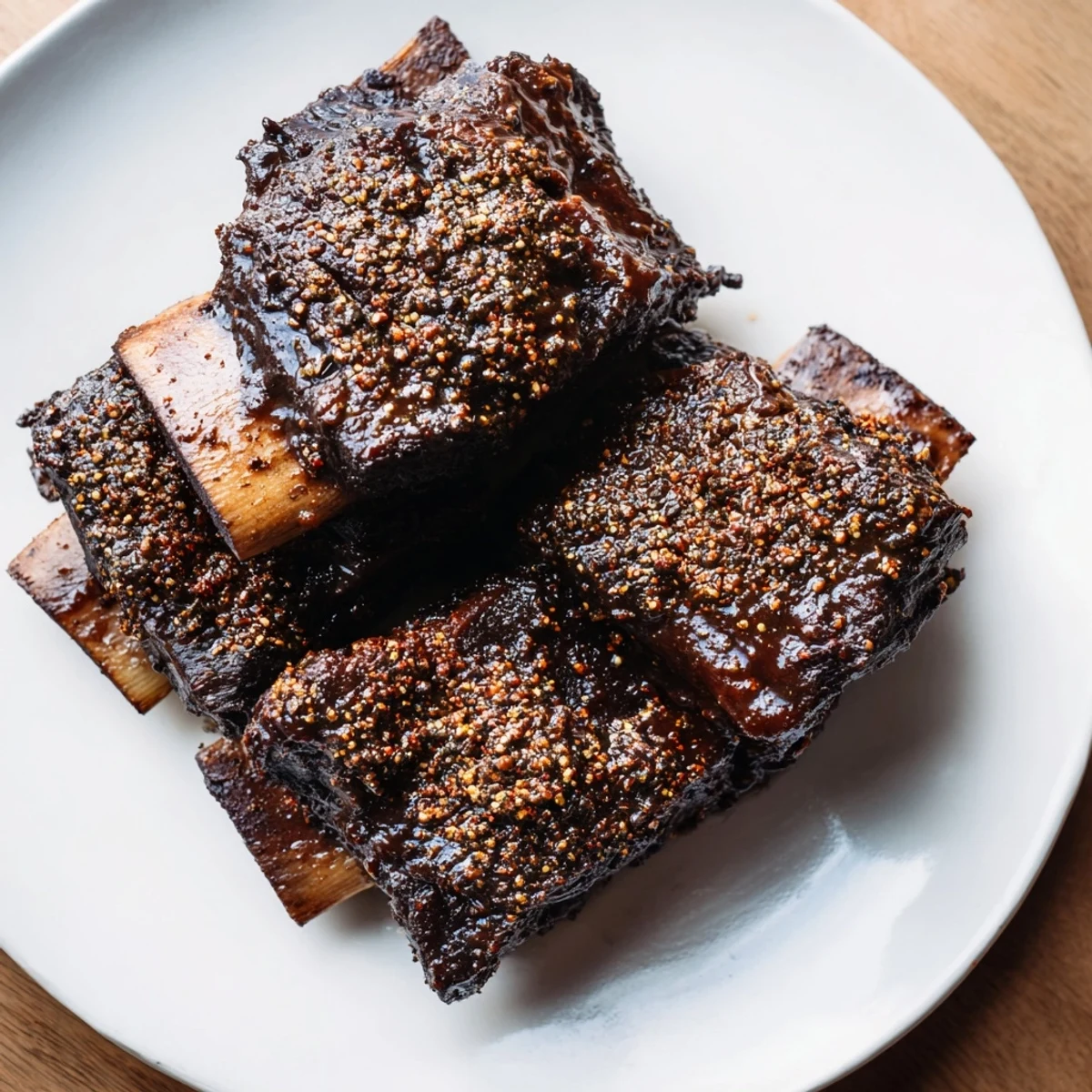
 The first time my daughter helped me brush on that final glaze, she asked why we were making it so shiny and sticky. I told her it was because food is partly about how it looks, and she took that seriously, carefully painting each rib like she was creating something precious. She was right to.
Why The Oven Instead of The Smoker
Not everyone has a smoker or the space for one, but everyone has an oven. This method gets you that deep, caramelized flavor by layering smoked paprika and a long braise with barbecue sauce, and honestly, the results are so good that guests assume it came off a smoker anyway. The key is patience and respecting the low temperature, which does the tenderizing work while you do anything else.
Serving and Pairing
Ribs are already rich and satisfying, so I think about balance when building a meal around them. Coleslaw cuts through the richness with brightness, cornbread soaks up extra sauce, and roasted potatoes ground everything in comfort. A simple green salad works too if you're feeling lighter, and honestly, sometimes I just put them on the table with pickles and bread and let people build their own plates.
Making Them Ahead
These ribs are actually more forgiving than you might think about timing. You can braise them a full day ahead, chill them, and then finish under the broiler with a fresh glaze about 15 minutes before serving, which means less stress when people arrive. This flexibility is part of why I make them for gatherings, because it lets me be present instead of stuck in the kitchen.
- Store braised ribs in an airtight container for up to three days, and they taste just as good reheated.
- Always add fresh glaze before the final broil to ensure that caramelized finish, not a dried-out top.
- If you're cooking ahead, stop right after the braise and before the high-heat finish, which only takes minutes fresh.
 Save to Pinterest
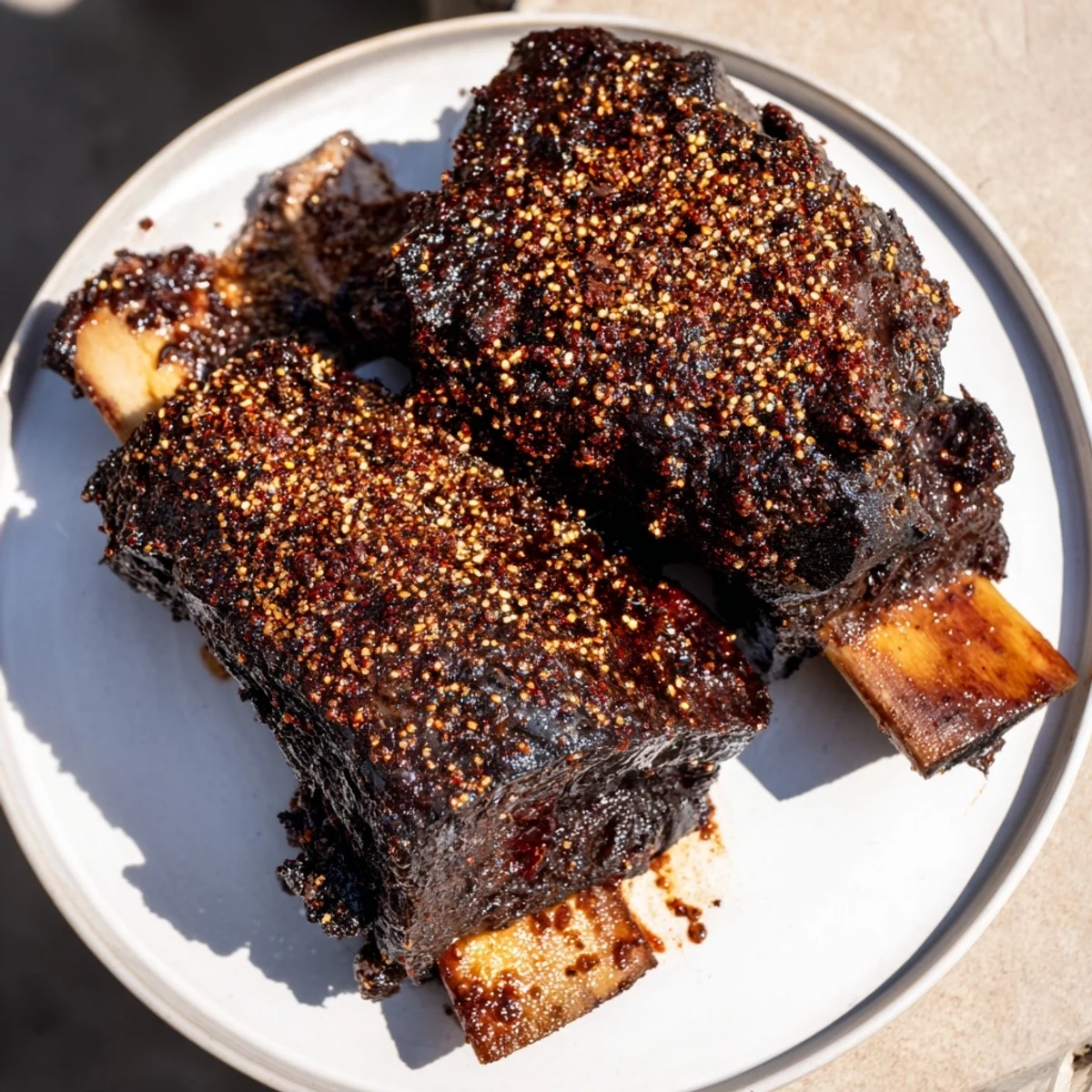
 These ribs have a way of turning an ordinary dinner into something people remember. That's the kind of cooking worth doing.
Recipes Q&A
- → How long should beef ribs be cooked for tenderness?
-
Beef ribs require slow cooking at a low temperature for about 2.5 hours to achieve maximum tenderness.
- → What ingredients contribute to the smoky flavor?
-
The dry rub includes smoked paprika and optional cayenne pepper, and the barbecue glaze can incorporate liquid smoke for extra smokiness.
- → How is the sticky glaze achieved on the ribs?
-
After slow cooking, ribs are brushed with barbecue glaze and cooked at higher heat or under the broiler to caramelize and create a sticky coating.
- → Can these beef ribs be prepared ahead of time?
-
Yes, ribs can be cooked in advance, chilled, and then reheated under the broiler to restore the caramelized finish.
- → What side dishes complement these beef ribs well?
-
Classic accompaniments include coleslaw, cornbread, and roasted potatoes which balance the rich, smoky flavors.
- → Is this dish suitable for gluten-free diets?
-
Ensure the barbecue sauce and Worcestershire sauce used are gluten-free to keep the dish suitable for gluten-sensitive individuals.