
 Save to Pinterest
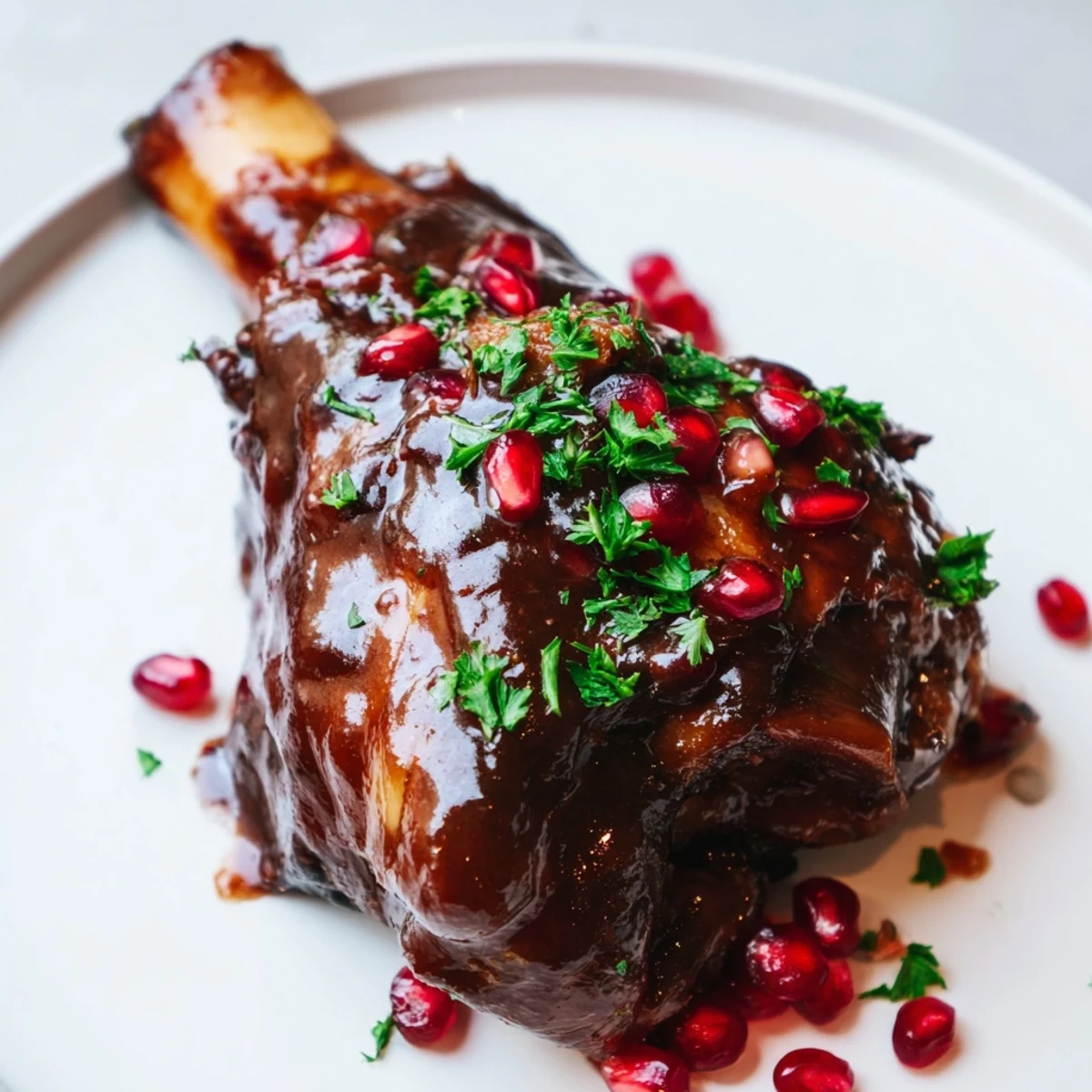
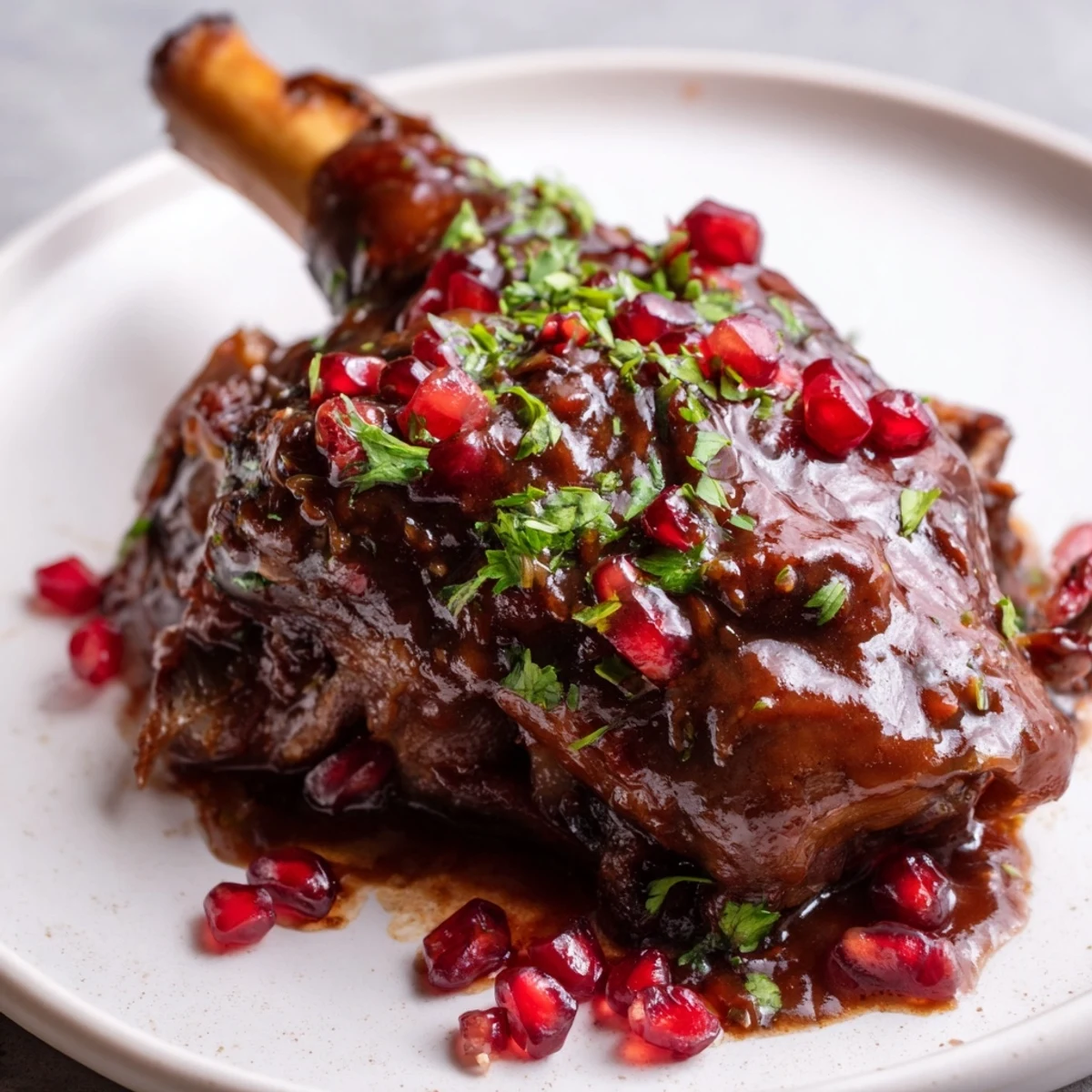
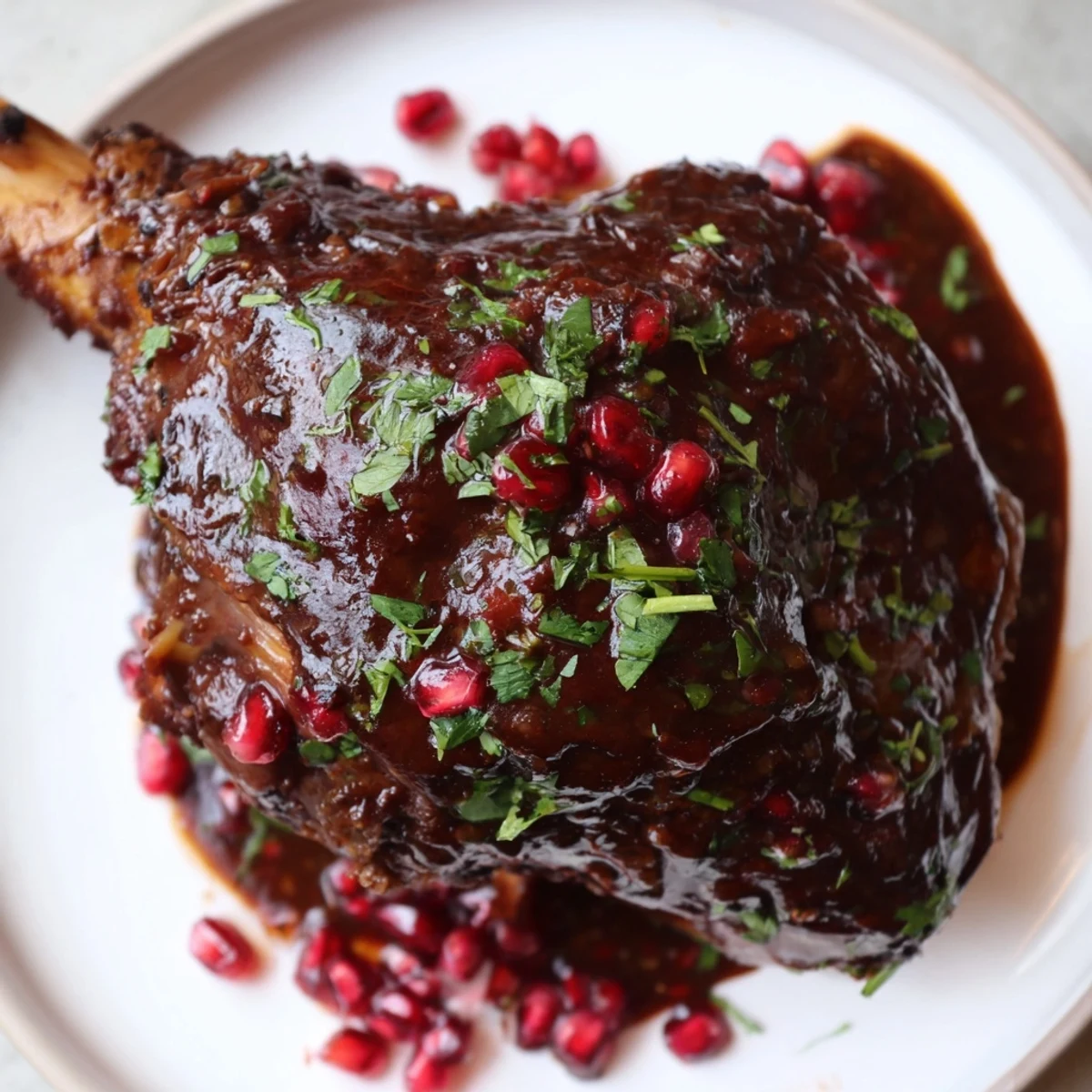
 Tender lamb shanks are slow-braised over hours with a blend of cumin, coriander, cinnamon, smoked paprika, and fresh herbs. After searing, they're cooked gently in a rich stock and red wine mixture, where tomato paste, honey, and pomegranate molasses provide depth and sweetness. The finishing touch is a glossy glaze of pomegranate molasses and honey caramelized under the grill. Garnished with fresh parsley and vibrant pomegranate seeds, this dish offers comforting layers of flavor and texture, ideal for gatherings or celebrations.
The first time I understood what pomegranate molasses could do was at a crowded spice market in Istanbul, where an elderly vendor insisted I taste it straight from a bottle. That sharp, complex sweetness caught me off guard, and I found myself buying a whole container on impulse. Months later, when I needed something special for a dinner party, those jars were still sitting on my shelf. I decided to braise lamb shanks—not because I had a recipe, but because I wanted to see what would happen if I let that molasses work its magic over hours of slow cooking.
I made this for my brother's birthday dinner three years ago, and I remember him going quiet for a moment after the first bite. That silence told me everything. Now whenever I braise lamb shanks, I think about that table of people leaning in with their forks, the way the pomegranate seeds caught the candlelight, and how a single dish can make an ordinary Thursday feel like an occasion.
Ingredients
- Lamb shanks (4, about 350–400 g each): Look for ones with a good amount of meat relative to bone; they'll yield better portions. Ask your butcher to trim excess fat but leave a thin layer for flavor.
- Olive oil (2 tbsp): High heat will break down delicate oils, so use something robust that won't smoke.
- Onion, garlic, carrots, and celery: These aren't just background flavors—they form the foundation that keeps everything from tasting one-dimensional.
- Ground cumin (1 tsp), ground coriander (1 tsp), cinnamon (1/2 tsp), smoked paprika (1/2 tsp): Toast them briefly in the pan before adding liquid so they wake up and deepen.
- Bay leaves and fresh thyme: Dried thyme works in a pinch, but fresh stems release oils that make a real difference.
- Beef or lamb stock (400 ml) and dry red wine (250 ml): The wine adds acidity that cuts through the richness; don't skip it or use cooking wine.
- Tomato paste (2 tbsp), pomegranate molasses (2 tbsp for braising, 3 tbsp for glaze), and honey (1 tbsp for braising, 1 tbsp for glaze): This is where the magic happens—the molasses brings tartness, the honey rounds it out, and together they create a glaze that clings to meat like liquid gold.
- Pomegranate seeds and fresh parsley: These are your final flourish, adding brightness and texture to what's otherwise deep and rich.
Instructions
- Set your stage:
- Preheat the oven to 160°C (325°F). Pat the lamb shanks completely dry with paper towels—moisture is the enemy of a good sear—then season them generously with salt and pepper, getting into every crevice where the seasoning can cling.
- Sear the lamb:
- Heat olive oil in your Dutch oven over medium-high heat until it shimmers and moves easily across the bottom. Place the lamb shanks in, listening for that immediate sizzle. Let them sit undisturbed for 3–4 minutes per side until they develop a deep mahogany crust; you're not looking for pure browning, but for enough color that the meat has sealed in its juices.
- Build your aromatic base:
- Lower the heat to medium, remove the shanks, and add the onion, garlic, carrots, and celery. Stir and cook until the vegetables soften and start to turn golden, about 6–8 minutes. You should smell something sweet and savory mixing together.
- Bloom the spices:
- Stir in the cumin, coriander, cinnamon, smoked paprika, bay leaves, and thyme. Cook for just 1 minute—any longer and they'll taste burnt and bitter. You want the kitchen to smell like a warm spice shop, not a charred cabinet.
- Deglaze and build the braising liquid:
- Add the tomato paste, pomegranate molasses, and honey; stir until everything is coated and glossy. Pour in the wine and stock, using a wooden spoon to scrape up all those browned bits stuck to the bottom of the pot—that caramelized flavor is irreplaceable.
- Return the lamb and braise:
- Nestle the lamb shanks back into the liquid, ensuring they're mostly submerged or at least half-covered. Cover the pot with its lid and place it in the oven. This is where patience becomes your secret ingredient; let it braise for 2 to 2 1/2 hours. Turn the shanks once or twice halfway through so they braise evenly.
- Finish and glaze:
- Remove the lamb shanks and set them aside on a clean plate. Skim the surface of the braising liquid with a spoon to remove excess fat, then strain through a fine-mesh strainer if you want a silky sauce, or leave it rustic. In a small saucepan, combine the 3 tbsp pomegranate molasses and 1 tbsp honey, simmering over low heat for 2–3 minutes until slightly thickened and glossy.
- Final caramelization:
- Brush the glaze generously over each lamb shank. Place them under a hot broiler or grill for 3–5 minutes, watching carefully, until the glaze turns dark, shiny, and caramelized at the edges.
 Save to Pinterest
 There's a moment near the end of braising when you lift the lid and the steam rises up carrying the smell of wine, spices, and slow-cooked meat. That's when you know something extraordinary is happening inside the pot. I always pause there and think about how good food is rarely rushed.
What to Serve Alongside
I've served these lamb shanks over creamy mashed potatoes, pilaf, and even crushed white beans—they work with almost anything that can catch the rich braising liquid. The pomegranate glaze and braising sauce are the stars, so let them shine by keeping the base simple. Roasted root vegetables also work beautifully if you want to keep things on one tray, though I often just ladle the shanks and sauce onto their own bed and call it complete.
Wine Pairing and Timing
Pour a glass of the same red wine you're using in the braise—Shiraz, Cabernet Sauvignon, or even a good Côtes du Rhône all work wonderfully. The wine in your glass becomes part of the experience of the wine in the pot. As for timing, you can braise these in the morning and finish them at dinner, or prep everything the night before and slide the pot into the oven when you get home.
Shopping and Substitutions
Pomegranate molasses isn't as rare as it once was, but if your local store doesn't carry it, Middle Eastern or specialty markets almost always stock it. If you truly can't find it, a mixture of pomegranate juice reduced by half with a splash of lemon works in a pinch, though the flavor won't be identical. Beef shanks are a worthy substitute if lamb isn't available or if you want something slightly less rich.
- You can add a strip of orange zest to the braising liquid for extra depth and a whisper of citrus.
- If your braising liquid feels thin after cooking, reduce it for 10 minutes on the stovetop while the shanks rest—it'll thicken and concentrate beautifully.
- Make extra glaze; people always want to spoon more over their plate once they taste it.
 Save to Pinterest
 This dish reminds me that sometimes the most impressive meals are built on patience and a few quality ingredients, not complicated techniques. Cook it once just for yourself, taste the pomegranate molasses as it works into the lamb, and you'll understand why I keep coming back to this recipe again and again.
Recipes Q&A
- → What cut of meat is best for this dish?
-
Lamb shanks are ideal due to their marbling and connective tissue, which become tender and flavorful when slow-cooked.
- → Can I substitute red wine in the braising liquid?
-
Yes, you can use additional stock or a non-alcoholic red grape juice as alternatives, adjusting seasoning to balance flavors.
- → How long does the braising process take?
-
The shanks braise in the oven for about 2 to 2 1/2 hours until the meat is tender and easily falls from the bone.
- → What is the role of pomegranate molasses in this dish?
-
Pomegranate molasses adds a distinct sweet and tangy note that balances the richness of the lamb and spices.
- → How should the glaze be prepared and applied?
-
The glaze is made by simmering pomegranate molasses with honey until thickened, then brushed onto the lamb and caramelized under a grill for a glossy finish.
- → Can this dish be prepared ahead of time?
-
Yes, the lamb shanks can be braised in advance and reheated gently before applying the glaze and finishing under the grill.