
 Save to Pinterest
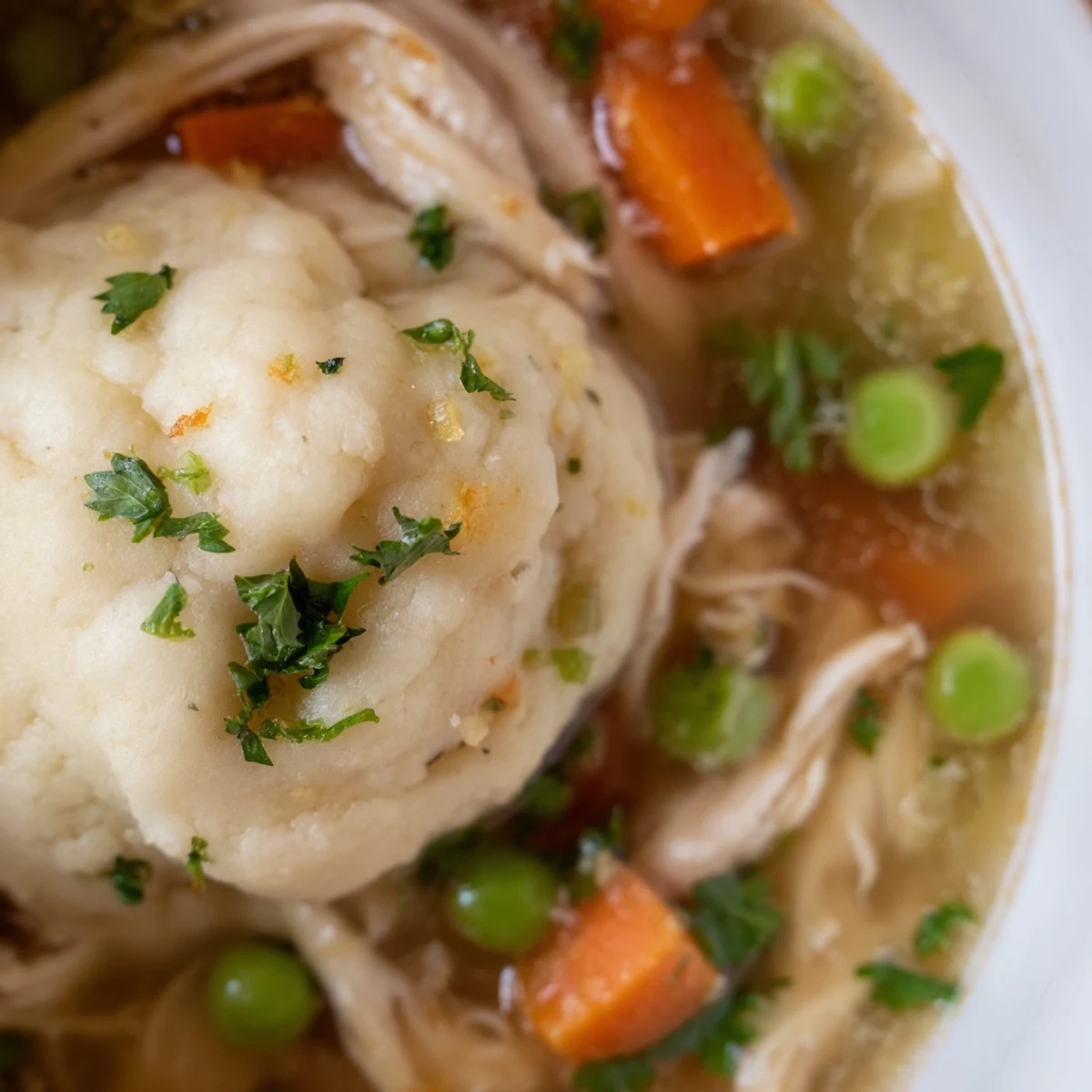
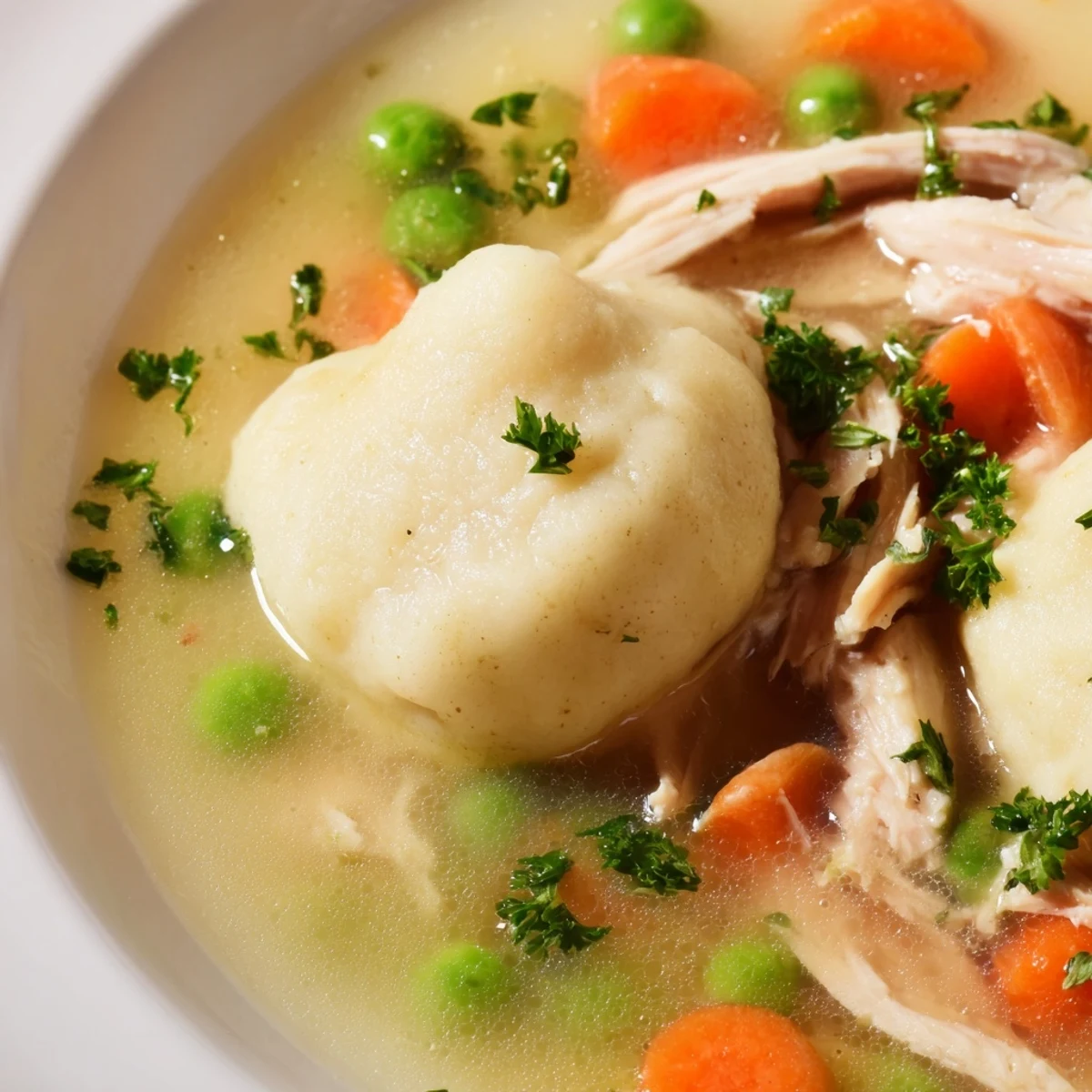
 This hearty dish combines tender chicken simmered slowly with aromatic vegetables like carrots, celery, and onion. The flavorful broth is enriched with herbs such as thyme and fresh parsley. Light, fluffy dumplings made from flour, butter, and milk are gently cooked on top, soaking up the savory flavors. Perfectly balanced and nourishing, this comforting meal offers a warm, satisfying experience ideal for a cozy dinner.
There's a Tuesday afternoon I keep coming back to, when my neighbor stopped by with a cold and I had nothing but a bare kitchen and maybe forty minutes. I stood there looking at chicken thighs, some sad vegetables in the crisper drawer, and thought, why not make something that actually feels like it cares? By the time she left, she had warmth in her hands from the bowl and something softer in her expression. That's when I understood this soup isn't really about the ingredients—it's about what they become together.
I made this for my partner during a rainy week when everything felt a little gray, and watching him eat three bowls while we sat quietly together reminded me that sometimes the best meals are the ones that don't try too hard. The kitchen smelled incredible—thyme and butter and something almost medicinal in the best way—and I realized I'd stopped thinking about the recipe halfway through and just started cooking with my hands.
Ingredients
- Unsalted butter (2 tbsp): This starts everything off right, mellowing the raw vegetables and building the flavor base you'll taste in every spoonful.
- Medium onion, diced (1): Don't skip the caramelizing step—those few minutes make all the difference between soup and something that actually sings.
- Carrots and celery (2 and 2 stalks): The classic aromatics that give this its soul, sweet and subtle in the background.
- Garlic cloves, minced (3): Add it late so it stays bright and doesn't turn bitter or overpowering.
- Bone-in, skinless chicken (1 kg): Thighs are more forgiving than breasts and stay juicy, but honestly, use what you have.
- Bay leaves and dried thyme (2 leaves, 1 tsp): These are your insurance policy—they keep the broth tasting like itself and not like boiled chicken.
- Low-sodium chicken broth (2.5 L): Use homemade if you can, but good store-bought works just fine and tastes almost as genuine.
- Frozen peas and fresh parsley (1 cup and 2 tbsp): The peas add sweetness and texture, while parsley keeps things fresh and light.
- All-purpose flour and baking powder (1½ cups and 2 tsp): For dumplings that rise and stay tender without becoming dense.
- Whole milk and melted butter (¾ cup and 2 tbsp): These make the dough rich and the dumplings taste like they belong in luxury.
Instructions
- Start the base:
- Melt butter in a large pot over medium heat, then add onion, carrots, and celery. Let them soften for five or six minutes, stirring now and then—you're looking for the vegetables to lose their raw edge but not turn golden yet. Add garlic and cook just until it's fragrant, barely a minute, so it stays sweet and doesn't burn.
- Build the broth:
- Add your chicken, bay leaves, thyme, salt, and pepper, then pour in the broth and bring everything to a rolling boil. Turn the heat down low, cover the pot, and let it simmer for twenty-five to thirty minutes until the chicken is cooked through and the broth has taken on a subtle, savory depth. You'll know it's ready when the meat shreds easily and the kitchen smells like comfort.
- Shred and return:
- Pull the chicken out onto a cutting board and use two forks to tear it into tender pieces, tossing out any bones as you go. Stir the shredded meat back into the pot, and you've just transformed raw ingredients into something that tastes genuinely homemade.
- Add the vegetables and prepare for dumplings:
- Stir in the frozen peas and chopped parsley, then bring the soup back to a gentle simmer. This is a good moment to taste and adjust the seasoning if you need to.
- Make the dumpling dough:
- In a separate bowl, whisk together flour, baking powder, and salt—this is your dry foundation. Stir in the melted butter, milk, and parsley until just barely combined; overmixing will make them tough, so stop as soon as you see no dry flour. The dough should look shaggy and cheerful, not smooth.
- Drop and cover:
- Using a tablespoon, drop small mounds of dough onto the simmering soup surface, spacing them so they have room to puff up. Cover the pot tightly—this is crucial—and simmer for exactly fifteen minutes without lifting the lid even once. The steam is what makes them rise and stay fluffy.
- Finish and serve:
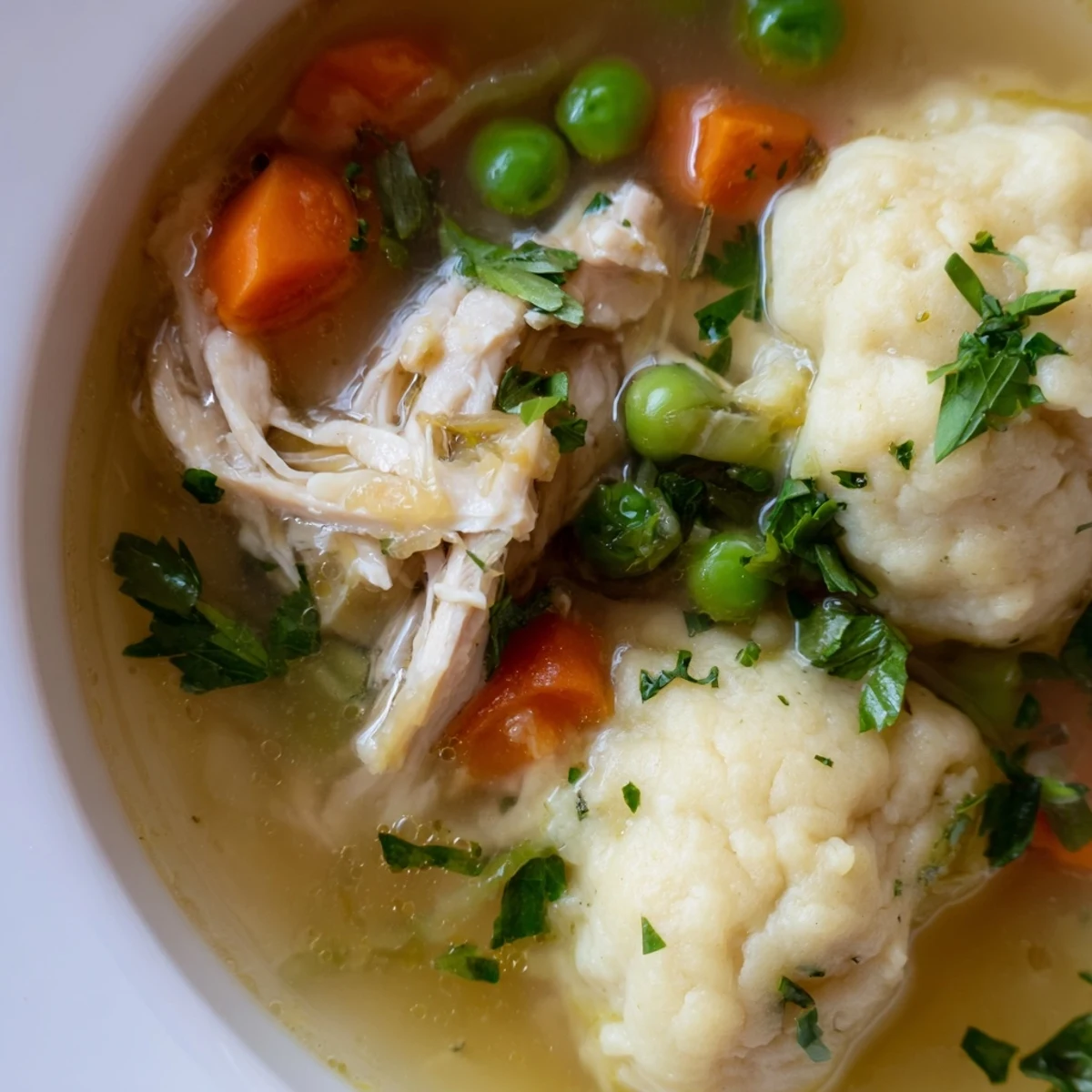
- After fifteen minutes, lift the lid and check that the dumplings look puffed and cooked through, their tops slightly set and pale. Taste once more, remove the bay leaves, then ladle the soup into bowls and finish with a whisper of fresh parsley.
 Save to Pinterest
 There's a moment toward the end of cooking when you lift the lid and see those little clouds of dumplings floating on the surface, and it feels like a small magic trick you just pulled off. My sister tasted it and said it reminded her of something her grandmother used to make, which meant more to me than she probably realized.
Why This Soup Works as Comfort Food
Chicken soup has this quiet authority over us—it's familiar enough to feel safe but good enough to feel special, and that balance is exactly why people come back to it. The dumplings turn it from a simple broth into something more substantial, something you want to sit with and savor rather than just eat and move on. There's also something about cooking a whole meal in one pot that feels both efficient and generous at the same time.
Timing and Make-Ahead Options
You can make the broth and shredded chicken up to two days ahead, then reheat and add the dumplings fresh when you're ready to serve, which means you get that light, fluffy texture every time. The dumpling dough is also best made just before cooking, but the dry mixture can sit in a bowl covered for a few hours without any trouble. If you're cooking for guests, make the broth in the morning and you'll have only the dumplings to manage at dinner time, which feels like the opposite of stressful.
Variations and Personal Touches
This recipe is generous enough to bend without breaking—add dill or tarragon if you want something brighter, swap the peas for corn or green beans, or use a gluten-free flour blend if that matters to your table. I've also made it with turkey in winter and found it just as warming and honest. A bowl of this soup tastes like Sunday no matter what day you're eating it, and that's the real magic.
- Fresh dill or tarragon can replace or complement the thyme for a completely different but equally lovely flavor.
- Gluten-free flour blends work perfectly for the dumplings if you need them to.
- Leftover soup keeps beautifully in the fridge and actually tastes even better the next day when the flavors have settled together.
 Save to Pinterest
 Make this soup when someone needs it, or when you need it yourself—either way, you'll have fed more than just hunger. It's the kind of dish that quietly earns its place in your regular rotation because it asks so little and gives so much.
Recipes Q&A
- → How can I ensure the chicken stays tender?
-
Simmer the chicken gently in the broth until cooked through but not overdone, which helps retain moisture and tenderness.
- → What herbs complement this dish best?
-
Dried thyme and fresh parsley add delicate earthiness while bay leaves infuse subtle depth to the broth.
- → How do I prevent dumplings from sticking together?
-
Drop dumpling dough spaced evenly on the simmering surface, and avoid lifting the lid during cooking to allow proper steaming.
- → Can I make gluten-free dumplings?
-
Yes, substitute all-purpose flour with a gluten-free blend and adjust moisture levels for similar texture.
- → What sides pair well with this dish?
-
A crisp green salad or crusty bread complements the rich soup and dumplings perfectly.