
 Save to Pinterest
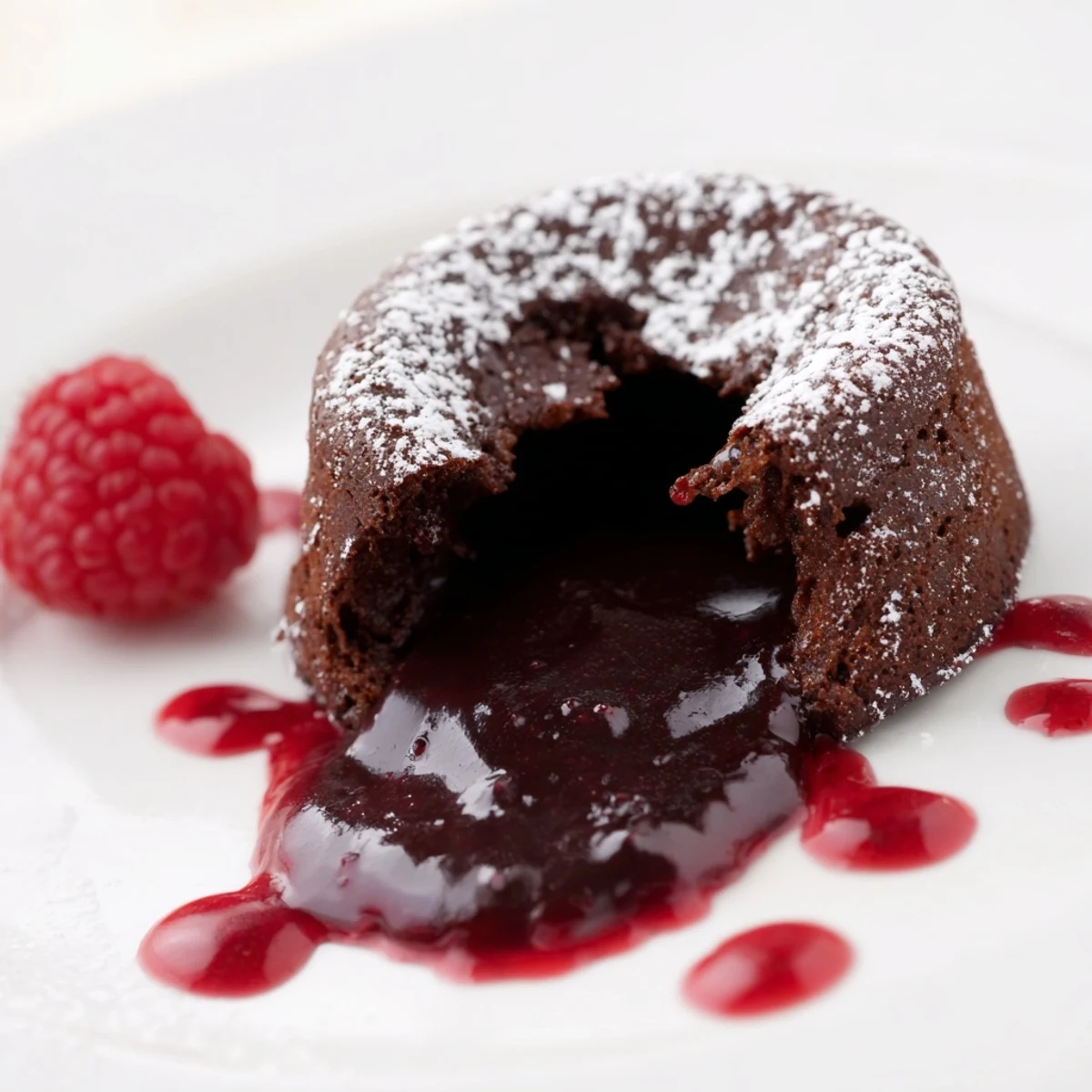
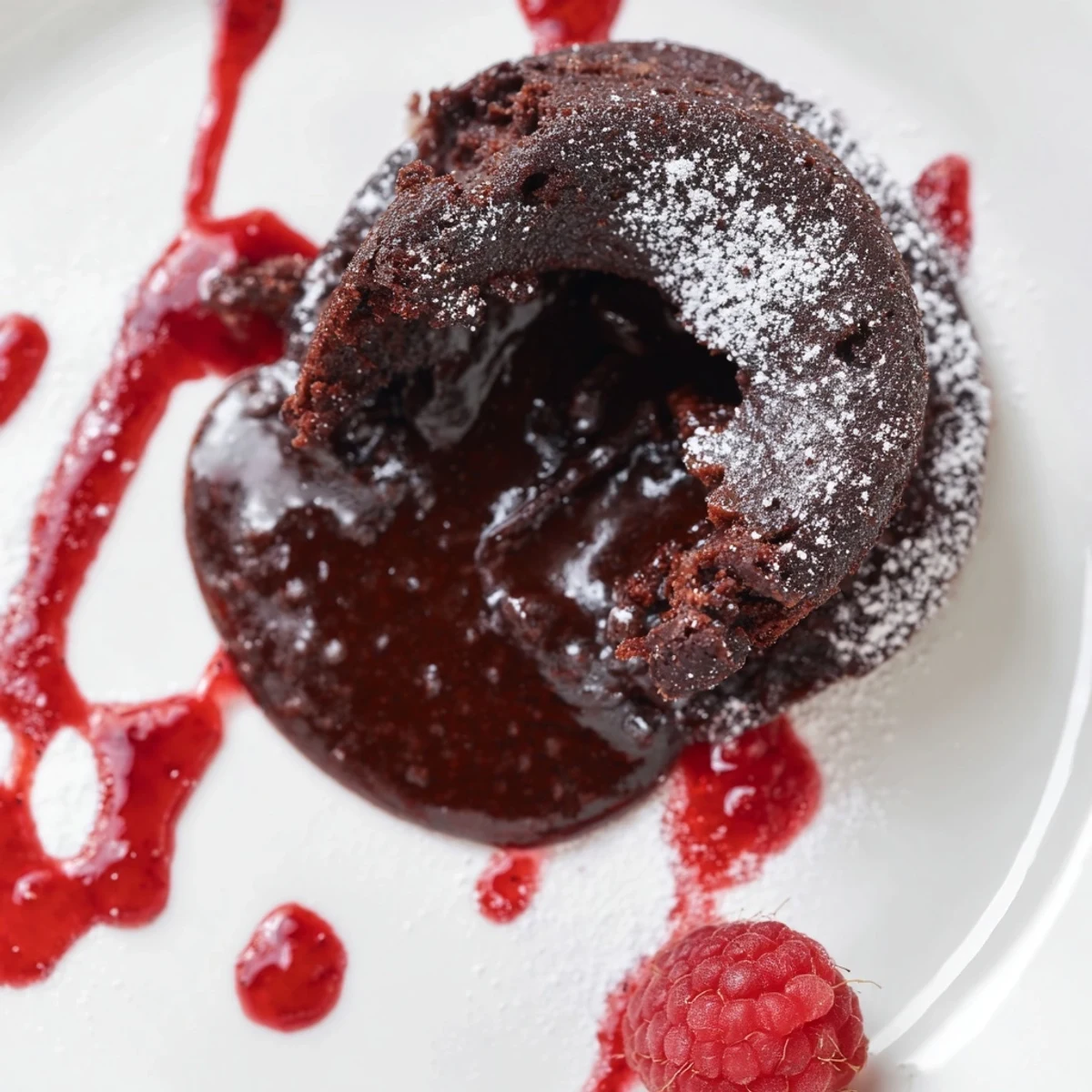
 These individual chocolate cakes feature a warm, molten center paired perfectly with a tangy raspberry coulis. The rich dark chocolate blends with buttery batter and subtle sweetness, baked to achieve a gooey core and delicate edges. The raspberry coulis adds a fresh, vibrant contrast, made from fresh or frozen berries simmered with sugar and lemon. Dust with icing sugar and garnish with fresh raspberries for an elegant, flavorful treat ideal for special occasions.
There's a moment in every dinner party when someone leans back from their plate with that look—eyes closed, fork suspended in midair—and you know you've created something memorable. That moment arrived for me the first time I mastered chocolate lava cakes, watching a spoon break through the dark, glossy exterior and trigger that perfect molten collapse onto the plate. My kitchen filled with the kind of silence that only happens when people are too focused on eating to talk, and honestly, that's when I knew I'd stumbled onto something special. These individual cakes aren't just dessert; they're a small act of culinary theater that somehow feels both indulgent and intimate at once.
I'll never forget baking these for my sister's birthday dinner when our oven was running five degrees hot and I panicked, standing there at the kitchen window like a nervous parent. When I pulled them out at exactly eleven minutes, they were perfect—the edges set and slightly pulling away from the ramekin, the centers still quivering with promise. She cut into hers first, and the collective gasp around the table told me everything I needed to know about why this recipe deserved to be repeated again and again.
Ingredients
- High-quality dark chocolate (60–70% cacao), chopped: This is where your entire cake lives—cheap chocolate tastes thin and waxy, while real chocolate gives you that deep, sophisticated finish that makes people ask what you did differently.
- Unsalted butter: The eggs and butter are what create that molten center, so don't shortcut this; it needs to be real butter that emulsifies properly with the eggs.
- Eggs and egg yolks: This is the structure and the silkiness—the extra yolks are what give you that creamy, almost custard-like center that separates good lava cakes from dry, cakey ones.
- Granulated sugar: Whisk this with the eggs until the mixture looks pale and thick; this isn't just about sweetness, it's about aerating the eggs so your cake has the right tender crumb.
- All-purpose flour and salt: Just enough flour to hold everything together without making the cake heavy; the salt is your secret flavor amplifier that makes the chocolate taste more like itself.
- Fresh or frozen raspberries: Fresh berries give you better texture in the coulis, but frozen works beautifully if that's what you have—they break down faster and sometimes taste even more concentrated.
- Lemon juice: This tiny amount of acid wakes up the raspberry flavor and prevents the coulis from tasting one-dimensional.
Instructions
- Set up your stage:
- Preheat your oven to 220°C (425°F) and butter those ramekins like you mean it—you want a thin, even layer so the cakes release cleanly later. A light dust of flour or cocoa powder helps even more; tap out the excess so you don't end up with a flour-cake situation.
- Marry chocolate and butter:
- Melt them together slowly over simmering water or in the microwave in fifteen-second bursts, stirring between pulses so nothing seizes and turns grainy. You want something silky and smooth, warm but not hot—test the temperature with a clean finger if you're unsure.
- Whisk eggs into clouds:
- This step matters more than it sounds; whisking the eggs, yolks, and sugar for about two minutes creates tiny air bubbles that become the structure of your cake. The mixture should look pale and slightly thickened, almost like it's gained volume and confidence.
- Fold chocolate into eggs:
- This is where gentleness pays off—fold slowly and deliberately, watching the streaks of chocolate disappear into the egg mixture rather than beating it like you're angry at the batter. A few chocolate streaks remaining is fine; you want to keep all those tiny air bubbles alive.
- Finish the batter:
- Sift the flour and salt directly over the batter and fold one more time until you can't see any dry flour. The batter should look silky and dark, almost like a very thick chocolate sauce.
- Fill and arrange:
- Divide the batter evenly among your ramekins—they should be about three-quarters full, no more. Place the ramekins on a baking tray so they're easy to move in and out of the oven without wobbling.
- Bake with precision:
- Eleven to twelve minutes is your window—you're looking for edges that look set and pull slightly from the sides, while the very center still jiggles slightly if you shake the ramekin gently. This is not the time to multitask; set a timer and pay attention because the difference between molten and overcooked is about sixty seconds.
- Build the coulis:
- While the cakes bake, toss raspberries, sugar, and lemon juice into a small saucepan and cook over medium heat, stirring occasionally, until the berries collapse and release their juices (three to four minutes). If you're using frozen berries, add cornstarch mixed with a teaspoon of water and cook another minute to thicken it slightly.
- Strain and cool:
- Pour the coulis through a fine sieve, pressing gently on the berries to extract every bit of flavor while leaving the seeds behind. Let it cool while your cakes finish baking; it'll taste brighter and fresher than when it's hot.
- Release and serve:
- Let the hot cakes rest for exactly one minute, then run a thin knife around the edge of each ramekin and invert onto a serving plate—the cake should slide out clean and warm. Dust with icing sugar immediately, add a pool of coulis, maybe a fresh raspberry or two, and serve right away while that center is still flowing.
 Save to Pinterest
 There's something almost transcendent about watching someone's face when they experience that warm chocolate center for the first time—that moment of surprise mixed with delight that makes all the careful timing feel worthwhile. It's dessert that tastes impressive and requires real attention, but it doesn't require hours or superhuman skill, just respect for the process and trust in your oven.
The Magic of the Molten Center
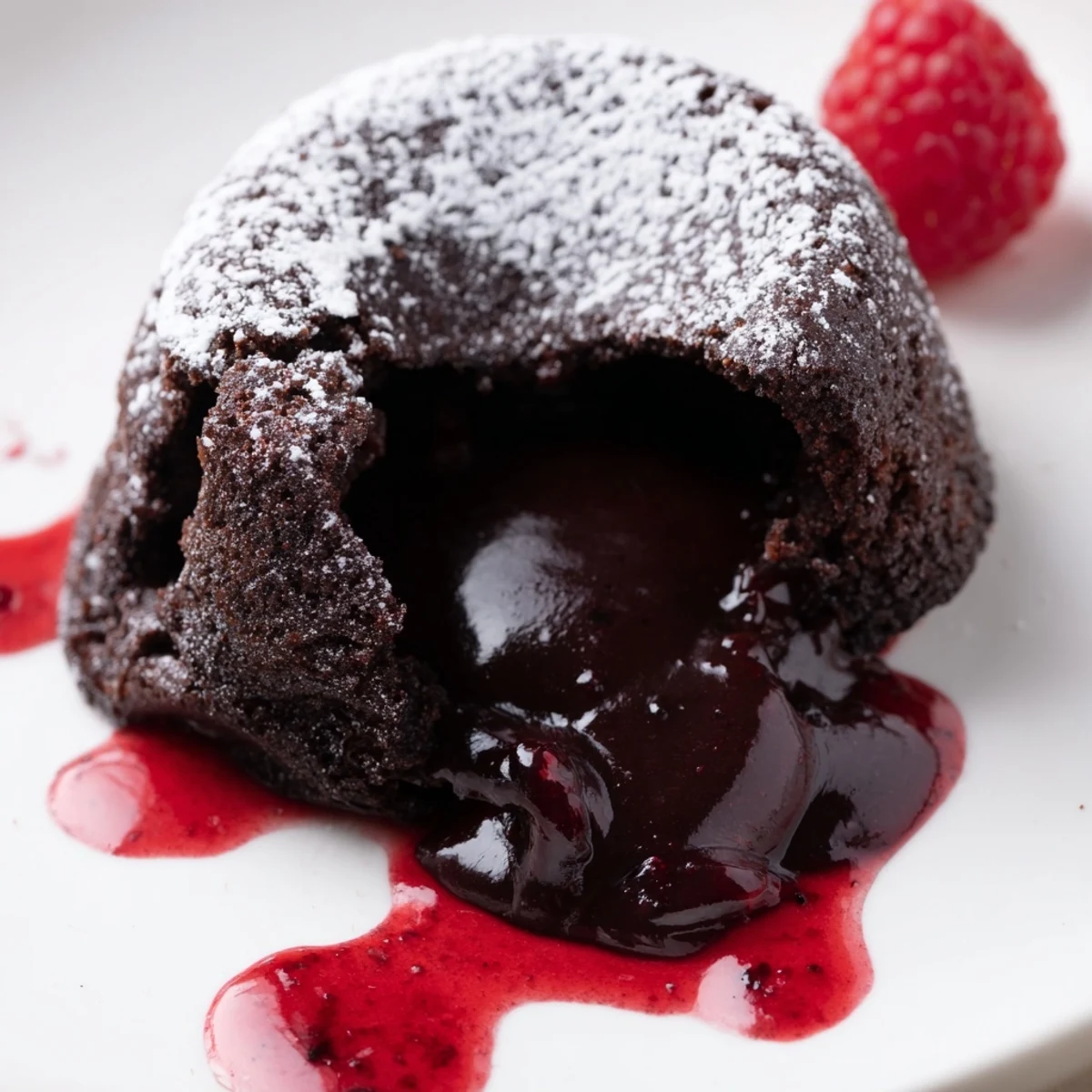
The molten center isn't an accident or a delicate balance between two outcomes—it's actually built into the structure of the cake from the moment you fold the chocolate into the eggs. When you whisk those eggs and sugar together, you're incorporating air, and that air creates a tender crumb that can't hold heat efficiently. The center stays softer longer, which is exactly why pulling these out at eleven or twelve minutes gives you that flowing chocolate instead of a fully set cake. It's not luck; it's chemistry on your side.
Why Coulis Over Whipped Cream
Whipped cream is delicious, don't get me wrong, but coulis adds something that transforms these cakes from good to unforgettable. The tartness of the raspberries cuts through the richness of the chocolate like a palate cleanser built into every bite, and the bright, jammy texture gives you something to chew and taste, not just swallow. Plus, it looks spectacular pooled around the plate—this is the kind of dessert that makes people actually want to take a photo before eating it.
Timing, Confidence, and What to Do When Things Go Wrong
The trickiest thing about lava cakes is that they live in a narrow window between underbaked and fully cooked, but here's the secret: that window is much wider than you think, and your oven timer is just a guide. Set it for eleven minutes, but at nine minutes, start checking by looking through the oven window—you're watching for the moment when the edges pull slightly from the ramekin and the center still wobbles a tiny bit when you gently shake the rack. Every oven is different, and learning your oven's personality is half the skill.
- If your cake looks overdone, it probably isn't—lava cakes stay warm and soft for longer than you'd expect because of the residual heat.
- If you accidentally overbake one ramekin, you haven't failed; you've just made a really great warm chocolate cake with an excellent texture instead of a lava cake, and honestly, that's still delicious.
- The best way to troubleshoot is to bake one test cake ahead of time and learn your exact timing, then you can repeat it perfectly for the real dinner.
 Save to Pinterest
 These cakes transformed the way I think about entertaining—suddenly I wasn't intimidated by the idea of making impressive dessert, because I realized impressive is mostly about timing and temperature, not magic. Now they're on the rotation for every dinner party that matters, and that never gets old.
Recipes Q&A
- → How do I achieve the molten center in the cakes?
-
Bake the cakes just until the edges are set but the centers remain soft, usually around 11-12 minutes. Avoid overbaking to keep the gooey texture.
- → Can I use frozen raspberries for the coulis?
-
Yes, frozen raspberries work well. Cook them slightly longer and add a small amount of cornstarch dissolved in water to thicken the coulis.
- → What type of chocolate is best for these cakes?
-
Use high-quality dark chocolate with 60-70% cacao to balance richness and sweetness for optimal flavor and texture.
- → Can these cakes be prepared in advance?
-
Yes, the batter can be refrigerated before baking. Bring to room temperature and add 1-2 minutes to the baking time for best results.
- → What pairs well with these chocolate lava cakes?
-
Enjoy alongside a glass of ruby port or fruity Pinot Noir to complement the rich chocolate and fresh raspberry notes.