
 Save to Pinterest
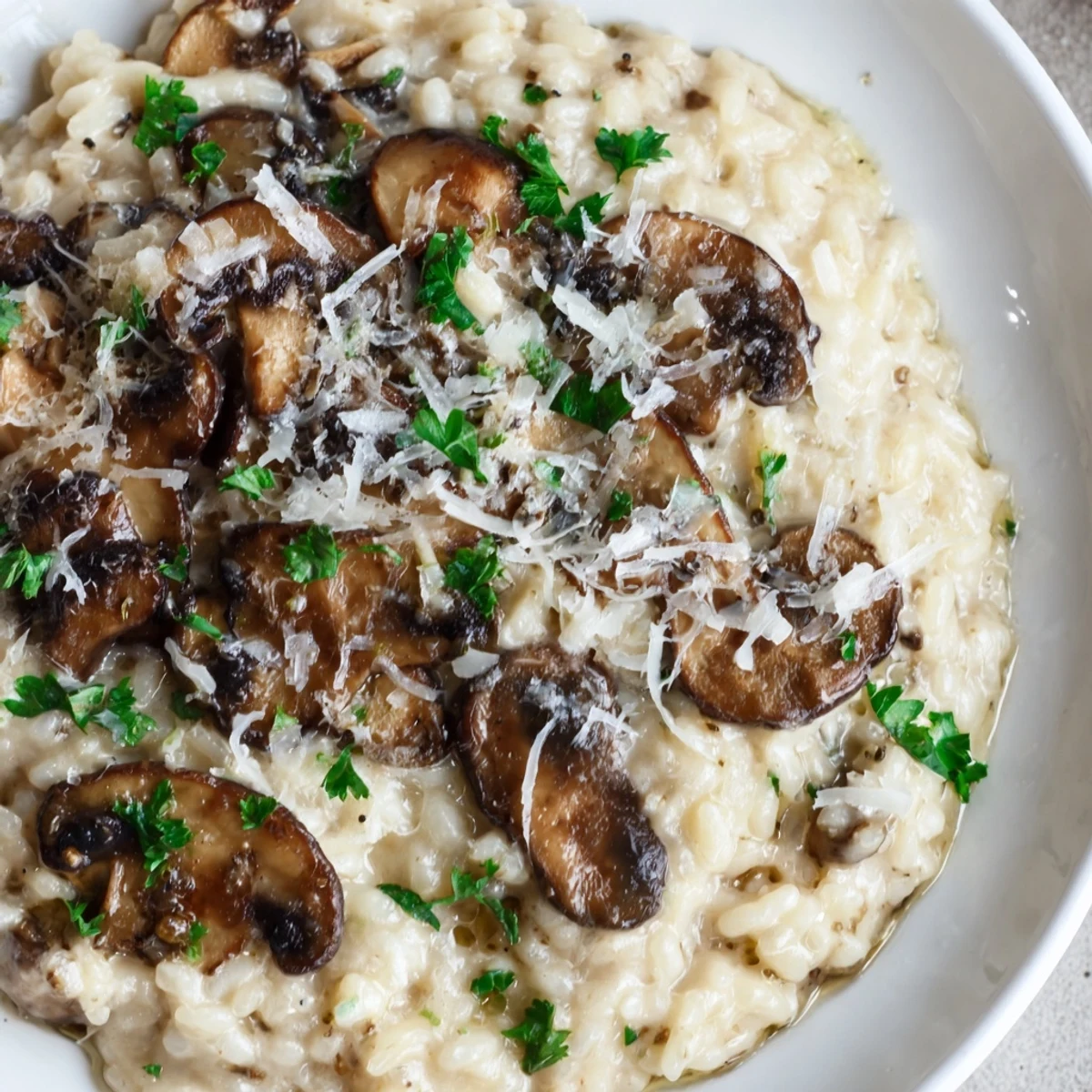
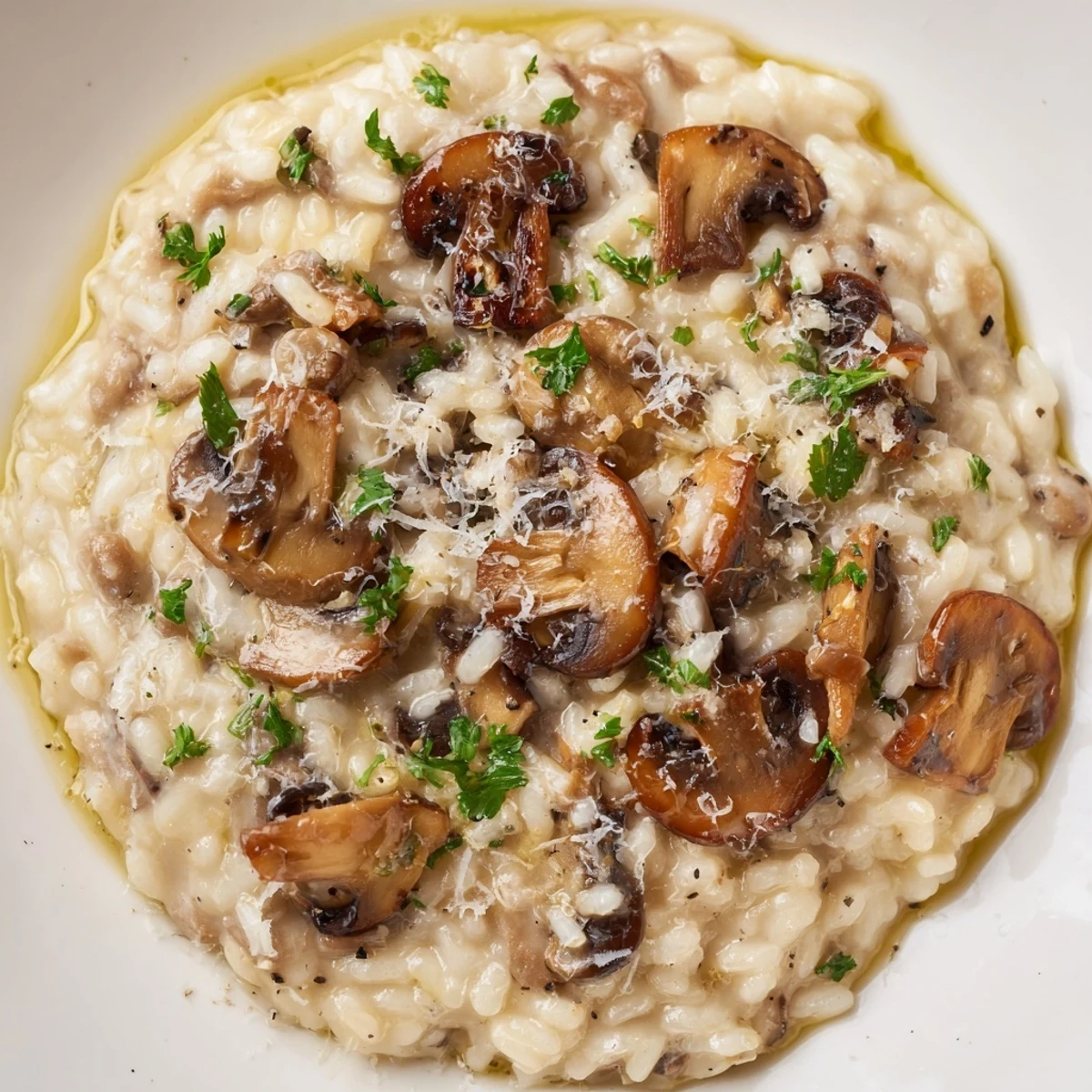
 This dish highlights the luxurious combination of tender mixed mushrooms and creamy, perfectly cooked Arborio rice. A slow addition of warm vegetable broth results in a silky texture complemented by butter, Parmesan, and cream. Finishing touches include a fragrant drizzle of truffle oil and fresh parsley, balancing earthy aromas with a hint of elegance. Ideal for those seeking a satisfying, gourmet Italian-style rice plate.
There's something about the sound of mushrooms hitting a hot pan that makes you feel like you're actually cooking something worthwhile. I discovered this risotto on a cold evening when I had a handful of cremini mushrooms and decided to stop pretending I'd make soup. What emerged was creamy, luxurious, and far easier than I'd expected—the kind of dish that makes you want to linger at the table with whoever you're sharing it with.
I made this for a friend who'd been going through a rough patch, and watching her face when she tasted that first creamy forkful was worth every minute of stirring. She didn't say much at first, just kept eating, and I realized that sometimes the best meals are the quiet ones where you're both just grateful to be sitting there together.
Ingredients
- 1½ cups Arborio rice: This is the whole foundation—Arborio's starches release gradually and create that signature creamy texture. Regular rice will give you gluey mush, so don't skip this detail.
- 5 cups vegetable broth, kept warm: Warm broth matters more than you'd think; adding cold liquid stalls the cooking and throws off the timing.
- 2 tablespoons unsalted butter and 1 tablespoon olive oil: The combo keeps the butter from burning while giving you that rich, golden base for your vegetables.
- 1 medium onion, finely chopped: This melts into the broth and becomes almost invisible, but it's the backbone of the whole thing.
- 3 cloves garlic, minced: Add it after the onion softens so it doesn't turn bitter—timing here is small but it matters.
- 400 g mixed mushrooms, sliced: Cremini, shiitake, and button mushrooms together give you complexity; if you find fresh porcini or oyster mushrooms, use them instead and feel fancy.
- 2 tablespoons unsalted butter for finishing: This final addition creates the creamy texture you're after—it's called mantecatura in Italian and it's non-negotiable.
- ½ cup freshly grated Parmesan cheese: Freshly grated melts smoothly; the pre-grated stuff has anti-caking agents that make everything grainy.
- ¼ cup heavy cream: This is your safety net if things get too stiff; it loosens everything up and adds richness.
- ½ cup dry white wine: Use something you'd actually drink—cheap cooking wine tastes cheap in the final dish.
- Salt and freshly ground black pepper: Taste constantly as you go; risotto needs seasoning at every stage.
- 2 tablespoons chopped fresh parsley: A handful at the end just lifts the whole thing and adds brightness.
- 2 teaspoons truffle oil: This is potent stuff—a little goes further than you think, and it's worth buying a decent bottle.
Instructions
- Build your base with butter, oil, and aromatics:
- Heat butter and olive oil in a large skillet over medium heat, then add your chopped onion and let it soften for 2-3 minutes until it's translucent and smells sweet. Add the garlic and cook just until fragrant, maybe 1 minute—you want it golden and soft, not brown and bitter.
- Develop the mushrooms:
- Toss in your sliced mushrooms and let them have space to cook for 6-8 minutes, stirring occasionally, until they've released their moisture and begun to brown. You're looking for that moment when they stop being wet and start getting some color—that's when the real flavor develops.
- Toast the rice:
- Stir in your Arborio rice and coat it thoroughly with the butter and oil, then let it toast for 1-2 minutes until the grains look opaque at the edges. You'll notice a subtle smell shift—that's the rice getting ready to absorb liquid.
- Deglaze with wine:
- Pour in the white wine and stir until it's mostly absorbed, maybe 2-3 minutes. This step might seem small, but it adds depth and cuts through the richness later.
- Add broth gradually and tend carefully:
- Add warm broth one ladleful at a time, stirring frequently and waiting until most of the liquid absorbs before adding more. This takes about 20-25 minutes total—don't rush it, and definitely don't walk away; the constant stirring is what creates the creaminess.
- Finish with butter, cheese, and cream:
- Once the rice is creamy and al dente (you should be able to bite a grain and feel just a hint of resistance in the center), lower the heat and stir in the remaining butter, Parmesan, and cream. Taste and adjust salt and pepper until it feels right.
- Plate and garnish with elegance:
- Transfer to bowls, drizzle with just a whisper of truffle oil, scatter parsley on top, and serve immediately. The whole thing collapses if you let it sit, so eat while it's warm and at its most luxurious.
 Save to Pinterest
 The first time I got risotto right, I understood why people talk about it like it's something to aspire to—it's not actually difficult, just deliberate. There's something grounding about standing over a pan, stirring, watching something transform from scattered grains into something cohesive and creamy.
Choosing Your Mushrooms
The mix of cremini, shiitake, and button mushrooms gives you three different textures and flavor notes—button mushrooms are mild and tender, cremini are earthier, and shiitake bring a deeper, almost meaty quality. If you're shopping and spot fresh porcini or oyster mushrooms, grab those instead or in addition; the more variety you have, the more interesting the final dish becomes. Don't use only one type unless that's all you can find—the combination is what makes this sing.
The Patience of Stirring
Risotto asks for constant attention, which sounds like a complaint but actually isn't—there's something almost meditative about it. The rhythm of adding broth, stirring, watching the rice slowly absorb the liquid and release its starch becomes almost hypnotic, and by the time you're done, you're completely in the moment. If you try to rush it or skip the stirring, you'll get rice that's either crunchy or gluey, but neither is what you're after.
Making It Your Own
This is where risotto becomes personal—once you understand the basic technique, you can swap mushrooms for roasted asparagus, saffron-soaked broth, butternut squash, peas, or whatever you have on hand. The structure stays the same, but the flavor shifts completely, and that's the beauty of it. Keep these tips in mind as you explore: use warm broth every time so the rice cooks evenly, taste constantly for seasoning since risotto can taste flat without enough salt, and never skip the final knob of butter and cheese—they're what make it actually creamy and luxurious.
- For vegan risotto, swap butter for plant-based butter, skip the Parmesan or use a vegan version, and use cashew cream instead of heavy cream.
- If you find yourself with leftover risotto, press it into a baking dish, chill it, cut it into squares, pan-fry until golden, and you've got risotto cakes.
- Pair this with a crisp white wine like Pinot Grigio or Sauvignon Blanc that won't overpower the delicate truffle notes.
 Save to Pinterest
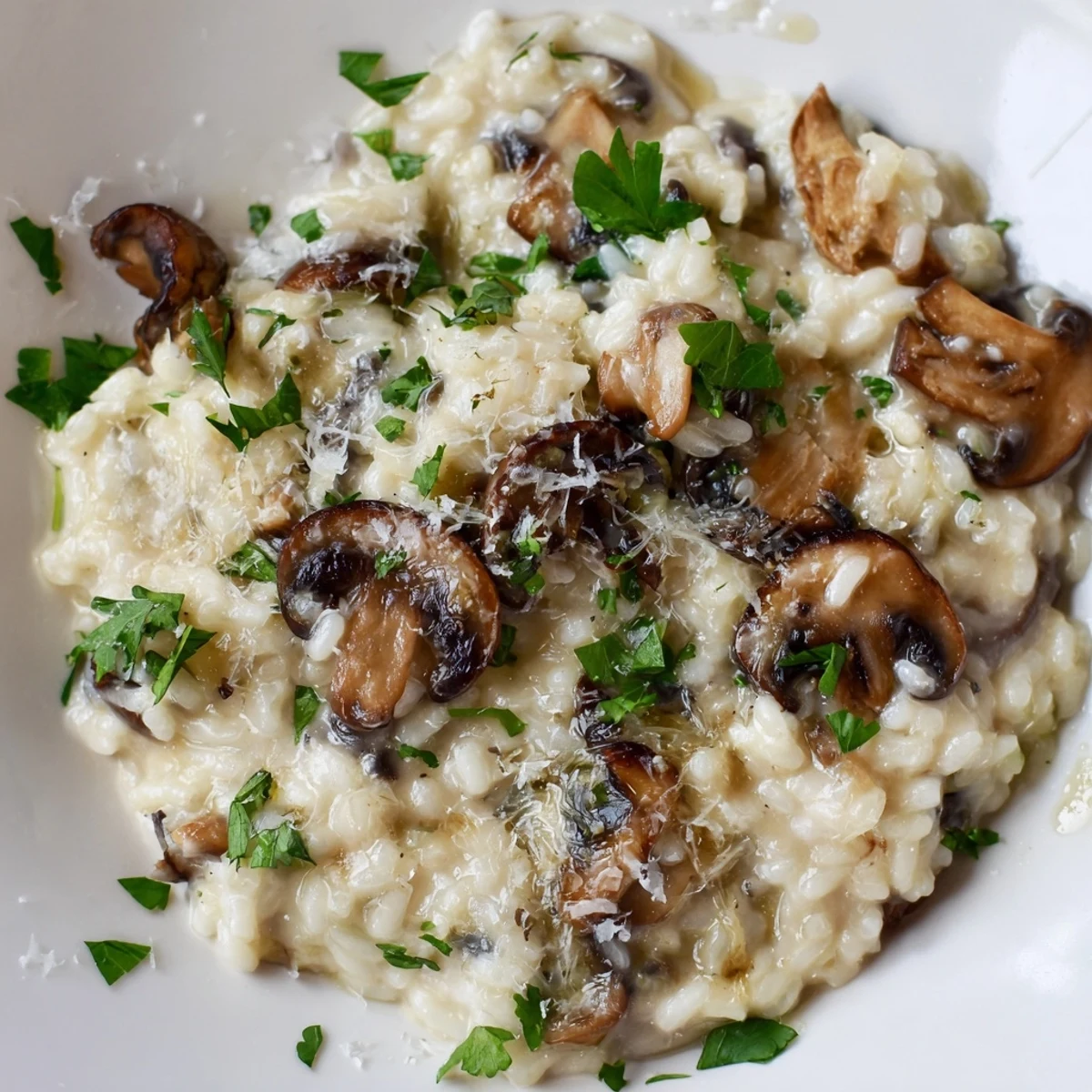
 Every time you make risotto, you're learning something about patience and attention—and that's as much about cooking as any technique is. This particular version, with its earthy mushrooms and just that touch of truffle, feels like something worth coming home to.