
 Save to Pinterest
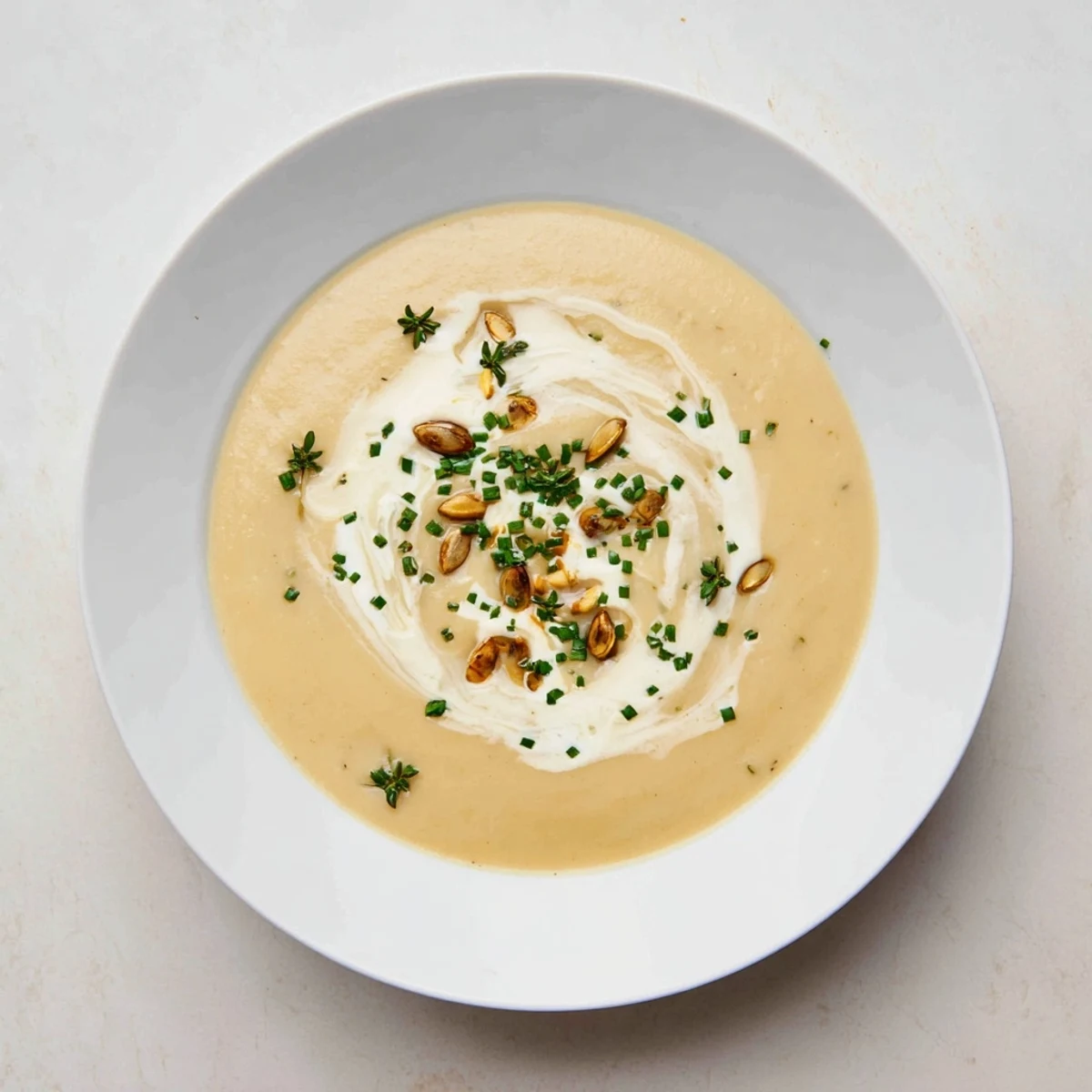
 This comforting soup combines the subtle earthiness of parsnips with the bright tartness of apples, creating a smooth and creamy texture balanced by a touch of cream. The cooking process involves gently sautéing aromatics like onion, celery, garlic, and thyme before simmering the main ingredients until tender. The final blend guarantees a rich, velvety finish, enhanced by optional garnishes like fresh herbs and toasted seeds, ideal for a cozy meal.
I discovered this soup on a crisp autumn afternoon when my grandmother pulled a bunch of parsnips from her garden, their pale roots still dusted with soil. She'd always made this dish when the seasons turned, and I remember standing beside her in the kitchen, watching how she coaxed out that deep, subtle sweetness by pairing the earthiness of parsnips with tart Granny Smith apples. That first spoonful changed how I thought about soup—it wasn't just comfort, it was a conversation between vegetables and fruit, finished with cream that made everything feel like a luxury.
I made this soup for my partner on the first cold evening of October, and there's something about watching someone's face light up as they taste it that stays with you. The cream swirls into that velvety puree, and suddenly the kitchen smells like autumn itself—warm, inviting, and unmistakably homemade.
Ingredients
- 500 g parsnips, peeled and chopped: Parsnips are the soul of this soup—they soften into velvet when cooked and bring a natural sweetness that deepens as they cook down. Don't skip peeling them; the skin can turn bitter. If your parsnips are particularly thick, halve them lengthwise first so they cook evenly.
- 1 medium onion, diced: This is your flavor foundation. The onion sweetens as it softens, creating a subtle base that lets the parsnips and apples shine. Don't rush this step—five minutes of proper sautéing makes all the difference.
- 1 celery stalk, diced: Celery adds gentle depth without announcing itself. It's the quiet contributor that makes people say, "I can't quite place what makes this taste so good."
- 2 medium apples (such as Granny Smith), peeled, cored, and chopped: Granny Smith apples are essential here—their tartness cuts through the richness and prevents the soup from becoming too heavy. Sweeter apples will make this cloying. Always taste one before cooking; a truly tart apple is your friend.
- 900 ml vegetable stock: Use good stock, not the thin, salty kind. It carries all the flavor in this dish. If you're making this vegetarian or vegan, ensure your stock is too. I prefer a light, unsalted stock so I can season to taste.
- 150 ml double cream: This is what transforms soup into something special. Pour it in at the end, just before serving, so it stays silky. For a vegan version, plant-based cream works beautifully, though add it more gradually—it can separate if overheated.
- 2 tbsp unsalted butter: Butter melts into the vegetables and carries their flavors. Use real butter here; it matters. If you're vegan, olive oil works, though you'll lose some of that richness that makes this recipe feel indulgent.
- 1 garlic clove, minced: Just one clove keeps it subtle. Too much garlic overpowers the delicate balance of this soup. Mince it fine so it disappears into the base.
- 1 tsp fresh thyme leaves: Fresh thyme is worlds better than dried, but if you only have dried, use half a teaspoon. Thyme echoes the earthiness of parsnips and adds a whisper of garden herbs.
- Salt and freshly ground black pepper, to taste: Season at the end, after blending. The flavors concentrate as the soup reduces, and you need to taste your way to the right balance.
Instructions
- Melt the butter and soften the foundation:
- Set your saucepan over medium heat and let the butter foam. Once it's melted and just beginning to smell nutty, add your diced onion and celery. Listen for that gentle sizzle. Stir occasionally and let them soften for a full five minutes. This isn't rushing; this is patience, and it builds everything that comes next. You'll know they're ready when the onion turns translucent and the edges begin to turn golden.
- Wake up the aromatics:
- Add your minced garlic and fresh thyme to the softened vegetables. The kitchen will suddenly smell alive. Let this cook for just one minute, stirring constantly, until the smell becomes almost sharp. This is the moment when raw garlic transforms into something sweet and mellow.
- Add the star vegetables and fruit:
- Stir in your chopped parsnips and apples. Let them cook for two minutes, stirring gently, so they're coated in the buttery base and beginning to release their individual fragrances. You're not cooking them yet; you're introducing them to each other.
- Simmer until everything surrenders:
- Pour in your vegetable stock and bring it to a boil. You'll see the surface ripple and steam rise. Let it boil for just a moment, then reduce the heat to a gentle simmer. Set a timer for twenty to twenty-five minutes. The parsnips should be so tender that a fork slides through without resistance. The apples will have nearly disappeared, their tartness softened into the broth.
- Blend into velvet:
- This is the transformation. Remove the pot from heat and let it cool for just a minute. Using an immersion blender, work through the soup in slow, deliberate motions. Listen to it change—the sound shifts as the texture goes from chunky to silky. If you prefer an absolutely smooth soup, blend longer. If you like it with texture, stop earlier. There's no wrong choice here, only preference. If using a countertop blender, work in batches and never fill it more than halfway. Let the steam escape.
- Finish with cream and seasoning:
- Pour in your cream slowly, stirring as you go. Watch how it swirls into the soup, creating patterns for just a moment before blending in completely. Taste a small spoonful. Now season with salt and pepper, a pinch at a time. Stir, taste, adjust. This is where the soup becomes yours. If needed, gently reheat over low heat, stirring often so the cream doesn't catch at the bottom.
- Garnish and serve:
- Ladle the soup into warm bowls. Top with a scatter of fresh chives or parsley, and if you have them, toasted pumpkin seeds add a subtle crunch and nuttiness that echoes the parsnips. Serve immediately while the soup is still steaming.
 Save to Pinterest
 Years later, my grandmother passed that garden plot on to me, and I've grown parsnips in her soil. Every autumn when I make this soup, I think of her hands guiding mine, teaching me that the best recipes aren't just about ingredients—they're about the moments we choose to make them, and who we're feeding.
Perfect Pairings
This soup is at its best when served alongside something with texture and substance. A slice of crusty bread, toasted and maybe spread with good butter, turns this into a complete meal. The bread catches the last spoonful of soup and gives you something to hold onto. A crisp white wine, something like a Sauvignon Blanc or even a light Pinot Grigio, bridges the gap between the earthiness of the parsnips and the tartness of the apples. The wine's acidity echoes the apples, and its chill balances the soup's warmth perfectly.
Storing and Reheating
This soup keeps beautifully in the refrigerator for up to four days in an airtight container. When you're ready to eat it again, reheat gently over low heat, stirring frequently. Never let it boil, or the cream can separate. If you want to freeze it, leave out the cream. Freeze the blended soup in portions, and stir in fresh cream when you reheat it. The soup thaws in the refrigerator overnight, then reheats as if freshly made.
Variations That Work
Once you understand this recipe, you can play with it. Some days I add a small pinch of nutmeg right at the end, just enough that no one can identify it but everyone feels it warming their throat. On other occasions, a splash of apple cider vinegar in the final minute sharpens the soup and makes it taste almost bright. For a vegan version, substitute olive oil for butter and use a plant-based cream; the soup still works beautifully, though it loses some of that luxurious weight. A few roasted sage leaves stirred in at the end bring an earthy, almost peppery note that some find irresistible.
- Try a tiny pinch of nutmeg or a splash of apple cider vinegar for surprising depth.
- Roasted sage leaves stirred in at the end add an earthy complexity.
- For extra richness, swirl a teaspoon of truffle oil into each bowl just before serving.
 Save to Pinterest
 This soup reminds me that the best meals are the ones we make with intention, the ones we serve to people we care about. It's humble enough for a quiet Tuesday night and elegant enough for guests.
Recipes Q&A
- → Can I make this dish vegan?
-
Yes, substitute butter with olive oil and use plant-based cream to keep it vegan without losing richness.
- → What type of apples work best in this soup?
-
Granny Smith apples provide the perfect balance of tartness that complements the earthiness of parsnips.
- → How can I thicken the texture if needed?
-
Ensure to blend the mixture thoroughly; adding a small pinch of nutmeg or simmering a bit longer can enhance body.
- → Is it possible to prepare ahead of time?
-
Yes, the soup can be made in advance and gently reheated while stirring to maintain smoothness and flavor.
- → What garnishes work well with this dish?
-
Chopped fresh chives, parsley, or toasted pumpkin seeds add texture and freshness as finishing touches.