
 Save to Pinterest
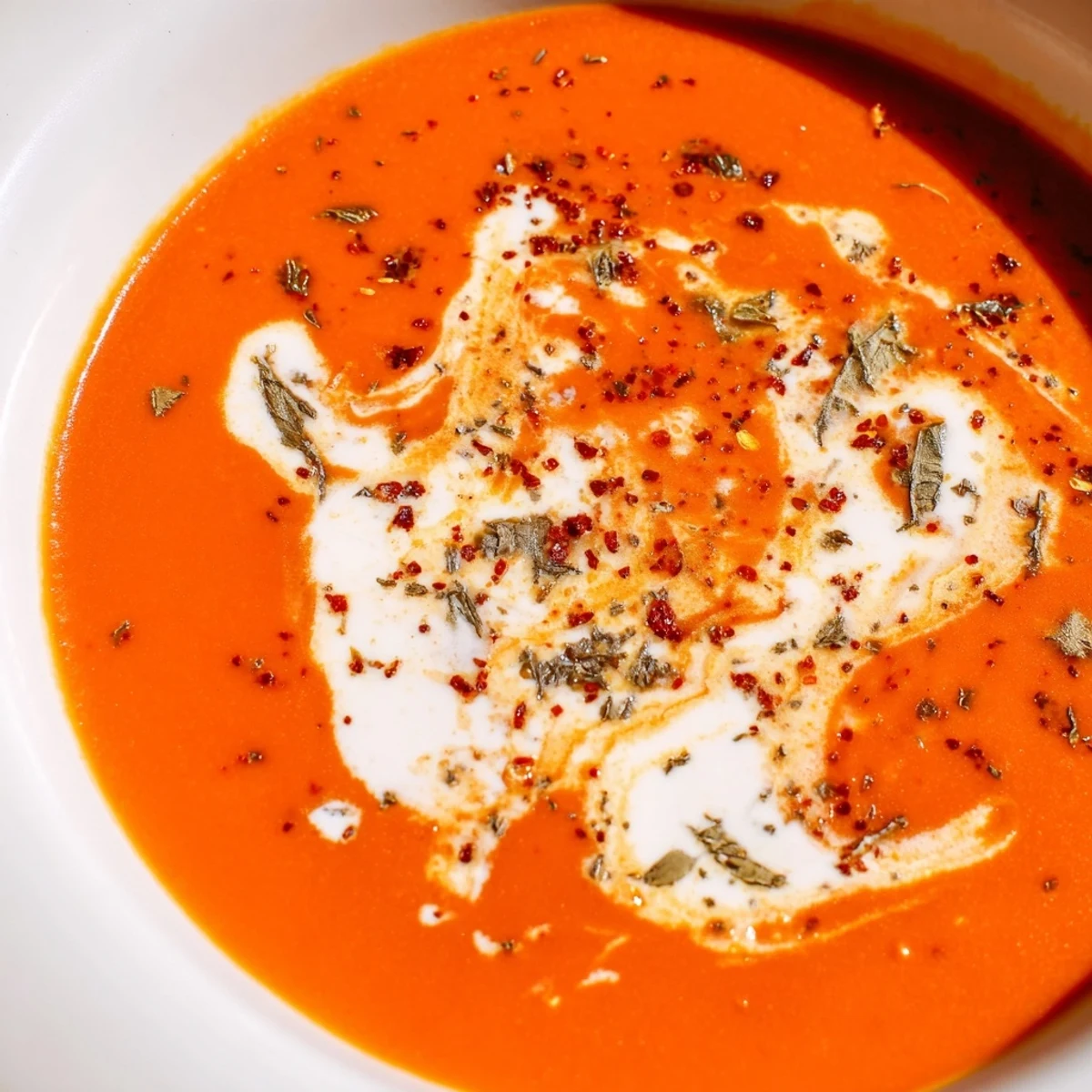
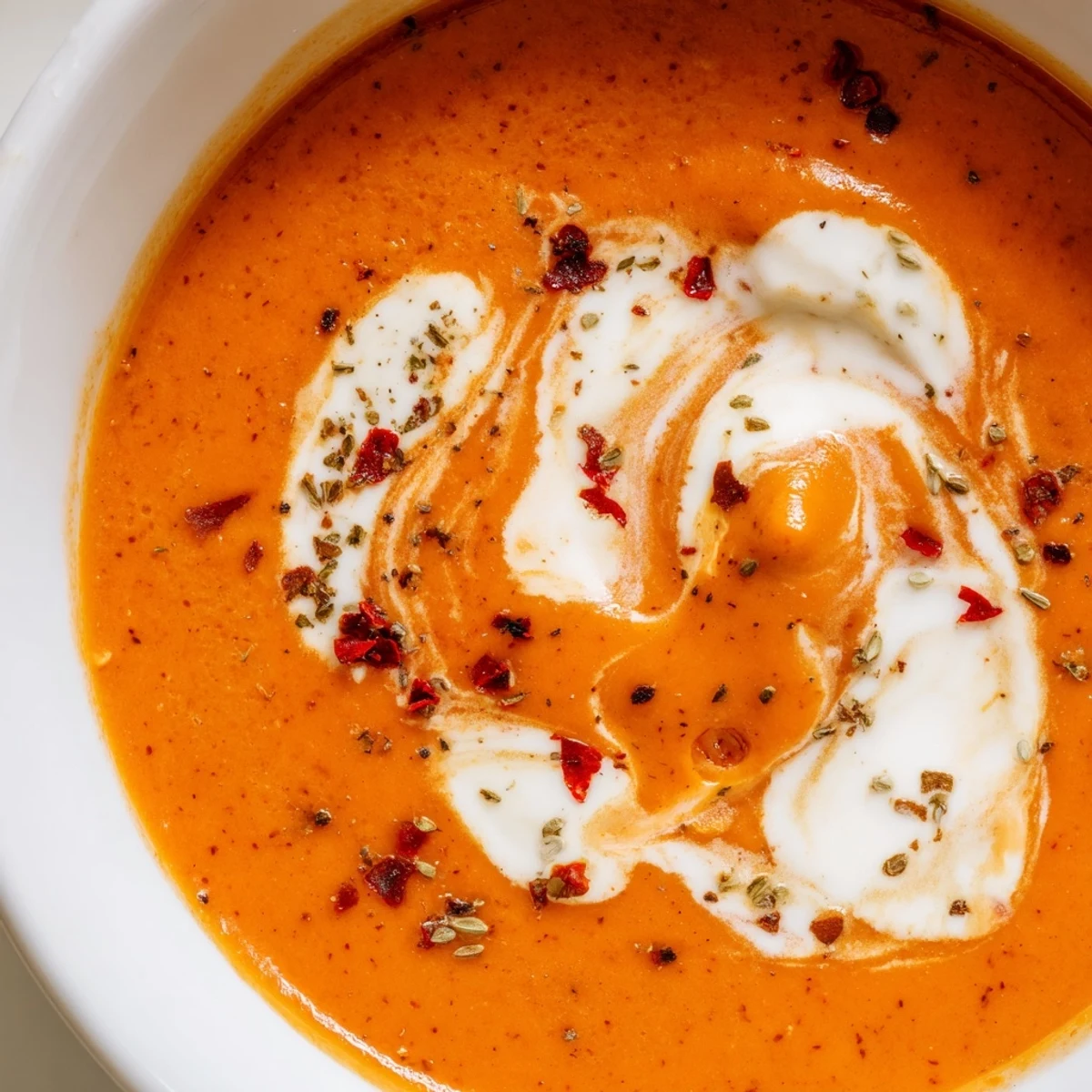
 This comforting dish features roasted red bell peppers and ripe tomatoes, slowly cooked with fragrant basil and thyme. The softened vegetables are blended until smooth and enriched with cream for a luscious texture. Mild spices and garlic enhance the flavor, making it a satisfying, creamy bowl perfect for a cozy meal. Suitable for vegetarian and gluten-free diets, it’s quick to prepare and gently simmered to blend aromas beautifully.
The first time I made this soup, I was standing in front of my open oven watching the red peppers blister and blacken, and the smell that poured out was so intoxicating I had to step back. My kitchen filled with this deep, caramelized sweetness mixed with something charred and alive, and I knew right then that roasting instead of boiling would change everything. That moment of discovering how heat transforms simple vegetables into something luxurious has stayed with me ever since.
I made this for my sister on a gray November afternoon when she was going through something difficult, and she sat at my kitchen counter with her hands wrapped around the mug, just breathing in the steam. She didn't say much, but something about the warmth and the smooth, velvety texture seemed to settle her in a way words couldn't. Now whenever she visits, this is the first thing she asks me to make.
Ingredients
- Red bell peppers (2 large): The stars of this show—roasting brings out their hidden sweetness and gives the soup that gorgeous coral color that makes people actually want to eat it.
- Ripe tomatoes (6 medium): You want tomatoes that smell like tomatoes, not the pale imposters from winter; if you can only find mediocre ones, use high-quality canned instead.
- Yellow onion (1 medium, chopped): This provides a gentle base note that keeps everything from feeling one-dimensional.
- Garlic (3 cloves, peeled): Roasting softens the garlic into something sweet and subtle rather than harsh.
- Olive oil (2 tbsp): Use one tablespoon for roasting and save the second for building flavor in the pot—it makes a real difference.
- Vegetable broth (3 cups): This is your volume control; use less for a thicker soup or more if you prefer something you can sip.
- Heavy cream (1/2 cup): A splash of luxury that makes the texture silky without drowning the pepper flavor; coconut cream works beautifully if you're vegan.
- Dried basil (1 tsp): Dried herbs actually work better here than fresh because they infuse throughout the cooking, creating deeper flavor.
- Dried thyme (1/2 tsp): A whisper of earthiness that connects all the flavors.
- Red pepper flakes (1/4 tsp, optional): Just enough heat to make people wonder what the secret ingredient is.
- Salt and black pepper: Taste as you go—seasoning at the end is the difference between good soup and soup that makes someone close their eyes.
Instructions
- Fire up your oven and arrange your vegetables:
- Preheat to 425°F. Cut your peppers in half lengthwise, scoop out the seeds and stems, and halve your tomatoes. Lay everything cut-side appropriate on a baking sheet (peppers cut-side down so they can really char, tomatoes cut-side up so they concentrate). Drizzle with one tablespoon of olive oil and scatter a pinch of salt and pepper across everything.
- Let the heat do its magic:
- Roast for 25 to 30 minutes until the pepper skins are blistered and blackened and everything smells impossibly good. You're looking for some serious color here—that's where the flavor lives. Let it cool just enough to handle, then peel away the papery, charred skin from the peppers and discard it.
- Build the foundation:
- Warm your remaining tablespoon of olive oil in a large pot over medium heat, then add your roasted vegetables, basil, thyme, and red pepper flakes if using. Stir everything together for about two minutes so the herbs wake up and your vegetables start releasing their flavors. You'll notice the aroma shift as they warm.
- Simmer and soften:
- Pour in your vegetable broth, bring everything to a gentle simmer, and let it bubble away for ten minutes. This time allows the flavors to marry and the vegetables to soften even more.
- Blend into velvet:
- This is where the magic happens—use an immersion blender to puree the soup right in the pot, or carefully transfer it in batches to a regular blender. Blend until completely smooth and creamy, scraping down the sides as needed.
- The final flourish:
- Stir in your cream, let it warm through for a minute, then taste. Season with more salt and pepper until it tastes like the best version of itself—this is the moment that separates okay soup from the kind people remember.
 Save to Pinterest
 There's something about feeding people a bowl of this soup that makes the kitchen feel like the heart of everything. It's the kind of dish that transforms an ordinary evening into something that feels a little bit special, a little bit intentional.
Why Roasting Changes Everything
Roasting vegetables concentrates their natural sugars and creates deep, complex flavors that boiling can never achieve. When you let heat work on the peppers and tomatoes, their sweetness intensifies while the edges char and caramelize, creating a soup that tastes like autumn distilled into a bowl. This is why restaurants taste different from home cooking—they understand that a little fire transforms ordinary ingredients into something craveable.
How to Adapt This Soup to What You Have
The beauty of roasted red pepper and tomato soup is its flexibility. If your tomatoes aren't perfect, canned San Marzanos are genuinely better than mediocre fresh ones. You can swap the heavy cream for coconut milk, sour cream, or even a swirl of good Greek yogurt stirred in at the end. Some days I add a splash of balsamic vinegar for extra depth, other times I finish with crispy sage leaves and a drizzle of good olive oil.
Serving and Storage
Serve this soup hot in bowls with crusty bread for soaking, a grilled cheese sandwich on the side, or even drizzled with a really good olive oil and a handful of fresh basil if you're feeling fancy. This soup keeps beautifully in the refrigerator for three days and actually tastes better the next day when the flavors have settled together. You can also freeze it for up to three months, though the cream separates slightly when thawed—just stir it back together over low heat.
- A swirl of pesto stirred in at the end adds brightness and sophistication.
- Leftover soup makes an excellent sauce for roasted chicken or drizzle for grilled vegetables.
- Make a double batch when you have the oven hot; roasted vegetables freeze beautifully and you'll have soup ready whenever you need comfort.
 Save to Pinterest
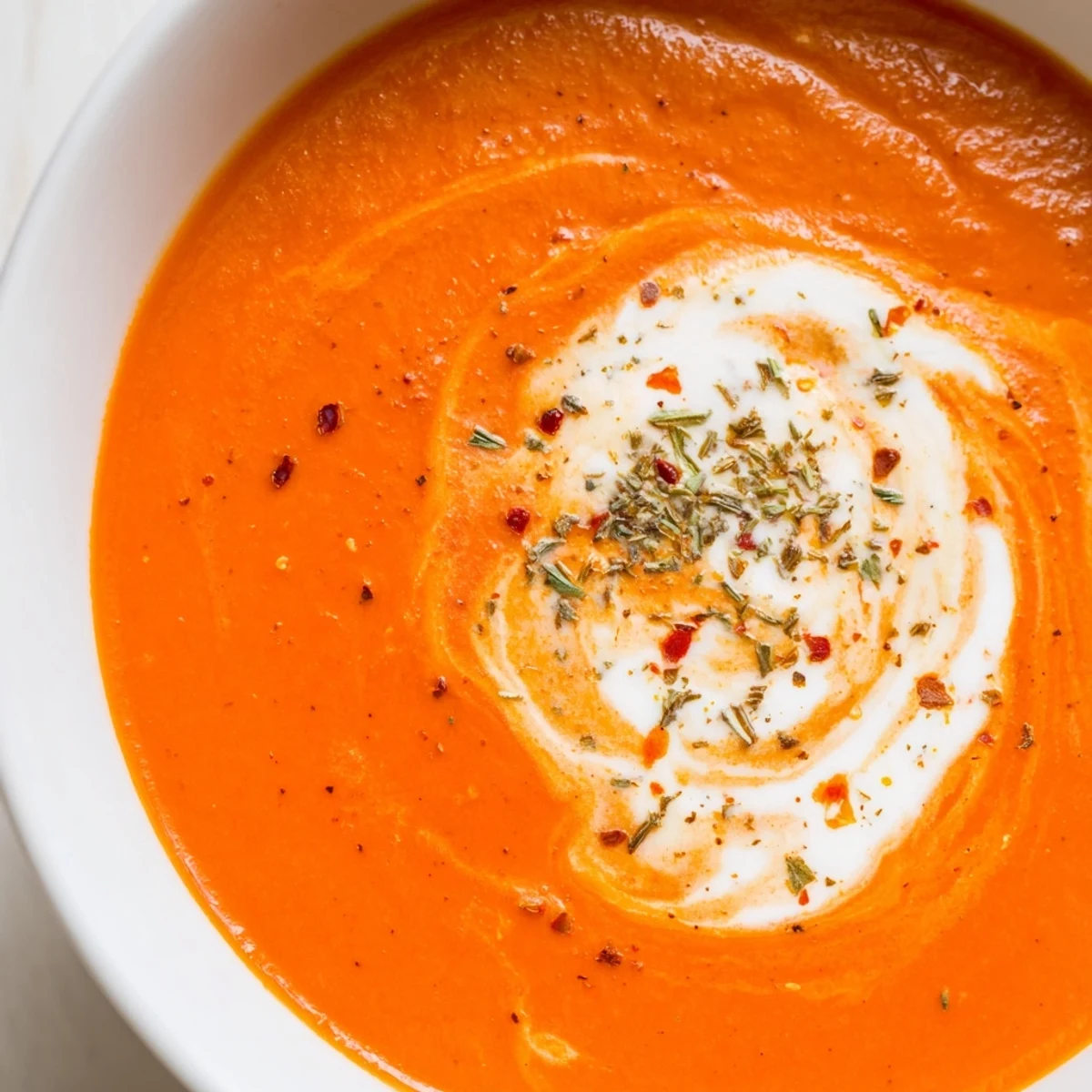
 This is the soup I make when someone needs to know they're loved, when the world feels too sharp, or when the season is turning cold. It's simple enough to make on a Wednesday but feels like you've done something meaningful.
Recipes Q&A
- → What type of peppers are used?
-
Large red bell peppers are roasted to bring out a sweet, smoky flavor.
- → Can I make this dish vegan?
-
Yes, substituting heavy cream with coconut or plant-based cream keeps it creamy and vegan-friendly.
- → How long should the vegetables be roasted?
-
Roast the peppers, tomatoes, onions, and garlic for 25–30 minutes until tender and slightly charred.
- → Which herbs complement this blend?
-
Dried basil and thyme add fragrant, earthy notes that enhance the natural sweetness of the vegetables.
- → Is this suitable for gluten-free diets?
-
Yes, using certified gluten-free vegetable broth ensures it is gluten-free.
- → Can this dish be served cold or hot?
-
It is best served hot to enjoy the full depth of roasted flavors and creamy texture.