
 Save to Pinterest
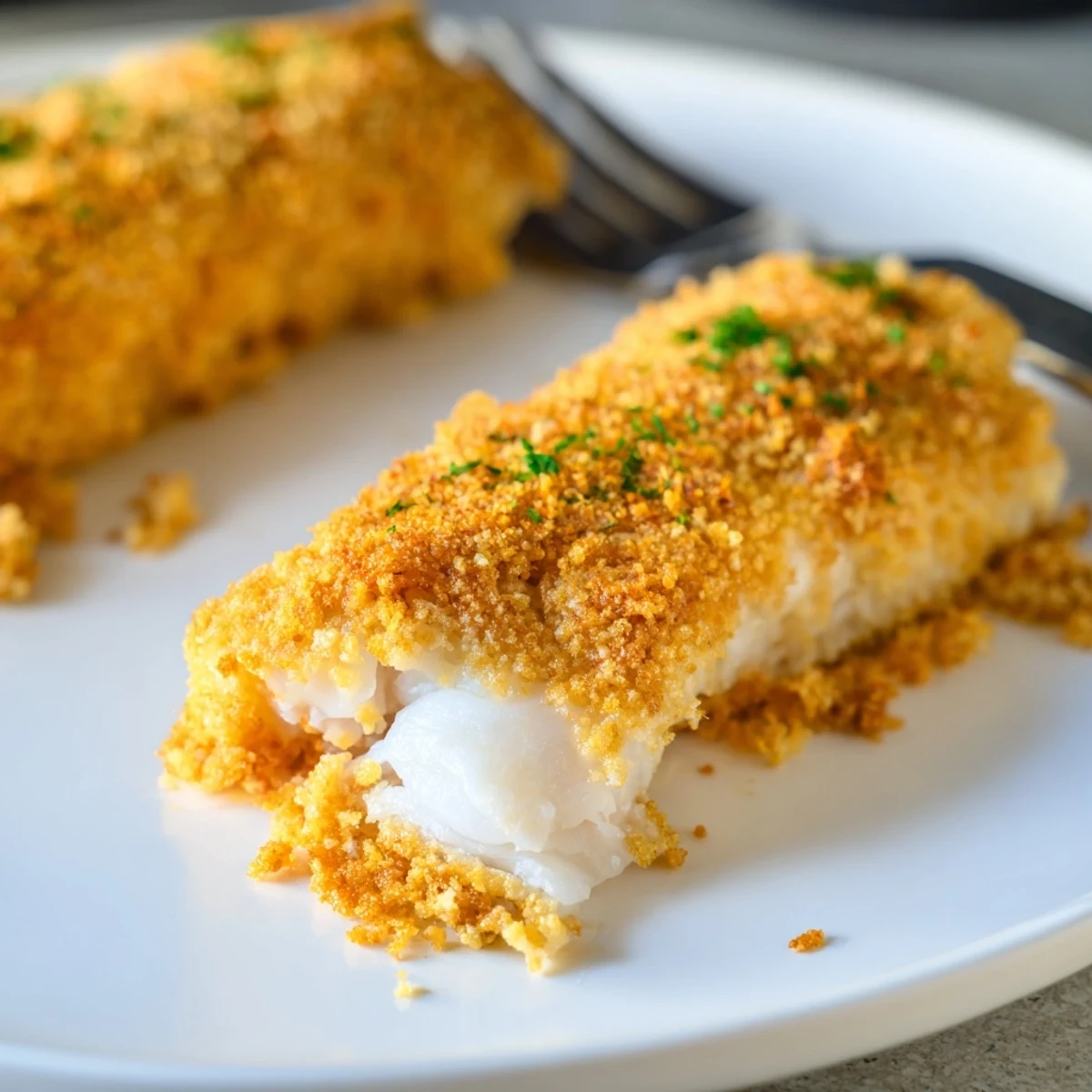
 This dish features skinless, boneless cod fillets coated in seasoned flour, egg wash, and panko breadcrumbs. Fried until golden, the fillets offer a crispy exterior while maintaining a juicy, flaky interior. Perfectly seasoned with sea salt, pepper, and optional paprika, they pair beautifully with lemon wedges and fresh parsley. Ideal for a quick and easy main, these crumbed cod fillets bring classic British flavors and comforting textures to your plate in just 30 minutes.
My dad used to fry cod in a cast-iron skillet on Friday nights, and the sound of that sizzle was basically permission to abandon homework. The kitchen would fill with this golden, salty steam, and somehow that simple crumbed fish felt like celebration. Years later, I realized it wasn't complicated technique that made it memorable—it was that perfect contrast between the crispy, shattering crust and the tender flake inside, the way it made ordinary dinner feel like something special.
I made this for my partner on a rainy autumn evening, nothing fancy planned, just the two of us and a skillet. They took one bite and their eyes did that thing—you know, when someone realizes they've been served restaurant-quality food in a home kitchen. That's when I understood that mastering one simple dish well is sometimes more powerful than knowing twenty complicated ones.
Ingredients
- Cod fillets (150 g each, skinless and boneless): Choose fillets that look bright and feel firm; they should have no fishy smell. I learned the hard way that thinner fillets cook faster, so try to get uniform thickness across all four.
- All-purpose flour: This is your grip layer, holding everything together and creating the first barrier between the egg and the crumb.
- Eggs: Room temperature eggs create a smoother coating that breadcrumbs cling to—cold eggs are reluctant and create thin spots.
- Panko breadcrumbs: They're coarser and stay crispier longer than regular crumbs; that's non-negotiable here.
- Sea salt and black pepper: Season the fish itself before breading, not just the crumb mixture—this builds real flavor.
- Paprika (optional): A small touch adds warmth and a hint of color without changing the fundamental character of the dish.
- Vegetable oil: Use neutral oil that can handle medium-high heat without smoking; you need about 60 ml for a proper shallow fry.
- Lemon wedges and parsley: Serve these on the side—acidity cuts through richness and fresh herbs remind you this is still a vegetable-friendly dinner.
Instructions
- Prepare your station:
- Line up three shallow dishes in assembly-line order—flour, beaten egg, seasoned crumbs. Having everything ready before you touch the fish is the difference between calm cooking and chaos.
- Dry the cod thoroughly:
- Pat each fillet with paper towels until it looks and feels completely dry. Moisture is the enemy of crispness; this single step changes everything.
- Dredge in flour:
- Coat the fillet lightly on both sides, then shake off the excess so it's barely visible. You want a thin layer, not a flour paste.
- Dip in egg:
- Roll the flour-coated fillet in beaten egg until it glistens all over. This is your glue.
- Coat with breadcrumbs:
- Press the fillet gently but firmly into the crumb mixture, patting so the crumbs adhere evenly. Let it sit on a plate for a minute—the coating sets slightly and holds better in hot oil.
- Heat your oil:
- Pour oil into a large nonstick skillet and bring it to medium-high heat. It's ready when a breadcrumb dropped in sizzles immediately and floats to the surface.
- Fry until golden:
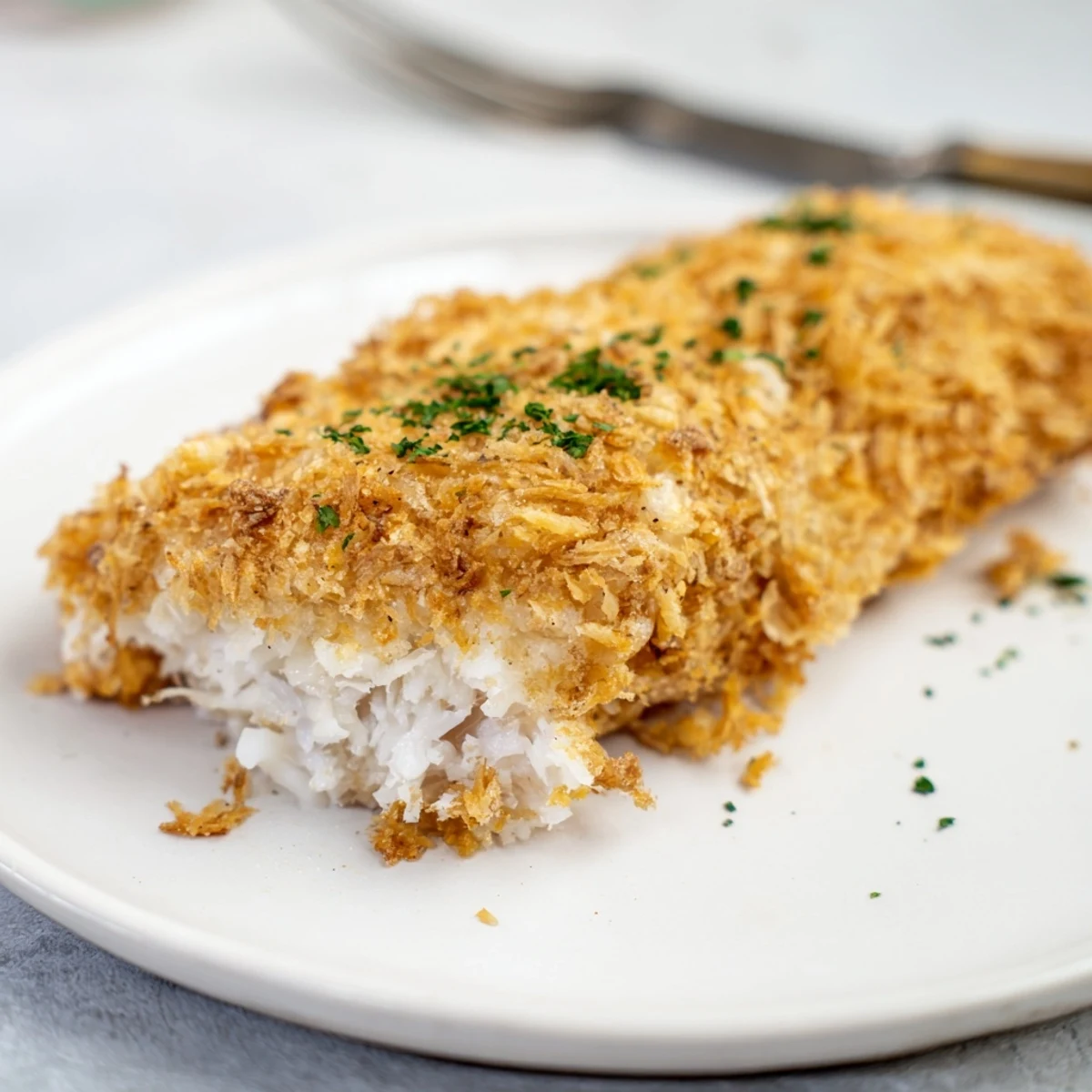
- Carefully lay each fillet away from you to avoid oil splatter, then fry for 3–4 minutes per side. You're aiming for deep golden brown, not pale—that's how you know the crust is crispy.
- Check for doneness:
- The fish should flake easily when tested with a fork and reach an internal temperature of 63°C (145°F). When you cut into it, there should be no translucent center.
- Drain on paper towels:
- Transfer each fillet to a plate lined with paper towels as soon as it comes out of the pan. This absorbs excess oil and keeps the crust from getting soggy.
 Save to Pinterest
 There was this moment at a family gathering where I served this to people who usually went out for fish and chips, and someone said, 'I didn't know you could make this at home.' That question felt like permission to keep cooking it, to keep getting better at something so deceptively simple.
The Magic of the Three-Step Breading
The flour-egg-crumb sequence isn't just tradition—it's physics. Flour absorbs surface moisture and gives the egg something to grip. Egg seals in the moisture from the fish and binds the breadcrumbs like edible glue. Breadcrumbs toast in hot oil and create that shatter. Skip a step and you lose the structure. Rush any of it and you lose the magic. I've made every mistake here, and every mistake teaches the same lesson: each layer earns its place.
Oil Temperature and Pan Control
After the fish hits the oil, resist the urge to move it around. Let it sit undisturbed for the first couple of minutes—that's when the crust is forming. The moment you start fussing and flipping early is the moment you break that delicate crust. Medium-high heat is the sweet spot; too high and the outside burns before the inside cooks, too low and you're just making oily sponge. The gentle sizzle should be constant but not aggressive, like rain on a window, not hail.
Serving and Beyond
Serve this immediately while the crust still crackles—five minutes on the plate and it starts to surrender. A squeeze of fresh lemon lifts the whole thing, cutting through the richness and reminding your palate that fish is still technically a light dinner. Homemade tartar sauce is wonderful if you have time, but honestly, a crispy fillet and lemon wedges is complete.
- Make extra crumbed fillets and freeze them raw on a baking sheet before bagging—they fry beautifully straight from frozen with just 30 seconds extra per side.
- For a lower-oil option, you can bake these at 200°C (400°F) for 12–14 minutes and they'll be reasonably crispy, though not quite as shatter-worthy.
- Panko really is worth seeking out; if you only have regular breadcrumbs, dry them gently in a low oven first to improve texture.
 Save to Pinterest
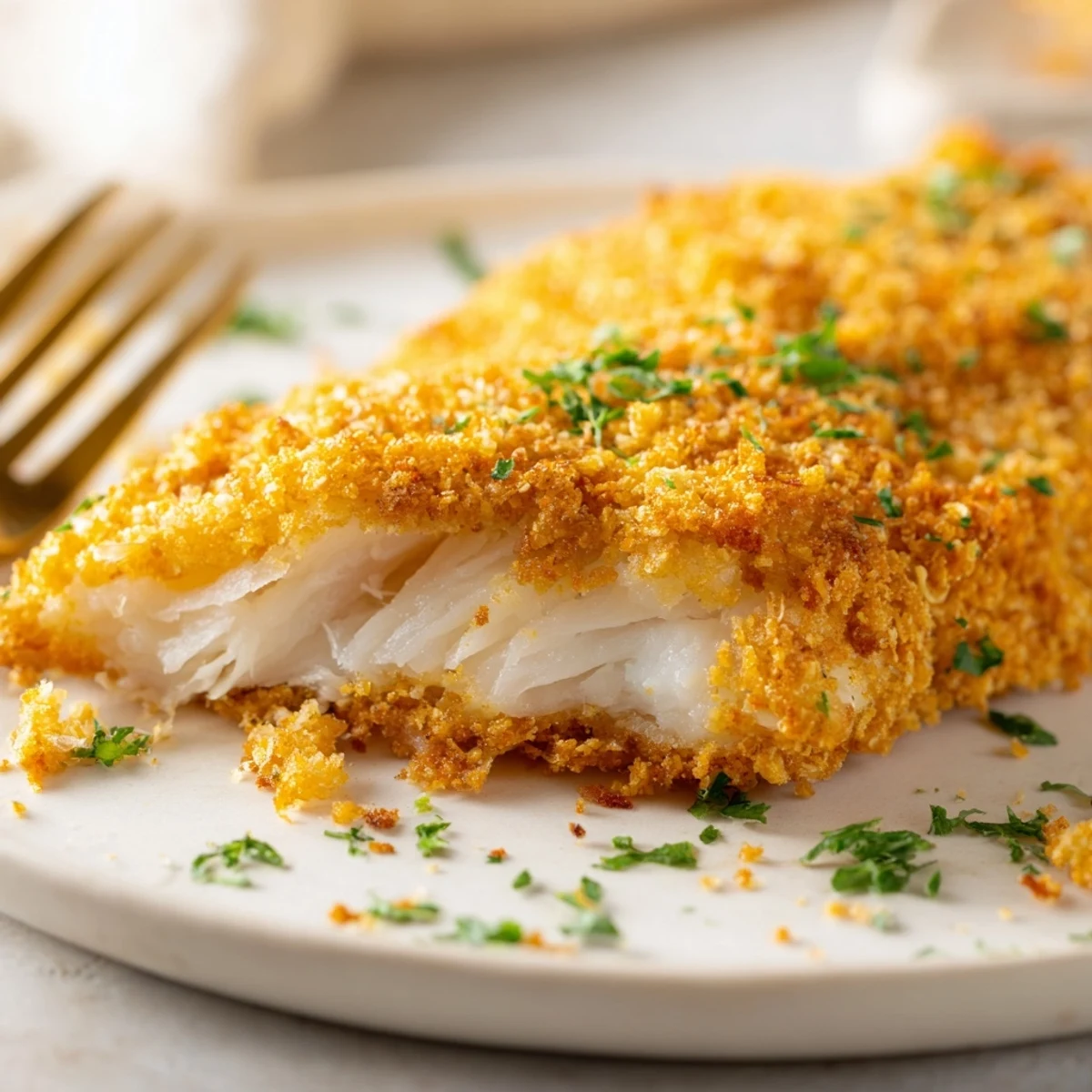
 This dish is a reminder that comfort food doesn't need to be complicated, just made with attention. Every time you nail that golden crust and flake, you're doing something that humans have done for centuries.
Recipes Q&A
- → What type of cod is best for crumbed fillets?
-
Choose skinless, boneless cod fillets around 150 grams each for even cooking and easy breading.
- → How can I ensure a crispy coating?
-
Pat the fillets dry before coating and press the breadcrumbs firmly onto the egg layer to help them adhere well.
- → What oil is recommended for frying?
-
Vegetable oil is ideal for frying due to its neutral flavor and high smoke point.
- → Can I add extra flavor to the breadcrumbs?
-
Yes, finely grated Parmesan or smoked paprika can be mixed with the panko for added depth.
- → How do I know when the cod is cooked through?
-
Cook until the fillets are golden on both sides and flaky inside; an internal temperature of 63°C (145°F) ensures doneness.