
 Save to Pinterest
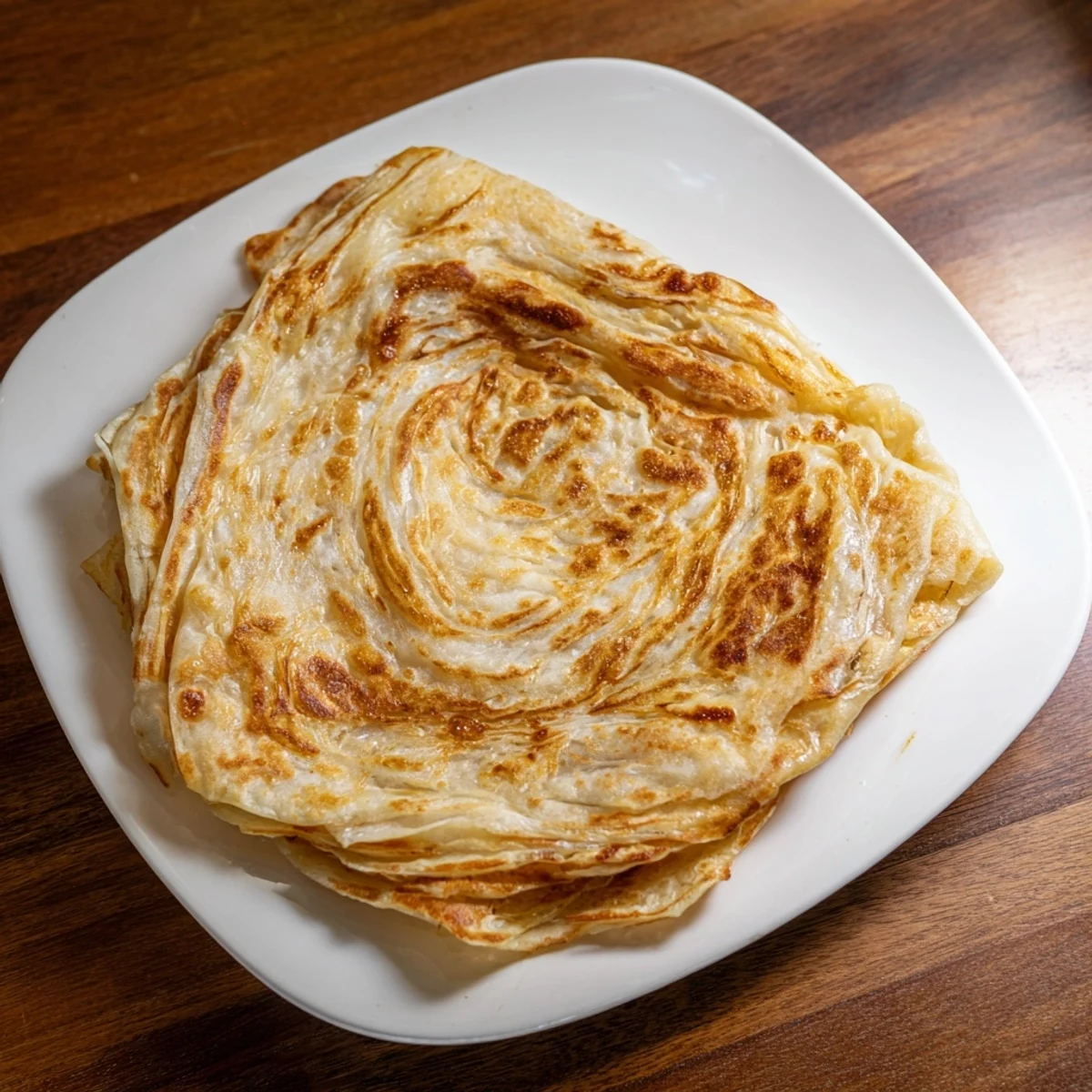
 Create authentic Malaysian flaky roti canai featuring signature crispy layers and tender chewy interior through traditional folding techniques. This beloved flatbread requires a simple dough of flour, condensed milk, and ghee, resting for two hours to develop elasticity before stretching into translucent sheets.
The unique preparation involves gently pulling dough until almost translucent, folding into rectangles, rolling Swiss-style, and coiling into spirals that create distinct flaky layers during cooking. Each roti cooks on a griddle until golden brown, then gets clapped between hands to puff and separate the layers for maximum texture.
Rich ghee adds authentic flavor while the condensed milk provides subtle sweetness and tenderizing properties. The result is a versatile bread perfect for dipping in dhal, pairing with chicken curry, or sprinkling with sugar for a simple dessert.
The first time I watched a street vendor in Kuala Lumpur spin roti canai dough, I stood there for twenty minutes, completely mesmerized. He would flip and stretch that elastic circle of dough until it became nearly translucent, then fold it into layers that cooked up impossibly light and flaky. After dozens of torn attempts in my own kitchen, I finally learned that the secret isn't technique—it's patience.
My roommate in college taught me her grandmothers method during a rainy weekend when we were both homesick for Malaysian comfort food. We made such a mess of flour on the kitchen floor, but those first golden rotis, hot from the pan and dripping with ghee, tasted exactly like home. Now whenever I smell butter hitting a hot skillet, I'm back in that tiny apartment, laughing over our misshapen but delicious attempts.
Ingredients
- All-purpose flour: Creates the perfect structure for those signature layers we're after
- Salt and sugar: Balance each other so the roti tastes perfectly seasoned, not bland
- Condensed milk: Adds subtle sweetness and helps achieve that gorgeous golden color
- Melted ghee: The traditional fat that makes each layer separate beautifully during cooking
- Warm water: Brings everything together into a pliable, workable dough
Instructions
- Make the dough:
- Combine flour, salt, and sugar in a large bowl before stirring in melted ghee and condensed milk. Gradually pour in warm water while mixing until you have a soft, slightly sticky dough that feels alive in your hands.
- Knead it smooth:
- Work the dough for 8 to 10 minutes until it becomes smooth and elastic, bouncing back when you press it gently.
- Portion and rest:
- Divide into 6 equal balls and coat each lightly with ghee or oil. Place on a greased tray, cover with plastic wrap, and let rest at room temperature for at least 2 hours.
- Stretch thin:
- Grease your work surface and hands generously with oil. Flatten one dough ball with your palms, then gently stretch and pull until it forms a thin, almost translucent sheet about 18 inches wide.
- Create layers:
- Fold the sides inward to form a long rectangle, then roll it up like a Swiss roll. Coil into a spiral and tuck the end underneath.
- Cook to golden:
- Heat a non-stick skillet over medium heat and brush lightly with ghee. Flatten one spiral portion into a 6 to 7 inch round and cook for 2 to 3 minutes per side until golden and crispy.
- The final secret:
- Gently clap the roti between your hands immediately after cooking to fluff up those beautiful layers you created.
 Save to Pinterest
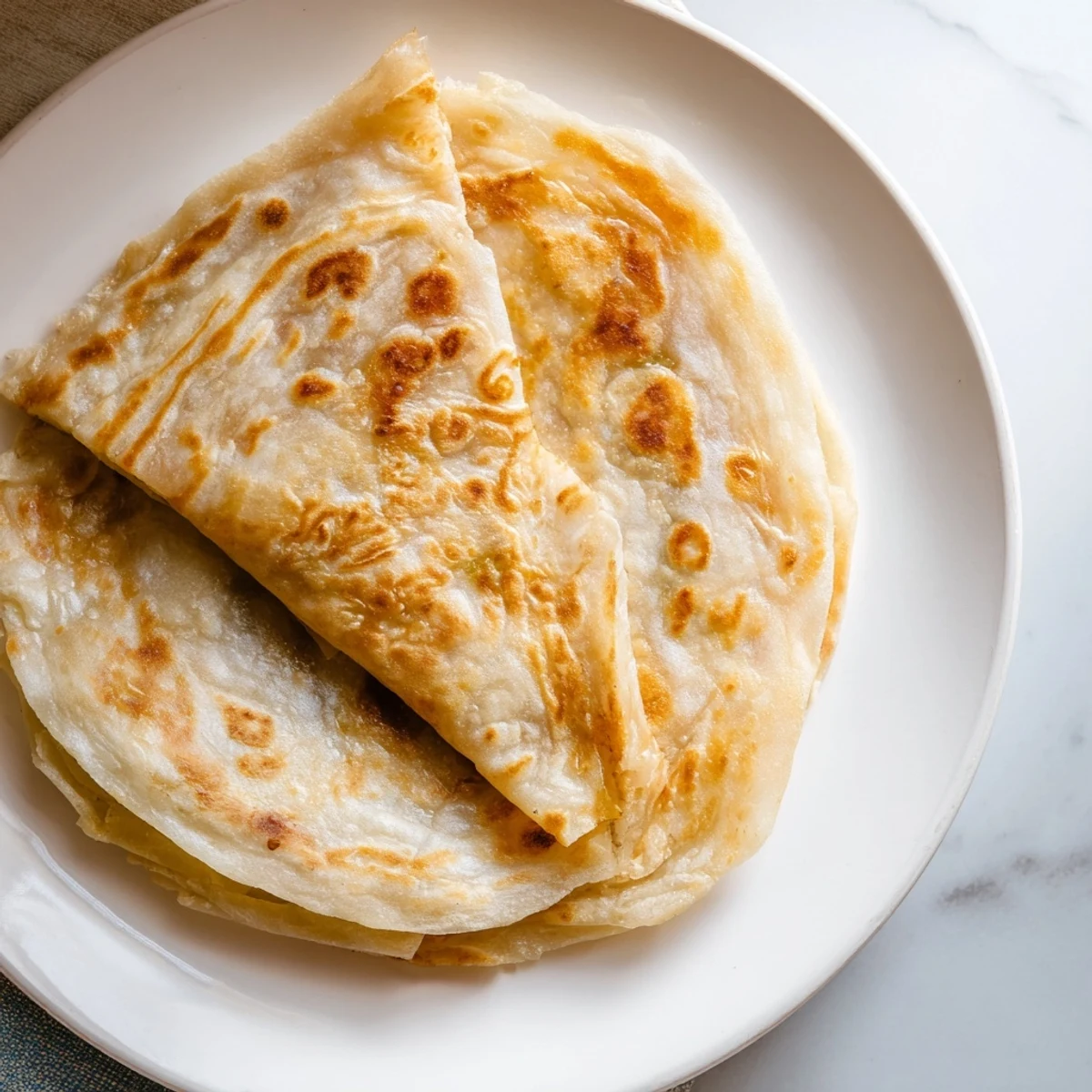
 These rotis became my go-to comfort food during graduate school when time and money were both scarce. I'd make a batch on Sunday and eat them throughout the week, sometimes with curry, sometimes just warm with a sprinkle of sugar for breakfast.
Mastering the Stretch
The stretching technique takes practice, so don't worry if your first few attempts look more like abstract art than perfect circles. I found that working with gravity helps, letting the dough hang from your knuckles while gently pulling from the center outward. The goal is tissue-thin transparency, but even slightly thicker sheets will still bake up beautifully flaky.
Choosing Your Cooking Fat
While ghee is traditional and adds incredible flavor, I've had great success with coconut oil for a subtle tropical note. Butter works too but burns more easily, so keep your heat medium-low. The fat you choose becomes part of the flavor profile, so use something you love tasting on its own.
Serving Suggestions
These rotis are incredibly versatile and deserve a place at any table. I love serving them alongside rich curries where they can soak up sauces, but they're equally wonderful torn into pieces and dipped in thick dhal.
- Try a sprinkle of sugar and a squeeze of lime for a sweet and tangy snack
- Pair with milky Malaysian tea for the authentic afternoon experience
- Reheat leftover rotis in a dry pan to restore their crispiness
 Save to Pinterest
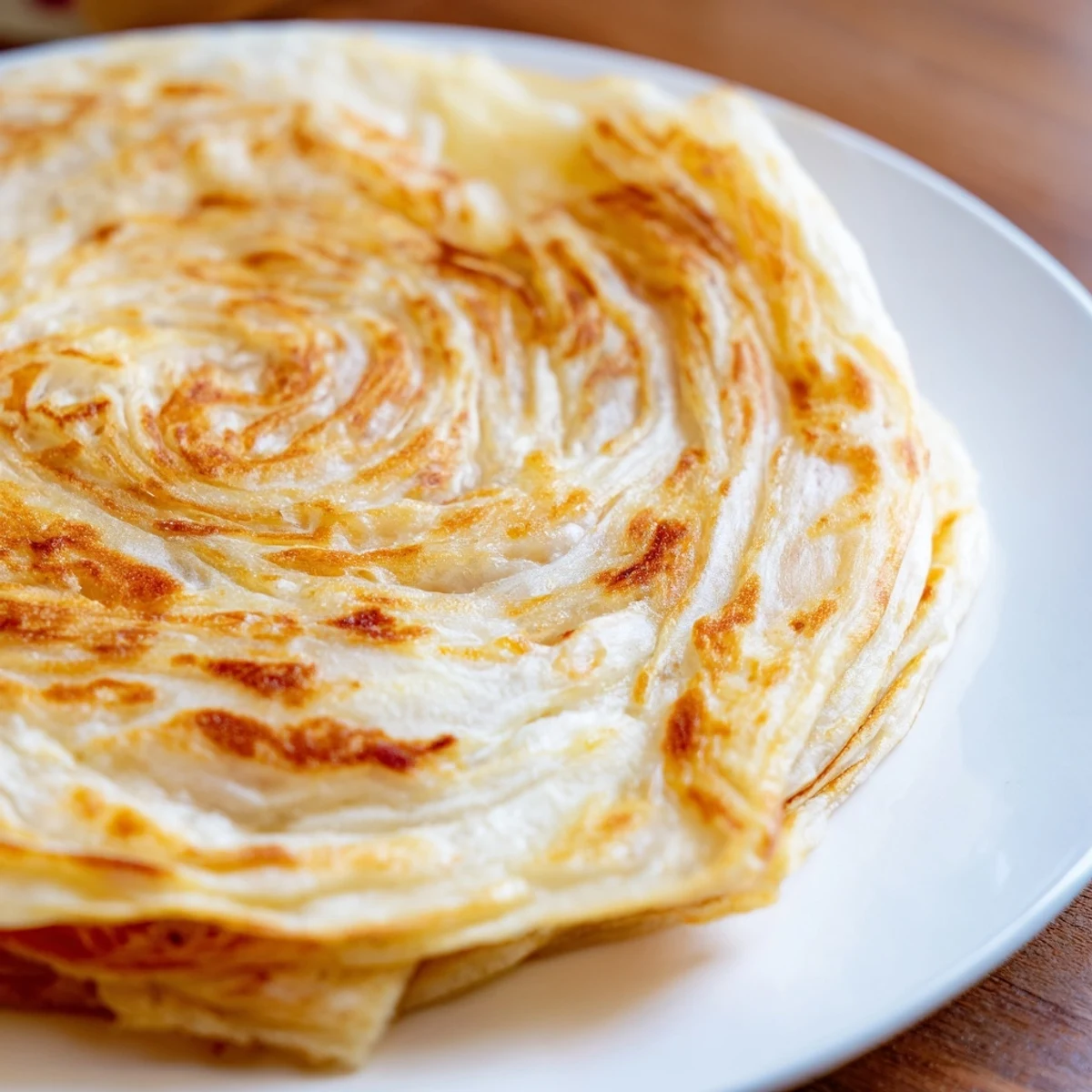
 There's something deeply satisfying about pulling a perfectly flaky roti apart, layer by layer, and sharing it with people you love. Simple ingredients transformed through patience into something extraordinary.
Recipes Q&A
- → What makes roti canai flaky?
-
The flaky texture comes from the unique folding technique—stretching dough into thin sheets, folding into rectangles, rolling Swiss-style, and coiling into spirals. Ghee between layers creates separation during cooking, resulting in crispy flaky layers that puff when gently clapped.
- → How long should the dough rest?
-
The dough must rest for at least 2 hours at room temperature covered with plastic wrap. This resting period allows gluten to relax, making the dough pliable enough to stretch into thin translucent sheets without tearing. Longer resting up to 4 hours yields even better results.
- → Can I use butter instead of ghee?
-
Yes, unsalted butter works as a substitute for ghee, though ghee provides more authentic flavor and crispier results due to its higher smoke point and milk solids being removed. Butter gives a slightly different taste but still produces delicious flaky layers.
- → Why is my roti canai not flaky?
-
Common issues include insufficient dough resting, not stretching thin enough, or inadequate ghee between layers. Ensure dough rests 2 hours minimum, stretch until almost translucent, and generously grease surfaces. The clapping technique after cooking also helps separate and puff the layers.
- → What should I serve with roti canai?
-
Roti canai pairs perfectly with dhal curry, chicken curry, or fish curry for savory meals. For sweet versions, sprinkle with sugar or drizzle with condensed milk. Also delicious with sambal, pickled onions, or simply enjoyed warm with hot tea or coffee.