
 Save to Pinterest
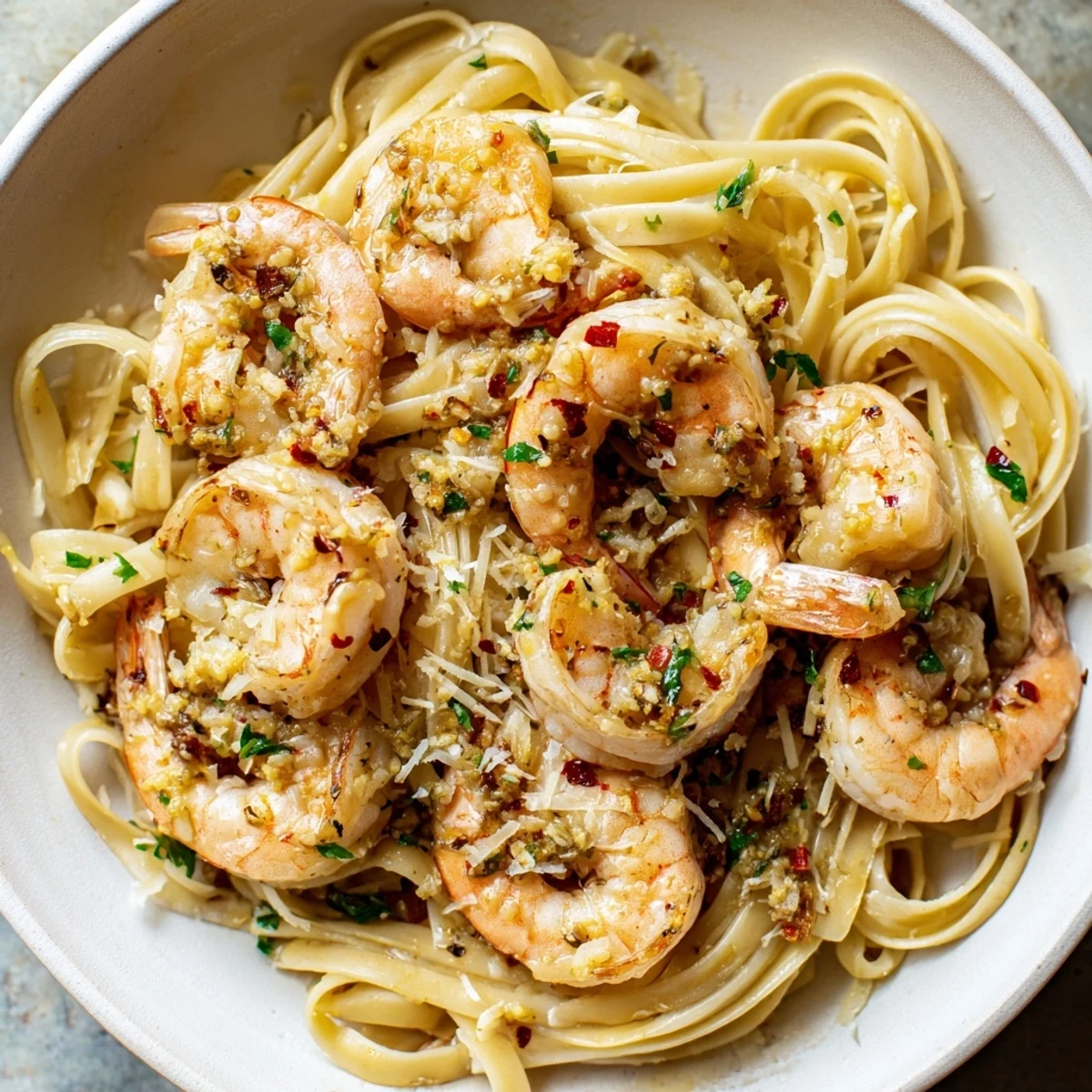
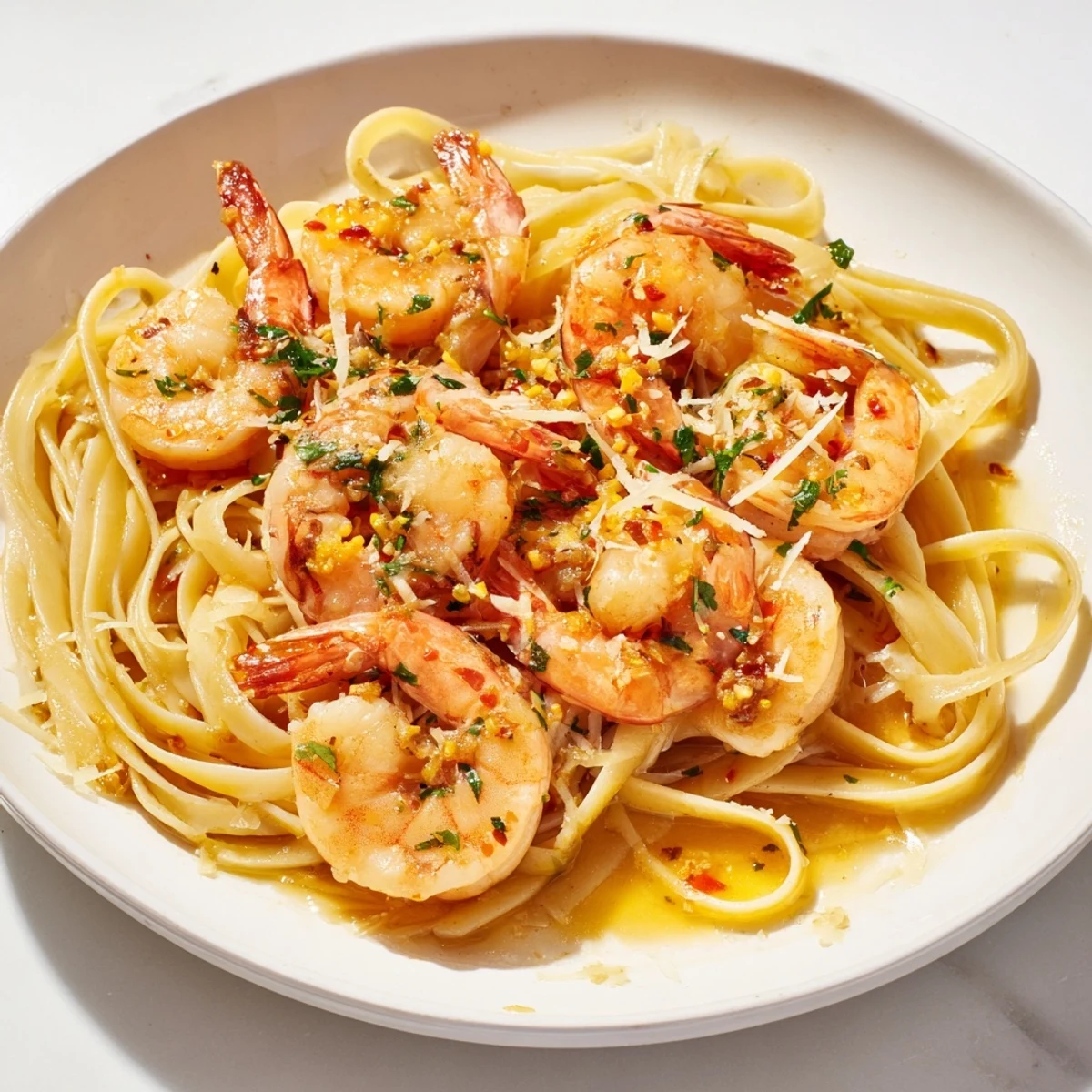
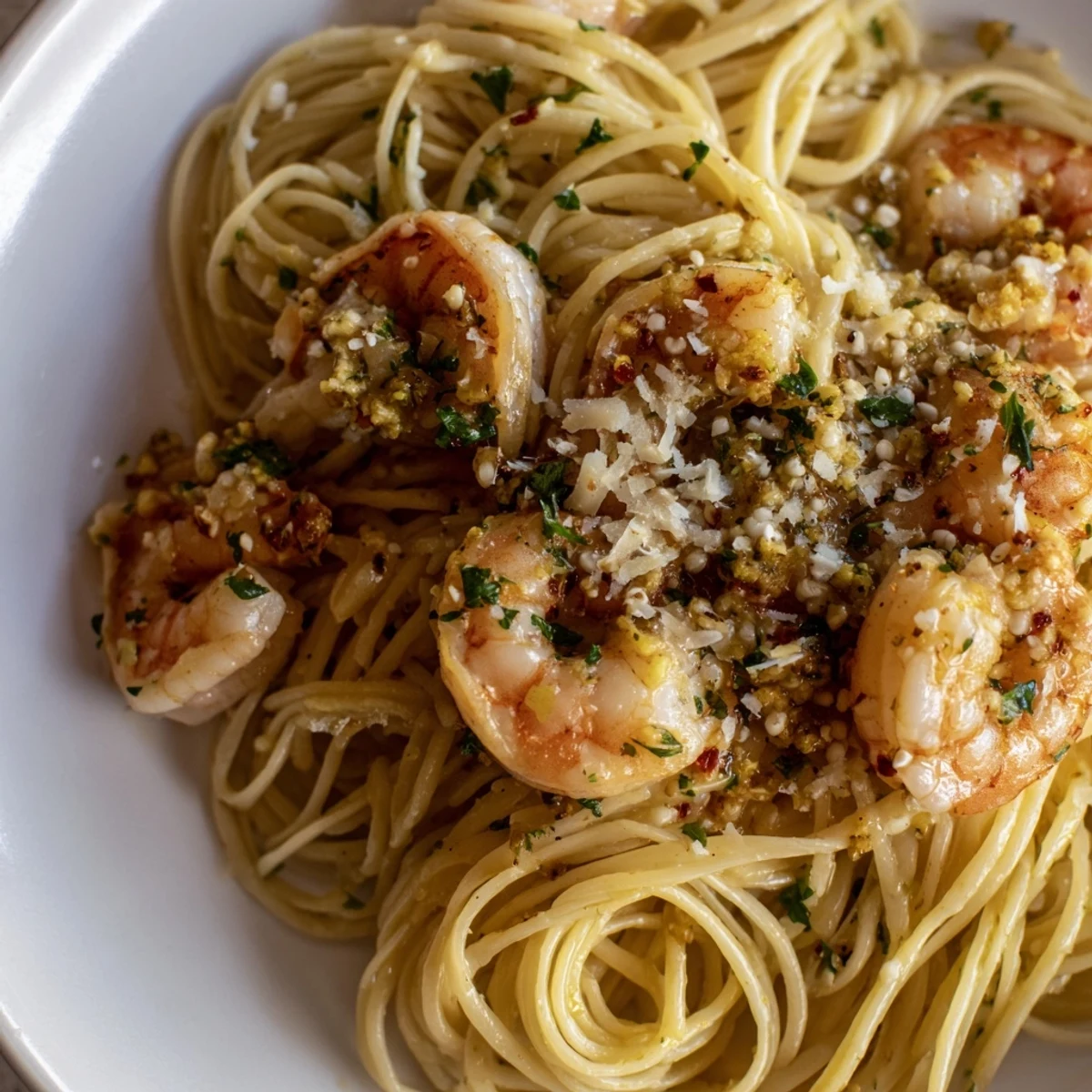
 This dish combines tender shrimp sautéed in fragrant garlic butter with perfectly cooked linguine. The sauce is enhanced by a splash of dry white wine, lemon zest, and juice, creating a bright and silky coating. Fresh parsley adds a herbal note, while optional Parmesan enriches the finish. Simple techniques and minimal ingredients deliver a flavorful and elegant plate ideal for a quick, satisfying meal.
I still remember the night I first made garlic butter shrimp linguine—it was a weeknight dinner that turned into something special. My partner came home exhausted, and I wanted to create something restaurant-quality but effortless. Twenty-five minutes later, we were twirling silky pasta onto our forks, the kitchen smelling like garlic, butter, and the sea. That's when I realized the simplest dishes often become the most memorable.
I've made this dish for more people than I can count now. There was the dinner party where my friend, who swears she can't cook, asked to watch me make it. By the end, she realized how forgiving and intuitive the whole process is. The way the shrimp turns pink, the aroma that fills your kitchen, the sauce that comes together with just a splash of wine—it all felt like magic to her that night.
Ingredients
- 400 g (14 oz) linguine: The pasta is your canvas here. Make sure to cook it just to al dente—that slight firmness matters because it'll finish cooking in the sauce and absorb all those buttery flavors.
- 450 g (1 lb) large shrimp, peeled and deveined: Buy the biggest ones you can find. They cook faster and stay more tender. Pat them completely dry before cooking or they'll steam instead of sear.
- 1/2 tsp kosher salt and 1/4 tsp freshly ground black pepper: Season the shrimp generously. This is your only chance to season them before they hit the pan.
- 4 tbsp unsalted butter and 3 tbsp extra virgin olive oil: The combination of both gives you the best flavor and the right cooking temperature. Don't skimp on quality here—it's what makes this dish shine.
- 6 garlic cloves, minced: Fresh garlic is non-negotiable. Mince it yourself if you can; jarred garlic loses its punch. Watch it carefully in the pan so it becomes fragrant but never brown.
- 1/4 tsp crushed red pepper flakes: Optional, but I always add it. Just a whisper of heat balances the richness beautifully.
- Zest of 1 lemon and 2 tbsp lemon juice: The lemon is what transforms this from good to unforgettable. The acidity cuts through the butter and wakes up your palate with every bite.
- 60 ml (1/4 cup) dry white wine or low-sodium chicken broth: The wine adds complexity and depth. If you skip it, use broth, but you'll miss that subtle sophistication.
- 2 tbsp chopped fresh parsley and Parmesan cheese: Fresh parsley adds a bright finish. Grate your Parmesan fresh—the pre-grated stuff has fillers that affect the texture.
Instructions
- Start your pasta:
- Bring a large pot of generously salted water to a rolling boil. It should taste like the sea. Add your linguine and stir occasionally so it doesn't stick. You're aiming for that perfect al dente texture—it should have just a tiny bit of resistance when you bite it.
- Prepare your shrimp:
- While the pasta is cooking, pat those shrimp dry with paper towels. Moisture is the enemy of a good sear. Season them with salt and pepper, getting every side. They're ready when they feel dry to the touch.
- Sear the shrimp:
- Heat your large skillet over medium-high heat. Add 2 tablespoons of butter and 2 tablespoons of olive oil. Once it's shimmering and smells nutty, carefully lay your shrimp in a single layer. Don't crowd the pan or move them around—let them sit for 1 to 2 minutes per side until they turn that beautiful coral pink and feel just firm. This is quick, so stay close.
- Build your sauce:
- Remove the shrimp to a clean plate. Turn the heat down to medium. Add the remaining butter and olive oil to the pan. When it foams, add your minced garlic and red pepper flakes. Breathe in that aroma—you'll know it's perfect when it's fragrant but the garlic is still pale. This takes about 1 minute, no more.
- Deglaze and simmer:
- Pour in your wine or broth, scraping the bottom of the pan with a wooden spoon to loosen all those golden, flavorful bits. Add the lemon zest and juice. Let this bubble away for 2 to 3 minutes, allowing the alcohol to cook off and the flavors to meld.
- Bring it together:
- Reserve about 120 ml (1/2 cup) of pasta water before draining your linguine. Return the shrimp to the pan. Add the drained pasta and toss everything together gently but thoroughly. If it looks dry, add a splash of that pasta water—it contains starch that creates a silky, cohesive sauce. Keep tossing until everything is coated and glistening.
- Finish with flair:
- Stir in your fresh parsley. Taste it. Adjust the salt and pepper to your liking. This is your moment to perfect it.
- Serve immediately:
- Plate it up right away. The pasta continues to absorb sauce, so don't let it sit. Top with freshly grated Parmesan and serve with lemon wedges on the side.
 Save to Pinterest
 The best moment came when my sister, who usually orders seafood pasta at restaurants, tasted this at home and asked me why hers never tastes this good. I told her it's because we're standing in the kitchen together, and restaurants can't bottle that.
The Magic of Timing
This dish teaches you something important: timing is flavor. The shrimp needs high heat and a quick sear. The garlic needs just enough time to become fragrant without browning. The pasta water needs to be there exactly when you're ready to toss everything together. It all happens fast, and that's the beauty of it. There's no long simmering, no patience required beyond staying present and paying attention. That's when cooking shifts from a chore into something meditative and magical.
Wine Pairing and Serving
A crisp white wine makes this meal feel complete. Pinot Grigio or Sauvignon Blanc both echo the lemon and acidity in the sauce. I love serving this with a simple green salad dressed with a light vinaigrette to cut through the richness, and crusty bread to soak up every last drop of that golden sauce. It's simple enough for a Tuesday night but elegant enough for someone you want to impress.
Making It Your Own
This recipe is a framework, not a rule book. I've made it a hundred different ways, and it's taught me that great cooking is about understanding principles, not following steps blindly. Want it richer? Add a splash of heavy cream. Like more heat? Double the red pepper flakes. Out of white wine? Use chicken broth—it's just as delicious. The constants are the shrimp, the garlic, the butter, and the lemon. Everything else is conversation.
- If you're making this for someone with shellfish allergies, substitute firm white fish cut into chunks—cod or halibut works beautifully
- Gluten-free pasta tastes just as good here; the sauce doesn't discriminate
- Make sure your skillet is large enough to cook the shrimp in a single layer, or do them in two batches
 Save to Pinterest
 Every time I make this, I'm reminded that the best meals are the simple ones made with intention and shared with people who matter. This dish does that effortlessly.
Recipes Q&A
- → How do I prevent shrimp from overcooking?
-
Cook shrimp just until they turn pink and opaque, usually 1-2 minutes per side, to keep them tender and juicy.
- → Can I use other types of pasta?
-
Yes, long pasta like spaghetti or fettuccine works well, but linguine best holds the light garlic butter sauce.
- → What can I substitute for white wine in the sauce?
-
Low-sodium chicken broth or vegetable broth are excellent alternatives that maintain flavor depth.
- → How do I make the sauce silky and cohesive?
-
Reserve some pasta water and add it gradually when tossing the pasta with shrimp and sauce to adjust consistency.
- → Is it possible to make this dish dairy-free?
-
Replace butter with olive oil and omit Parmesan to keep it dairy-free without sacrificing flavor.