
 Save to Pinterest
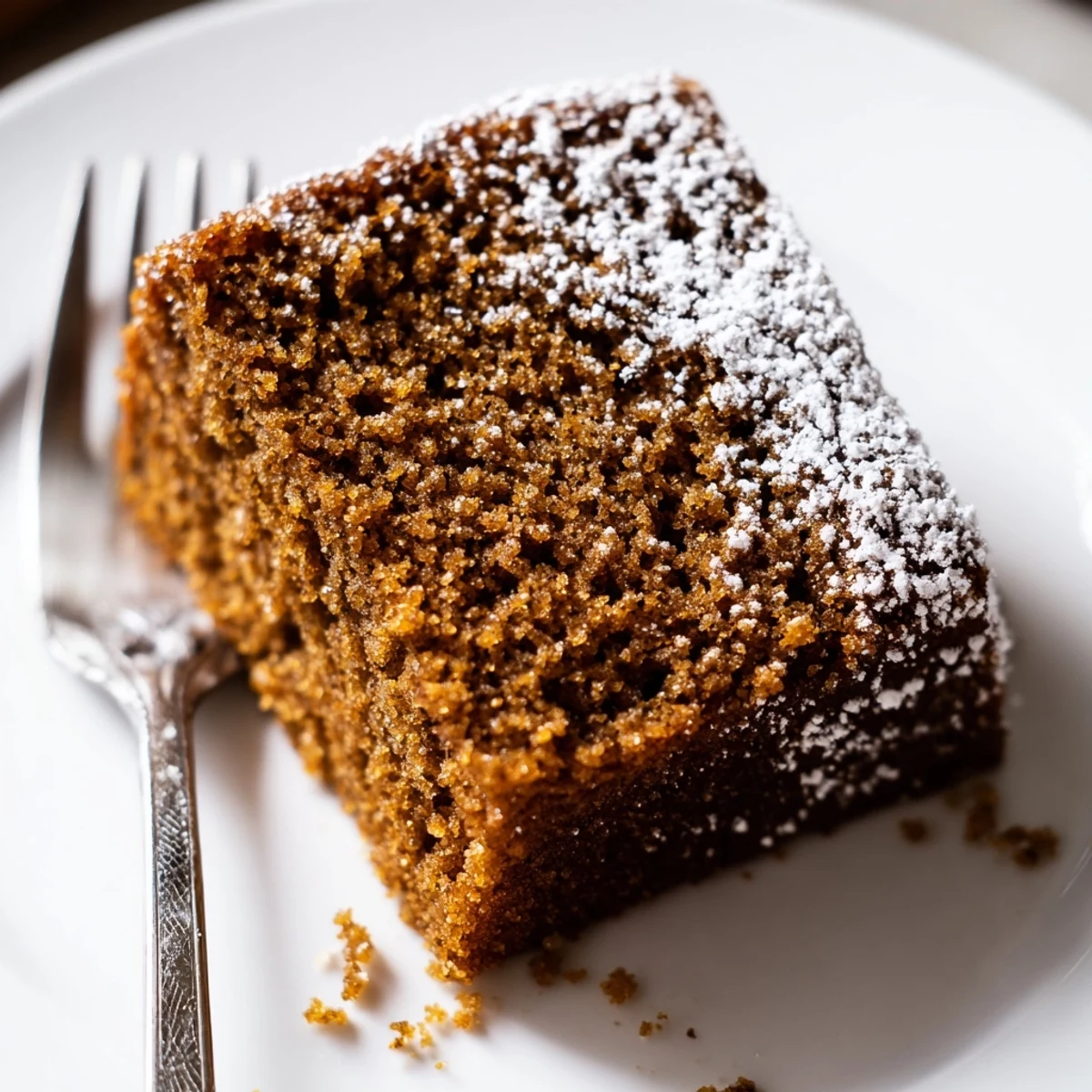
 This moist gingerbread creation blends warm spices like ginger, cinnamon, and cloves with rich molasses to deliver a comforting dessert. Combining softened butter and brown sugar with grated ginger yields a fragrant batter baked to a tender finish. Ideal for gatherings or quiet afternoons, its spiced aroma and soft texture make it a delightful treat. Serve simply or with powdered sugar or cream for added indulgence.
There's something about the smell of ginger and molasses that fills a kitchen with instant warmth, and I discovered this cake quite by accident one November afternoon when I was testing different spice combinations for a gathering. The moment that batter hit the oven, I knew I'd stumbled onto something special—something that would become the dessert people ask me to bring again and again.
I'll never forget serving this at a potluck where someone's grandmother tasted it and quietly asked for my recipe—she said it reminded her of her own kitchen from decades ago, but somehow more alive. That moment made me realize a good gingerbread cake doesn't just satisfy hunger; it creates connection.
Ingredients
- All-purpose flour (2 cups): The foundation that keeps everything tender; don't sift unless you're feeling precise, but do spoon and level for accuracy.
- Ground ginger (1½ teaspoons): This is your base note, the steady warmth that runs through every bite.
- Ground cinnamon (1 teaspoon): Just enough to make people pause and wonder what they're tasting.
- Ground cloves (¼ teaspoon): A whisper of spice—more would overpower, less would miss the mark entirely.
- Baking soda (1 teaspoon): The molasses needs this to reach its full potential, creating that dense, moist crumb.
- Salt (½ teaspoon): Always salt your sweets; it makes the spices sing.
- Unsalted butter (½ cup), softened: Room temperature is non-negotiable here—cold butter won't incorporate properly and you'll end up with a dense cake.
- Brown sugar (¾ cup): The molasses notes in brown sugar deepen the flavor; white sugar simply won't give you the same richness.
- Egg (1 large): This binds everything while keeping the crumb tender and moist.
- Unsulphured molasses (¾ cup): Unsulphured is gentler and lets the ginger shine; the quality here genuinely matters.
- Hot water (1 cup): This seems odd, but trust it—the hot water creates a tender, almost pudding-like texture throughout the cake.
- Freshly grated ginger (2 tablespoons): This is where the magic happens; the fresh ginger adds brightness and a gentle heat that ground ginger alone can never achieve.
Instructions
- Prepare your stage:
- Preheat the oven to 350°F and get your 9-inch square pan ready with a light coating of grease and flour—this cake wants to release easily. I learned this the hard way after one slightly stubborn removal.
- Build the dry foundation:
- In a medium bowl, whisk together the flour, ground ginger, cinnamon, cloves, baking soda, and salt—this step ensures every bite has consistent spice distribution, not clumps of cinnamon in one spot.
- Cream your butter and sugar:
- Beat the softened butter and brown sugar together for about 2 minutes until it looks light, pale, and creamy; this traps air and makes the final cake tender rather than dense.
- Add your wet elements:
- Beat in the egg, then stir in the molasses and freshly grated ginger until combined—the mixture will look rich and dark, almost glossy.
- Marry the dry and wet:
- Gradually add the dry ingredients to the wet mixture, stirring just until combined; overmixing develops gluten and toughens the crumb, so be gentle here.
- The transformation:
- Pour in the hot water and mix until smooth and slightly thin—this batter should look almost like thick soup, which seems wrong but creates that signature moist texture.
- Bake with patience:
- Pour into the prepared pan, smooth the top, and bake for 30 to 35 minutes until a toothpick inserted in the center comes out clean. The top will be a deep golden brown and the kitchen will smell absolutely incredible.
- Cool and release:
- Let it rest in the pan for 10 minutes, then gently turn out onto a wire rack to cool completely; this prevents condensation from making the top soggy.
 Save to Pinterest
 One winter morning, I brought a slice to my neighbor who'd been under the weather, and watching her face light up as she tasted it reminded me why I keep making this cake. It became the dessert I reach for when I want to say something warm without saying much at all.
Variations and Add-Ins
The base is solid, but this cake loves company. Some seasons I add ½ cup of chopped crystallized ginger for a sweet-sharp bite that lingers, and other times I fold in ¼ cup of chopped candied orange peel for brightness. You can also stir in ½ teaspoon of vanilla extract or ¼ teaspoon of nutmeg if you want to deepen the spice profile.
Serving and Storing
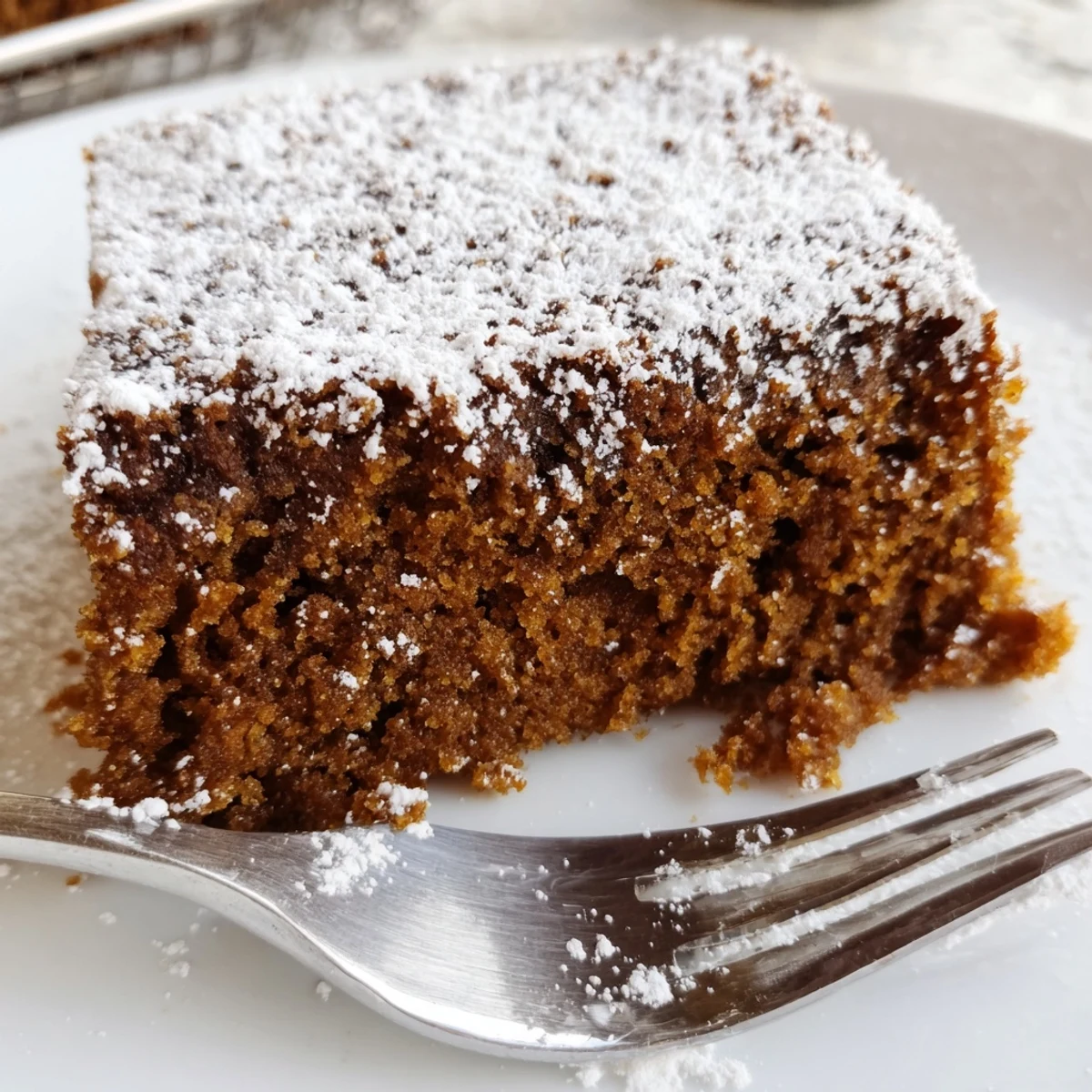
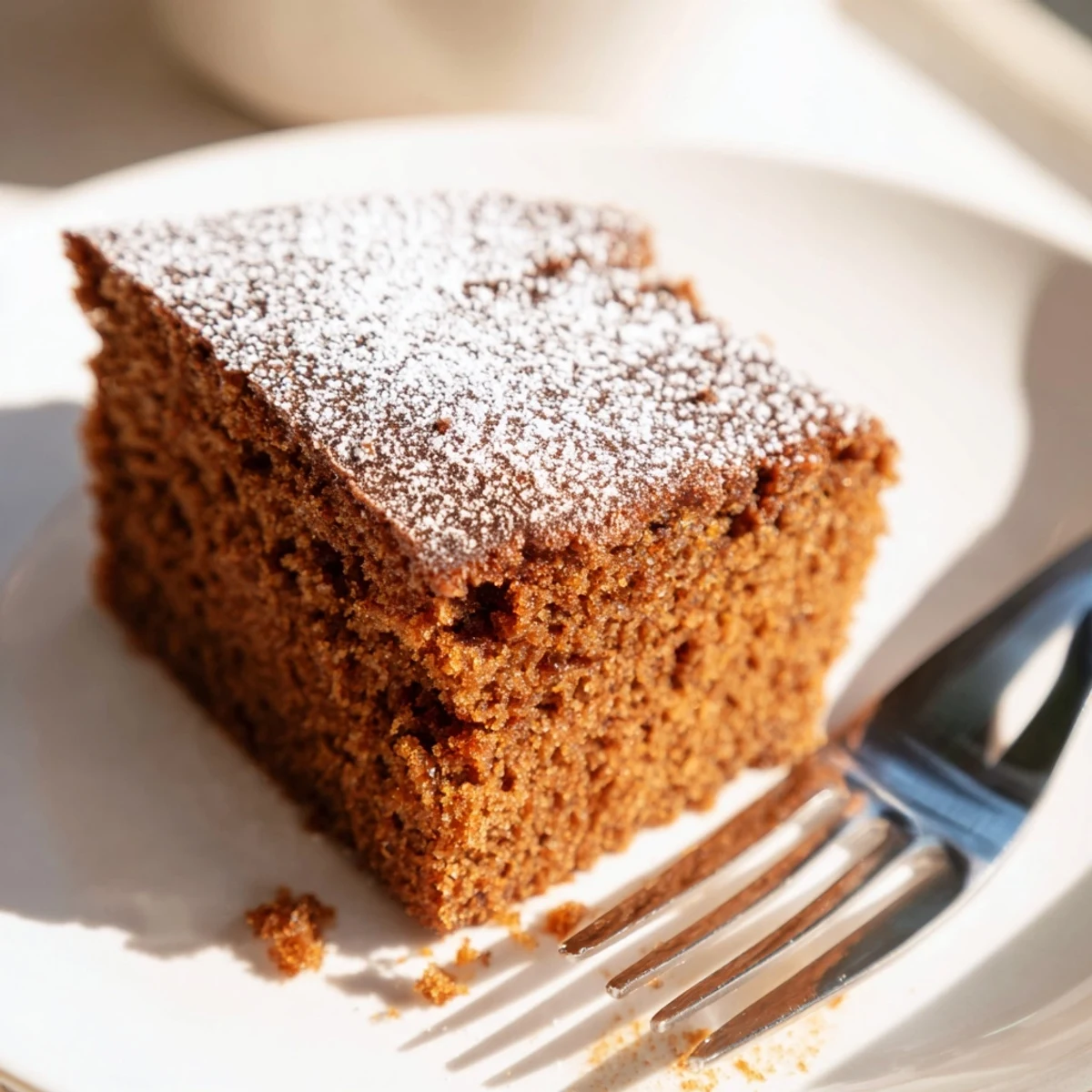
Plain with a light dusting of powdered sugar is lovely, but I often serve it with a spoonful of whipped cream or vanilla ice cream to balance the warmth. The cake keeps wrapped tightly at room temperature for up to 3 days, and it genuinely improves as it sits—the flavors deepen and the texture becomes even more moist.
Beyond the Kitchen
This cake has shown up at holiday tables, tucked into gift boxes, and served at simple afternoon teas. The beauty is that it feels homemade and special without demanding hours of your time.
- A lemon glaze cuts through the richness beautifully if you want something bright.
- Serve it slightly warm for maximum coziness.
- This cake is naturally vegetarian and freezes well wrapped tightly for up to a month.
 Save to Pinterest
 This gingerbread cake is the kind of recipe that quietly becomes part of your life, appearing whenever comfort and warmth are needed. It's proof that the best desserts are often the simplest ones, made with intention and shared generously.
Recipes Q&A
- → What spices give this cake its signature flavor?
-
Ground ginger, cinnamon, and cloves contribute warm, aromatic notes that define the cake's character.
- → Can I add extra ginger for a stronger taste?
-
Yes, adding crystallized ginger enhances the zing and layers the spicy profile beautifully.
- → What’s the best way to ensure moistness in this cake?
-
Using molasses alongside softened butter and brown sugar helps retain moisture and deepen flavor.
- → How should the cake be stored after baking?
-
Keep it tightly wrapped at room temperature for up to three days to maintain freshness.
- → Are there suggested accompaniments for serving?
-
Vanilla ice cream or a lemon glaze can add contrast and elevate the flavor experience.
- → What tools are essential for preparing this cake?
-
Basic mixing bowls, a whisk or electric mixer, a 9-inch square pan, spatula, and cooling rack are recommended.