
 Save to Pinterest
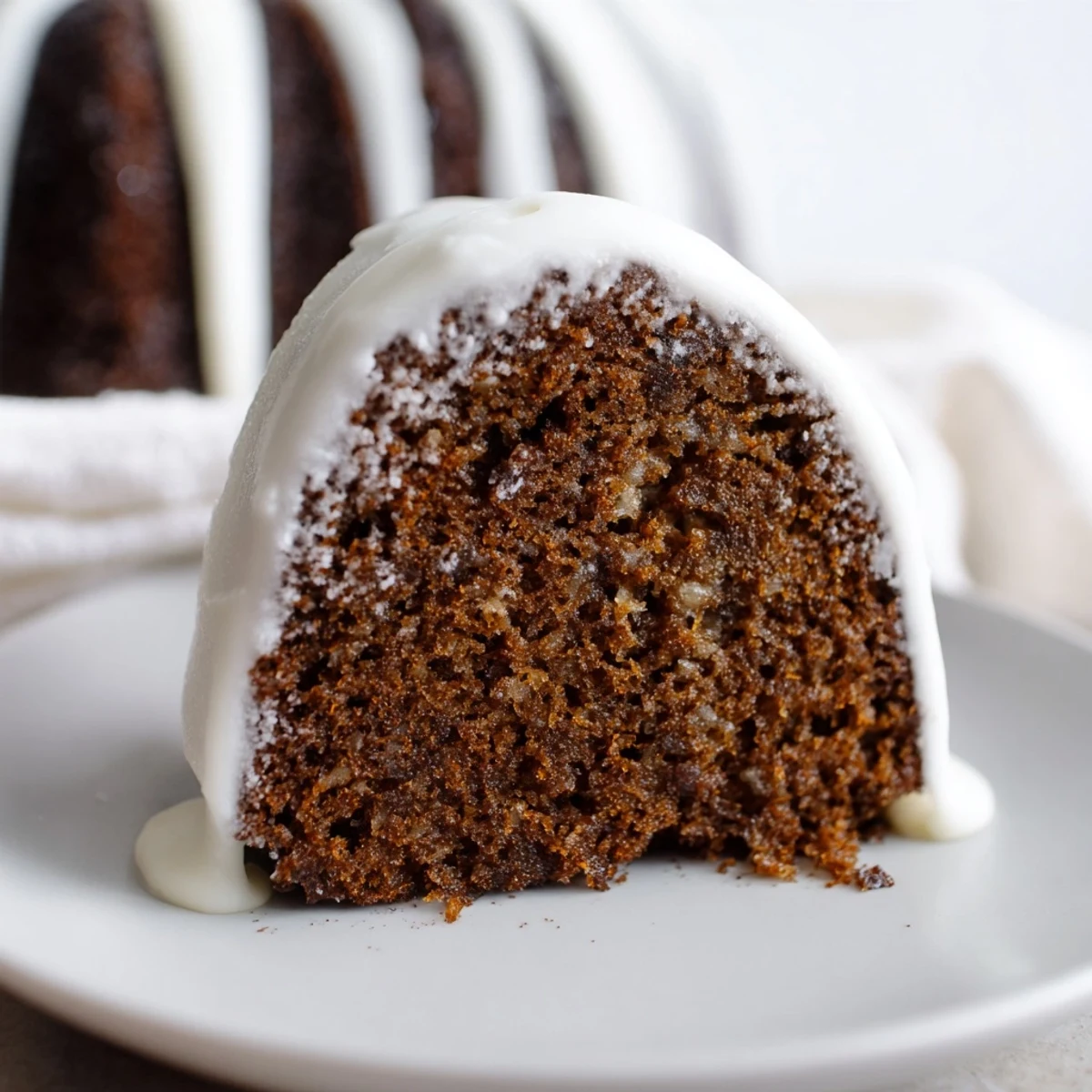
 This bundt cake balances moist texture with a blend of warm ginger, cinnamon, cloves, nutmeg, and allspice, creating a fragrant foundation. The batter combines brown sugar, molasses, and buttermilk for rich depth and tenderness. After baking to golden perfection, a smooth vanilla glaze is drizzled over the cooled cake, enhancing sweetness and adding glossy appeal. Perfect for gatherings or comforting afternoons, notes like crystallized ginger or orange zest can elevate the flavors even more.
The first time I made a gingerbread cake, I wasn't aiming for perfection—I was chasing a smell. My neighbor had baked something warm and spiced the afternoon before, and I couldn't stop thinking about it. So I dug through my pantry, found a collection of spice jars that looked promising, and decided to bake something that would fill my kitchen with that same cozy fragrance. This Bundt cake became my answer, and it's stayed a favorite ever since.
I brought this cake to a December potluck and watched people close their eyes when they took their first bite. Someone asked if it was from a bakery, which made me laugh—but it also proved that a homemade cake with the right technique and patience tastes so much better than anything mass-produced. That moment taught me that simple, well-made desserts have a quiet power.
Ingredients
- All-purpose flour (2 1/2 cups): The foundation that needs to be whisked together with the leavening agents to distribute them evenly, preventing dense pockets later.
- Baking powder and baking soda (1 teaspoon and 1/2 teaspoon): Both work together to lift the cake gently; don't skip the soda, as it reacts with the molasses to deepen the color and flavor.
- Salt (1/2 teaspoon): This isn't just for taste—it balances the sweetness and spices, making each flavor stand out clearly.
- Ground ginger, cinnamon, cloves, nutmeg, and allspice (2 teaspoons ginger, 1 1/2 teaspoons cinnamon, 1/4 teaspoon each of cloves, nutmeg, and allspice): Buy these fresh if you can; old spices taste flat and dusty compared to ones with real aromatic punch.
- Unsalted butter and neutral oil (1/2 cup each): The combination creates a tender crumb that stays moist longer than butter alone, and the oil prevents the cake from being dense.
- Dark brown sugar (1 cup, packed): Pack it down when measuring to ensure you're getting the full molasses content that gives this cake its color and depth.
- Molasses (1/2 cup): This is the secret that makes gingerbread taste like gingerbread; unsulfured molasses is milder and sweeter if that's your preference.
- Eggs (3 large, room temperature): Room temperature eggs incorporate more smoothly and create a finer crumb structure than cold eggs.
- Vanilla extract (1 teaspoon plus 1/2 teaspoon for glaze): A small amount rounds out the spices without making the cake taste like vanilla cake.
- Buttermilk (1 cup, room temperature): The acidity tenderizes the cake and reacts with the baking soda; regular milk won't give you the same result.
- Powdered sugar and milk for glaze (1 cup powdered sugar, 2 to 3 tablespoons milk): Sift the powdered sugar first to avoid lumps in the glaze, and add milk gradually until the consistency is pourable but still clings to the cake.
Instructions
- Prepare your pan and heat your oven:
- Preheat to 350°F (175°C) and give your Bundt pan the most thorough greasing it's ever had—butter every ridge and crevice, then dust with flour and tap out the excess. A dry cake is a sad cake, and a well-prepared pan is your insurance against sticking.
- Sift together your dry ingredients:
- Whisk the flour, baking powder, baking soda, salt, and all five spices together in a medium bowl until they're evenly distributed. This step prevents clumpy spices and ensures every bite tastes balanced.
- Cream the butter, oil, and brown sugar:
- Beat them together in a large bowl for about 3 minutes until the mixture looks light, pale, and fluffy. This aerates the batter and is the foundation for a tender crumb.
- Add molasses and mix well:
- Pour in the molasses and beat until completely incorporated and the batter darkens slightly. Scrape down the bowl so nothing gets left behind.
- Incorporate eggs one at a time:
- Add each egg individually and beat well after each addition before moving to the next one. This prevents the mixture from looking curdled and ensures the emulsion holds together.
- Layer in the flour and buttermilk:
- Add half the flour mixture on low speed and mix just until combined, then pour in the buttermilk, mix gently, and add the remaining flour mixture. Mixing too much at this stage develops gluten and makes the cake tough.
- Transfer to your pan and bake:
- Pour the batter evenly into the prepared Bundt pan and smooth the top with a spatula. Bake for 40 to 50 minutes until a skewer inserted in the thickest part comes out clean or with just a few moist crumbs.
- Cool and invert with care:
- Let the cake rest in the pan for 15 minutes—this allows the structure to firm up so it doesn't fall apart. Then invert it onto a wire rack and let it cool completely before glazing.
- Make the glaze and dress your cake:
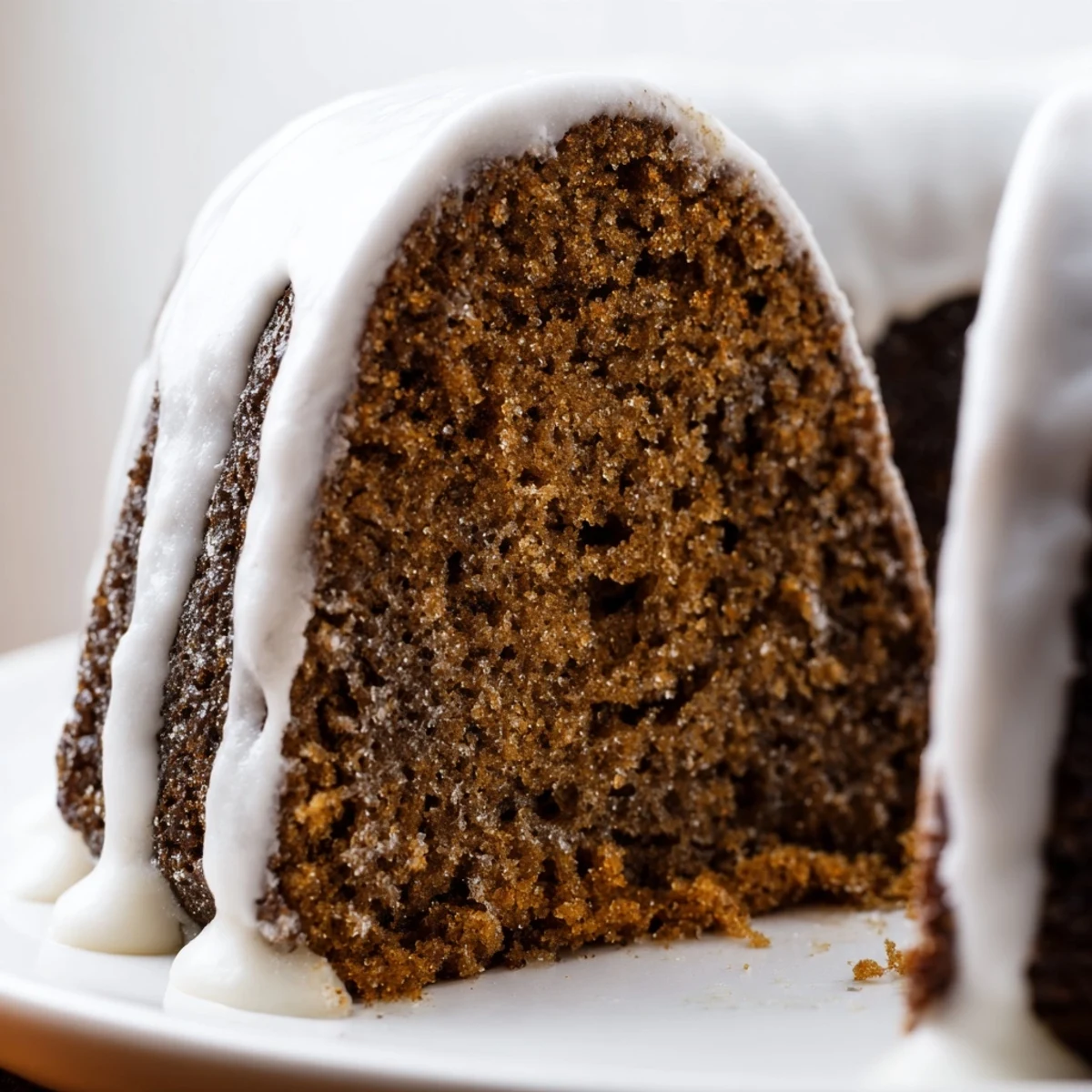
- Whisk powdered sugar, milk, and vanilla until smooth and pourable, adding milk gradually to reach the right consistency. Drizzle it over the cooled cake and let it set before slicing.
 Save to Pinterest
 I served a slice of this cake to my daughter on a quiet morning, and she asked if she could have the recipe to make it for her college roommates. That moment made me realize that the best recipes aren't just about technique or ingredients—they're about creating something that people want to share and remember.
Why This Spice Blend Works So Well
Gingerbread spicing is more like composing a song than just throwing spices together. The ground ginger provides the main voice—bright and sharp, but not harsh. Cinnamon adds warmth and rounds out the edges, while cloves bring a subtle earthy note that keeps the cake from tasting one-dimensional. Nutmeg and allspice are the background notes, adding depth without announcing themselves. When you toast these spices in your spice grinder just before using them, the difference is remarkable, but even from your pantry, this blend creates a cake that feels festive and comforting at the same time.
The Magic of Molasses
Molasses does two things that regular sugar can't do alone: it adds a rich, almost savory depth that balances the spices, and it contains natural acids that react with the baking soda to help the cake rise and bake evenly. The amount of molasses in this recipe is deliberate—enough to make the cake taste unmistakably like gingerbread, but not so much that it becomes heavy or overpowering. If you only have light molasses on hand, the cake will still be delicious, just slightly lighter in flavor and color.
Serving Suggestions and Flavor Pairing Ideas
This cake shines on its own, but a dollop of whipped cream or a small scoop of vanilla ice cream transforms it into something elegant enough for a dinner party. The spices also pair beautifully with warm beverages—think spiced chai, hot cider, or even a cup of strong black tea. If you want to take it further, a thin slice with a glass of dessert wine or even a small glass of bourbon creates a moment that feels special without needing a fancy occasion.
- For extra ginger punch, fold in 1/2 cup of chopped crystallized ginger into the batter just before pouring it into the pan.
- A hint of orange zest in the glaze (about 1/4 teaspoon) adds a subtle brightness that makes the spices sing even louder.
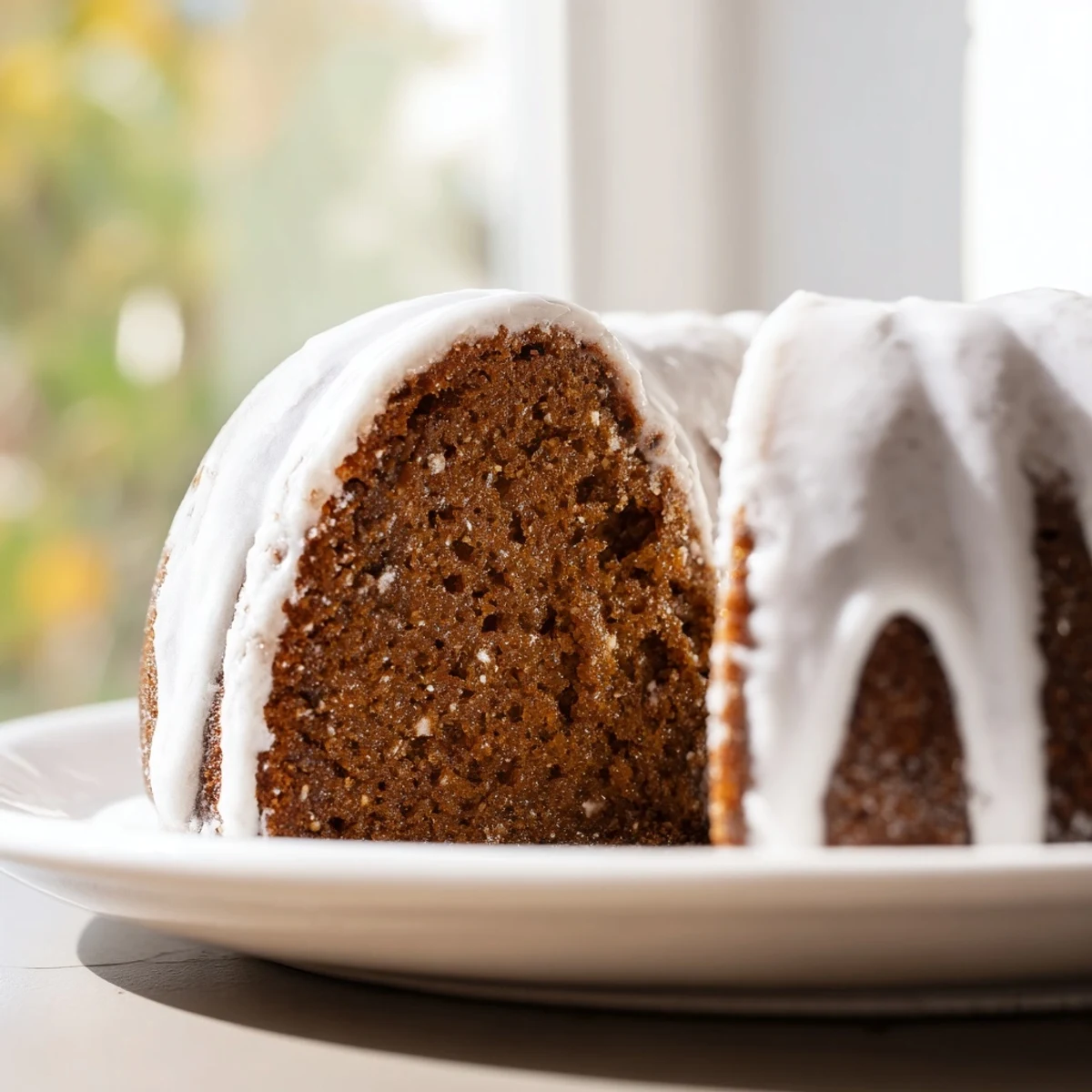
- Store leftover cake wrapped tightly at room temperature for up to three days—the moisture in the molasses keeps it tender and fresh.
 Save to Pinterest
 This cake reminds me that the best recipes are the ones we return to again and again, not because they're trendy, but because they taste like comfort and always bring people together. Make it once, and it becomes yours.
Recipes Q&A
- → What spices are used for the flavor?
-
The cake features ground ginger, cinnamon, cloves, nutmeg, and allspice that provide a classic warm spice profile.
- → How do I achieve a moist texture?
-
Incorporating buttermilk, brown sugar, and molasses helps keep the cake tender and moist throughout baking.
- → What type of pan is recommended?
-
A 10 to 12 cup Bundt pan is best to ensure even cooking and to create the cake's signature shape.
- → Can I customize the glaze flavor?
-
Yes, adding orange zest to the vanilla glaze offers a bright, citrusy twist that pairs well with the spices.
- → How should I know when the cake is done?
-
Insert a skewer in the center; it should come out clean when the baking is complete.
- → Are there suggestions for serving?
-
Serve with whipped cream or vanilla ice cream, and consider pairing with spiced chai tea or dessert wines.