
 Save to Pinterest
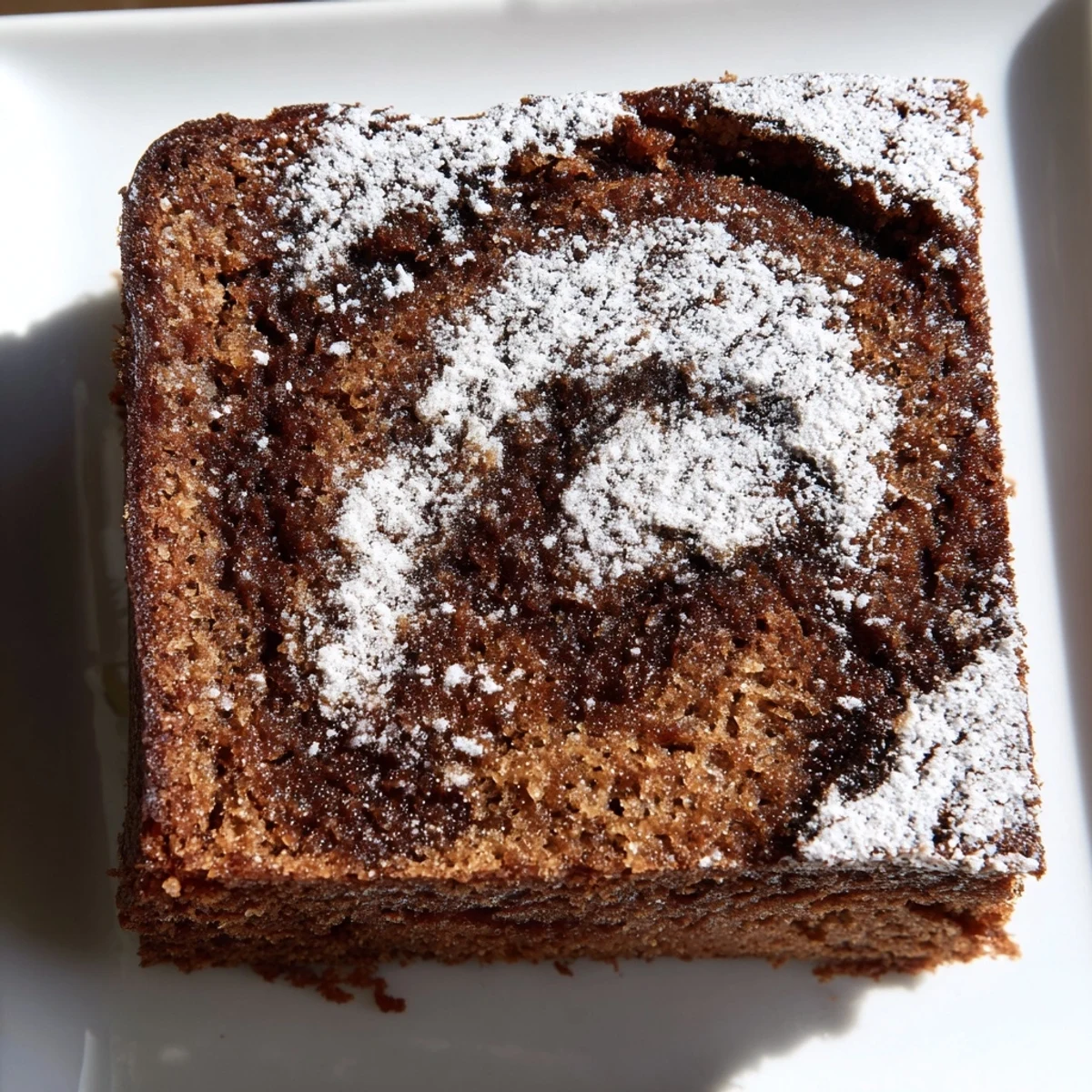
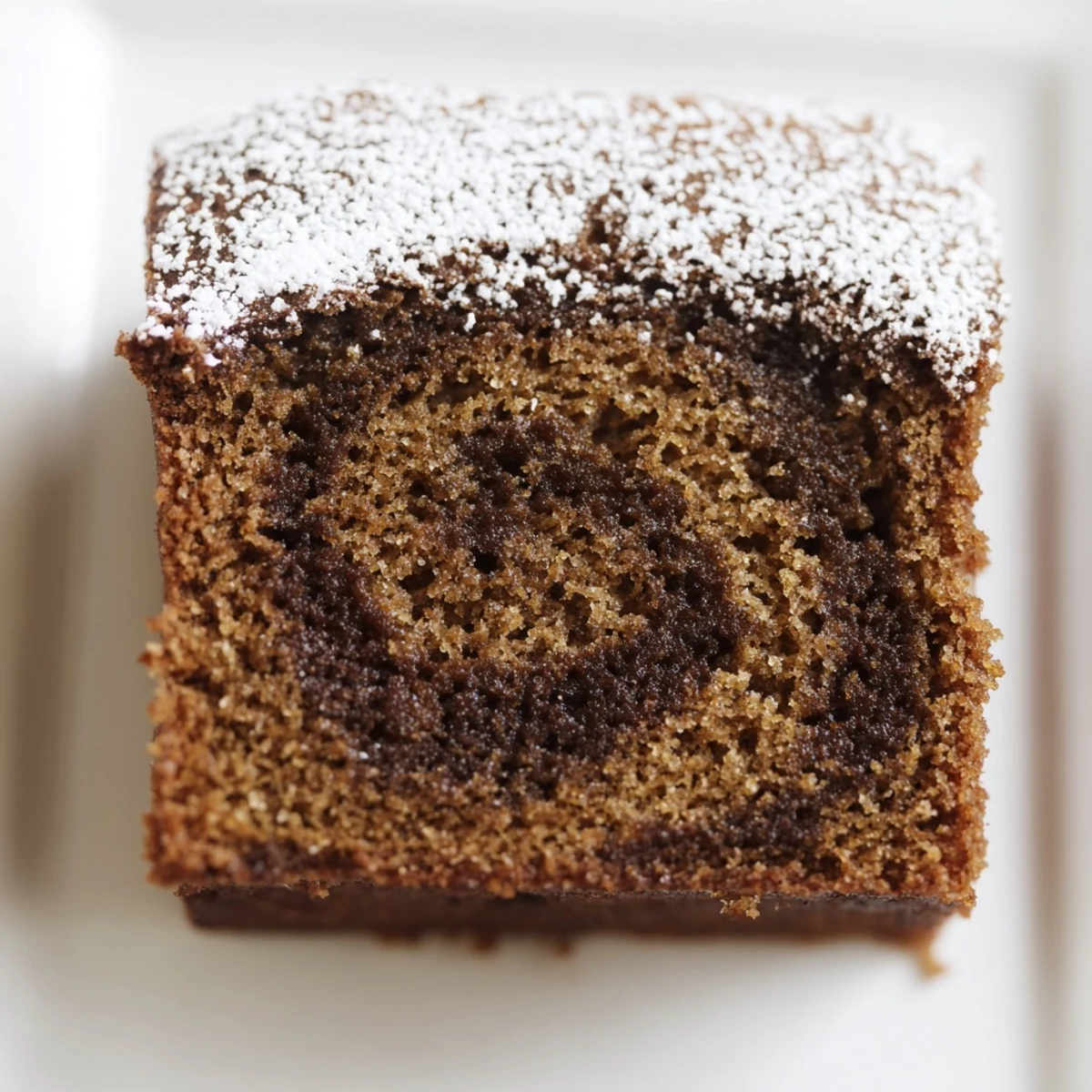
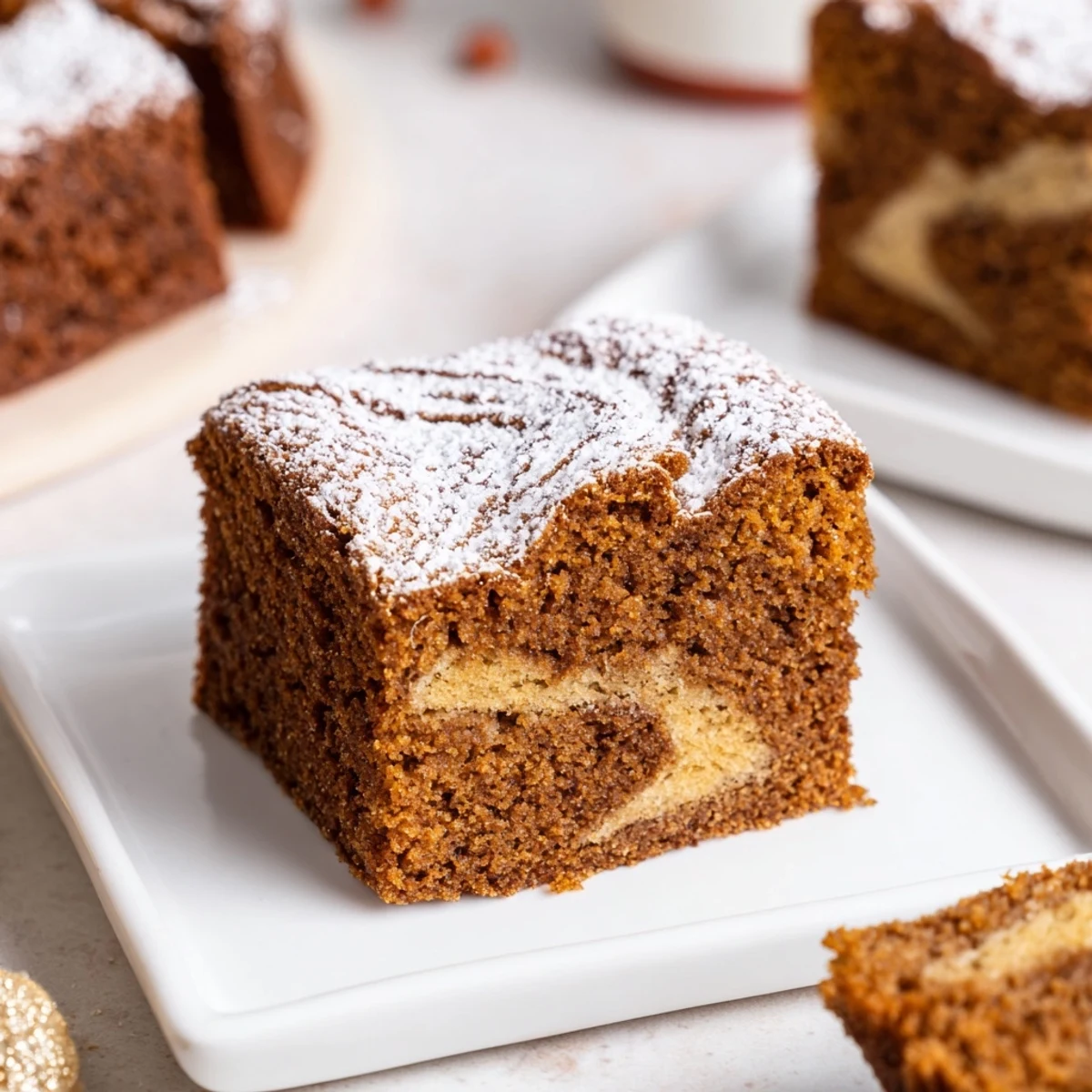
 This moist gingerbread cake combines warm spices like ginger, cinnamon, cloves, and nutmeg with rich molasses for deep flavor. The batter blends softened butter, brown sugar, eggs, and milk poured into a prepared pan and baked until golden. Cooling ensures the perfect texture before serving plain or with powdered sugar or whipped cream. Ideal for cozy afternoons or festive winter moments, it pairs wonderfully with hot tea or mulled wine.
My neighbor brought over a slice of her grandmother's gingerbread cake one November afternoon, and the kitchen filled with this golden warmth that had nothing to do with the oven. The smell alone—molasses, ginger, cinnamon layered like a perfume—made me stop what I was doing. One bite and I understood why she'd kept the recipe tucked away for years. I've been making this version ever since, and it's become the cake I turn to when I need something that feels like home.
I made this for a book club meeting on a rainy December evening, and three people asked for the recipe before they'd even finished their first slice. One of them mentioned she hadn't had real gingerbread since childhood, and watching her face soften as she tasted it reminded me why these small moments in the kitchen matter so much.
Ingredients
- All-purpose flour (2 cups): The foundation that keeps this cake tender and foolproof, never dense or heavy.
- Ground ginger (1½ teaspoons): Fresh ground ginger is noticeably better than stale, so check your spice cabinet—it should smell bright and alive.
- Ground cinnamon (1 teaspoon): The warm anchor that ties all the spices together into something greater than the sum of its parts.
- Ground cloves and nutmeg (¼ teaspoon each): Just enough to add mystery without overwhelming; resist the urge to add more.
- Baking soda (1½ teaspoons): This reacts with the molasses to create lift and that signature tender crumb.
- Salt (½ teaspoon): Don't skip it; it sharpens the spices and keeps them from tasting one-dimensional.
- Unsalted butter (½ cup, softened): Room temperature is crucial—cold butter won't cream properly, and your cake will suffer.
- Brown sugar (½ cup, packed): The molasses in brown sugar deepens the flavor beyond regular white sugar ever could.
- Eggs (2 large): They add structure and moisture; room temperature eggs incorporate more evenly.
- Unsulphured molasses (¾ cup): This is the soul of the cake—don't use blackstrap molasses, which is too bitter and overpowering.
- Hot water (1 cup): This transforms the batter into something almost pourable, creating that signature moist texture.
- Whole milk (½ cup): Added at the end to balance the spices with a subtle creaminess.
Instructions
- Prepare your pan and heat the oven:
- Preheat to 350°F (175°C) and grease a 9-inch square pan with butter or oil, then dust with flour to prevent sticking. This step takes just a moment but makes all the difference in turning out a perfect cake.
- Whisk the dry spice blend:
- In a medium bowl, combine flour, ginger, cinnamon, cloves, nutmeg, baking soda, and salt, whisking until the spices are evenly distributed throughout. This ensures every bite has the same warm complexity.
- Cream butter and brown sugar:
- In a large bowl, beat the softened butter and packed brown sugar together for 2-3 minutes until it's pale and fluffy. You're building air pockets that will make the final cake rise and stay tender.
- Add eggs and molasses:
- Beat in the eggs one at a time, waiting a few seconds between each addition so they fully incorporate. Then pour in the molasses and mix until the batter looks rich and dark, almost like silk.
- Alternate wet and dry ingredients:
- Add about a third of the dry mixture, then a third of the hot water, alternating until everything is combined. This gentle method prevents overmixing, which would make the cake tough.
- Finish with milk:
- Stir in the milk until just combined—the batter should be thick but pourable, almost like a thick cream. Don't overdo it at this stage.
- Bake until set:
- Pour into the prepared pan and bake for 30-35 minutes, checking doneness with a toothpick inserted in the center—it should come out clean or with just a few moist crumbs. The cake will smell impossibly good, and you'll want to dig in immediately, but patience pays off here.
- Cool and serve:
- Let it rest in the pan for 10 minutes to set, then turn out onto a wire rack to cool completely. Serve plain, dusted with powdered sugar, or with a generous dollop of whipped cream.
 Save to Pinterest
 Years ago, I brought this cake to a holiday potluck where someone's elderly mother was visiting from abroad, and she took one bite and got tears in her eyes—it reminded her of a cake her own mother made decades ago in a different country. She didn't speak much English, but we didn't need words. That's when I realized this cake isn't just dessert; it's a bridge between people and their memories.
Why This Spice Blend Works
The genius of gingerbread is that it uses multiple warm spices in small amounts, layering them so each one adds something without overpowering the others. Ginger gives brightness and bite, cinnamon adds sweetness and warmth, and cloves and nutmeg provide that subtle depth that makes people pause mid-bite and wonder what they're tasting. Together, they create something more complex and memorable than any single spice ever could.
The Secret to Moisture
The real magic happens with the hot water—it dissolves the molasses fully and creates steam while baking, which keeps the crumb incredibly tender. Some bakers skip this step or use cold water, and the result is always drier and less forgiving. This cake stays moist for days if you store it properly, which makes it perfect for advance baking when you're juggling a dozen holiday tasks.
Storage and Serving Suggestions
This cake actually tastes better the next day once the flavors have settled and deepened, so it's the perfect make-ahead dessert for gatherings. Wrap it tightly at room temperature for up to three days, or freeze it for up to two months. Serve it plain with a cup of strong tea, dust it with powdered sugar for elegance, or top it with whipped cream and a sprinkle of cinnamon for something more indulgent.
- Store in an airtight container at room temperature, never the refrigerator, which dries it out faster.
- For extra indulgence, serve it slightly warm with a drizzle of honey or a spoonful of molasses caramel.
- This cake pairs beautifully with hot tea, mulled wine, or even a small glass of dark rum.
 Save to Pinterest
 There's something about a slice of gingerbread cake that feels like a small luxury, a moment where you give yourself permission to slow down and enjoy something warm and sweet. I hope this becomes your go-to cake too, the one you reach for when you need comfort or want to impress someone who matters.
Recipes Q&A
- → What spices give this cake its flavor?
-
Ground ginger, cinnamon, cloves, and nutmeg provide the cake's characteristic warm and spiced taste.
- → Can whole milk be substituted?
-
Yes, buttermilk can replace whole milk for a slightly tangier taste and tender crumb.
- → How do I know when the cake is done baking?
-
Insert a toothpick into the center; if it comes out clean, the cake is fully baked.
- → What tools are needed to prepare this cake?
-
A 9-inch square baking pan, mixing bowls, an electric mixer or whisk, measuring tools, spatula, and cooling rack are required.
- → What are good serving suggestions?
-
Serve the cake plain, dusted with powdered sugar, or topped with whipped cream for extra indulgence.