
 Save to Pinterest
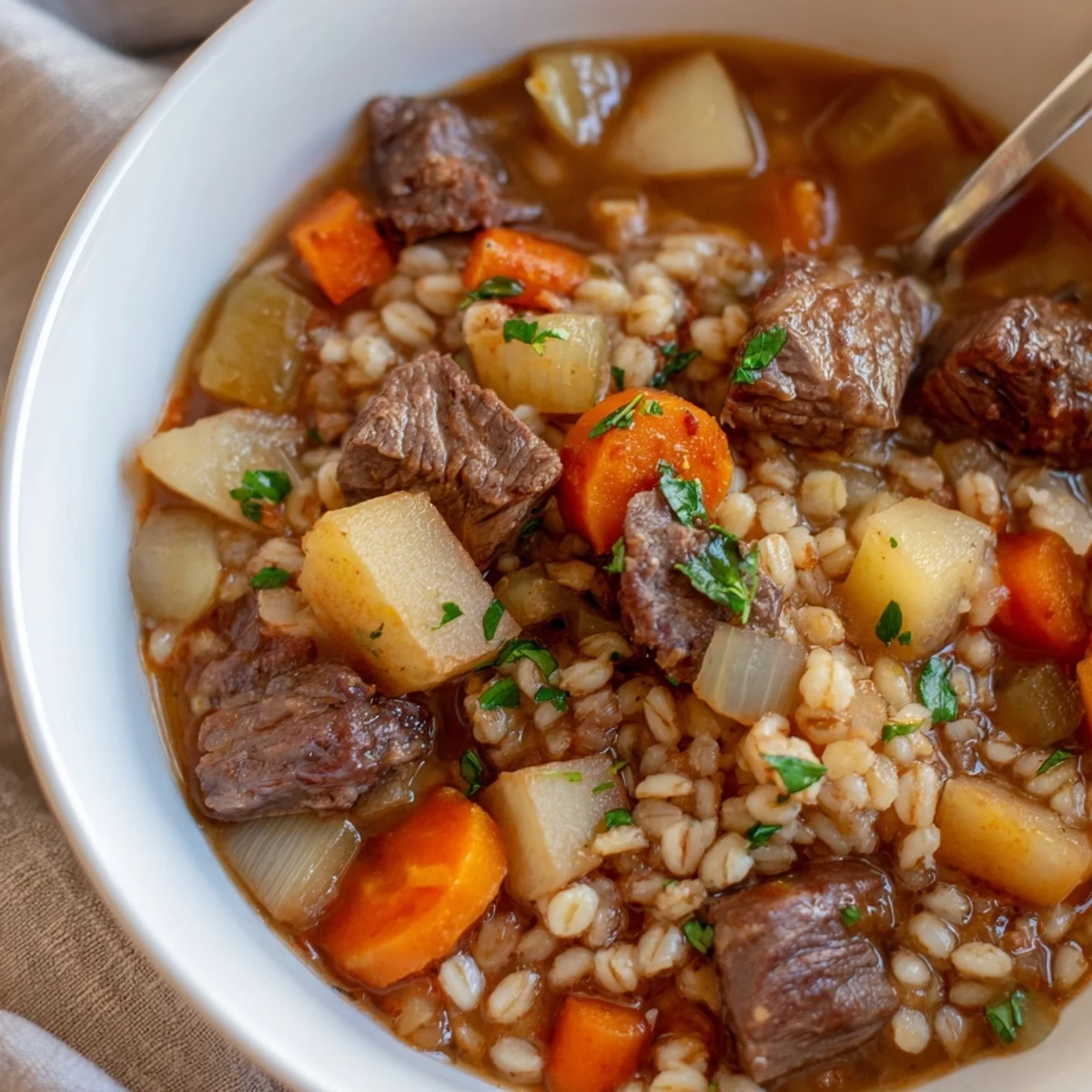
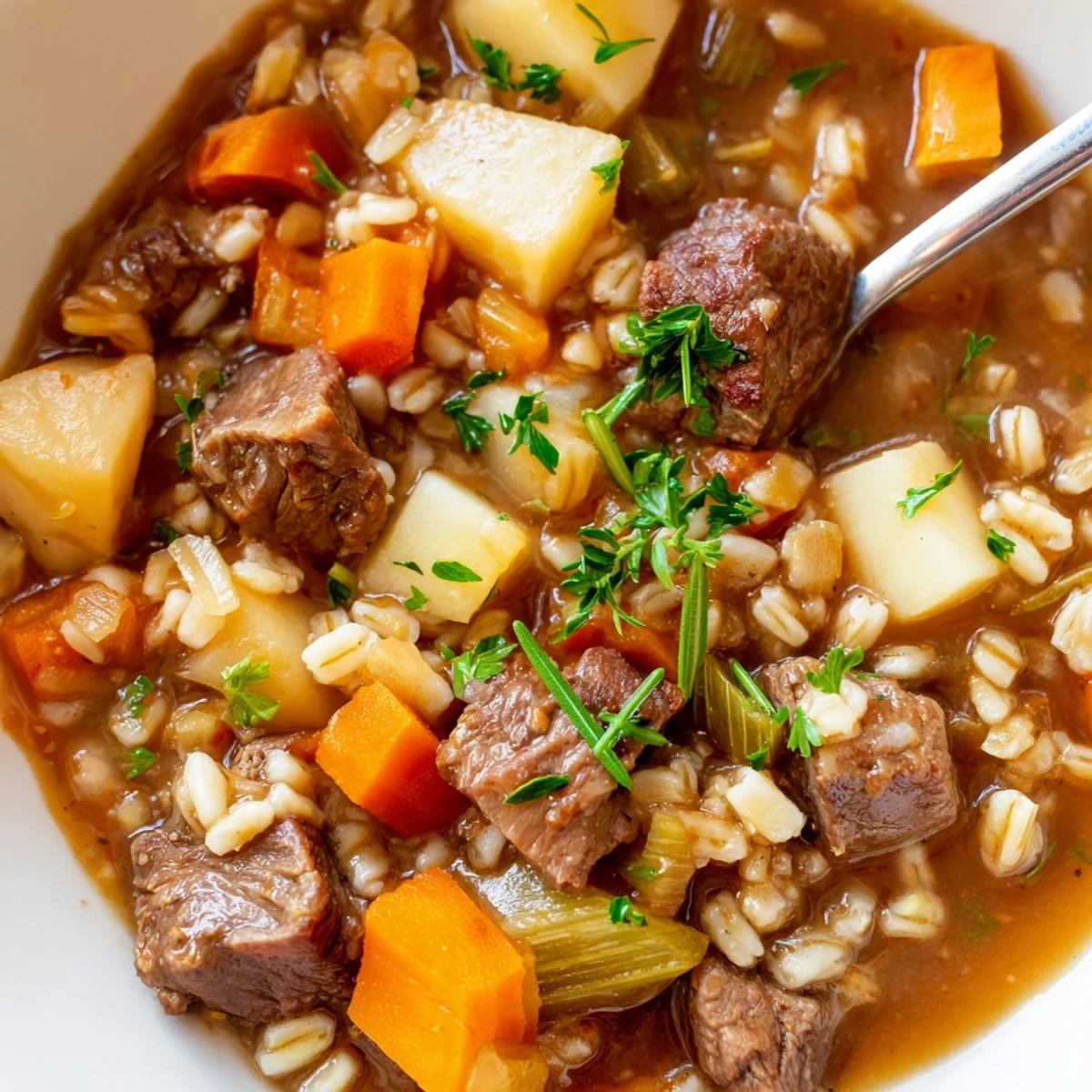
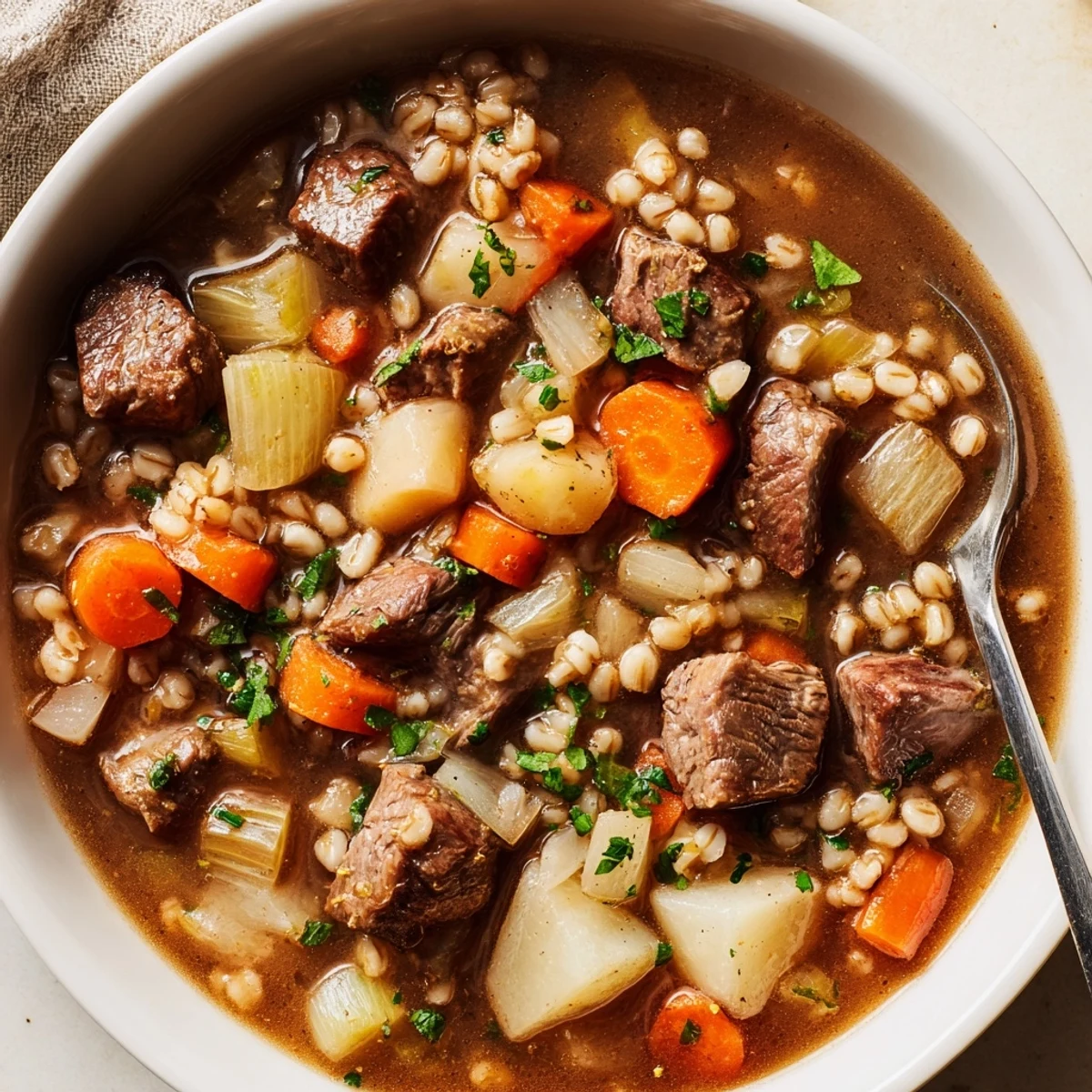
 This hearty beef and barley stew combines tender cubes of beef chuck with nutty pearl barley and a medley of sweet root vegetables like carrots, parsnips, and turnips. Slowly simmered in rich beef broth infused with thyme, rosemary, and bay leaves, it develops deep, warming flavors perfect for cooler weather. Enhanced with garlic, onions, and tomato paste, this comforting main dish offers satisfying textures and balanced seasoning, ideal for sharing and lingering enjoyment.
There's something about the sound of beef hitting hot oil that signals the start of something good. One October evening, I stood at my stove with a pile of beef chuck and suddenly understood why my grandmother always made stew when the weather turned—it fills your kitchen with warmth before you even taste it. This hearty beef and barley stew became my go-to comfort meal, the kind that tastes even better the next day and somehow knows exactly when you need it most.
I made this for my brother the first time he came home after moving away, and watching him take that first spoonful told me everything I needed to know about cooking for people. The house smelled like rosemary and beef broth for hours afterward, and he asked for the recipe before he even finished his bowl.
Ingredients
- Beef chuck, 2 lbs: The marbling matters here—look for meat with white lines running through it, which means tender, flavorful results after the long simmer.
- Olive oil, 2 tbsp: Just enough to get a proper sear on the beef without making the stew greasy.
- Onion, 1 large: Diced into pieces that will soften into the background and add natural sweetness to balance the savory beef.
- Garlic, 3 cloves: Minced fine so it melts into the cooking liquid rather than staying chunky.
- Carrots, 3: Cut into thick slices that keep some texture—thin ones turn to mush.
- Parsnips, 2: These are the secret—they add an earthy sweetness that makes people ask what's in your stew.
- Celery, 2 stalks: The unsung foundation that builds flavor as everything simmers together.
- Potatoes, 2 medium: Cut them slightly larger than you think because they shrink more than you expect.
- Turnip, 1: Don't skip this—it adds complexity and a subtle peppery note that rounds out the whole dish.
- Pearl barley, 3/4 cup: Rinsing it first keeps the stew from getting starchy and murky.
- Beef broth, 6 cups: Low sodium lets you control the salt and taste the actual beef flavor underneath.
- Water, 1 cup: Dilutes the broth just enough so the stew doesn't taste too concentrated.
- Tomato paste, 2 tbsp: Adds umami depth—trust it, even though it seems like a small amount.
- Dried thyme and rosemary, 1 tsp each: Herbaceous without being perfumy, they're what make this smell like home.
- Bay leaves, 2: The unsung flavor builders—remove them at the end or they'll make a surprise appearance in someone's spoon.
- Black pepper and salt: Taste as you go; you'll need more than you think once everything cooks down.
- Fresh parsley, 2 tbsp: A handful at the end brightens up what could otherwise feel heavy.
Instructions
- Sear the beef:
- Heat your oil until it shimmers and almost smokes—this is when you'll get that gorgeous brown crust. Work in batches so you're not crowding the pot, and listen for that satisfying sizzle as each piece hits the heat.
- Build the flavor base:
- The onion goes in first to soften and release its sweetness, then garlic for just a minute so it doesn't burn. You're creating the foundation that everything else will rest on.
- Add the vegetables:
- Stir in the carrots, parsnips, celery, potatoes, and turnip and let them catch some color for five minutes. This step matters more than it seems—a little browning on the vegetables adds another layer of flavor.
- Season and coat:
- Mix in the tomato paste, herbs, and pepper, stirring until everything is coated and glossy. Smell it at this point—you'll know the aromatics are working.
- Add the liquid and simmer:
- Pour in the broth and water, bring it to a boil, then turn the heat way down and cover. The beef needs a full hour to become truly tender, so resist the urge to rush this.
- Stir in the barley:
- After the first hour, add the barley and let everything cook together for another forty-five minutes. The barley will plump up and the stew will thicken slightly as it releases its starch.
- Taste and finish:
- Fish out the bay leaves, taste the broth, and add salt until it tastes like something you actually want to eat. Garnish with fresh parsley to wake up all those flavors you've been building.
 Save to Pinterest
 The real magic happened when my neighbor smelled this simmering and knocked on my door to ask what I was making. We ended up sharing bowls on my porch in the fading light, talking about nothing in particular, and I realized this stew had become the kind of food that brings people together without trying.
Why This Stew Stands the Test of Time
There's a reason beef and barley stew has been made for generations—it works. The beef gets so tender it falls apart on your tongue, the vegetables soften into the broth without losing their identity, and the barley adds a nutty, substantial texture that makes you feel satisfied for hours afterward. It's the kind of dish that tastes better than it has any right to, given how simple it actually is.
Making It Your Own
This stew is forgiving enough to adapt to what you have on hand. I've made it with red wine splashed in at the end, swapped the turnip for rutabaga, and even added mushrooms when I had them. The core technique stays the same—brown the beef, build the vegetables, add liquid, and let time do the work.
Storage and Serving Suggestions
This stew improves overnight as the flavors meld together, so make it ahead if you're feeding people you want to impress. It reheats beautifully on the stovetop over low heat, and you can freeze it for up to three months in containers, leaving a little room at the top for expansion.
- Serve it in bowls with crusty bread for soaking up every last drop of broth.
- A simple green salad alongside cuts through the richness perfectly.
- Leftovers are just as good cold straight from the fridge as they are reheated.
 Save to Pinterest
 This is the kind of meal that fills your stomach and your kitchen with something honest and good. Make it on a day when you have time to let it simmer and the patience to let it teach you something about cooking.
Recipes Q&A
- → What cut of beef is best for this stew?
-
Beef chuck is ideal due to its marbling and ability to become tender when slow-cooked, yielding rich flavor and texture.
- → How should barley be prepared before cooking?
-
Rinse the pearl barley thoroughly under cold water to remove excess starch for a cleaner, less gummy texture.
- → Can other vegetables be used in place of turnips?
-
Yes, rutabaga or sweet potato can be substituted to vary the flavor profile while maintaining the stew’s hearty character.
- → What is the best way to brown the beef?
-
Brown beef cubes in batches over medium-high heat using a heavy pot to develop a deep caramelized crust without steaming.
- → How long should the stew simmer for optimal tenderness?
-
Simmer for about 2 hours total, adding barley after the first hour, to allow beef and grains to become tender without overcooking.
- → Are there suggestions to enhance the stew’s depth of flavor?
-
Adding a splash of red wine to the broth or incorporating fresh herbs before serving can elevate the stew’s aromatic complexity.