
 Save to Pinterest
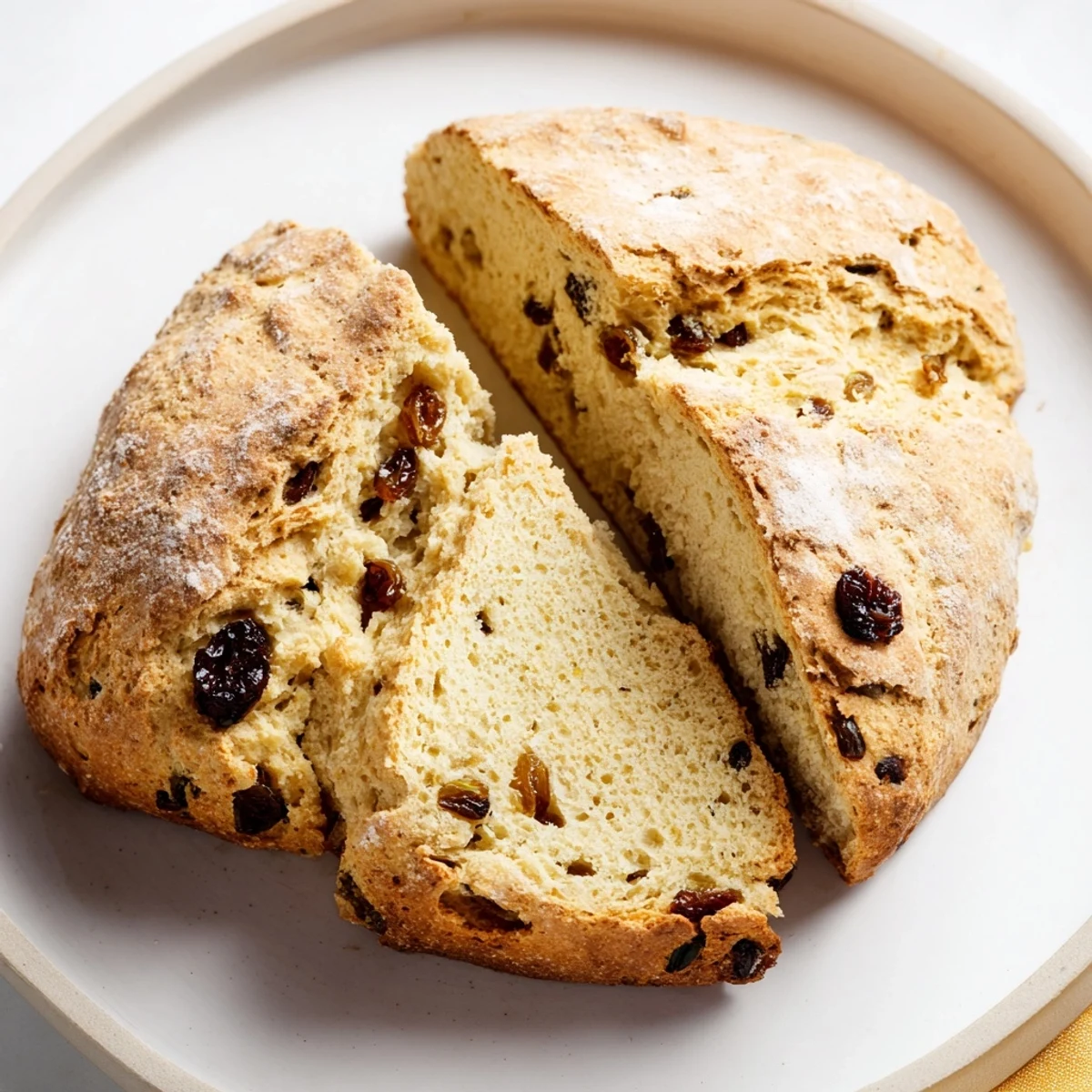
 This Irish soda bread blends a tender crumb and golden crust with sweet raisins and aromatic caraway seeds for a flavorful loaf. Made without yeast, it combines all-purpose flour, buttermilk, and baking soda for a quick rise. Mixed gently and lightly kneaded, the dough is shaped into a round loaf and scored before baking. The warm bread offers a delicious balance of sweetness and spice, perfect for toasting or enjoying fresh.
The morning fog was still clinging to our kitchen windows when I first attempted Irish soda bread, convinced that something so simple couldn't possibly deliver the rustic charm I'd read about in old cookbooks. I was proven delightfully wrong when that first loaf emerged from the oven, its cross-hatched top golden and promising, filling the entire house with an aroma that made even the cat hover near the oven door. Now it's become my go-to for unexpected visitors or those Tuesday evenings when comfort food feels absolutely necessary.
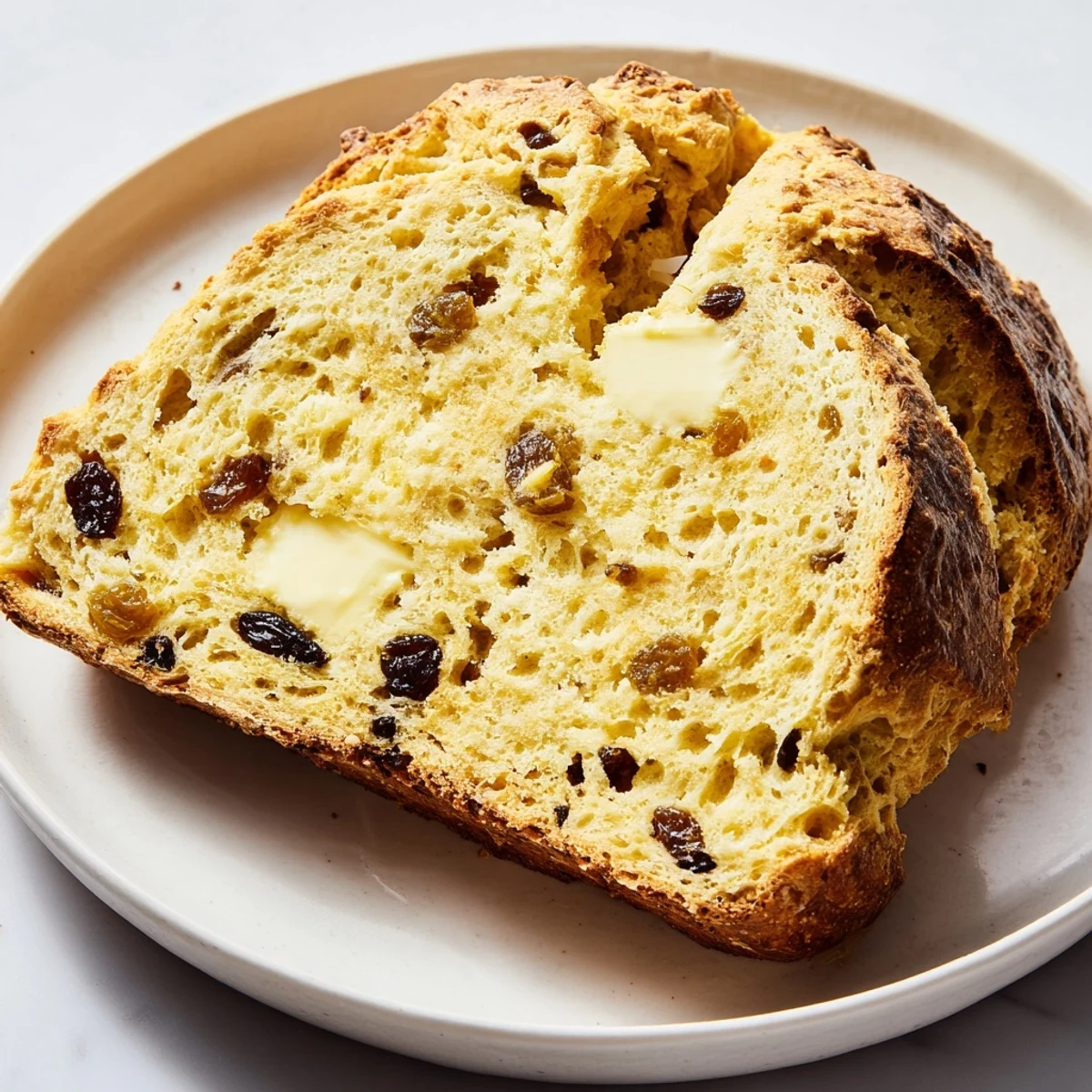
Last March, my neighbor Sarah stopped by just as I was pulling a loaf from the oven. We ended up standing at the counter, slathering warm slices with salted butter while the steam still curled off each piece, talking about everything and nothing until the entire loaf had vanished between us.
Ingredients
- All-purpose flour: Four cups give this bread its structure while keeping the crumb tender enough for liberal butter spreading
- Granulated sugar: Just a quarter cup provides subtle sweetness that balances the caraway without making it dessert-like
- Baking soda: This is the magic leavening agent that works with buttermilk to create rise without any yeast waiting period
- Kosher salt: Essential for enhancing all the flavors and balancing the sweet raisins against earthy caraway
- Caraway seeds: One tablespoon might seem generous but these aromatic seeds are what make this bread distinctly Irish and utterly addictive
- Raisins: A full cup ensures every bite has pockets of sweet contrast to the savory bread base
- Buttermilk: The acidity activates the baking soda while creating an incredibly tender crumb structure
- Egg: Adds richness and helps bind everything together into a cohesive dough
- Unsalted butter: Melted and cooled, it contributes to both flavor and that golden crust we all want
Instructions
- Get your oven ready:
- Preheat to 400°F and line your baking sheet with parchment paper, saving yourself from any stuck loaf heartbreak later
- Whisk your dry foundation:
- In a large bowl, combine the flour, sugar, baking soda, salt, and caraway seeds until everything is evenly distributed throughout the flour
- Coat the raisins:
- Stir in the raisins, making sure they get nicely dusted with flour which helps prevent them from sinking to the bottom during baking
- Prepare the wet mixture:
- In a separate bowl, whisk together the buttermilk, beaten egg, and melted butter until smooth
- Bring it together:
- Make a well in your dry ingredients, pour in the wet mixture, and stir with a wooden spoon just until a shaggy dough forms
- Gentle shaping:
- Turn the dough onto a floured surface, knead it only five to eight times, and shape into a round about seven or eight inches across
- The signature cross:
- Transfer to your prepared baking sheet and use a sharp knife to cut a deep X across the top, which helps the bread bake evenly
- Bake to golden:
- Bake for thirty-five to forty minutes until deeply golden, tenting with foil after twenty-five minutes if the top browns too quickly
- Patience pays off:
- Cool on a wire rack for at least twenty minutes because slicing into warm bread will give you a gummy texture
 Save to Pinterest
 My motherinlaw, who spent years living in Dublin, told me that every Irish household has their own version of this bread and that the debate about whether to include raisins is surprisingly passionate at family gatherings.
The Secret to Perfect Texture
The key is handling the dough as little as possible once the liquid hits the flour. Unlike yeast breads that love extensive kneading, soda bread gets tough and chewy when overworked. Think gentle folding and pressing rather than aggressive manipulation.
Making It Your Own
While this traditional combination is beloved in our house, the base recipe adapts beautifully to whatever you have on hand. The important thing is maintaining the ratio of dry to wet ingredients so the chemistry works properly.
Serving Suggestions
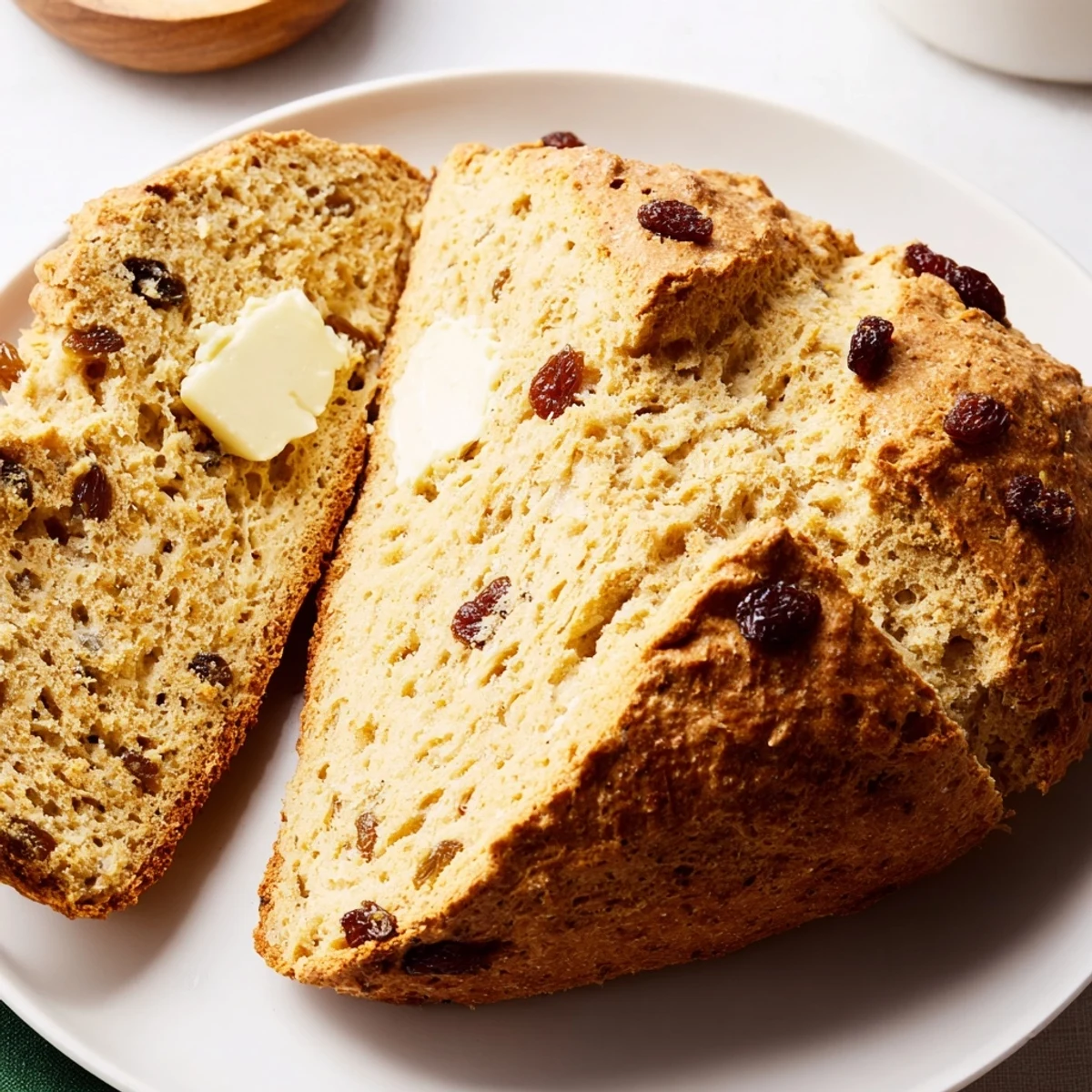
This bread deserves to be the star of your breakfast or afternoon tea spread. The sweetness level makes it equally perfect with salted butter and jam or alongside a sharp cheddar cheese board.
- Leftovers, if they survive, make exceptional toast the next morning
- Try it alongside Irish stew for a complete comfort meal
- Wrap slices tightly and freeze for quick weekday breakfasts
 Save to Pinterest
 There is something profoundly satisfying about a recipe that connects you to generations of home bakers who relied on simple ingredients and trust in the process rather than fancy techniques or equipment.
Recipes Q&A
- → What makes this soda bread unique?
-
The addition of raisins adds subtle sweetness, while the caraway seeds provide an aromatic, slightly spicy note that enhances the traditional bread flavor.
- → How do I know when the bread is fully baked?
-
The loaf should have a deep golden crust and pass the skewer test—a skewer inserted in the center comes out clean.
- → Can I substitute the raisins?
-
You can replace raisins with currants or dried cranberries for a different fruity touch without altering the texture.
- → Why is the dough only lightly kneaded?
-
Light kneading helps maintain a tender crumb by preventing gluten from developing too much, avoiding a tough texture.
- → What is the purpose of scoring the top?
-
Cutting a deep X on top allows steam to escape during baking and helps the bread expand evenly.