
 Save to Pinterest
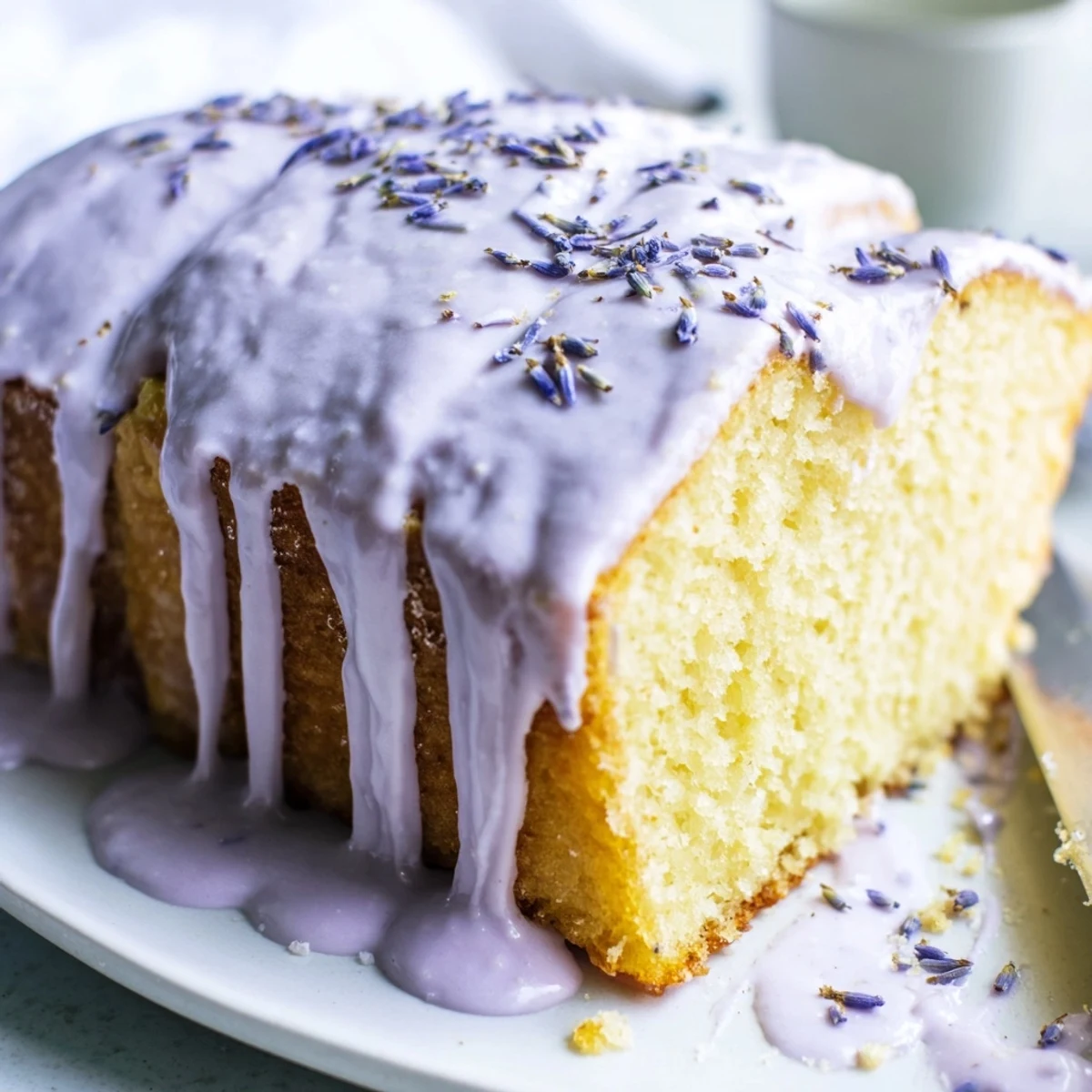
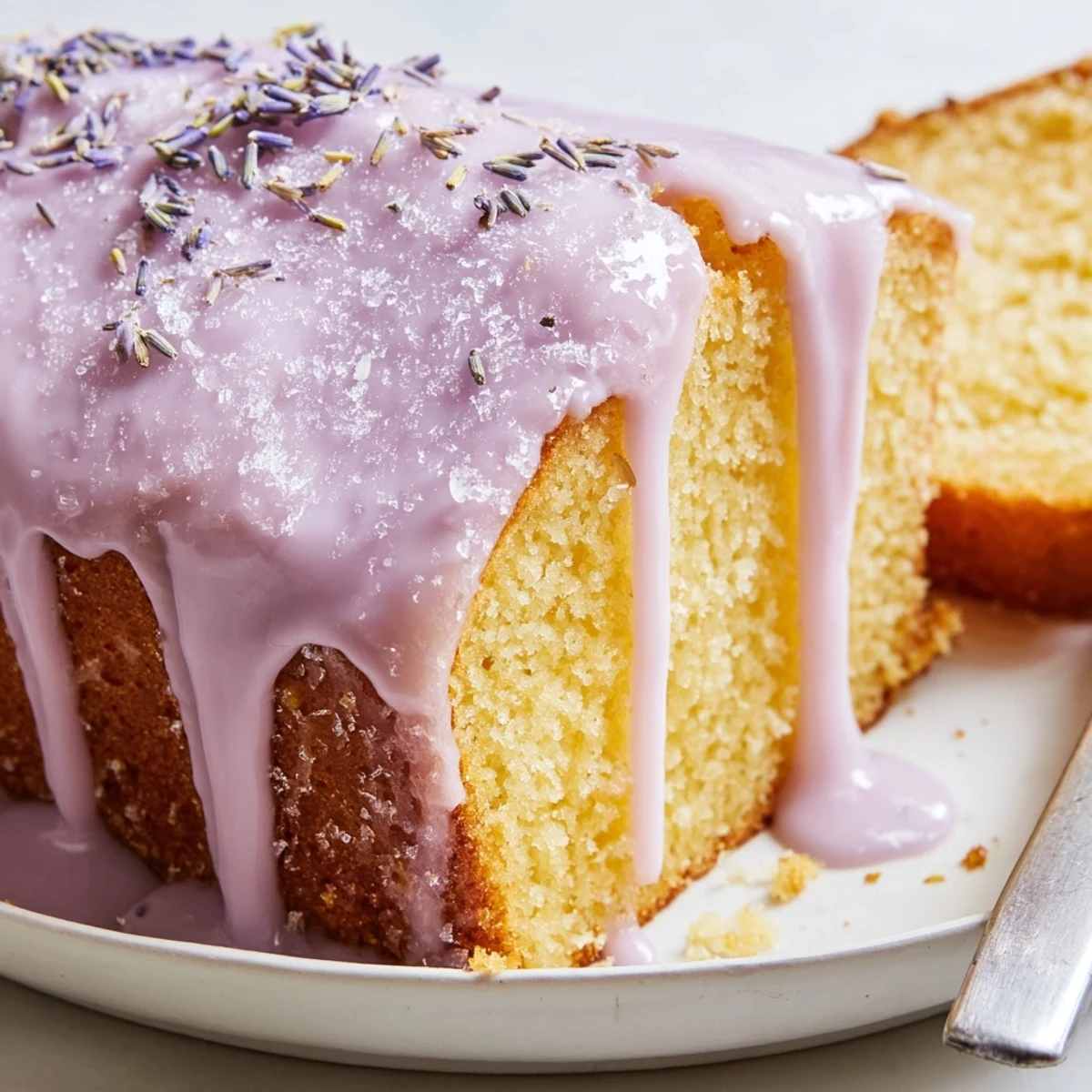
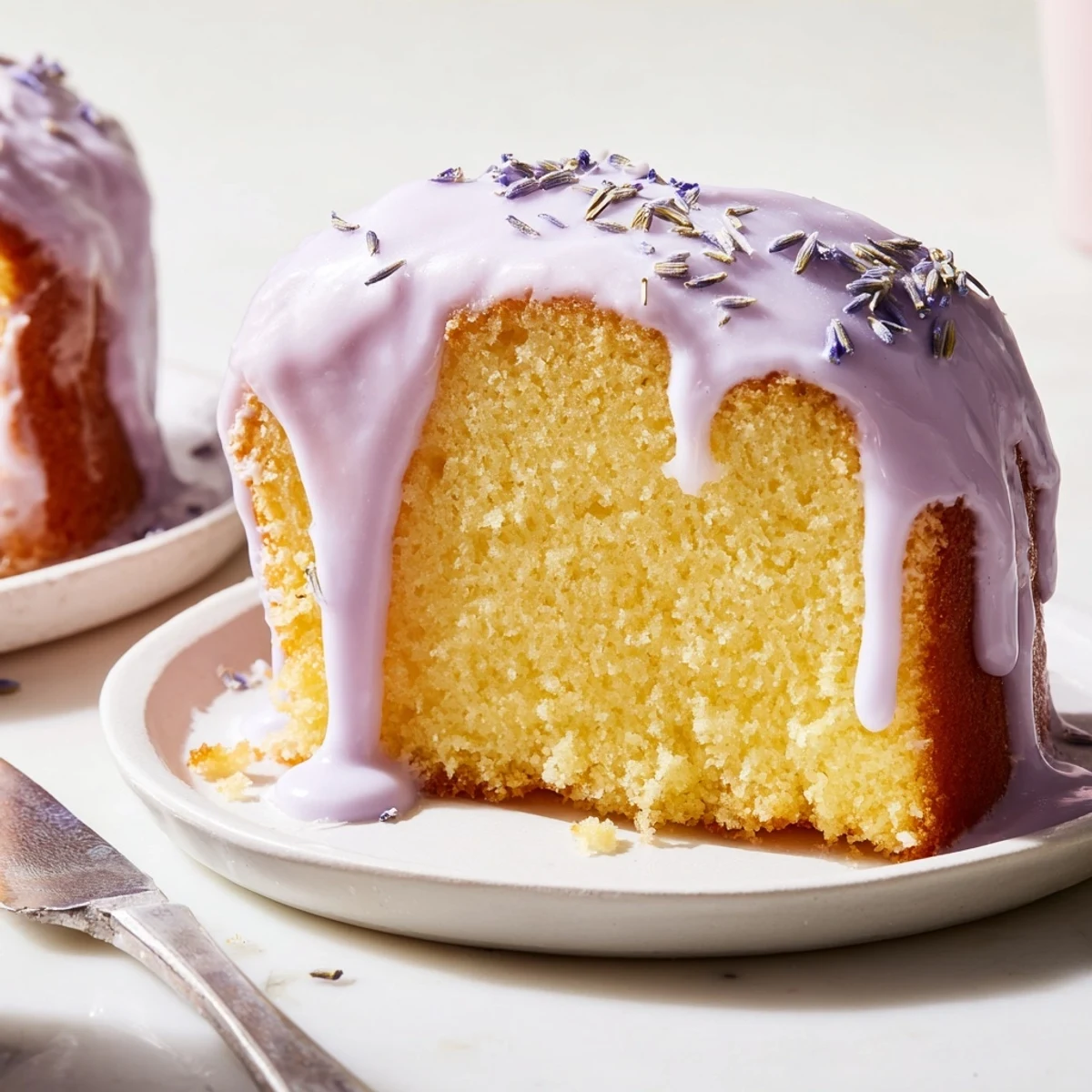
 This delicate lavender glaze brings subtle floral elegance to your favorite baked treats. The infusion process extracts gentle lavender flavor into warm milk, which combines with powdered sugar for a smooth, pourable finish. Perfect for drizzling over pound cake, scones, sugar cookies, or bundt cakes.
The preparation takes just minutes: steep dried culinary lavender in warm milk, strain, then whisk into powdered sugar until smooth. Adjust consistency easily by adding more milk for a thinner glaze or extra sugar for thickness. Optional lemon juice adds brightness that enhances the floral notes.
The first time I made lavender glaze, I was skeptical about putting flowers in my frosting. Then that incredible perfume hit my kitchen and I understood why French bakers have been doing this for centuries.
I drizzled this over a simple vanilla pound cake for a book club meeting, and suddenly everyone was asking for the recipe instead of discussing the book. Sometimes thats exactly the kind of distraction you want.
Ingredients
- Dried culinary lavender: Only use lavender labeled for cooking, as garden varieties may have been treated with pesticides
- Whole milk: The fat content carries the lavender flavor better than skim, though any milk works in a pinch
- Powdered sugar: Creates that silky smooth texture that liquid sweeteners just cannot achieve
- Lemon juice: Just a tiny cut of acidity keeps the floral notes from becoming too cloying
Instructions
- Infuse the milk:
- Gently warm the milk with lavender until it releases its perfume without ever reaching a boil
- Strain and cool:
- Remove every bud so your glaze stays perfectly smooth and silky
- Whisk the base:
- Start with less infused milk than you think you need, as the glaze should pour slowly not run
- Adjust the texture:
- Add milk or sugar by the teaspoon until it coats a spoon exactly how you like it
- Glaze immediately:
- Work while the glaze is still warm for the most beautiful, even coverage on your baked goods
 Save to Pinterest
 My sister now requests this glaze on her birthday cake every year. It became our thing, and I bake half a dozen scones just to have an excuse to make it.
Pairing Suggestions
This glaze shines brightest on neutral treats that let the lavender speak. Classic vanilla, lemon, or almond baked goods create the perfect canvas without competing flavors.
Storage Solutions
Keep leftover glaze in an airtight container at room temperature for up to two days. If it thickens, whisk in a few drops of milk to bring it back to life.
Make It Your Own
Once you master the basic glaze, the variations become second nature. A splash of vanilla extract or a pinch of dried rose petals creates entirely different experiences while keeping the same technique.
- Try honey instead of powdered sugar for a rustic variation
- Mix in fresh lemon zest for extra brightness and color
- Pair with fresh berries for a stunning dessert presentation
 Save to Pinterest
 Something magical happens when you drizzle this over a warm scone and watch it slowly set. Simple moments like that are why I keep baking.
Recipes Q&A
- → What does lavender glaze taste like?
-
Lavender glaze offers delicate floral sweetness with subtle perfume-like notes. The flavor is gentle and sophisticated, adding aromatic complexity without overwhelming the palate. The lemon juice optional addition provides bright contrast to the floral elements.
- → Can I use fresh lavender instead of dried?
-
Yes, fresh lavender works, though dried culinary lavender is more reliable for consistent flavor. If using fresh, use about twice the amount and ensure it's pesticide-free. Always choose culinary-grade lavender regardless of form.
- → How long does lavender glaze keep?
-
Store in an airtight container at room temperature for 2-3 days. For longer storage, refrigerate up to one week. The glaze may thicken when cold—simply whisk in a few drops of warm milk to restore pourable consistency.
- → Why did my glaze turn out too thick?
-
Temperature and humidity affect powdered sugar absorption. If too thick, gradually add lavender milk one teaspoon at a time, whisking thoroughly between additions. The glaze should flow slowly from a spoon but hold its shape on baked goods.
- → What can I use instead of whole milk?
-
Dairy alternatives like almond, oat, or coconut milk work beautifully. Plant-based options may add subtle complementary flavors. For the most neutral taste, choose unsweetened varieties. The glaze sets well regardless of milk choice.