
 Save to Pinterest
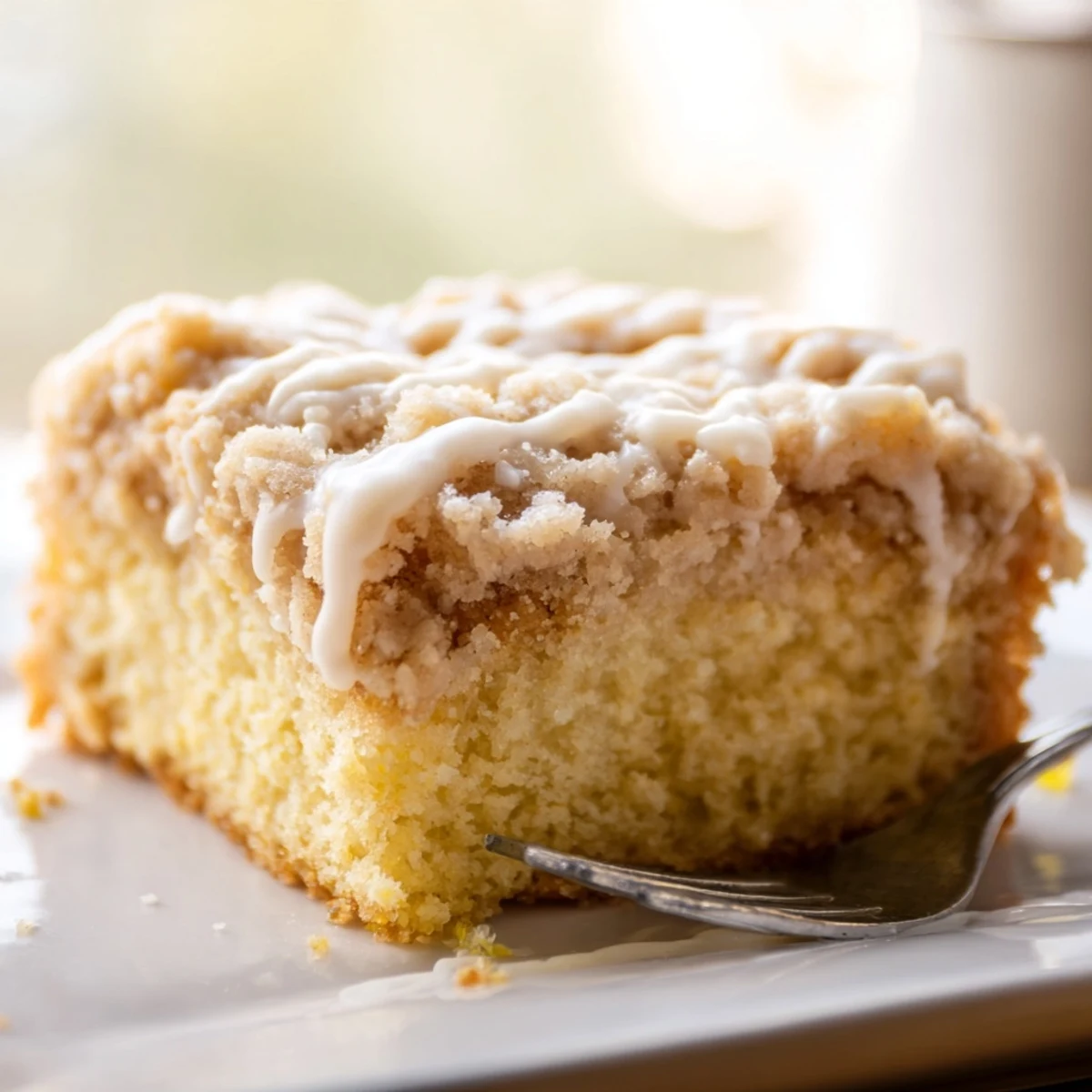
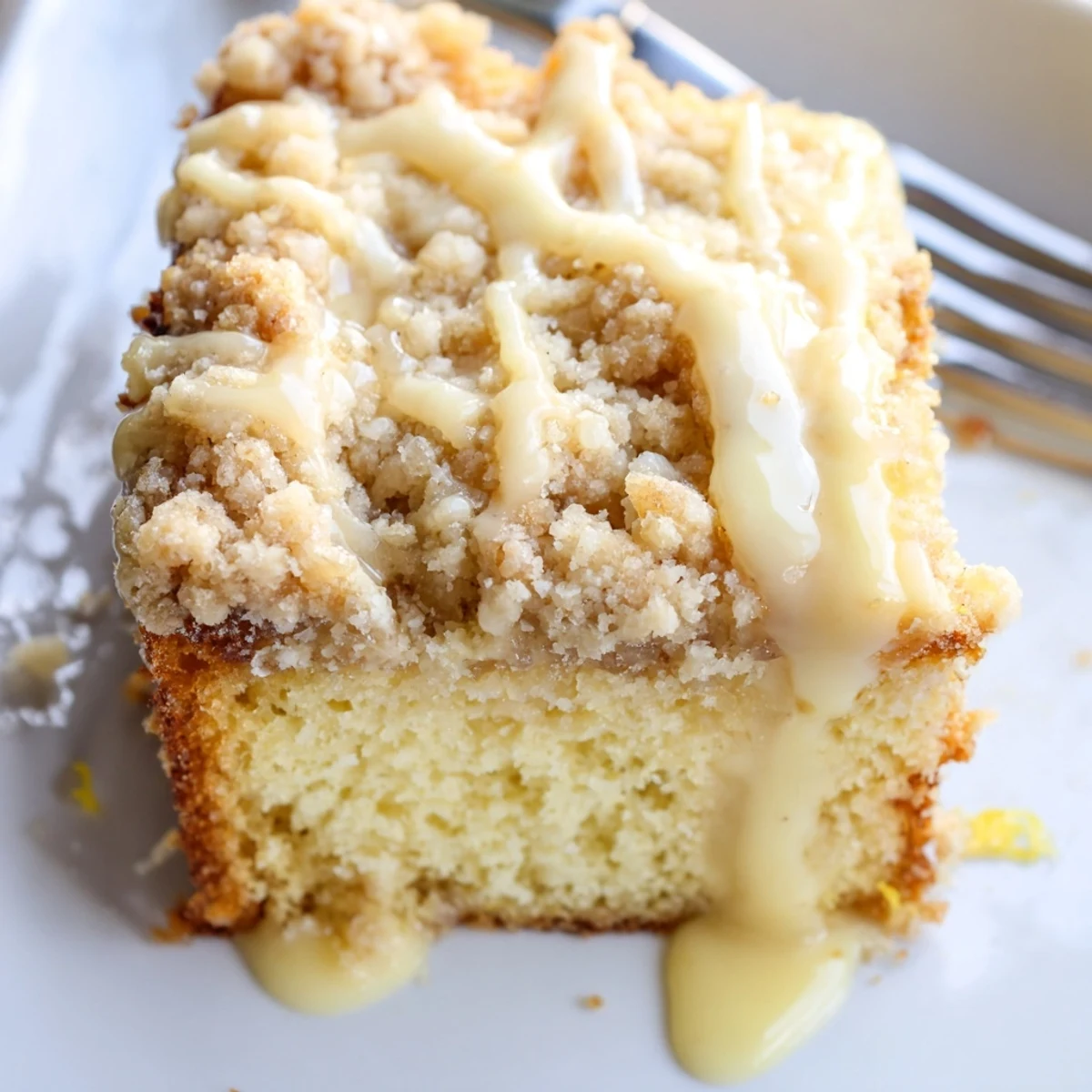
 This lemon coffee cake features a soft, moist crumb infused with fresh lemon zest and juice for a vibrant citrus flavor. A crumbly topping adds buttery texture and a hint of cinnamon, lending a delightful contrast. Made with simple ingredients like sour cream and vanilla, it’s ideal for breakfast or afternoon indulgence. Optional lemon glaze enhances sweetness and brightness. Serve warm or cooled, perfect with cream or berries for a comforting treat that brightens the day.
There's something about the smell of lemon zest hitting hot butter that makes me abandon whatever I'm doing. Years ago, I found myself with three lemons and a craving for something that tasted like sunshine, and this cake somehow became the answer—tender crumb, bright citrus, and a buttery crumble that never fails to disappear. It's the kind of recipe that feels simple until you taste how the lemon sings through every bite, and then you understand why it keeps getting made.
I made this for my neighbor's kitchen gathering one Saturday morning, and I remember the kitchen filling with this golden citrus smell that made everyone pause mid-conversation. She asked for the recipe before the last crumb was gone, and I've since learned that's how you know a recipe is truly worth keeping—when people interrupt themselves to ask about it.
Ingredients
- All-purpose flour (2 cups for cake, 1/2 cup for crumble): Measure by spooning into your measuring cup rather than scooping directly from the bag—it makes the cake tender instead of dense.
- Granulated sugar: The 3/4 cup sweetens the cake itself, while another 1/3 cup goes into the crumble for textural contrast.
- Unsalted butter (1/2 cup softened plus 1/4 cup cold): The softened butter creams with sugar to trap air; the cold cubes go into the crumble and stay separate for that desirable coarse texture.
- Large eggs (2): Room temperature eggs blend more smoothly, so pull them out while you're preheating the oven.
- Sour cream and whole milk (1/2 cup and 1/4 cup): Together they keep the cake moist without making it dense or gummy.
- Lemon zest and juice (2 tbsp zest, 1/4 cup juice): The zest carries bright flavor oils; the juice adds moisture and tang—this is where the whole recipe sings.
- Baking powder and baking soda (2 tsp and 1/2 tsp): They work together to give the cake lift and a tender crumb structure.
- Vanilla extract (1 tsp): Just enough to deepen the flavor without announcing itself.
- Ground cinnamon (1/2 tsp, optional): In the crumble, cinnamon feels like a warm whisper that makes the lemon brighter.
- Salt (1/4 tsp in cake, pinch in crumble): Always taste the salt—it's the ingredient that makes everything else taste like itself.
Instructions
- Set your stage:
- Preheat to 350°F and grease your 9-inch pan thoroughly. When your oven is ready, you're already halfway to success.
- Build the crumble first:
- Whisk together flour, sugar, cinnamon if using, and salt in a small bowl. Cut in the cold butter with a fork or your fingertips until it looks like coarse breadcrumbs—this only takes a minute, and then refrigerate it while you work on the batter.
- Cream the butter and sugar:
- Beat them together until the mixture is pale and fluffy, about three minutes. This traps air and gives the cake its tender structure, so don't skip this step or rush it.
- Add eggs one at a time:
- Mix each egg in fully before adding the next—this prevents the batter from breaking and keeps everything emulsified. Then add the lemon zest, lemon juice, sour cream, milk, and vanilla.
- Fold in the dry ingredients:
- Whisk flour, baking powder, baking soda, and salt together in a separate bowl, then add to the wet ingredients. Mix just until you don't see streaks of flour—overmixing makes the cake tough.
- Pan, top, and bake:
- Pour the batter into your pan and spread level. Scatter the chilled crumble topping over the whole surface, then bake for 38 to 42 minutes until a toothpick comes out clean—the crumble will turn golden brown.
- Cool with patience:
- Let it rest in the pan for 10 minutes—this prevents the cake from breaking apart. Then turn it onto a wire rack to cool completely.
- Add glaze if you're feeling generous:
- Whisk powdered sugar with lemon juice until smooth and drizzle it over the cooled cake.
 Save to Pinterest
 I've watched this cake disappear at potlucks while people stood in the kitchen asking questions, and I've also made it on quiet mornings just for myself and one cup of coffee. Either way, there's this moment where you bite through the buttery crumble into that tender, lemony cake, and suddenly the whole effort feels completely worthwhile.
When to Make This (and Why)
Lemon cake sings in spring and summer when you want something bright without being too heavy, but honestly it works any time someone needs a little edible cheer. The forty-minute bake time makes it perfect for weekend brunch, and the tender crumb means it doesn't dry out if you wrap a slice for later. I've made it the morning of dinner parties and I've also made it on Tuesday afternoons just because the lemons looked good at the market.
Variations Worth Trying
The base recipe is forgiving enough that you can play with it once you understand how it works. A handful of fresh blueberries stirred into the batter adds pockets of tartness, or you could swap half the all-purpose flour for almond flour to change the texture entirely. Some bakers add a tablespoon of poppy seeds to the crumble, which catches the light and adds a gentle nuttiness.
Serving and Storage Wisdom
Warm cake with whipped cream or vanilla ice cream is almost transcendent, though room temperature is lovely too because the crumble texture stays better. Leftovers keep in an airtight container at room temperature for two days, or wrap slices individually and freeze them for up to a month—which means you could theoretically have lemon cake ready whenever you need it.
- Dust the crumble topping with a tiny pinch of fleur de sel just before serving if you want to emphasize the lemon flavor.
- The optional glaze adds sweetness and shine, but the cake is perfectly complete without it.
- If your cake domes too much in the middle, it's fine—crumble disguises everything.
 Save to Pinterest
 This cake has taught me that sometimes the simplest recipes are the ones people remember longest. Make it, share it, and watch what happens.
Recipes Q&A
- → How do I achieve a tender crumb in this lemon cake?
-
Using sour cream and softened butter helps keep the cake moist and tender. Be careful not to overmix the batter to avoid toughness.
- → Can I add fruit to this cake?
-
Yes, adding fresh blueberries to the batter creates a fruity twist that complements the lemon flavor beautifully.
- → What is the purpose of the crumble topping?
-
The buttery crumble adds texture and a sweet, crunchy contrast to the cake’s soft crumb, enhancing overall flavor and enjoyment.
- → Is the lemon glaze necessary?
-
The glaze is optional but adds bright citrus sweetness and a glossy finish, making the cake even more flavorful and visually appealing.
- → How should I store leftovers?
-
Store cooled cake in an airtight container at room temperature for up to two days to maintain freshness and moisture.