
 Save to Pinterest
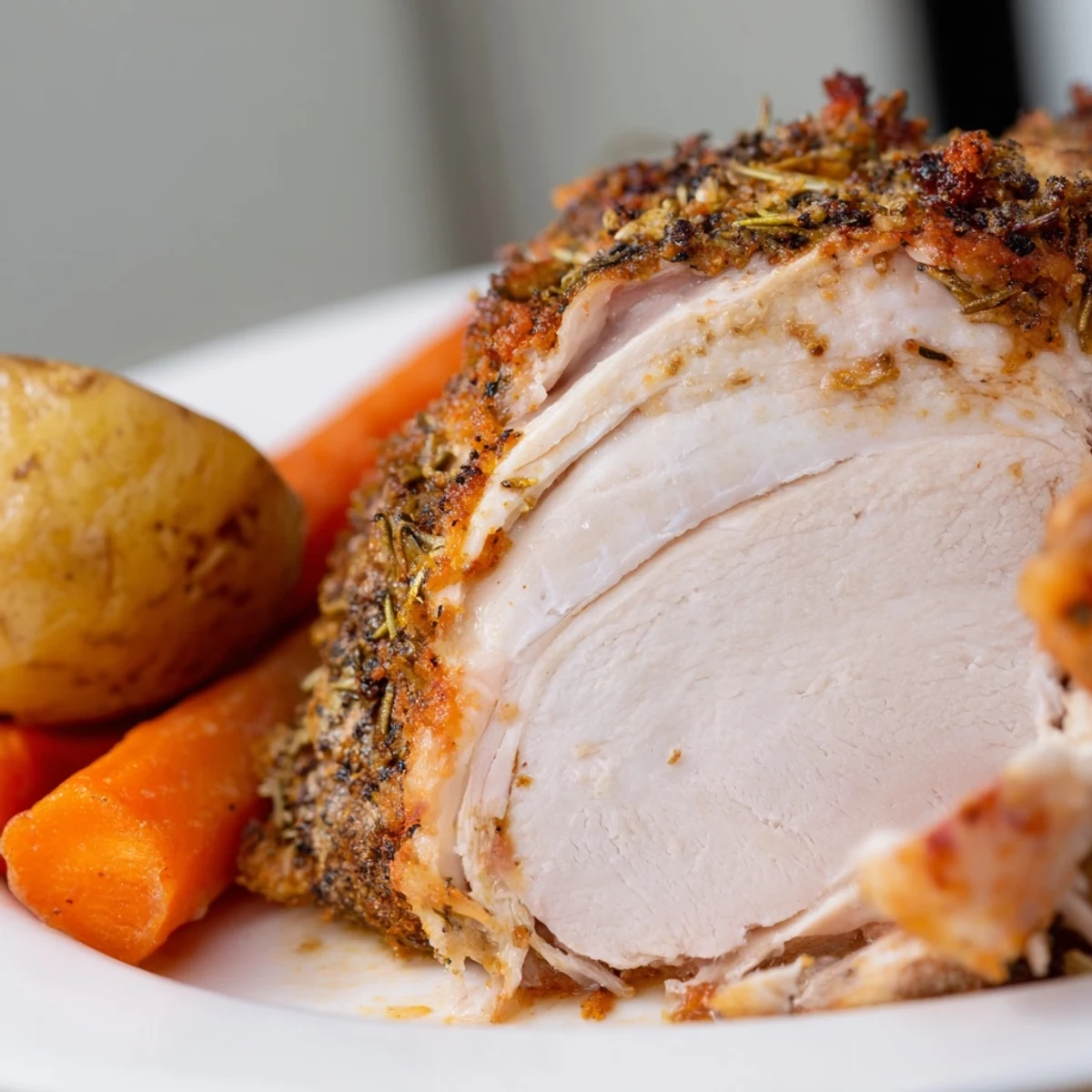
 This dish features a succulent boneless turkey breast seasoned with zesty lemon, fragrant rosemary, and thyme. It's roasted alongside a colorful medley of baby potatoes, carrots, and red onion on a single sheet pan, allowing flavors to meld perfectly. Minimal preparation and cleanup make it ideal for a flavorful yet simple meal. Resting the meat after roasting ensures juicy, tender slices ready to enjoy with bright lemon juice for a fresh finish.
A Tuesday evening when everything felt rushed, I threw together this sheet pan dinner almost on instinct—turkey breast, lemon, whatever herbs were still green in my garden. The smell that filled the kitchen was so unexpectedly wonderful that my roommate actually stopped working and came to ask what I was making. That's when I realized this simple roast had become my go-to move for when I want something that tastes like I spent hours fussing, but really just needed one pan and honest ingredients.
I made this for my sister's surprise dinner party once, nervous because I'd never cooked turkey outside of November. But the simplicity of it—just seasoning, roasting, waiting—somehow made me calmer. When I pulled it out and the skin was golden and the vegetables were caramelized at the edges, I felt that quiet confidence that comes from letting good ingredients do their job. She still asks me to make it, which tells me everything.
Ingredients
- Boneless, skin-on turkey breast (2 to 2.5 lbs): Look for one with the skin still attached—that's where the magic happens, crisping up and keeping the meat impossibly tender underneath.
- Olive oil: Use something decent but not your fanciest; this is a workhorse ingredient here.
- Lemon: Fresh and bright, both zest and juice matter equally.
- Garlic cloves, minced: Two cloves might seem modest, but they perfume everything without overpowering.
- Fresh rosemary and thyme: If you only have dried, use half the amount; fresh herbs make a visible, aromatic difference here.
- Kosher salt and black pepper: These are your foundation—don't skip them or substitute.
- Carrots, baby potatoes, and red onion: These vegetables love the turkey's rendered fat and create their own caramelized sweetness.
Instructions
- Prep your pan:
- Preheat the oven to 400°F and line a rimmed sheet pan with parchment paper or foil. This small step saves you from scrubbing later and helps everything roast evenly.
- Make your herb paste:
- In a small bowl, whisk together olive oil, lemon zest, lemon juice, minced garlic, rosemary, thyme, salt, and pepper until it looks loose and fragrant. This is your seasoning base, the thing that makes everything taste intentional.
- Season the turkey:
- Pat the turkey breast dry with paper towels, then rub the herb mixture all over it, getting some under the skin if you can. The drier the surface, the better the skin will crisp.
- Prepare the vegetables:
- Toss your carrots, potatoes, and red onion with olive oil, salt, and pepper in a large bowl until everything's coated, then spread them across the sheet pan in a single layer. They'll roast faster and more evenly this way.
- Bring it together:
- Place the seasoned turkey breast skin side up in the center of the vegetables. Roast for 50 to 60 minutes, tossing the vegetables halfway through, until the turkey's internal temperature hits 165°F and the vegetables are tender and slightly caramelized at the edges.
- Rest and serve:
- Let the turkey rest for 10 minutes after it comes out—this keeps it juicy when you slice it. Serve with the roasted vegetables and a squeeze of fresh lemon if you want an extra brightness.
 Save to Pinterest
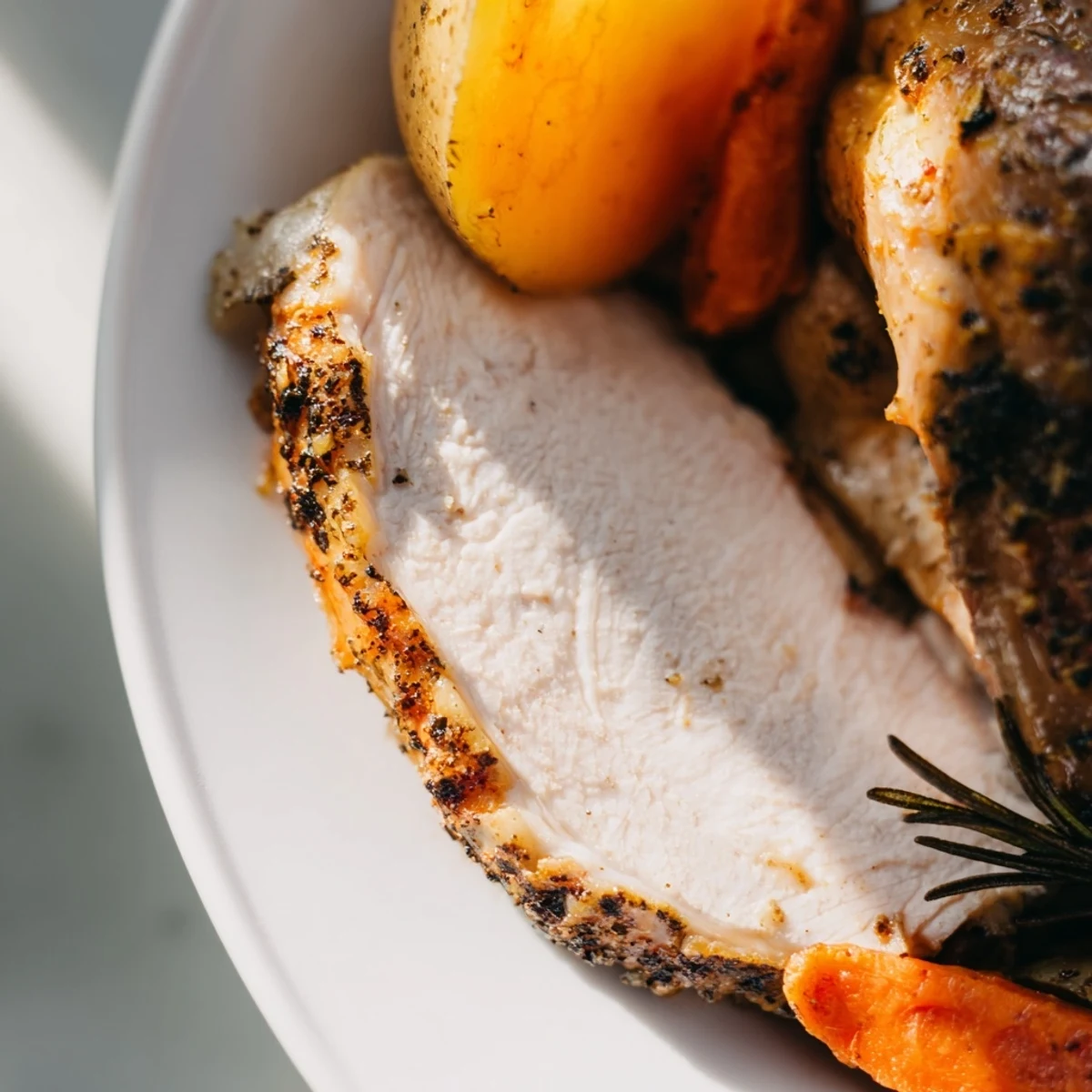
 There was a moment, maybe four minutes before serving, when I realized the kitchen smelled like lemon, herbs, and golden-roasted everything—the kind of smell that makes people relax as soon as they walk in. Food shouldn't just taste good; it should announce itself with intention. This recipe does that without asking you to be a chef.
Why Sheet Pan Dinners Feel Like a Secret
Sheet pan cooking is the opposite of fussy, yet it creates the impression of effort. Everything roasts in one space, the turkey and vegetables trading flavors back and forth, the whole thing coming together with minimal attention. It's the kind of cooking that looks effortless because it actually is—no juggling pans, no complicated timing. Once it's in the oven, you have almost an hour to yourself, which in a kitchen is basically a vacation.
Vegetables Beyond the Basics
The carrots, potatoes, and onion I've listed are the foundation, but this recipe welcomes improvisation. I've roasted parsnips alongside the turkey and gotten caramelization that tasted like autumn itself. Sweet potatoes add an unexpected sweetness that plays nicely against the lemon's tartness. Even Brussels sprouts, if you split them and toss them in that same herb-lemon oil, turn into something almost crispy and completely different from their boiled reputation.
Small Techniques That Matter
Getting the skin crispy requires only two things: starting skin side up and not moving the turkey around. Let it sit in the heat and do its job. If your oven runs cool, you might roast closer to 60 minutes; if it's aggressive, you might finish at 50. The thermometer is your truth. Some people broil the skin for 2 to 3 minutes at the very end, which creates an almost shattering crispness if you're willing to watch it closely—but don't walk away or it browns too fast.
- Pat the turkey completely dry before seasoning; moisture is the enemy of crispy skin.
- Don't crowd the vegetables; give them breathing room on the pan so they roast instead of steam.
- A squeeze of fresh lemon juice right before serving brightens everything, especially the turkey's richness.
 Save to Pinterest
 This recipe taught me that elegant food doesn't require complexity—just good ingredients, enough time, and the confidence to let them roast. It's the kind of dinner that leaves everyone satisfied and the cook actually relaxed.
Recipes Q&A
- → How do I ensure the turkey breast stays juicy?
-
Rubbing the turkey with olive oil, lemon juice, and herbs helps retain moisture. Also, letting it rest after roasting redistributes juices for tender results.
- → Can I use other vegetables with this method?
-
Absolutely. Root vegetables like parsnips, sweet potatoes, or Brussels sprouts roast well and complement the lemon and herbs.
- → What oven temperature is best for roasting?
-
Roasting at 400°F (200°C) allows the skin to crisp while cooking the turkey and vegetables evenly.
- → Is it important to cook the turkey to a specific internal temperature?
-
Yes. Cooking until the turkey breast reaches 165°F (74°C) ensures safe consumption and optimal tenderness.
- → How can I get crispier skin on the turkey breast?
-
Broiling the turkey for 2-3 minutes at the end of cooking crisps the skin without drying the meat.