
 Save to Pinterest
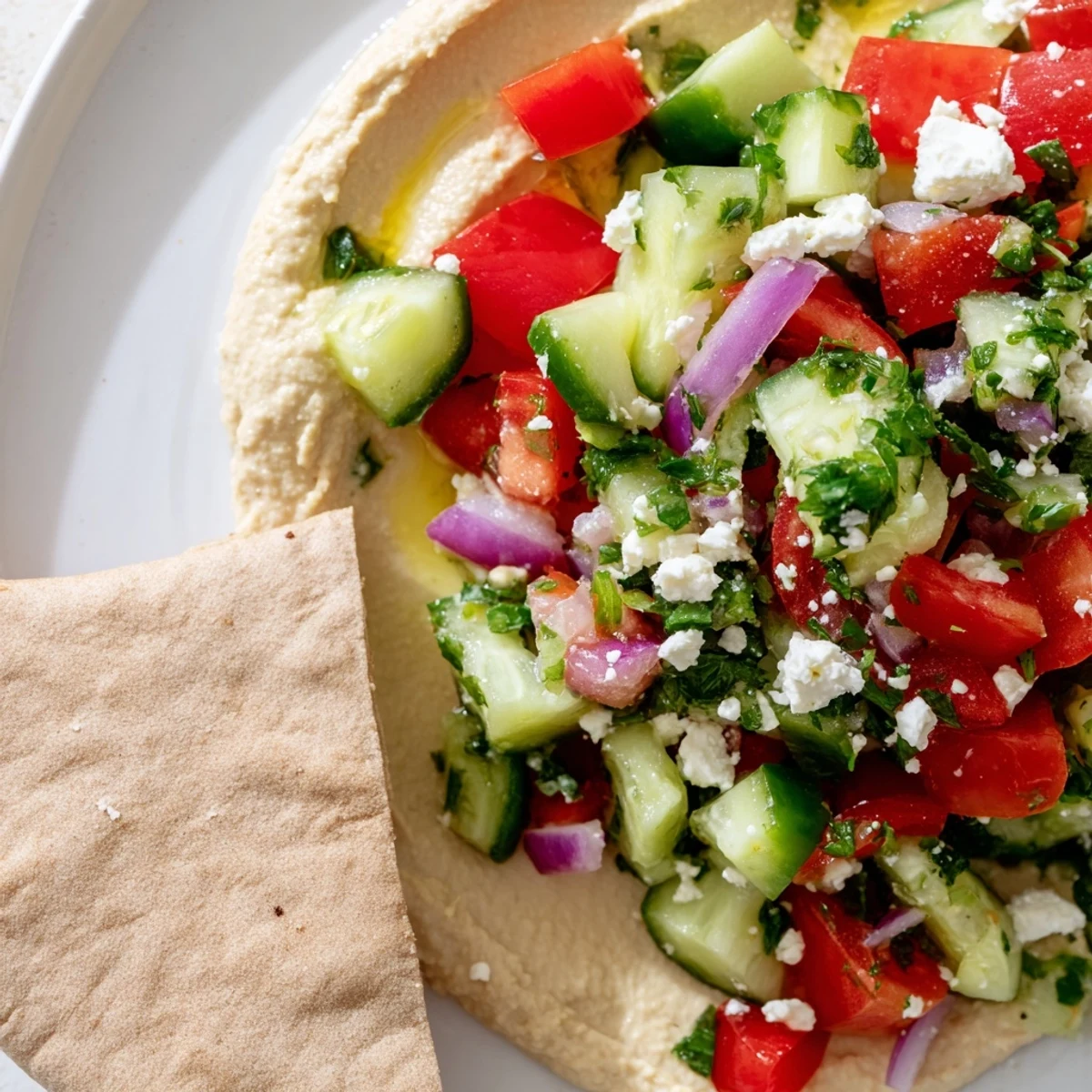
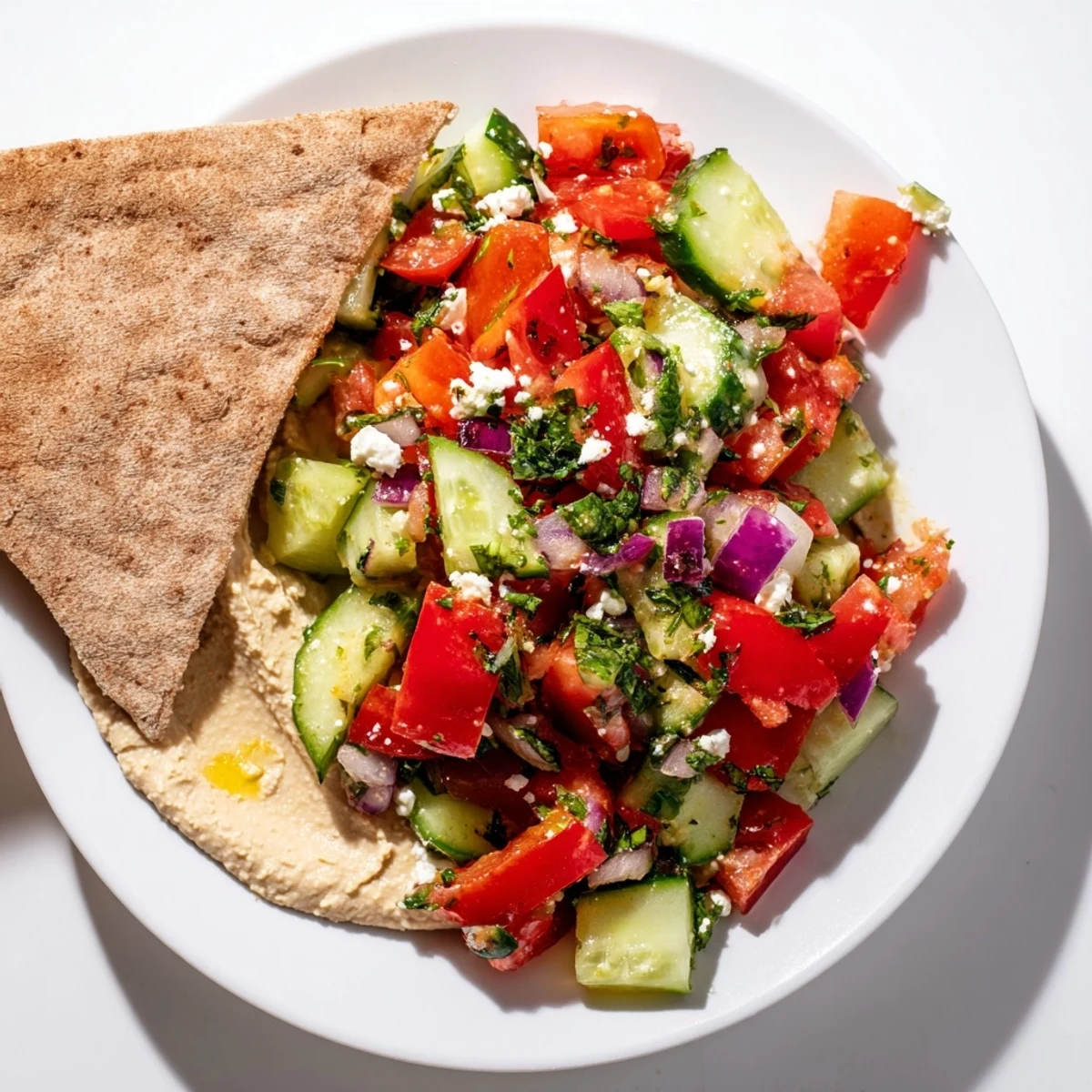
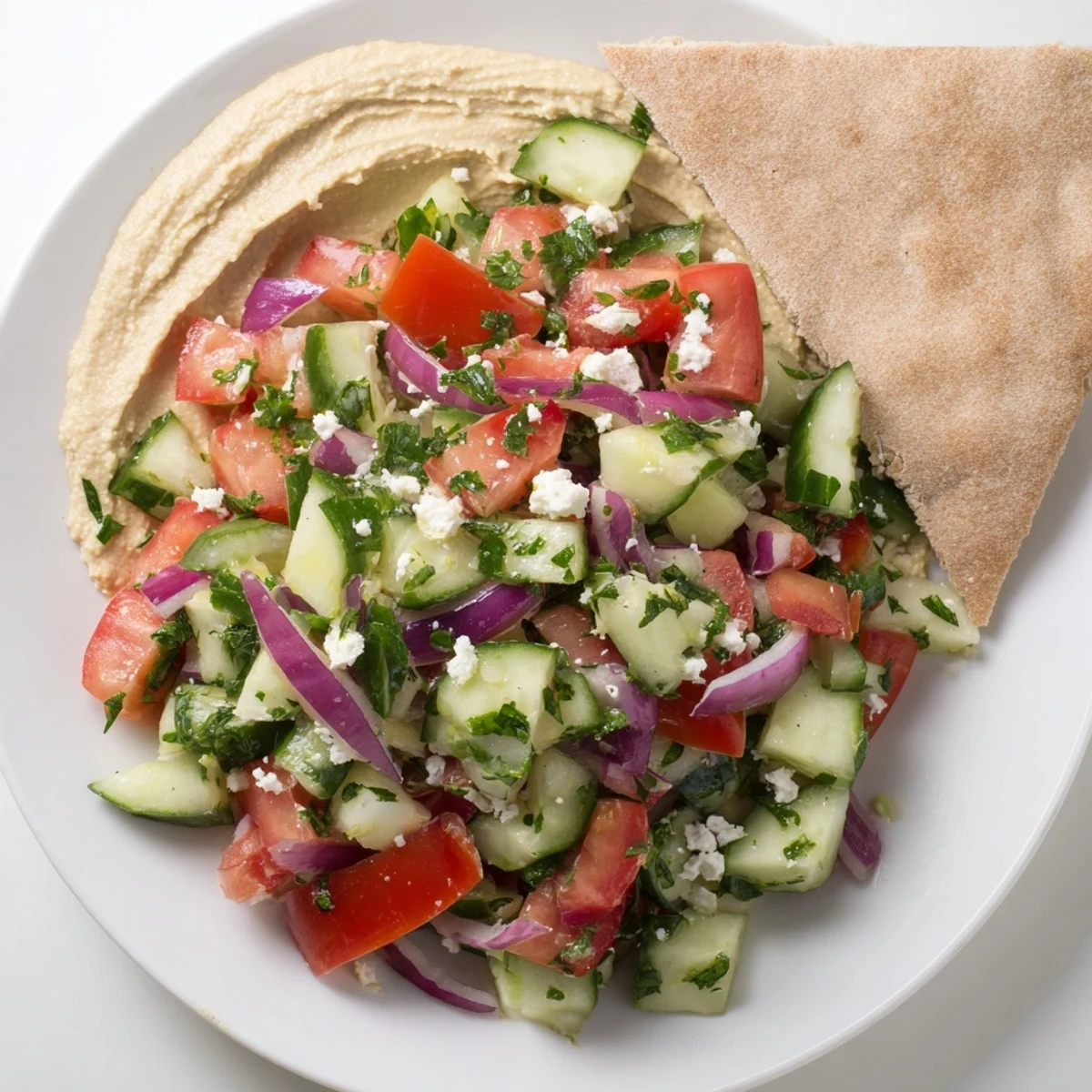
 This vibrant dish brings together crisp cucumbers, juicy tomatoes, and tangy feta for a refreshing base. Creamy hummus adds richness, while warm pita bread offers a delightful contrast in texture. Ready in just 25 minutes, it serves four and works wonderfully as a light lunch or appetizer. The lemon-oregano dressing ties the fresh flavors together perfectly.
Last summer, a friend brought this to a potluck with a homemade hummus still warm from the food processor, and I watched it disappear faster than anything else on the table. The way the pita soaked up the dressing while staying just crispy enough at the edges stuck with me, so I started making it whenever I needed something that felt both effortless and special. Now it's become my go-to when the kitchen feels too hot to cook properly, or when I want to prove that simple ingredients can be genuinely exciting.
I made this for my partner one weeknight when neither of us felt like ordering out, and something about plating it on our good ceramic bowls transformed it from a weeknight dinner into a moment worth slowing down for. The kitchen smelled bright—lemon and oregano hanging in the air—and we ended up eating outside even though it was barely warm, just because the whole thing felt Mediterranean enough to pretend.
Ingredients
- Cucumber: The foundation of freshness—a large one gives you enough volume that the salad feels substantial without being heavy, and the watery crunch balances the creaminess of the hummus.
- Tomatoes: Use ones that are actually ripe and smell like tomato, not the pale grocery store ones, because they're doing most of the flavor work here.
- Red bell pepper: Adds a subtle sweetness and color that catches the light on the plate in a way that makes people want to eat it.
- Red onion: Thinly sliced so it doesn't overpower, but enough to give the salad a quiet sharpness that wakes everything up.
- Kalamata olives: Pitted and sliced because whole ones are a hazard to your teeth and an awkward surprise mid-bite.
- Fresh parsley: The chlorophyll-y brightness that makes this taste alive rather than tired—dried parsley won't do the same work.
- Feta cheese: Crumbles into salty pockets throughout, but it's optional if dairy doesn't work for you or your crowd.
- Extra-virgin olive oil: Good oil matters here because it's basically the entire dressing—don't use the cheap stuff hiding in the back of the pantry.
- Lemon juice: Fresh squeezed if you can manage it, because the acidity is what makes everything taste bright instead of flat.
- Dried oregano: A full teaspoon because Mediterranean flavoring isn't timid, and oregano is where the flavor profile lives.
- Salt and pepper: Taste as you go and season more than you think you need—underseasoned salad is the biggest waste of fresh vegetables.
- Hummus: Store-bought saves time and works beautifully, but homemade is softer and you can control the tahini ratio if sesame bothers you.
- Whole wheat pita: Four pieces because they warm in minutes and become this chewy, slightly crispy vessel for everything else.
Instructions
- Prepare the vegetables:
- Dice the cucumber, tomatoes, and pepper into roughly the same size so everything feels balanced on the fork. Slice the red onion thin enough that you can almost see through it, which mellows the bite.
- Build the salad:
- Toss the vegetables with the olives and parsley in a large bowl with just your hands or wooden spoon, moving gently so you don't bruise anything. The cucumber releases a little water as it sits, which is fine and actually helps distribute flavor.
- Make the dressing:
- Whisk olive oil, lemon juice, oregano, salt, and pepper together in a small bowl until it's emulsified and smooth. Taste a tiny bit on your finger and adjust the acid or salt before pouring it over everything.
- Dress and finish:
- Pour the dressing over the salad and toss everything together gently until every piece is coated. If you're using feta, add it at the very end so it doesn't dissolve into the dressing.
- Warm the pita:
- Place each pita in a dry skillet over medium heat for about a minute per side until it's soft and pliable, watching it so it doesn't brown. You want it warm and flexible enough to tear into wedges without cracking.
- Plate and serve:
- Arrange the salad on plates or a platter, add a generous scoop of hummus to each portion, and arrange pita wedges around the side like you're inviting someone to dig in immediately.
 Save to Pinterest
 The real magic happened when I realized this dish is one of those rare things that works for everyone—the friend who eats meat, the one who's vegan, the person who skipped breakfast, the kid who usually picks around vegetables. It became the recipe I make when I want to feed people without any fuss or drama, just nourishment and flavor.
Why Warm Pita Makes All the Difference
Cold pita is dense and almost leathery, but the moment it hits heat, something shifts—the gluten relaxes, steam opens up tiny air pockets, and it becomes almost silky. I used to skip this step thinking it was optional, and the salad always felt a little flat without it, like something was missing. Now I warm the pita even when I'm in a rush because it's the thing that actually makes people reach for more, that bridges the gap between the salad and the hummus.
Hummus as the Glue
Hummus is doing invisible work here—it's creamy enough to slow down your eating so you actually taste the dressing and vegetables, but light enough that you don't feel stuffed afterward. If you're making your own, don't skip the tahini or the garlic, and blend it longer than feels necessary so it becomes almost fluffy. Store-bought hummus is honestly fine and saves you thirty minutes, so choose based on what your week looks like.
Variations and Moments of Change
This salad is forgiving enough to bend toward whatever you have on hand or whoever you're feeding. Roasted chickpeas turn it into a complete protein dish, grilled chicken transforms it into something heartier, and leaving out the feta makes it vegan without losing any richness thanks to the hummus. I've added pomegranate molasses when I wanted extra brightness, thinly shaved radishes for crunch, or even torn mint when tomatoes were at their peak in late summer.
- Add chickpeas, grilled chicken, or halloumi cheese if you want more protein and substance.
- Pomegranate molasses drizzled over the top adds tang and a jewel-toned aesthetic if you're feeding guests.
- Make it a day ahead if needed, but keep the dressing separate until you're ready to eat so everything stays crisp.
 Save to Pinterest
 This is one of those recipes that proves the best meals often come from letting good ingredients do their own talking. It's become my answer to the question of what to make when I want something that feels right—nourishing without pretense, fresh without fussiness.
Recipes Q&A
- → Can I make this ahead of time?
-
Yes, chop the vegetables and mix the dressing ahead, but dress the salad just before serving to keep it crisp.
- → Is this dish vegan?
-
It can be vegan if you omit the feta cheese or use a dairy-free alternative.
- → What can I use instead of pita bread?
-
Naan bread, crusty baguette slices, or even crackers work well as substitutes for dipping.
- → How do I store leftovers?
-
Store the salad, hummus, and pita in separate airtight containers in the fridge for up to 2 days.
- → Can I add protein?
-
Grilled chicken or chickpeas make excellent additions to boost the protein content.