
 Save to Pinterest
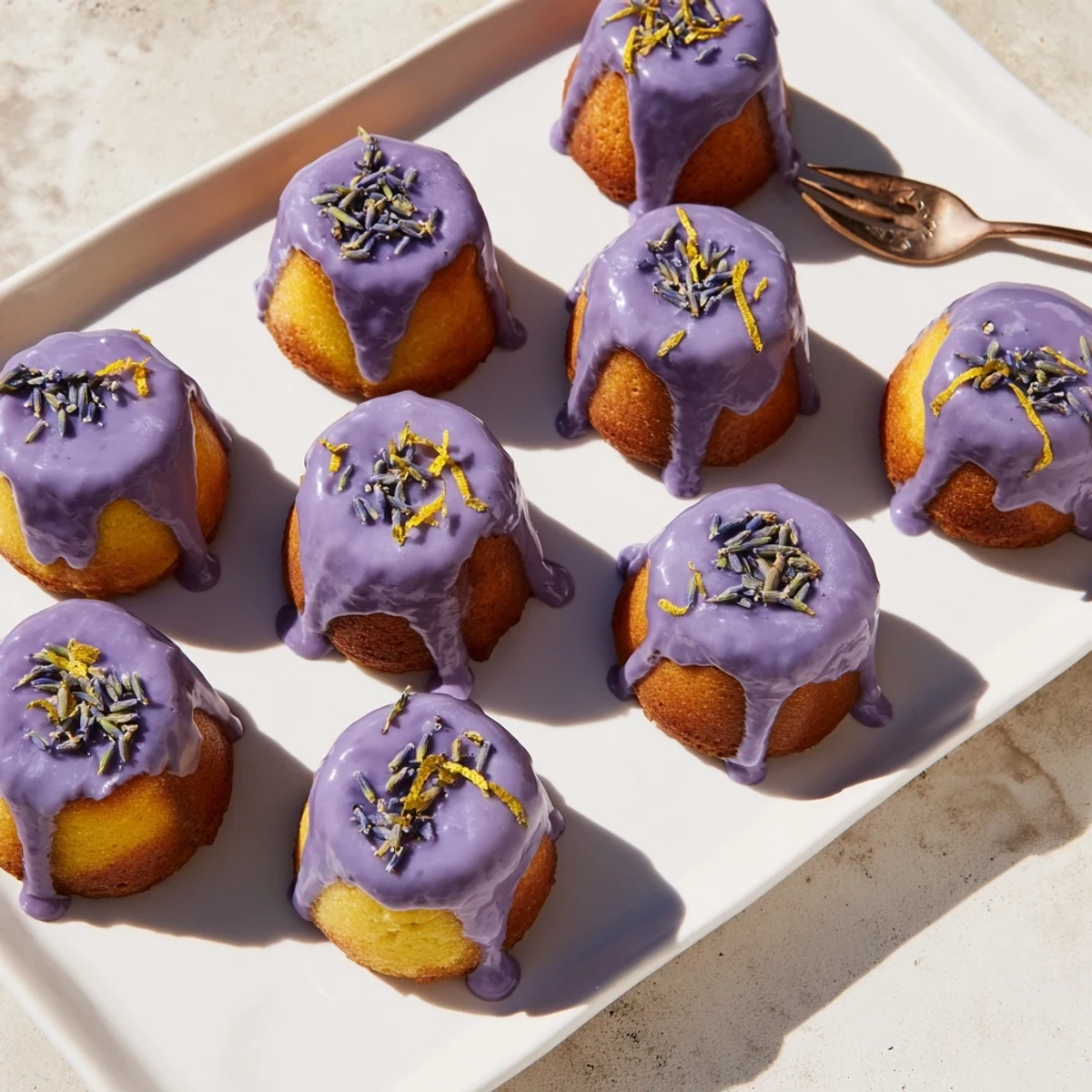
 These delightful mini lemon cakes combine bright citrus flavor with the subtle floral notes of lavender. The tender, moist crumb comes from perfectly creamed butter and sugar, while fresh lemon zest and juice provide vibrant tanginess throughout each bite.
The lavender glaze adds an elegant finishing touch—dried culinary lavender is finely crushed and whisked into a smooth powdered sugar mixture with lemon juice. The result is a fragrant, pourable icing that complements the citrus base beautifully.
Perfect for bridal showers, garden parties, or sophisticated dessert spreads, these individual portions offer restaurant-quality presentation at home. They pair wonderfully with Earl Grey tea or chilled Moscato for an elevated tasting experience.
My tiny apartment balcony was overflowing with lavender that summer, and I started looking for ways to use it beyond tea. These mini lemon cakes happened by accident when I was experimenting with glaze consistency, and now they're my most requested dessert for spring brunches. Something about that floral-citrus combination makes people slow down and savor every bite.
I made these for my book club last month and watched three normally chatty women go completely silent after their first bite. Someone actually asked if I'd secretly ordered them from a fancy patisserie. Seeing their delighted expressions when I said they were homemade was one of those kitchen moments that remind me why I love feeding people.
Ingredients
- 1 1/2 cups (180 g) all-purpose flour: The foundation that gives these mini cakes their tender crumb
- 1 tsp baking powder: Ensures the perfect rise without making them too airy
- 1/4 tsp baking soda: Works with the acidic lemon juice for that fluffy texture
- 1/4 tsp salt: Balances sweetness and enhances all the flavors
- 1/2 cup (115 g) unsalted butter, softened: Room temperature is non-negotiable here for proper creaming
- 1 cup (200 g) granulated sugar: Creates that beautiful crackly exterior while keeping centers moist
- 2 large eggs, room temperature: Cold eggs can cause the butter to seize and ruin your texture
- 2 tbsp freshly grated lemon zest: About two lemons worth, and please use a microplane not a box grater
- 1/4 cup (60 ml) fresh lemon juice: Bottled juice will give you a flat, one-dimensional flavor
- 1/2 cup (120 ml) whole milk, room temperature: I've tried low-fat versions and the texture suffers noticeably
- 1 tsp pure vanilla extract: The quiet supporting actor that makes everything taste rounded and complete
- 1 1/2 cups (180 g) powdered sugar, sifted: Sifting prevents lumpy glaze that looks amateurish
- 2–3 tbsp milk: Adjust this until your glaze reaches that perfect pourable consistency
- 1 1/2 tsp dried culinary lavender, finely crushed: Regular lavender from craft stores is not food-grade and will taste bitter
- 1 tbsp fresh lemon juice: Cuts through the powdered sugar sweetness beautifully
- Purple food coloring (optional): Just a single drop creates that dreamy lavender hue
- Additional dried lavender buds and lemon zest strips: These little garnishes make people think you're a professional pastry chef
Instructions
- Get your oven and pans ready:
- Preheat to 350°F (175°C) and generously grease a 12-cup mini bundt or muffin pan with butter, then dust with flour, tapping out the excess.
- Whisk the dry ingredients:
- In a medium bowl, combine flour, baking powder, baking soda, and salt, whisking to evenly distribute the leavening.
- Cream butter and sugar:
- Beat the softened butter and sugar in a large bowl for 2-3 minutes until the mixture looks pale and fluffy, scraping down the sides halfway through.
- Add eggs and flavorings:
- Beat in eggs one at a time, fully incorporating each before adding the next, then mix in lemon zest and vanilla until fragrant.
- Blend in lemon juice:
- Pour in the fresh lemon juice and mix briefly—your batter might look slightly curdled but this is completely normal.
- Combine wet and dry:
- Add flour mixture in three parts, alternating with milk, starting and ending with flour, and mixing only until just combined.
- Fill your prepared pans:
- Divide batter evenly among the mini cake molds, about two-thirds full, using a cookie scoop for consistent sizes.
- Bake until golden:
- Bake for 16-18 minutes until a toothpick inserted in the center comes out clean and the tops spring back when gently pressed.
- Cool completely:
- Let the cakes rest in the pan for 10 minutes, then carefully turn them out onto a wire rack to cool completely before glazing.
- Make the lavender glaze:
- Whisk sifted powdered sugar, milk, crushed lavender, and lemon juice until completely smooth, adding food coloring if desired.
- Glaze the cakes:
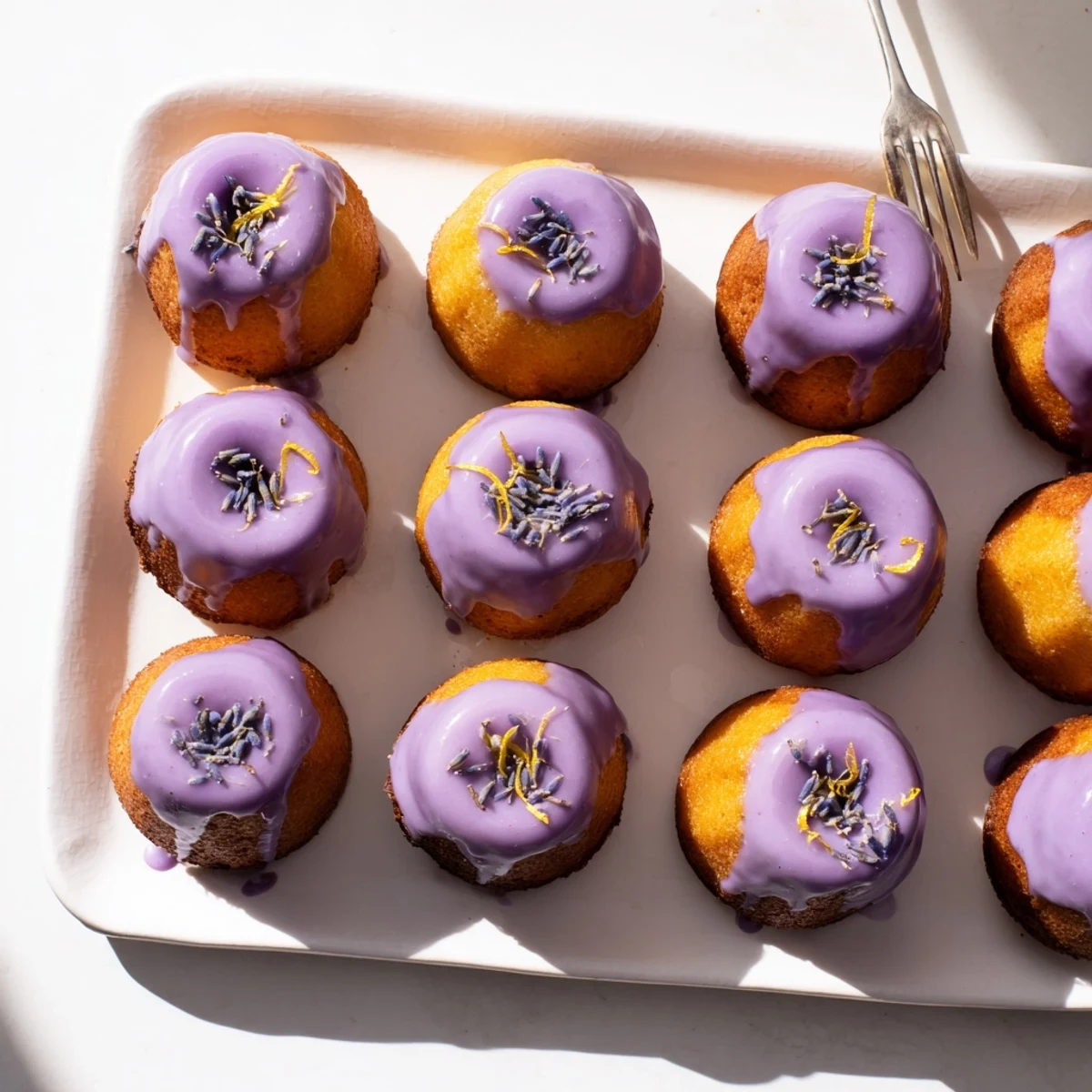
- Spoon the glaze generously over each cooled mini cake, letting it drip down the sides naturally.
- Add final touches:
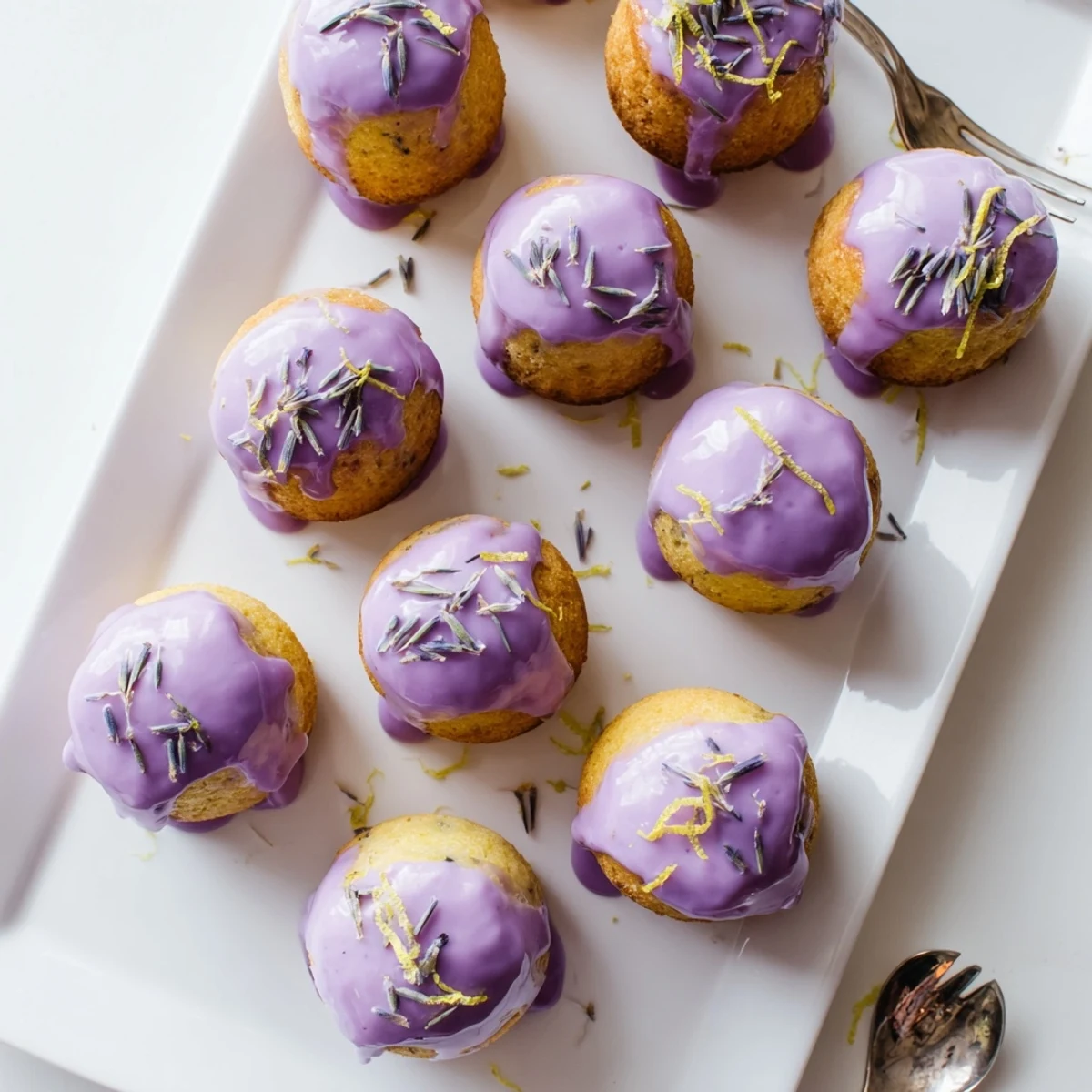
- Sprinkle with additional dried lavender buds and strips of lemon zest while the glaze is still slightly tacky.
 Save to Pinterest
 My grandmother was skeptical about lavender in dessert until she tried these. She took one bite, closed her eyes, and told me it tasted like a sunny afternoon in Provence. Now she keeps a jar of dried lavender in her pantry specifically for when I visit.
Making These Ahead
I bake the mini cakes a day before serving, wrap them tightly in plastic, and store at room temperature. The glaze goes on right before guests arrive because it starts to look tired after several hours.
Getting That Perfect Glaze Consistency
The glaze should pour slowly from a spoon but still hold its shape on the cake without running completely off. I always test it on a spare piece of cake or the back of a spoon before committing.
Serving Suggestions
These shine on a dessert platter alongside fresh berries and maybe a small bowl of crème fraîche for dipping. They also pair beautifully with afternoon tea, especially Earl Grey with a splash of milk.
- Arrange them on a tiered stand for maximum visual impact
- Place individual cakes on small doilies or decorative paper
- Serve with tiny forks and napkins because the glaze can get messy
 Save to Pinterest
 There's something deeply satisfying about serving something that looks so elegant but comes from your own kitchen. Watch how quickly these disappear—it'll become your signature dessert too.
Recipes Q&A
- → What type of lavender should I use?
-
Always use culinary-grade dried lavender buds meant for cooking. Regular garden lavender or potpourri lavender may contain pesticides or taste bitter. Culinary lavender provides a sweet, floral flavor without harshness.
- → Can I make these ahead of time?
-
Yes! The unfrosted cakes can be baked one day in advance and stored in an airtight container at room temperature. Apply the lavender glaze shortly before serving for the freshest appearance and texture.
- → Why did my cakes turn out dense?
-
Overmixing the batter can develop too much gluten, resulting in dense cakes. Mix only until ingredients are just combined. Also ensure all ingredients are at room temperature before starting for proper emulsification.
- → Can I substitute the milk in the glaze?
-
You can use heavy cream for a richer glaze, or dairy alternatives like almond or oat milk. For intensified lavender flavor, try steeping warmed milk with crushed lavender buds for 10 minutes, then strain before mixing with powdered sugar.
- → What pan works best for mini cakes?
-
A 12-cup mini bundt pan creates beautiful individual shapes, but a standard muffin tin works perfectly as well. Just adjust baking time slightly—muffin cups may bake a minute or two faster than bundt molds.
- → How do I store leftover glazed cakes?
-
Once glazed, store cakes in a single layer in an airtight container at room temperature for up to 2 days. For longer storage, refrigerate for up to 5 days, though bringing them to room temperature before serving enhances texture and flavor.