
 Save to Pinterest
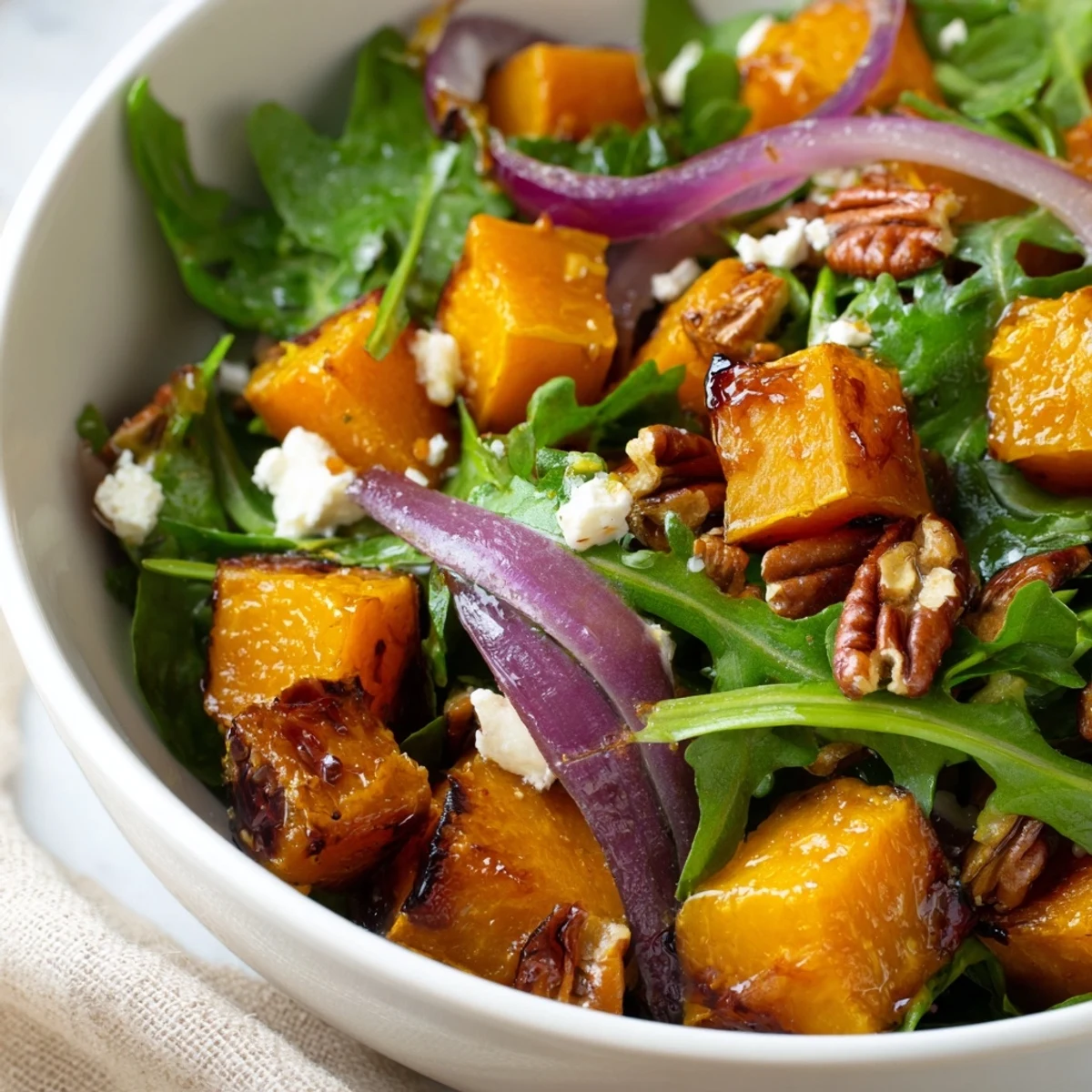
 This vibrant dish blends caramelized butternut squash cubes with crunchy toasted pecans and fresh mixed greens. Finished with a tangy maple-balsamic vinaigrette, it delivers a balanced combination of sweet and savory flavors. Quick roasting enhances the squash’s natural sweetness while retaining tenderness. Toasting the pecans adds warmth and depth. Perfect for a light yet satisfying meal, this salad is easy to prepare and pairs beautifully with crisp white or light red wines.
There's something about autumn that makes me want to roast vegetables. One October evening, I grabbed a butternut squash from the farmers market, and instead of making soup for the hundredth time, I decided to cube it up and let the oven work its magic. That first bite of caramelized squash over fresh greens changed how I thought about salads entirely—suddenly they weren't just a side dish, but something I craved.
I made this for friends last November, and someone asked for the recipe before they'd even finished eating. That moment when people forget they're being healthy and just enjoy food—that's when you know you've nailed it.
Ingredients
- Butternut squash (1 medium, about 2 lbs): Choose one that feels heavy for its size and has no soft spots; the drier varieties caramelize better in the oven.
- Mixed salad greens (6 cups): Use whatever's fresh at your market—arugula brings peppery bite, spinach adds earthiness, or spring mix keeps things neutral.
- Red onion (1 small): Slice it thin and let it sit for a minute after cutting; the exposure mellows its sharpness just slightly.
- Pecan halves (1/2 cup): Toast them yourself even if they say pre-toasted—five minutes in a hot skillet makes them taste twice as vibrant.
- Feta cheese (1/3 cup crumbled): Optional but worth it; the salty tanginess plays beautifully against the sweet squash.
- Extra virgin olive oil (5 tbsp total): Use good oil here since it's a starring ingredient, not something hidden in cooking.
- Balsamic vinegar (1 1/2 tbsp): Real aged balsamic tastes deeper and richer than the cheap bottles.
- Pure maple syrup (1 tbsp): This balances the vinegar's sharpness and ties the autumn flavors together.
- Dijon mustard (1 tsp): It acts as an emulsifier so the dressing clings to the greens instead of pooling at the bottom.
Instructions
- Get your oven ready:
- Preheat to 400°F and line a baking sheet with parchment paper so cleanup is effortless and nothing sticks.
- Prep and season the squash:
- Toss your cubed squash with 2 tbsp olive oil, salt, and pepper until every piece glistens. Spread them out in a single layer with a bit of breathing room between pieces.
- Roast until golden:
- Slide the pan into the oven for 25 to 30 minutes, turning the pieces over halfway through. You'll know they're done when the edges turn deeply caramelized and a fork slides through easily.
- Toast the pecans:
- While the squash roasts, warm a dry skillet over medium heat and add the pecans for 3 to 4 minutes, stirring often so they don't burn. Your kitchen will smell incredible.
- Build the dressing:
- Whisk together the remaining 3 tbsp olive oil, balsamic vinegar, maple syrup, Dijon mustard, salt, and pepper in a small bowl until it comes together smoothly.
- Compose the salad:
- Toss your greens, cooled roasted squash, thinly sliced red onion, toasted pecans, and crumbled feta (if using) in a large bowl so everything mingles gently.
- Dress and serve:
- Drizzle with your dressing and toss everything together just before serving so the greens stay crisp and bright.
 Save to Pinterest
 There's a quiet joy in eating something that's both nourishing and genuinely delicious without apology. This salad taught me that vegetables don't need to be hidden or justified—they just need to be treated with respect and a little heat.
Why Roasted Squash Changes Everything
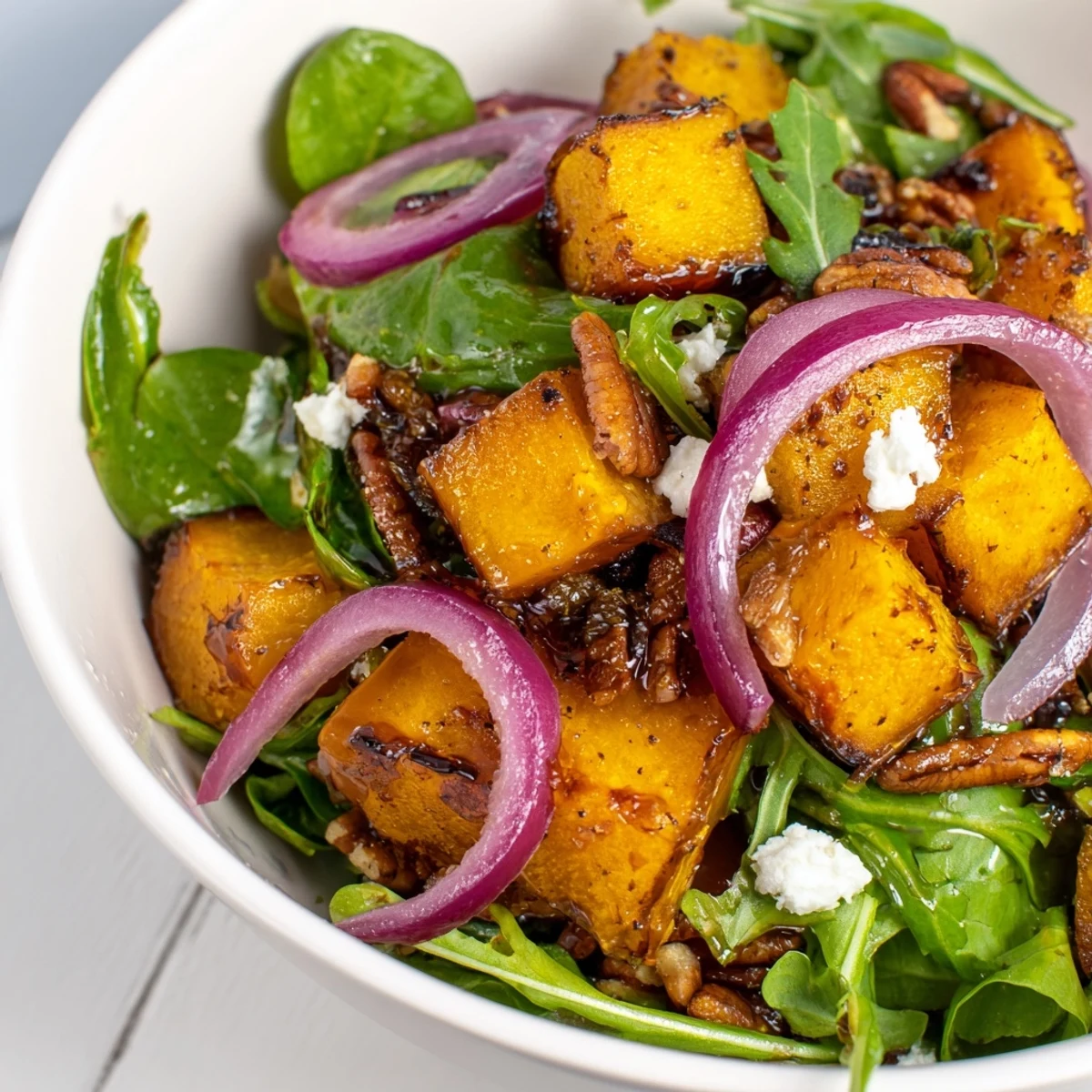
Raw squash tastes watery and barely sweet, but roasting concentrates its natural sugars and brings out a nutty depth that makes you forget you're eating something this wholesome. When the edges caramelize in the oven's dry heat, they become almost candied—that's the magic moment where a salad stops being an obligation and becomes something you actually want to eat.
The Dressing as the Glue
A great salad dressing is the difference between ingredients sitting on a plate and a cohesive dish where every element talks to each other. The maple-balsamic combination here is forgiving enough for beginners but sophisticated enough to make you feel like you know what you're doing, and it works with almost any greens and additions you want to throw at it.
Variations and Flexibility
This salad is a template more than a rulebook, so feel free to play with what you have on hand or what you're craving. Dried cranberries add tartness, pomegranate seeds bring jewel-like brightness, and goat cheese melts slightly if you warm the squash enough, creating pockets of creamy richness.
- Walnuts or hazelnuts work just as well as pecans if you have them in your pantry or prefer their flavor profile.
- For dairy-free eating, skip the cheese entirely or try a scattered handful of toasted pumpkin seeds for the same texture and substance.
- Pair this with a crisp white wine or light red if you're serving it at a table where people will linger.
 Save to Pinterest
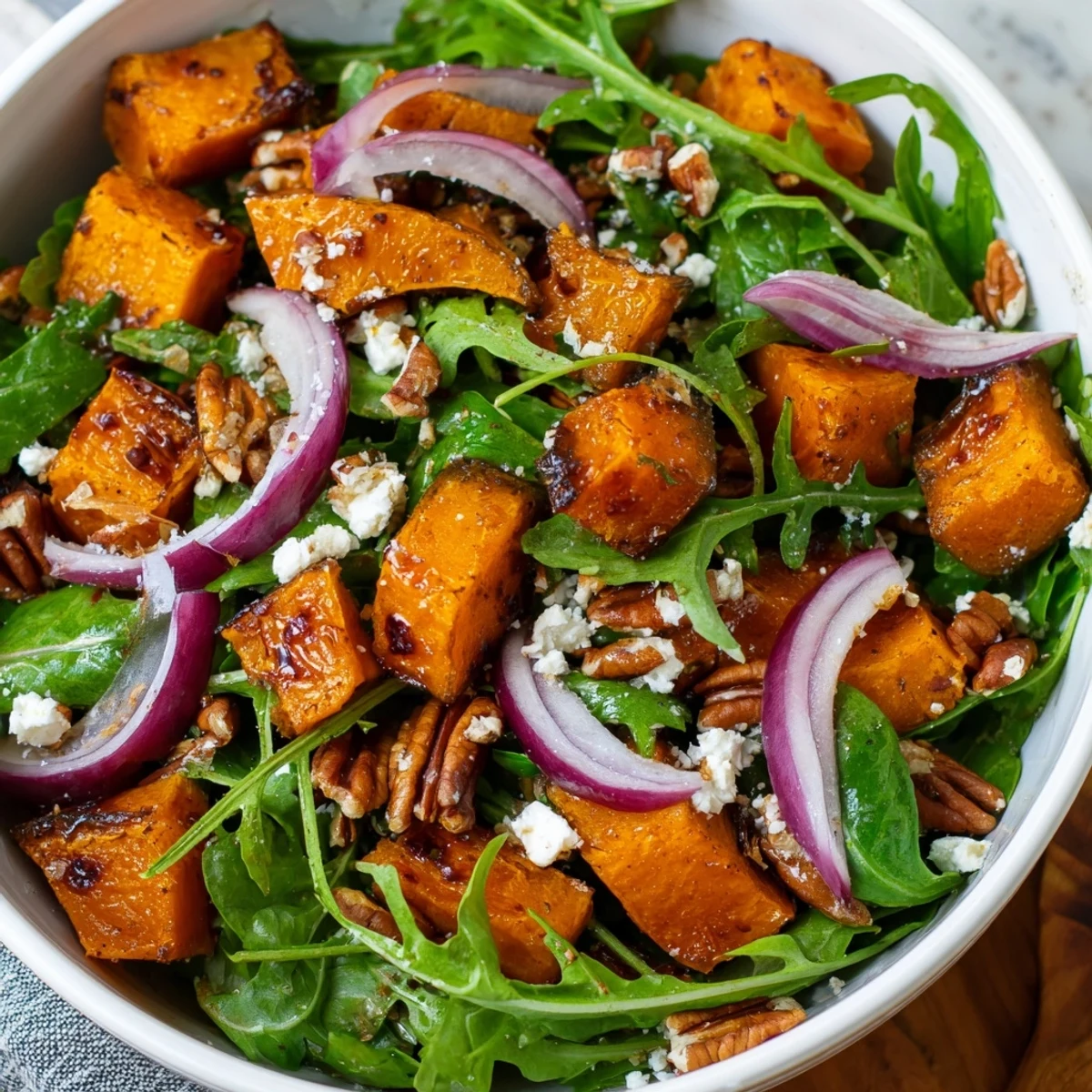
 This salad has become my answer to 'what should I bring' and my fallback dinner on nights when I want something that feels special without drama. Once you make it once, you'll understand why it keeps calling you back to the kitchen.
Recipes Q&A
- → How do you roast butternut squash to retain tenderness?
-
Roast peeled, cubed squash at 400°F for 25-30 minutes, turning once halfway to ensure even caramelization while keeping it fork-tender.
- → Can I substitute pecans with other nuts?
-
Yes, walnuts or hazelnuts work well toasted to maintain a similar crunch and flavor profile in the salad.
- → What dressing complements roasted butternut squash best?
-
A maple-balsamic vinaigrette infused with Dijon mustard perfects the balance between sweet and tangy in this dish.
- → How can I make this dairy-free?
-
Simply omit the feta cheese or substitute it with a plant-based alternative while keeping the other ingredients unchanged.
- → What are good wine pairings for this salad?
-
Crisp Sauvignon Blanc or a light-bodied Pinot Noir complement the sweetness and textures beautifully.