
 Save to Pinterest
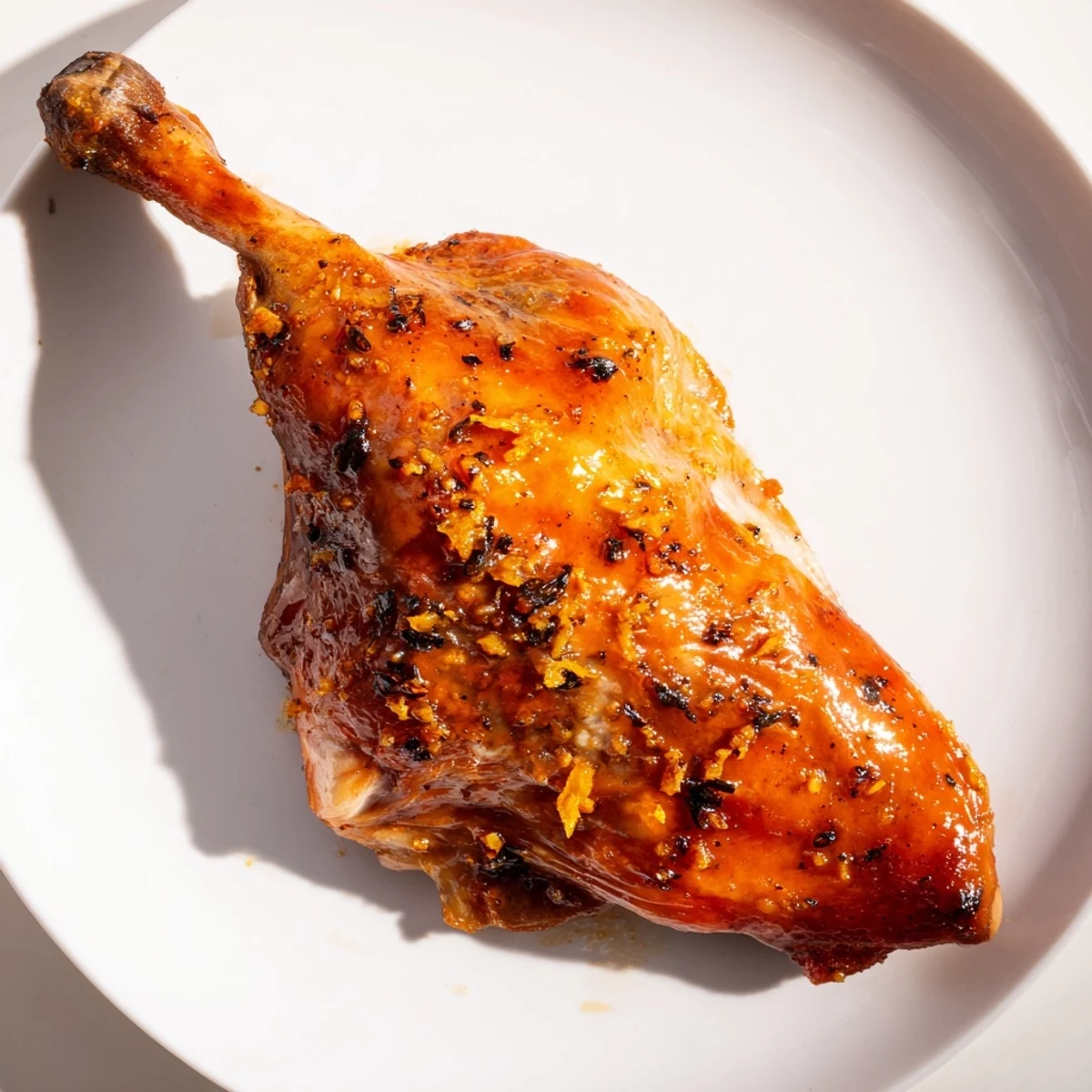
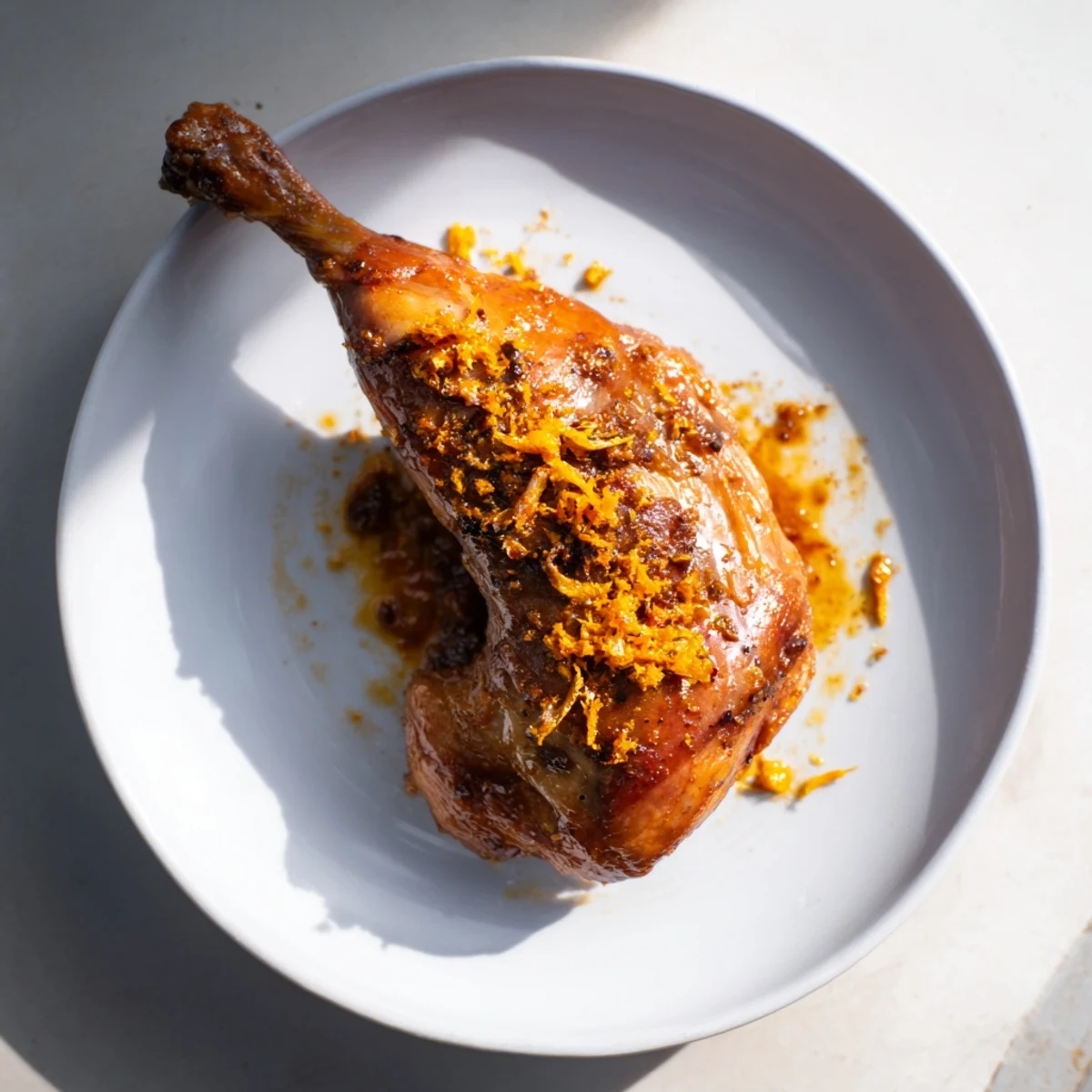
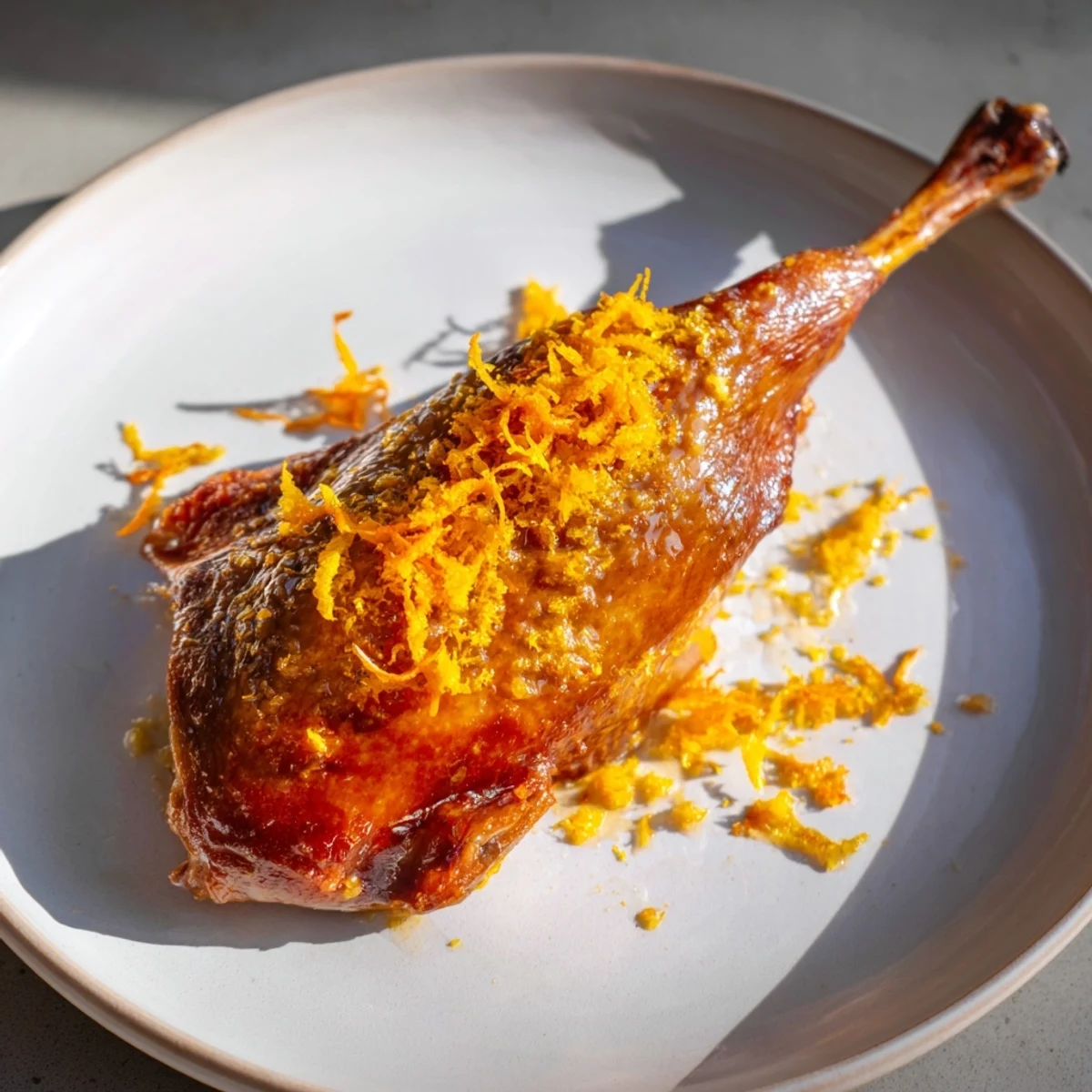
 This dish features a whole duck perfectly roasted and glazed with a vibrant mixture of fresh orange juice, honey, ginger, and garlic, creating a balance of sweet, tangy, and aromatic elements. The duck is seasoned with salt and pepper, stuffed with orange quarters, onion, and thyme, then roasted until the skin crisps to a deep golden brown. The glaze is brushed on midway, intensifying the flavor and providing a glossy finish. Ideal paired with roasted vegetables or mashed potatoes, it offers an elegant and flavorful centerpiece suitable for various occasions.
I'll never forget the first time I attempted roasted duck at home. It was a rainy Sunday in autumn, and I'd been inspired by a meal at a tiny French bistro tucked away on a side street in Lyon. The duck they served was impossibly crispy on the outside, tender within, and glazed with the most magical combination of orange and ginger that made my taste buds sing. I came home determined to recreate that magic in my own kitchen, and after a few carefully watched afternoons and plenty of experimentation, I finally cracked the code. This recipe is the result of those discoveries—a dish that transforms a simple duck into something restaurant-worthy and deeply satisfying.
The first time I made this for someone who mattered, I was nervous. I'd prepared everything meticulously, set the table with actual cloth napkins, and dimmed the lights. When I brought that glossy, bronze duck to the table, the way their eyes lit up told me everything. One bite, and they smiled that smile that says you've done something right. Cooking this dish now, I think of that moment—the confidence it gave me, the realization that technique plus care equals something magical.
Ingredients
- 1 whole duck (about 2 kg), giblets removed: This is the star of the show. Look for a duck that feels firm and has a good layer of fat under the skin—that's what will render out and give you that incredible crispiness. Room temperature duck cooks more evenly than cold duck, so pull it from the fridge 30 minutes before roasting.
- 1 tsp salt: Don't shy away from this. The salt seasons both the cavity and skin, and it's crucial for helping that skin crisp up beautifully.
- 1/2 tsp black pepper: Freshly ground is essential here. The duck's rich meat needs this gentle bite.
- 200 ml fresh orange juice (about 2 large oranges): Use fresh juice, not bottled. The difference is real—fresh juice gives you brightness that bottled can't match. Choose oranges that are heavy for their size; they're juicier.
- Zest of 1 orange: This small detail adds complexity. Zest before juicing to make it easier, and use a microplane zester for the finest texture.
- 2 tbsp honey: Honey caramelizes beautifully on the duck skin and adds a subtle floral note. Warm it slightly if it's been sitting in a cool cupboard—it brushes on more easily.
- 2 tbsp soy sauce (use gluten-free if needed): This adds umami depth that makes the glaze sing. Tamari is the perfect gluten-free substitute and honestly tastes just as good.
- 1 tbsp grated fresh ginger: Fresh is non-negotiable. Ginger paste from a tube works in a pinch, but freshly grated has a brightness that's worth the effort. Peel it with the edge of a spoon—no need for a peeler.
- 2 garlic cloves, minced: Mince them fine so they distribute evenly through the glaze. Garlic burned at high heat tastes bitter, but in this glaze, it mellows beautifully.
- 1 tbsp rice vinegar or white wine vinegar: This is the secret weapon that keeps the glaze from being too sweet. It cuts through the honey and adds a gentle tang.
- 1/2 tsp chili flakes (optional): I always include these. Even a small amount adds a whisper of heat that makes the sweet and savory more complex. Don't skip it.
- 1 orange, quartered: This goes inside the duck and perfumes the meat as it roasts. The aromatics in the cavity create steam that keeps the meat moist.
- 1 small onion, quartered: Choose a red onion if you can—it adds a subtle sweetness and looks prettier when you carve.
- 2 sprigs fresh thyme: Fresh herbs are important here. If you can't find fresh thyme, use fresh rosemary or sage instead. Dried herbs lose their delicate flavor at this point.
Instructions
- Prepare your stage:
- Preheat your oven to 180°C (350°F). While it's warming, take out everything you'll need—this is not a dish where you want to hunt for tools mid-cook. Pat your duck completely dry with paper towels, getting into all the crevices. This step is more important than you'd think; moisture on the skin prevents it from crisping. Now, using a sharp knife or skewer, prick the duck skin all over, being extremely careful not to pierce the meat beneath. Think of it like acupuncture—you're creating tiny channels for the fat to escape. This is what gives you that shattering, crispy skin.
- Season and stuff:
- Season the duck's cavity generously with salt and pepper—don't be timid about this. Stuff it with your quartered orange, onion, and thyme sprigs. These aromatics will perfume the duck from the inside as it roasts, and the orange will add a subtle sweetness to the meat.
- Begin the roast:
- Place the duck breast-side up on a rack in your roasting pan. This rack is essential—it keeps the duck elevated so the heat can circulate underneath and render the fat from the bottom too. Roast for 1 hour at 180°C. Here's the patience part: every 30 minutes, open the oven (don't be afraid, the smell will be incredible) and carefully drain the excess fat that's pooled in the pan. Save this fat if you cook potatoes later—it's liquid gold.
- Make your glaze:
- While the duck roasts, combine your orange juice, zest, honey, soy sauce, ginger, garlic, vinegar, and chili flakes in a small saucepan. Bring everything to a simmer over medium heat and let it reduce, stirring occasionally. You're looking for that magical moment when it becomes syrupy and coats the back of a spoon—about 10 to 12 minutes. The kitchen will smell like a sunny French cooking show. Taste a tiny drop when it's cool enough. This glaze should be balanced between sweet, tangy, and savory. If it tastes too sweet, add a touch more vinegar. Too sour? A drizzle more honey.
- The glaze and final roast:
- After the first hour of roasting, remove the duck carefully from the oven. Using a pastry brush, paint the duck all over with your glaze. It will sizzle against the hot skin—that's exactly what you want. Return it to the oven for another 30 to 40 minutes, glazing every 10 to 15 minutes. Each application will build up a deeper, glossier coating. You're watching for the skin to turn a deep mahogany brown with caramelized edges. The internal temperature at the thickest part of the thigh should reach 74°C (165°F) on a meat thermometer, but duck is naturally lean and forgiving—a degree or two more is fine.
- Rest and serve:
- Remove the duck from the oven and cover it loosely with foil. This 15-minute rest is sacred. It allows the juices to redistribute through the meat, ensuring every bite stays moist. While it rests, warm any remaining glaze on the stovetop. When you carve the duck, the skin should shatter like glass under your knife, and the meat underneath should be pink and juicy. Serve it with that remaining glaze drizzled over the top and alongside you.
 Save to Pinterest
 There's something about roasted duck that makes people feel celebrated. It's not an everyday dish—it's a dinner you make when you want to mark a moment, when you want someone to know they matter. Every time I pull this bird from the oven and that glaze catches the light, I remember why I fell in love with cooking.
The Secret to Crispy Duck Skin
Most people think roasting temperature is the secret to crispy skin, but it's actually about fat management and drying. The pricking allows the subcutaneous fat to render out. The fat draining removes the moisture that would otherwise steam the skin. And the low initial temperature (180°C) gives you time to render that fat before the skin browns. Only in the final stages, when you want color and crispness, should the heat be high. Some cooks finish at 220°C (430°F) for the last 10 minutes—if you want that extra shatter, this is your move. The key is that the skin is already nearly cooked through; the high heat just gives you dramatic browning and that incredible texture.
Sides That Sing with This Duck
Duck's richness demands sides that either ground it or complement its luxury. Roasted root vegetables—carrots, parsnips, beets—pick up the caramelized edges of the pan and echo the earthiness of the thyme. Buttery mashed potatoes become a canvas for that remaining glaze. Steamed greens (anything bitter like broccoli rabe or simple spinach) provide a bright contrast. If you have reserved duck fat from the rendering process, use it for the potatoes or to sauté your greens. Nothing in your kitchen should go to waste when you're cooking something this special.
Make It Your Own
This recipe is a framework, not a prison. I've given you the exact proportions because they work beautifully together, but once you understand how these flavors interact, you can play. Substitute maple syrup for honey and you get a deeper, more autumnal note. Use lime juice instead of orange and add lemongrass to the glaze for an Asian twist. Replace the ginger with five-spice powder and you're in entirely different territory. The beautiful thing about roasted duck is its ability to take on different personalities while staying fundamentally itself—luxurious, rich, and satisfying.
- Taste your glaze before the final brushing and adjust the balance if needed
- If your duck is smaller than 2 kg, reduce cooking time by 10–15 minutes per 250 grams less weight
- Leftover duck makes incredible fried rice or shredded duck salads the next day
 Save to Pinterest
 Roasted duck with orange and ginger glaze isn't just dinner—it's a small act of devotion to the people around your table. Make it, taste it, share it, and watch their faces light up the way mine did all those years ago in that little French restaurant.
Recipes Q&A
- → How do I ensure the duck skin is crispy?
-
Prick the skin all over before roasting to release fat, and increase oven temperature to 220°C (430°F) during the last 10 minutes for extra crispness.
- → Can I substitute honey in the glaze?
-
Yes, maple syrup can be used as a natural sweetener alternative to honey in the orange and ginger glaze.
- → What internal temperature should the duck reach?
-
The duck is done when the internal temperature reaches 74°C (165°F), ensuring it is fully cooked and safe to serve.
- → Is soy sauce necessary in the glaze?
-
Soy sauce adds depth and umami, but gluten-free soy sauce can be used for dietary needs or omitted if preferred.
- → What sides pair well with this dish?
-
Roasted root vegetables, steamed greens, or creamy mashed potatoes complement the rich flavors perfectly.