
 Save to Pinterest
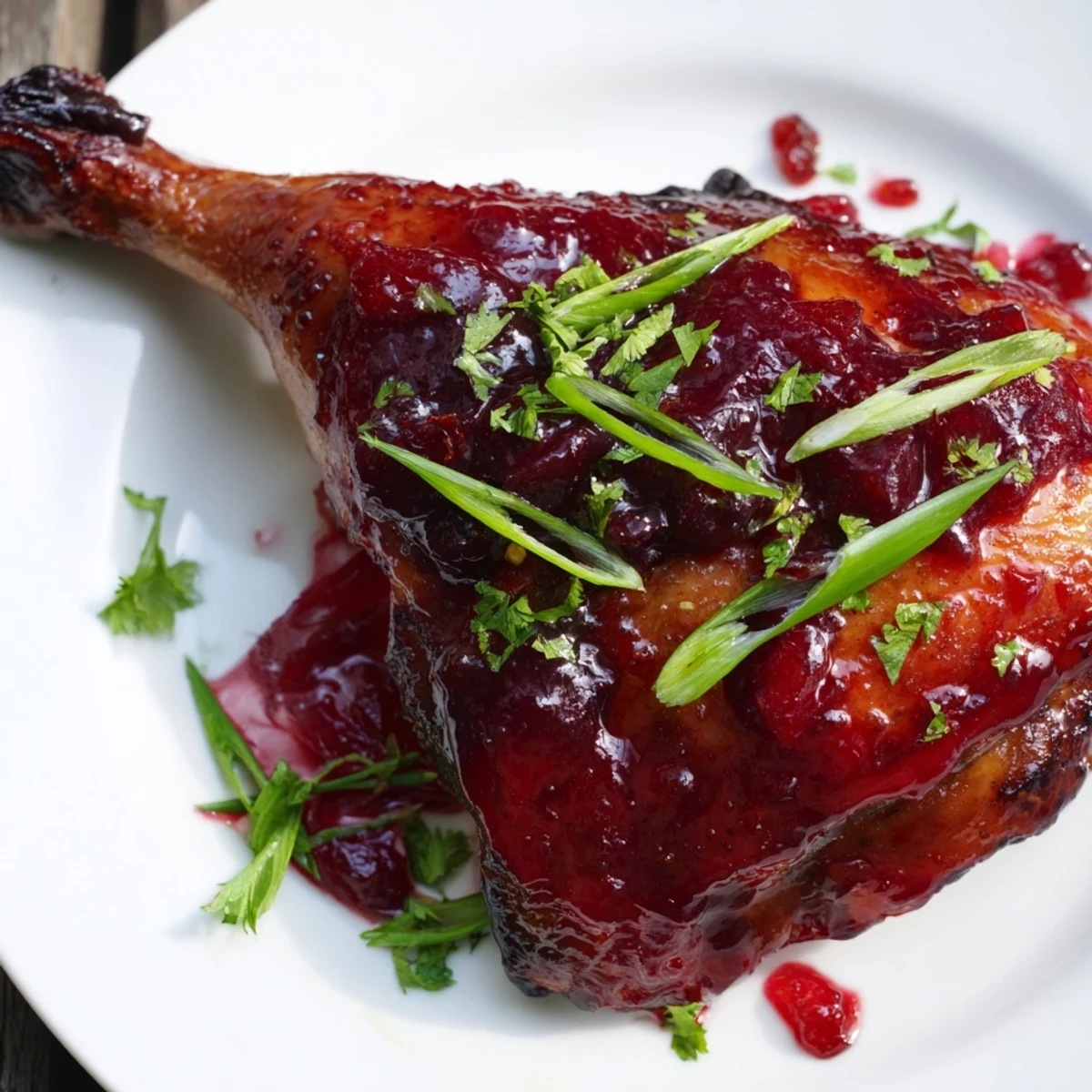
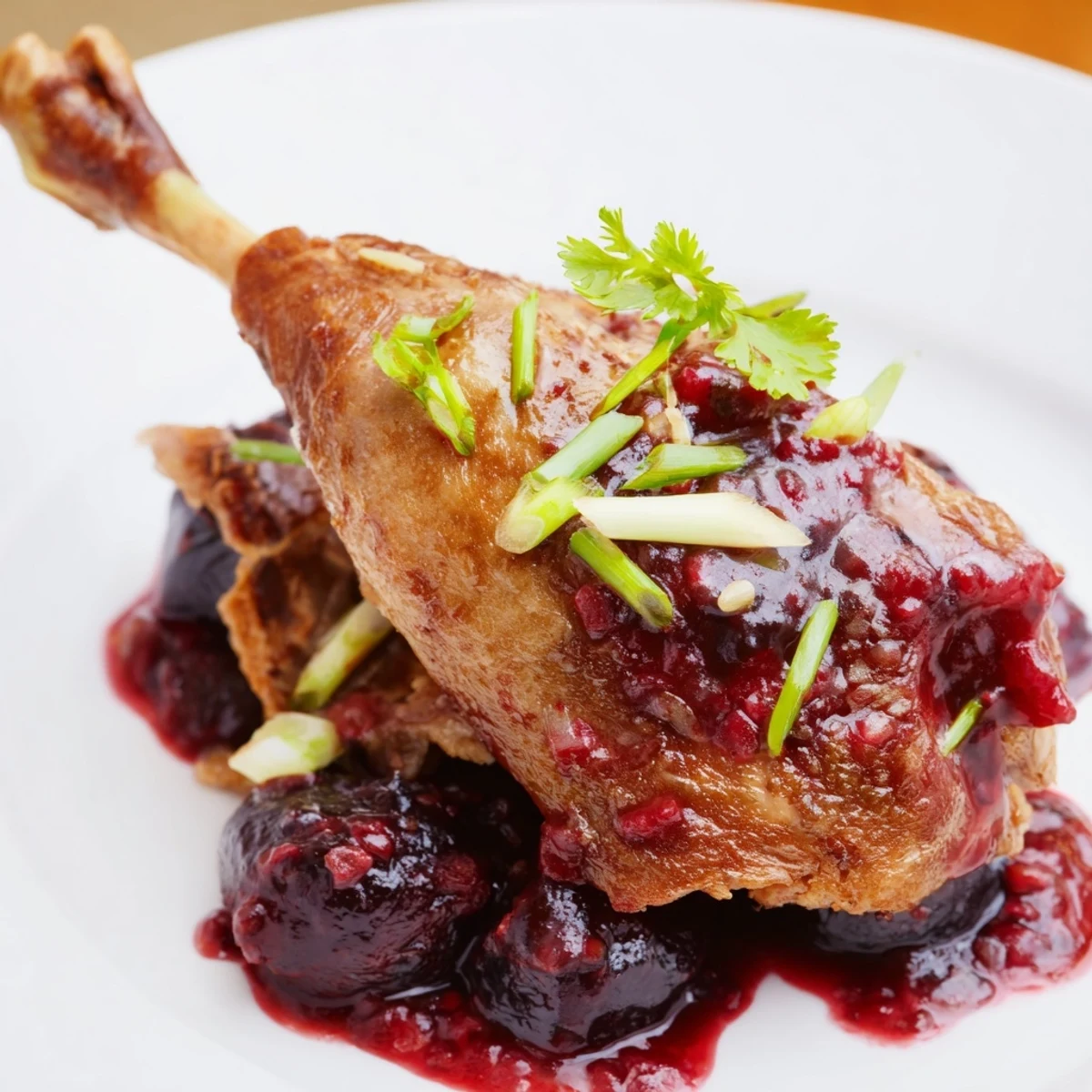
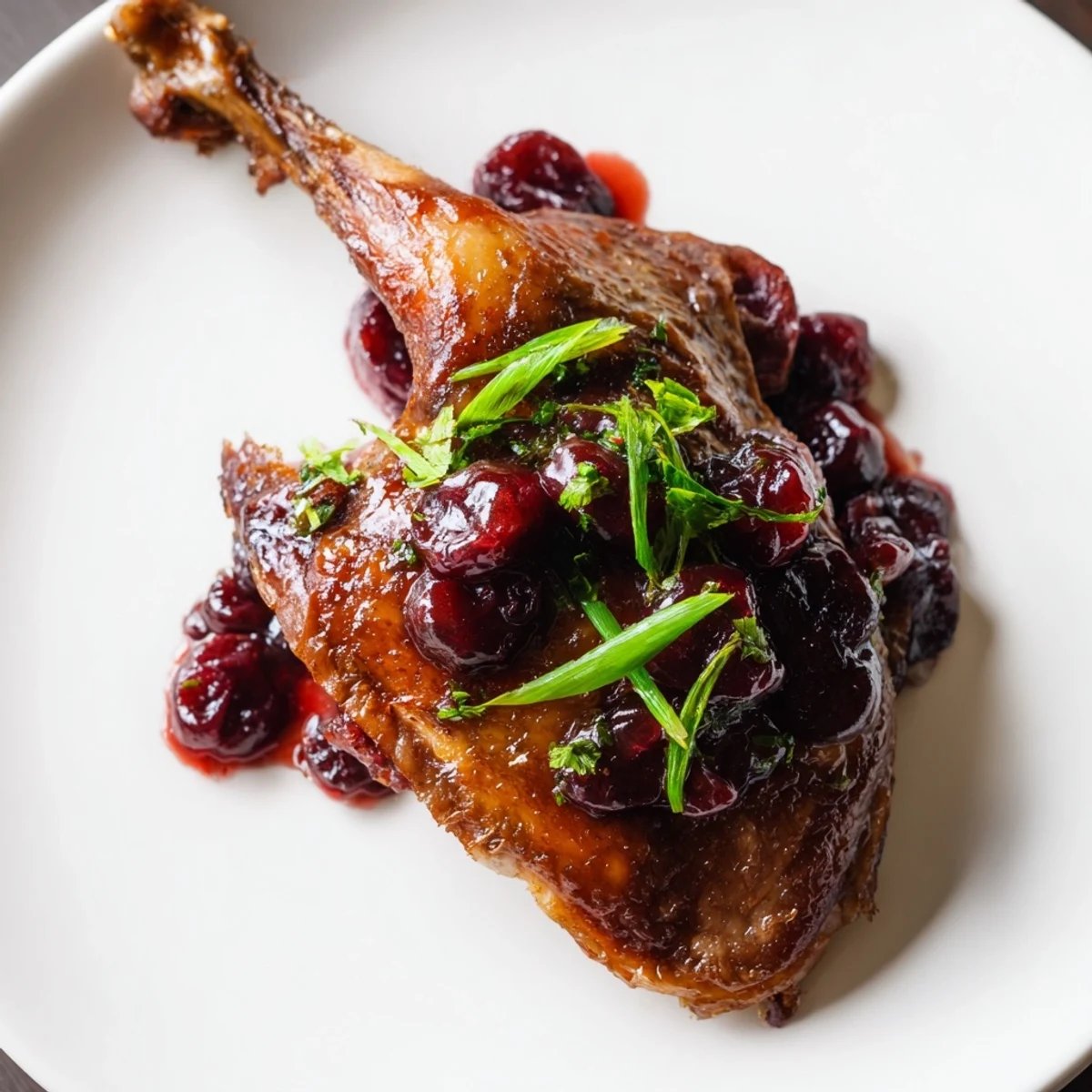
 This dish features succulent duck legs carefully roasted to crisp golden skin and tender meat. The accompanying plum sauce balances sweet, tangy, and savory flavors with ripe plums simmered alongside honey, brown sugar, and spices. Slow roasting renders the duck fat, producing a rich, moist dish perfect for special dinners. Garnished with fresh herbs and spring onions, it pairs beautifully with potato sides or sautéed greens for a refined European-inspired meal.
The kitchen smelled like caramelized plum and crackling skin the night I finally stopped overthinking duck. I'd always assumed it was restaurant-only territory, something too fussy for a weeknight. Then a friend showed me how the fat does most of the work, and I realized I'd been intimidated by the wrong thing.
I made this for my partner's birthday last spring, and halfway through dinner they looked up and said it tasted like something you'd order in a city you'd never been to. The plums were just hitting their peak, and the sauce turned this deep garnet color that caught the candlelight. I've never felt more smug about a meal.
Ingredients
- Duck legs: Look for legs with thick, intact skin and a good layer of fat underneath; that fat renders into liquid gold and keeps the meat from drying out.
- Kosher salt and black pepper: Season generously, the skin can handle it and you want that savory crust to balance the sweet sauce.
- Chinese five-spice powder: Optional, but it adds this warm, aromatic undertone that makes the whole dish feel more layered and intentional.
- Ripe plums: Use plums that give slightly when you press them; underripe ones won't break down into sauce, and overripe ones can turn mushy and bitter.
- Honey and dark brown sugar: The honey adds floral sweetness while the brown sugar brings molasses depth, together they round out the plum's tartness.
- Red wine vinegar: Cuts through the richness of the duck fat and keeps the sauce from tipping into cloying sweetness.
- Soy sauce: A tablespoon is all you need for umami backbone; use gluten-free tamari if you're avoiding gluten.
- Shallot, garlic, and ginger: These aromatics build the sauce's foundation, each one softening and mellowing as the plums simmer down.
- Crushed red pepper flakes: A pinch wakes up the whole sauce; skip it if you're serving anyone who doesn't like heat.
- Spring onions and fresh herbs: A handful of sliced green onion and cilantro or parsley at the end adds brightness and makes the plate look alive.
Instructions
- Season the duck:
- Pat the legs bone-dry with paper towels, otherwise the skin won't crisp. Rub salt, pepper, and five-spice all over, getting into the crevices where the leg meets the thigh.
- Render the fat:
- Start the duck skin-side down in a cold skillet, then turn the heat to medium. You'll hear it sizzle gently as the fat melts out and the skin turns bronze and crackly, about eight to ten minutes.
- Roast until tender:
- Flip the legs, slide the whole skillet into a 180°C oven, and let them roast for an hour. Halfway through, spoon some of that golden fat over the top so the meat stays juicy.
- Simmer the plum sauce:
- Combine plums, honey, sugar, vinegar, soy sauce, shallot, garlic, ginger, pepper flakes, and water in a saucepan. Let it bubble gently for twenty to twenty-five minutes, stirring now and then, until the plums collapse and the sauce thickens into something glossy and spoonable.
- Finish and rest:
- Pull the duck from the oven when the skin looks like lacquered mahogany and the meat jiggles when you shake the pan. Let it rest for five minutes so the juices settle back into the meat.
- Plate and serve:
- Spoon warm plum sauce over each leg, scatter spring onions and herbs on top, and watch everyone lean in a little closer.
 Save to Pinterest
 The first time I served this to my parents, my dad scraped his plate clean and asked if there was more sauce. He's not usually a seconds guy, so I knew I'd hit something. We sat at the table longer than usual that night, talking and picking at the crispy skin bits stuck to the pan.
Making the Sauce Ahead
You can simmer the plum sauce up to three days in advance and keep it in the fridge. It actually tastes better after a night's rest, when the flavors have had time to marry. Just rewarm it gently on the stove while the duck roasts, adding a splash of water if it's thickened too much.
Swapping the Fruit
When plums aren't in season, I've used apricots, cherries, even peaches with great results. Cherries bring a darker, almost wine-like sweetness, and apricots lean a little more floral. Just keep the sugar and vinegar ratios the same and adjust to taste once the fruit breaks down.
What to Serve Alongside
I like roasted fingerling potatoes tossed in some of that rendered duck fat, or a pile of jasmine rice to soak up the sauce. Sautéed greens with garlic, or a simple arugula salad dressed with lemon, cut through the richness without competing for attention.
- Pour off the rendered duck fat into a jar and save it for the best roast potatoes of your life.
- If you want extra-crispy skin, hit the duck legs with two minutes under the broiler right before serving.
- A chilled Pinot Noir or off-dry Riesling stands up to the sweet-savory contrast beautifully.
 Save to Pinterest
 This dish has become my go-to when I want to feel like I know what I'm doing in the kitchen. It's forgiving, impressive, and every time I make it, someone asks for the recipe.
Recipes Q&A
- → How do you achieve crispy duck skin?
-
Pat the duck legs dry and render fat by cooking skin side down before roasting. Finishing under a broiler for a couple of minutes enhances crispiness.
- → Can the plum sauce be adjusted for sweetness?
-
Yes, you can modify the honey and brown sugar amounts during simmering to reach your preferred sweetness level.
- → What sides pair well with this dish?
-
Roasted potatoes, rice, or sautéed seasonal greens complement the rich duck and tangy sauce beautifully.
- → Is Chinese five-spice powder necessary?
-
No, it adds warmth and complexity but can be omitted or replaced based on taste preferences.
- → How long should the plum sauce be cooked?
-
Simmer the sauce for 20-25 minutes until plums soften and the sauce thickens for optimal flavor and texture.