
 Save to Pinterest
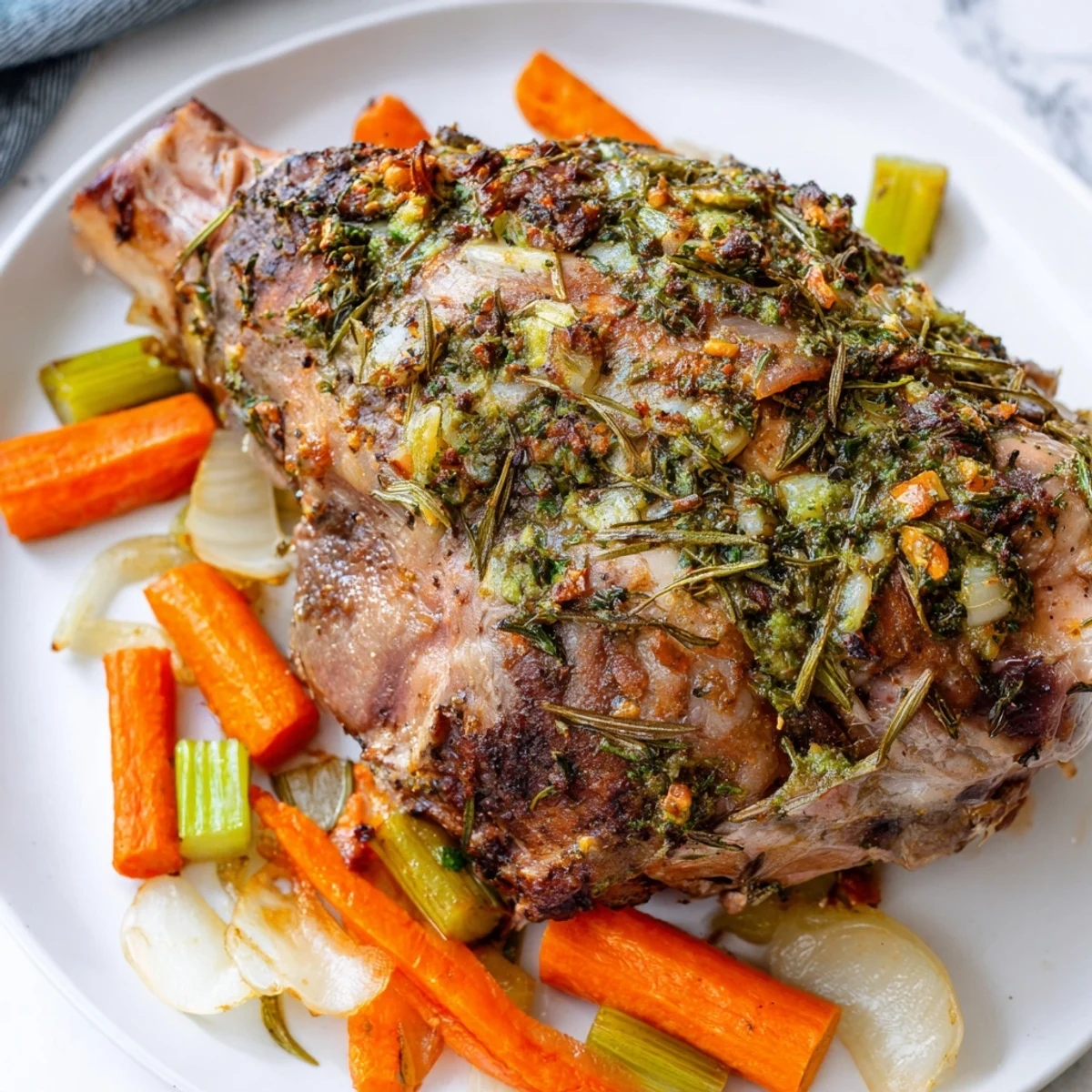
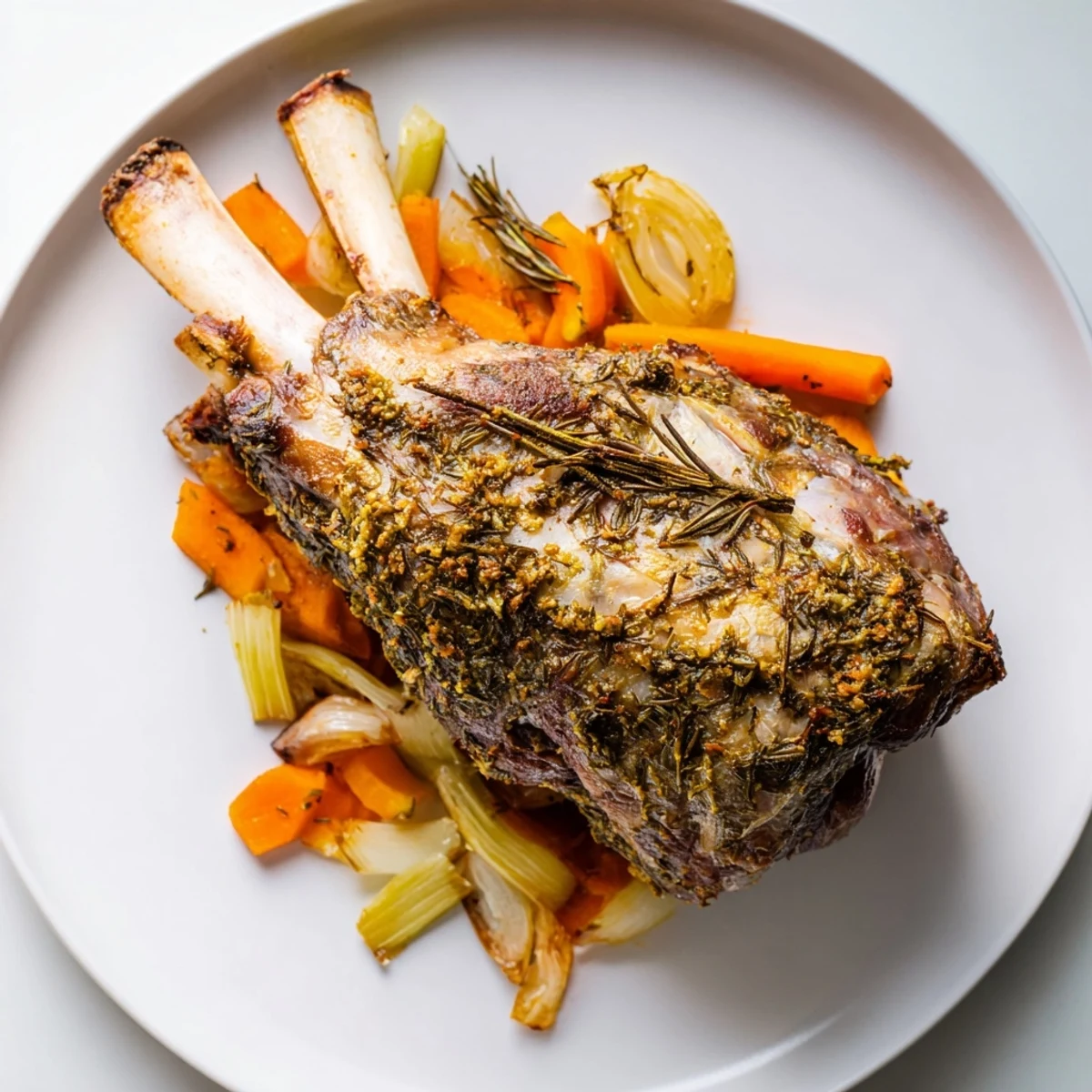
 This dish features a bone-in lamb shoulder rubbed with a vibrant herb and garlic marinade, then slow-roasted to achieve tender and juicy meat. A bed of onions, carrots, and celery creates a flavorful base, while a splash of white wine enhances depth. Roasted first covered, then uncovered to develop a golden crust, the lamb rests before slicing to preserve juices. Perfect for a comforting Mediterranean-inspired meal that pairs beautifully with roasted vegetables or simple sides.
The first time I made lamb shoulder, I was terrified I would ruin something so expensive. My grandmother had told me that lamb needs patience more than skill, and she was absolutely right. That Sunday afternoon, the house filled with herbs and garlic until my neighbors actually knocked on the door to ask what I was making. Now it is my go-to for celebrations, holidays, and anytime I want to make people feel special without spending all day at the stove.
I served this at my first dinner party in a new apartment, nervous about everything. The lamb emerged from the oven with this gorgeous golden crust, and my friend Sarah actually gasped when I placed it on the table. We spent three hours eating, talking, and picking at the leftovers standing up in the kitchen. That night turned into a monthly tradition, and this lamb became the dish that officially made my place feel like home.
Ingredients
- 1 bone-in lamb shoulder (2–2.5 kg / 4.5–5.5 lb): The bone adds incredible flavor and keeps the meat moist during long cooking, plus it looks impressive at the table
- 2 tbsp olive oil: Helps the herb mixture adhere to the meat and promotes even browning of that gorgeous fatty cap
- Salt and freshly ground black pepper: Generous seasoning is essential since lamb shoulder is a substantial cut that can handle bold flavors
- 4 cloves garlic, minced: Fresh garlic mellows beautifully during slow roasting, infusing the meat without any harsh bite
- 2 tbsp fresh rosemary, finely chopped: Rosemary and lamb are a classic pairing for good reason—the piney, woody flavor cuts through the richness perfectly
- 2 tbsp fresh thyme leaves: Adds subtle earthiness that complements rather than competes with the other herbs
- 1 tbsp fresh oregano, finely chopped: Brings a slight brightness and Mediterranean depth to the herb crust
- Zest and juice of 1 lemon: The zest provides aromatic lemon essence while the juice adds just enough acidity to balance all those rich flavors
- 2 large onions, 2 carrots, and 2 celery stalks: These humble vegetables create a flavorful roasting bed and eventually become a savory base for pan juices
- 250 ml (1 cup) dry white wine or chicken broth: Creates steam and helps develop those incredible pan juices you will want to spoon over everything
Instructions
- Get your oven ready:
- Preheat to 160°C (320°F) and position a rack in the lower middle position so the lamb has room to roast evenly without touching the heating element.
- Prep the lamb:
- Pat the shoulder completely dry with paper towels, then use a sharp knife to score the fat layer in a diamond pattern, being careful not to cut into the meat itself. Rub the lamb all over with olive oil and season generously with salt and pepper.
- Make the herb paste:
- In a small bowl, mix the garlic, rosemary, thyme, oregano, lemon zest, and lemon juice until it forms a fragrant paste. Massage this mixture thoroughly into the lamb, working it into the scored cuts so the flavors penetrate deep into the meat.
- Build the roasting bed:
- Scatter the sliced onions, chunked carrots, and celery pieces across the bottom of a large roasting pan. Nestle the lamb shoulder on top, fatty side up, so the vegetables will catch all those delicious drippings.
- Add liquid and cover:
- Pour the wine or broth around the base of the lamb, not directly over it, then cover the pan tightly with aluminum foil to trap all that moisture and flavor.
- Slow roast to perfection:
- Cook for 2.5 hours, then remove the foil and increase the temperature to 200°C (400°F). Roast uncovered for another 30 minutes until the top is deeply golden and the meat is tender enough to pull apart easily with a fork.
- Rest before serving:
- Let the lamb rest, loosely covered, for 15 minutes to allow the juices to redistribute throughout the meat. Carve against the grain and serve with the roasted vegetables and plenty of those pan juices.
 Save to Pinterest
 Last spring, my brother came home after months away and I made this lamb for his welcome dinner. He took one bite, closed his eyes, and said this was exactly what he had been missing while traveling. We spent the evening picking at the platter, telling stories, and pretending we were at some Mediterranean restaurant instead of just my dining room. Food does that sometimes—it turns a regular Tuesday into something you will remember years later.
Make Ahead Magic
You can rub the lamb with the herb paste up to 24 hours in advance and keep it covered in the refrigerator. The extra time lets those flavors work their way deeper into the meat, and it means less work when you are ready to cook. Just take the lamb out of the fridge about an hour before roasting so it comes to room temperature, which helps it cook more evenly.
Worth the Wait
Low and slow cooking transforms lamb shoulder from a tough, inexpensive cut into something extraordinary. The collagen breaks down into gelatin, making the meat impossibly tender while the fat renders and bastes everything from within. Trust the process and resist the urge to crank up the heat to speed things along—good things come to those who wait, especially when lamb is involved.
Leftover Love
Leftover lamb is actually a gift, since the flavors continue to develop overnight in the refrigerator. The meat makes incredible sandwiches with just some crusty bread and a little grainy mustard, or you can gently reheat slices in the pan juices for a second meal that is almost as good as the first. The bones can even be simmered with water and vegetables for an exceptional soup base.
- Wrap leftovers tightly and use within three days, or freeze portions for up to three months
- Reheat gently with a splash of broth to keep the meat from drying out
- The pan juices can be frozen in ice cube trays to add instant flavor to future stews or gravies
 Save to Pinterest
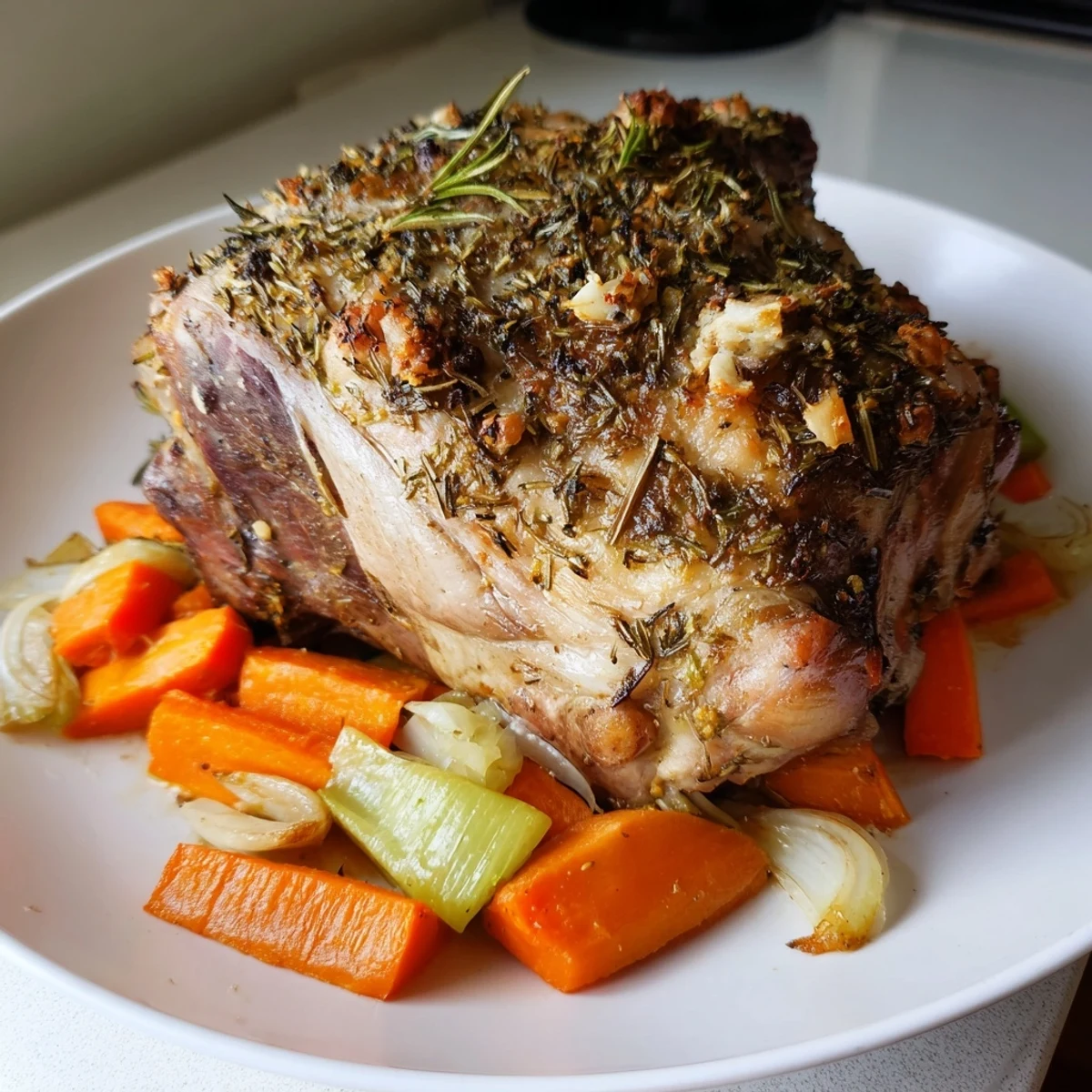
 There is something deeply satisfying about serving a whole lamb shoulder, watching people's faces light up as you carve it at the table. This is the kind of meal that turns strangers into friends and makes ordinary days feel like celebrations.
Recipes Q&A
- → What herbs are best for marinating lamb shoulder?
-
Fresh rosemary, thyme, and oregano combined with garlic and lemon zest create a robust herb marinade that enhances the lamb's flavor.
- → How long should lamb shoulder be roasted for tender meat?
-
Roasting the lamb covered for 2.5 hours at low heat followed by 30 minutes uncovered at higher heat results in tender, juicy meat with a golden crust.
- → Can I use broth instead of wine in this dish?
-
Yes, low-sodium chicken broth is a great alternative to white wine, adding moisture and subtle flavor without overpowering the meat.
- → What vegetables work well for the roasting bed?
-
Chunks of onions, carrots, and celery provide a flavorful base that supports the lamb and infuses it with aromatic notes during cooking.
- → How should the lamb rest after roasting?
-
Let the lamb rest loosely covered for about 15 minutes to allow juices to redistribute, ensuring moist and tender slices.
- → Can dried herbs substitute fresh ones in the marinade?
-
Dried herbs can be used in half the quantity of fresh; they still impart good flavor when fresh herbs aren’t available.