
 Save to Pinterest
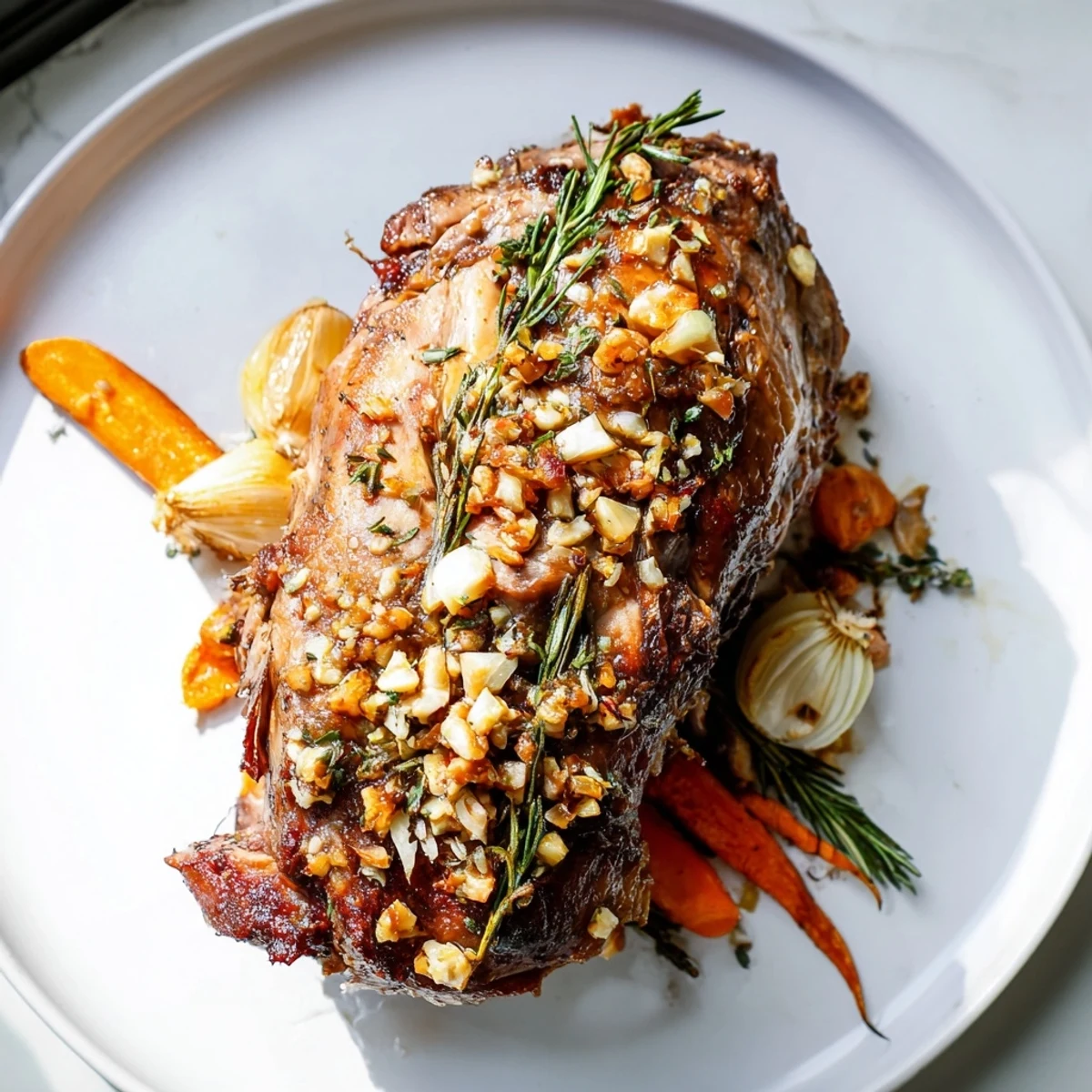
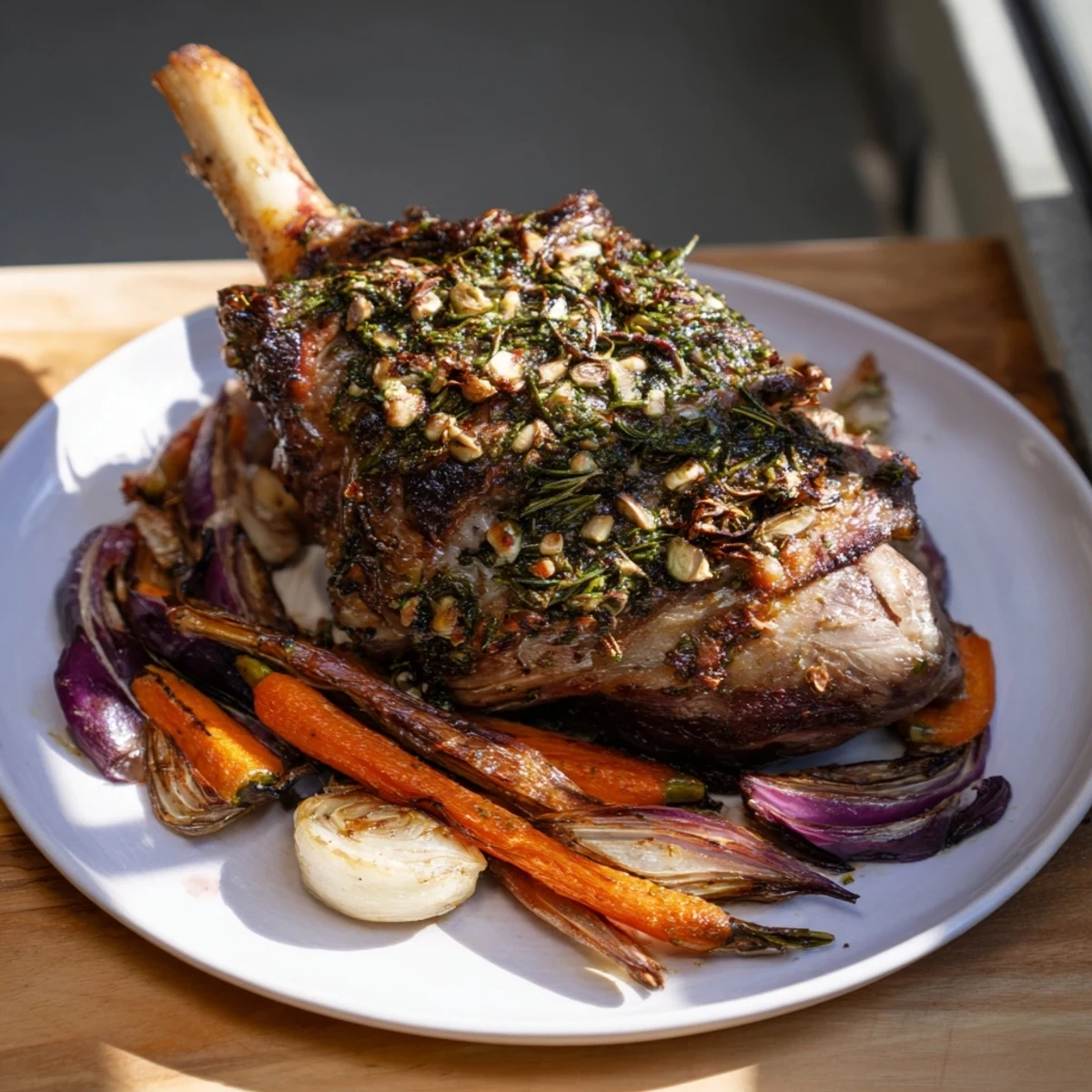
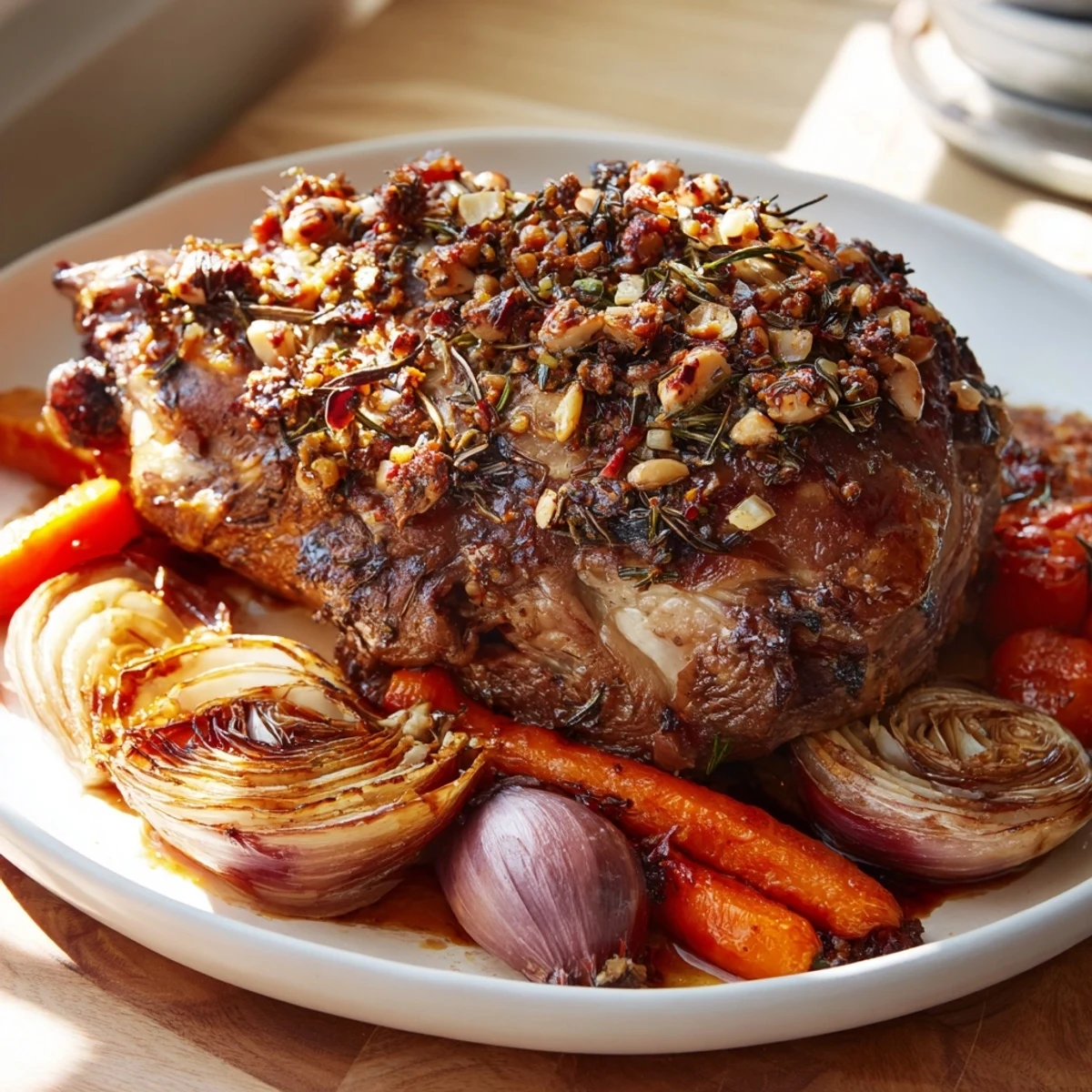
 This dish features a bone-in lamb shoulder seasoned with garlic, rosemary, thyme, cumin, coriander, paprika, and cinnamon. The meat is slow-roasted atop a bed of onions, carrots, and garlic, absorbing the rich flavors of the spices and stock. After slow roasting covered, it's finished at a higher temperature for a golden, tender finish that effortlessly pulls from the bone. Resting the meat before carving enriches the juiciness, making it an ideal centerpiece for a Mediterranean-inspired meal, perfectly complemented by roasted vegetables.
I still remember the first time I roasted a lamb shoulder for my family. It was a crisp autumn evening, and the scent of cumin and cinnamon filling the kitchen made everyone pause and ask what was cooking. That moment—when anticipation builds just from the aroma—is exactly what drew me to master this recipe. There's something about a slow-roasted lamb shoulder that transforms a simple Sunday dinner into something memorable, something worth gathering around the table for.
I made this for my friends during a dinner party last spring, and I'll never forget watching their faces when they bit into that first piece. The meat practically melted, and the spices had created this beautiful golden crust. One friend asked if I'd been secretly attending culinary school. I hadn't—I'd just learned that patience and the right spices are everything.
Ingredients
- 1 bone-in lamb shoulder (about 2.2 kg / 5 lbs): The bone keeps everything moist and adds incredible depth to the pan juices. Look for one with good marbling—that fat renders into the meat and keeps it succulent.
- 4 cloves garlic, minced: This is your flavor foundation. Mincing it fine lets it distribute evenly through the paste and mellow slightly as it cooks.
- 2 tbsp fresh rosemary, chopped: Fresh is non-negotiable here. Dried rosemary tastes like straw compared to the piney brightness of fresh.
- 1 tbsp fresh thyme leaves: Another herb that demands to be fresh. Strip the leaves from the stems rather than chopping the woody bits.
- 2 tsp ground cumin: This is the backbone of the warming spice blend. It adds earthiness without being overwhelming.
- 2 tsp ground coriander: Pairs beautifully with cumin and brings a subtle citrus note that lifts the whole dish.
- 1 tsp smoked paprika: The smoke adds complexity and a hint of color. Don't use regular paprika—you'll miss that depth.
- 1 tsp ground cinnamon: Yes, cinnamon on lamb. This is where magic happens. It adds warmth and sweetness that makes people wonder what that mysterious spice is.
- 1/2 tsp ground black pepper: Fresh cracked if you have a grinder. It matters more than you'd think.
- 2 tsp sea salt: Sea salt dissolves more evenly than table salt and tastes cleaner. You can always add more, but you can't take it out.
- Zest and juice of 1 lemon: The acid brightens everything and helps the spices bloom. Use a fresh lemon—bottled juice won't give you the same lift.
- 4 tbsp olive oil: Quality matters. This becomes part of your paste and flavors the pan juices. Use something you'd drizzle on salad.
- 2 large onions, thickly sliced: These become part of your vegetable bed. Slice them thick so they don't dissolve into the juices.
- 2 carrots, cut into large chunks: Like the onions, they'll soften and add natural sweetness to the pan.
- 1 bulb of garlic, halved horizontally: This roasts whole and becomes creamy and mild. It's almost a different ingredient than raw garlic.
- 250 ml (1 cup) chicken or lamb stock: Lamb stock is ideal if you can find it, but chicken works beautifully too. Avoid anything that's too salty.
- 125 ml (1/2 cup) dry white wine (optional): It adds acidity and complexity. I always use it. It rounds out all those warming spices.
Instructions
- Preheat and Prepare:
- Set your oven to 160°C (325°F) and give it time to reach temperature. This low, slow heat is what makes the lamb shoulder transform into something tender. While it heats, gather your ingredients and mise en place.
- Build Your Spice Paste:
- In a small bowl, combine the minced garlic, rosemary, thyme, cumin, coriander, paprika, cinnamon, black pepper, salt, lemon zest, and lemon juice. Drizzle in the olive oil and stir until everything comes together into a rough, fragrant paste. Smell it—this is the moment you know something good is happening.
- Prepare the Lamb:
- Pat your lamb shoulder completely dry with paper towels. Moisture is the enemy of browning and crust formation. Don't rush this step. Once it's dry, rub that spice paste all over the lamb, pressing it into every crevice and fold. Use your hands. Get it everywhere. This paste is your seasoning insurance.
- Build Your Vegetable Bed:
- Scatter the sliced onions, carrot chunks, and halved garlic bulb across the bottom of your roasting pan. These vegetables will cradle the lamb and catch all those precious pan juices. They'll soften and become part of the magic.
- Position and Pour:
- Place your spice-coated lamb shoulder directly on top of the vegetables. Pour the stock and wine (if using) around the vegetables—not over the lamb. You want the meat to roast in the dry heat while the vegetables braise below.
- Slow Roast Covered:
- Cover your pan tightly with foil or a lid and slide it into the preheated oven. Set a timer for 2.5 hours. This is the time you can relax. The kitchen will smell increasingly incredible. Resist the urge to peek.
- Finish with Golden Crust:
- After 2.5 hours, remove the foil or lid. Increase the oven temperature to 200°C (400°F) and roast uncovered for another 30 minutes. This is when the top browns beautifully and the crust firms up. You're looking for deep golden-brown, not burnt. The meat should pull away from the bone with just a gentle tug.
- Rest and Serve:
- Transfer the lamb to a carving board and cover it loosely with foil. Let it rest for at least 15 minutes—this redistributes the juices through the meat. While it rests, skim the excess fat from the pan juices. Pour those golden pan juices over everything. Carve and serve with the roasted vegetables alongside.
 Save to Pinterest
 There's a moment near the end of cooking when you open the oven and the aroma hits you so strongly it almost makes you dizzy. That's when I know I've gotten this recipe right. It's the moment when a Sunday dinner becomes a memory, when people stop eating and just sit quietly, savoring every bite.
Making This Meal Special
This lamb shoulder deserves to be served thoughtfully. I've learned that the best time to make it is when you have people worth feeding, because this dish is at its heart a celebration. The slow cooking means you're not rushed. You can set the table properly, chill the wine, and be present with the people you're cooking for. That's when food becomes more than sustenance—it becomes a moment.
Serving Suggestions That Work
The beauty of this roasted lamb is that it plays well with others. I've served it with couscous and watched people transform into couscous enthusiasts. I've done roasted potatoes alongside it and seen nothing left on the plate. A fresh salad with lemon vinaigrette cuts through the richness perfectly. What matters isn't what you serve it with—it's that you serve it with confidence and care. The lamb is the star. Everything else is supporting cast.
Leftovers and Second Acts
If by some miracle you have leftovers, they're almost better the next day. The flavors deepen and the meat stays impossibly moist. Shred it for sandwiches with a dollop of garlicky yogurt. Wrap it in fresh flatbread with the roasted vegetables. Add it to grain bowls. Toss it with pasta and finish with fresh herbs. The possibilities are endless, and each one tastes like you planned ahead brilliantly.
- Cold leftover lamb on day two is absolutely delicious—don't feel obligated to reheat it
- Shred the meat and freeze it in portions for future meals and weeknight quick dinners
- Save those pan juices for flavor. They're liquid gold for cooking grains or warming the meat later
 Save to Pinterest
 This roasted lamb shoulder has become my go-to recipe for the moments when I want to feel like I'm doing something special, without it being complicated. It's the kind of dish that makes you feel like a better cook than you actually are, which is perhaps the greatest compliment a recipe can have.
Recipes Q&A
- → What spices enhance the lamb’s flavor?
-
A blend of garlic, rosemary, thyme, cumin, coriander, smoked paprika, cinnamon, and black pepper provide aromatic and warming notes.
- → How should the lamb be cooked for optimal tenderness?
-
Slow roasting covered at a low temperature before finishing uncovered at a higher heat ensures tender, pull-apart meat.
- → Can the marinade be prepared in advance?
-
Marinating the lamb overnight intensifies the spice infusion, enhancing depth of flavor and tenderness.
- → What vegetables accompany the lamb during cooking?
-
Onions, carrots, and a halved garlic bulb create a flavorful base that adds sweetness and aroma as they roast along with the meat.
- → Is it necessary to rest the lamb after roasting?
-
Resting the meat covered for 15 minutes redistributes juices, resulting in a moister and more flavorful serving.
- → Can stock and wine be substituted?
-
Chicken or lamb stock can be used, while wine is optional; they enrich the pan juices and add depth to the dish.