
 Save to Pinterest
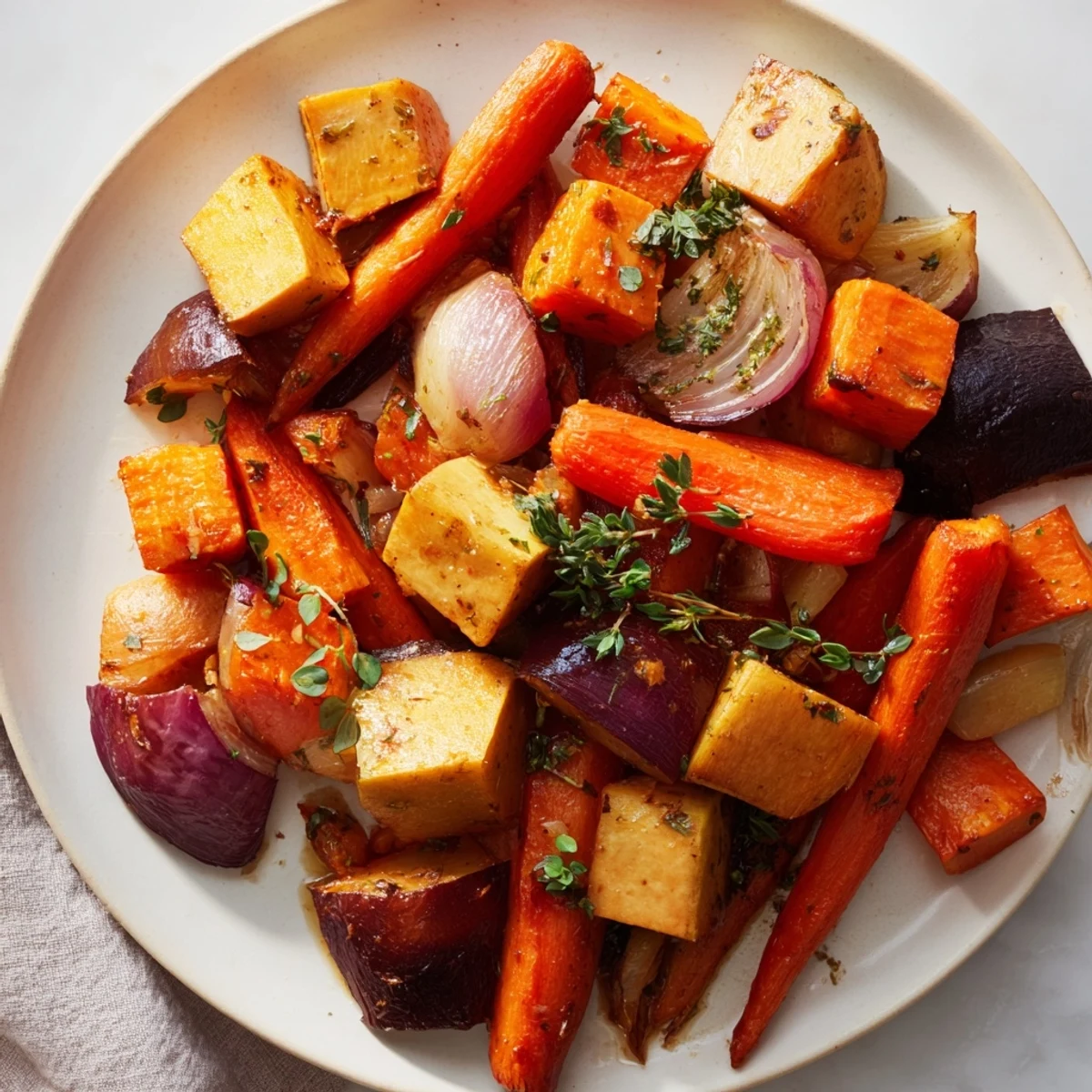
 This dish combines a variety of peeled and cut root vegetables such as carrots, parsnips, sweet potato, rutabaga, and red onion, all tossed in olive oil, honey, thyme, salt, and pepper. Roasted in a hot oven until caramelized and tender, the vegetables develop a rich sweet-savory glaze, enhanced by optional fresh parsley. Perfect as a warm side, it offers vibrant flavors and natural sweetness from honey while maintaining a wholesome, gluten-free profile.
I still remember the autumn afternoon when my grandmother taught me that roasted root vegetables weren't just side dishes—they were edible proof that simple ingredients could transform into something magical. She'd pull a tray from her oven, the kitchen thick with the aroma of caramelized sweetness, and suddenly I understood why she always made them for holiday gatherings. That day, watching the honey glaze catch the golden edges of carrots and parsnips, I realized this wasn't complicated cooking—it was just patience and heat doing what they do best.
The first time I served this to my family as my own recipe, my skeptical partner took one bite of a honeyed carrot piece and smiled in that way that meant I'd nailed it. That's when I knew this recipe had legs—it wasn't just good, it was reliable enough to become a regular player on our dinner table, especially when we wanted something that felt special without being stressful.
Ingredients
- 2 large carrots, peeled and cut into 1-inch pieces: Carrots are the backbone here—their natural sugar concentrates as they roast, creating those caramelized edges. Cutting them into uniform pieces ensures even cooking.
- 2 parsnips, peeled and cut into 1-inch pieces: Parsnips have an earthy, slightly sweet flavor that deepens beautifully when roasted. If you've never tried them this way, prepare for a pleasant surprise.
- 1 large sweet potato, peeled and cubed: This adds creamy texture and additional natural sweetness without needing extra sugar. The contrast between the soft interior and caramelized exterior is pure comfort food.
- 1 small rutabaga or turnip, peeled and cubed: This might be the vegetable you've overlooked, but it brings a subtle earthiness and holds its shape beautifully through roasting.
- 1 red onion, cut into wedges: Red onions become almost jam-like when roasted, sweet and mellow. Their color also makes the finished dish look even more inviting.
- 3 tbsp olive oil: This is what creates those golden, crispy edges. Don't skip it or reduce it thinking you're being healthy—the oil is what transforms these vegetables into something special.
- 2 tbsp honey: A light glaze that caramelizes in the oven's heat. It's not cloying—just enough sweetness to highlight the vegetables' natural sugars.
- 1 tsp fresh thyme leaves (or ½ tsp dried thyme): Thyme adds a subtle herbal note that keeps things from feeling too sweet. Fresh is noticeably better, but dried works in a pinch.
- 1 tsp sea salt and ½ tsp black pepper: Simple seasoning that lets the vegetables shine. Don't undersalt—this is where flavor lives.
- 2 tbsp chopped fresh parsley (optional): A bright, fresh garnish that adds color and a hint of freshness against the warm, roasted vegetables.
Instructions
- Heat your oven and prep your surface:
- Set your oven to 425°F and line a large baking sheet with parchment paper. This step matters more than it seems—parchment keeps things from sticking and makes cleanup actually enjoyable instead of a punishment.
- Combine and coat:
- In a large bowl, toss together all your cut vegetables. Drizzle with olive oil, honey, fresh thyme leaves, salt, and pepper. Use your hands to mix everything together—you want every piece touched by the oil and honey. This is where the magic starts; you're essentially building flavor into every surface.
- Spread in a single layer:
- Pour everything onto your prepared baking sheet in one even layer. Don't crowd them—they need space to caramelize, not steam. If they're packed too tight, they'll soften without those beautiful golden-brown edges.
- Roast with a halfway stir:
- Pop the sheet into your 425°F oven for 35 to 40 minutes. About halfway through (around 18 minutes), pull out the sheet and give everything a stir. This ensures even browning and keeps things from sticking. The kitchen will smell incredible during this time.
- Look for the golden finish:
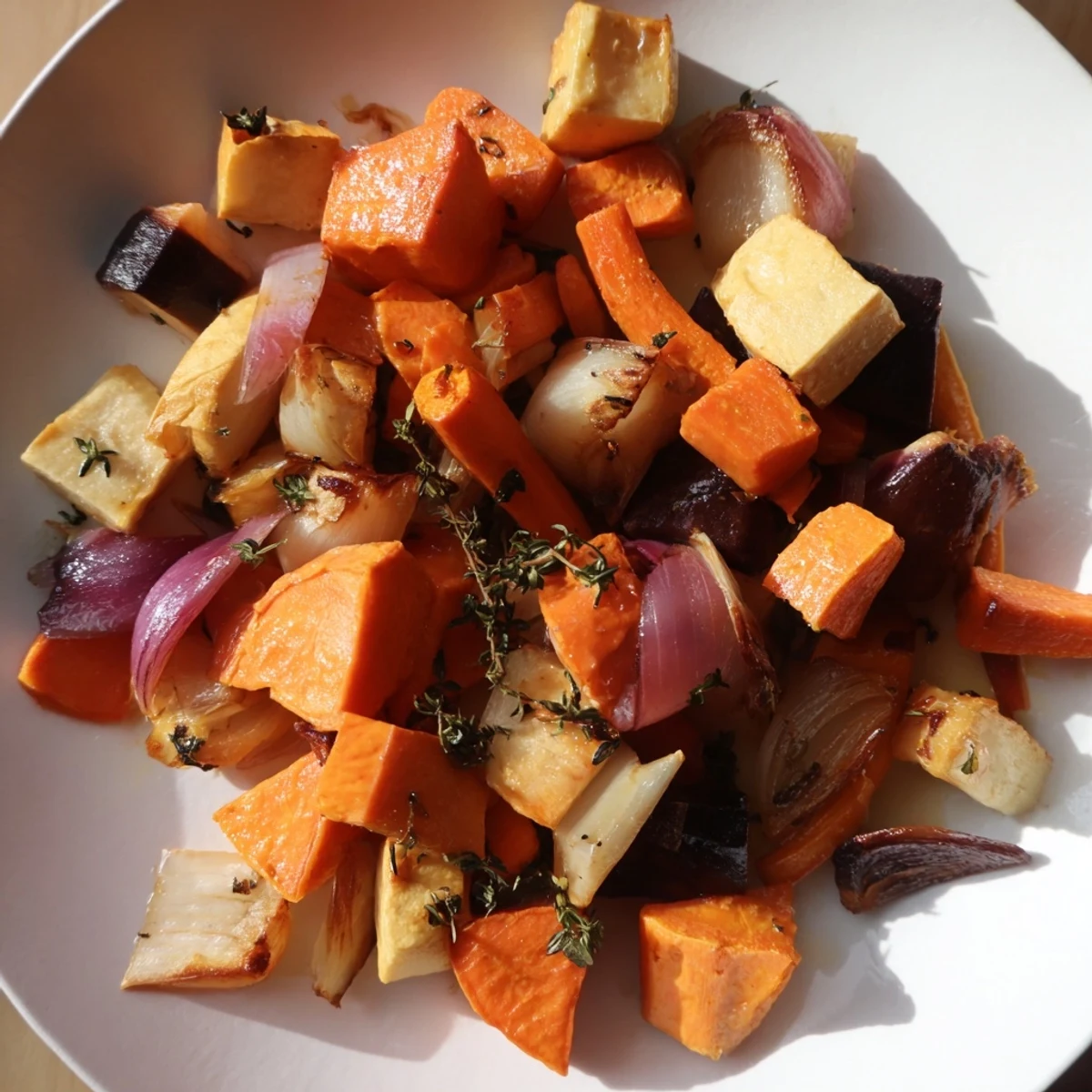
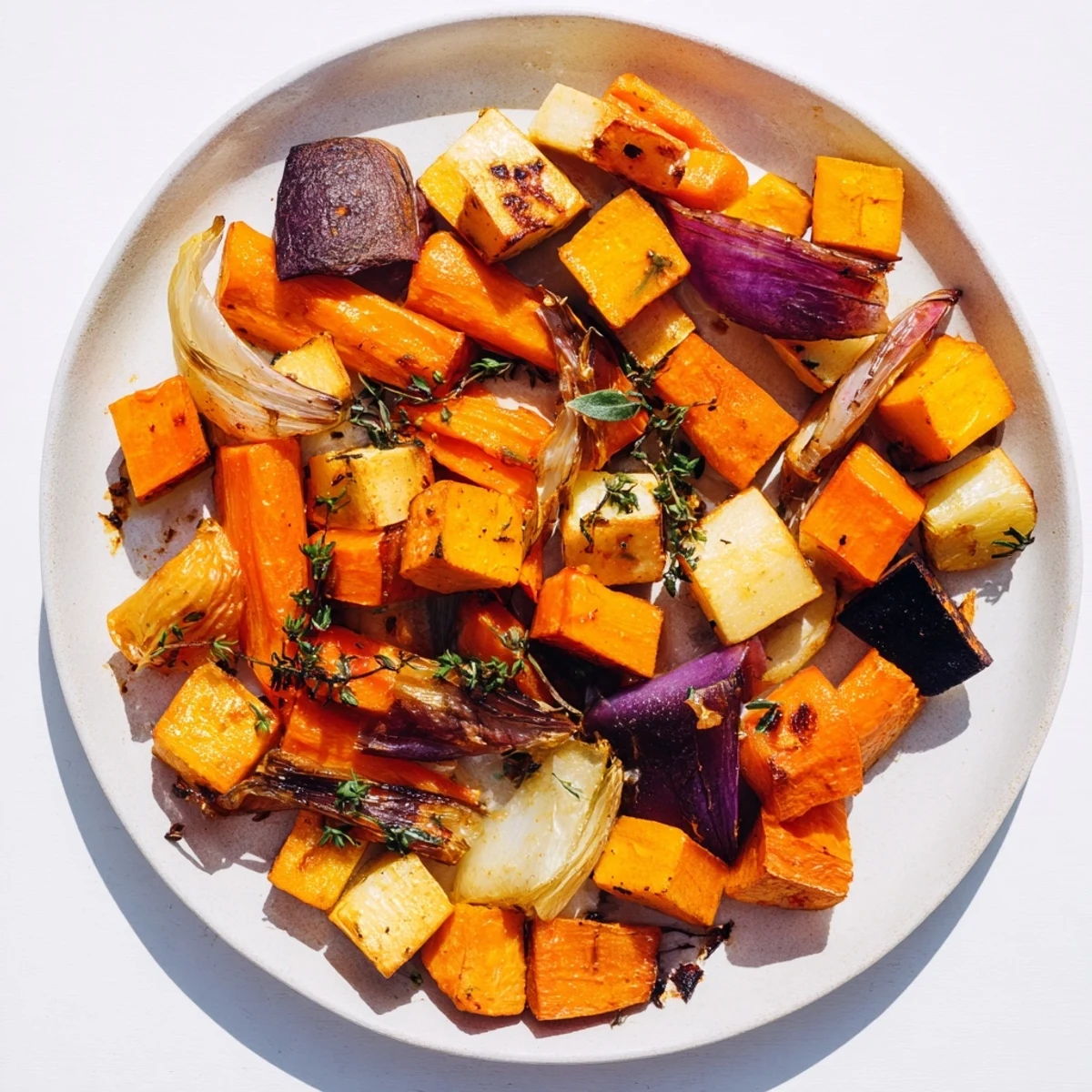
- You'll know they're done when the vegetables are fork-tender and the edges are caramelized and golden brown. Some pieces will have darker, almost charred edges—these are the prize pieces.
- Serve with a flourish:
- Transfer to a serving platter and sprinkle with fresh parsley if you have it. Serve while warm, when everything is still a little bit creamy inside and crispy outside.
 Save to Pinterest
 My favorite memory of this dish isn't about the cooking at all—it's the moment after dinner when someone said, 'Wait, there's no way something this good is just vegetables.' That's when I knew I'd created something that transcends its simple ingredients, something that makes people feel taken care of.
Variations and Additions
This recipe is incredibly flexible, which is part of why I keep coming back to it. You can add beets for earthiness and a deeper color, golden potatoes for heartiness, or Brussels sprouts for a little textural contrast. Some people drizzle a bit of balsamic vinegar at the end, which adds a sophisticated tang. If you want to make this vegan, maple syrup works beautifully in place of honey and has a slightly deeper, more complex flavor. The seasonings are also your playground—try adding a pinch of smoked paprika for depth, or even a touch of cinnamon for a hint of warmth.
Pairing and Serving
This side dish is genuinely versatile. It pairs wonderfully with roasted chicken, stands alongside a grilled steak, or becomes part of a vegetarian main-course spread with grains and legumes. I've also served it at room temperature the next day as part of a lunch bowl, layered with grain and a dollop of Greek yogurt. It's equally at home at a casual weeknight dinner or a holiday table where you want something that looks intentional without requiring hours in the kitchen.
Make-Ahead and Storage Tips
You can prep your vegetables and leave them in the fridge for up to a day before roasting—just store them in a covered bowl. Once cooked, these vegetables actually improve slightly as they cool, making them perfect for make-ahead entertaining. Leftovers keep in an airtight container in the refrigerator for up to four days, and you can gently reheat them in a 350°F oven for about ten minutes, or eat them cold if you're in a hurry.
- Prep your vegetables while your oven preheats to save those precious minutes at the start.
- If your baking sheet is small, it's better to roast in two batches with proper spacing than to crowd everything and sacrifice caramelization.
- Fresh thyme really does make a noticeable difference, but don't stress if you only have dried—it'll still taste wonderful.
 Save to Pinterest
 There's something grounding about a plate of roasted root vegetables—the way they taste of earth and sweetness at the same time, the way they satisfy without being heavy. I hope this becomes a regular in your kitchen the way it's become a regular in mine.
Recipes Q&A
- → What vegetables work best for roasting?
-
Root vegetables like carrots, parsnips, sweet potatoes, rutabaga, and red onions roast well, providing a balance of sweetness and earthiness.
- → Can I substitute honey in this dish?
-
Yes, maple syrup can replace honey for a vegan-friendly alternative while preserving the sweet glaze.
- → How do I achieve caramelization on the vegetables?
-
Roasting at a high temperature (425°F/220°C) and tossing halfway ensures even browning and natural caramelization.
- → Is fresh thyme necessary?
-
Fresh thyme adds a fragrant herbal touch, but dried thyme can be used as a convenient substitute.
- → Can I add other ingredients for variety?
-
Adding beets or golden potatoes introduces more color and flavor to the medley, enhancing its appeal.