
 Save to Pinterest
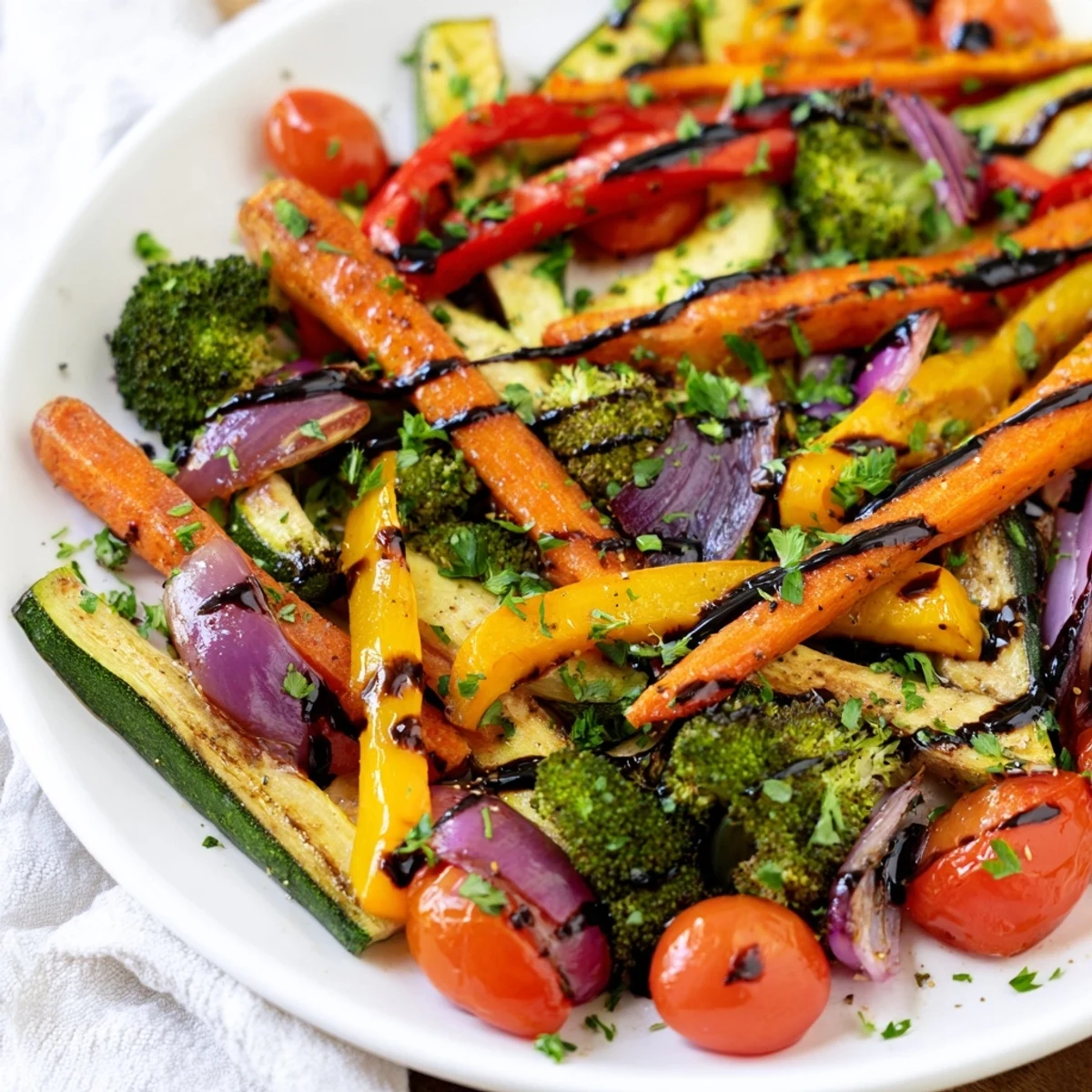
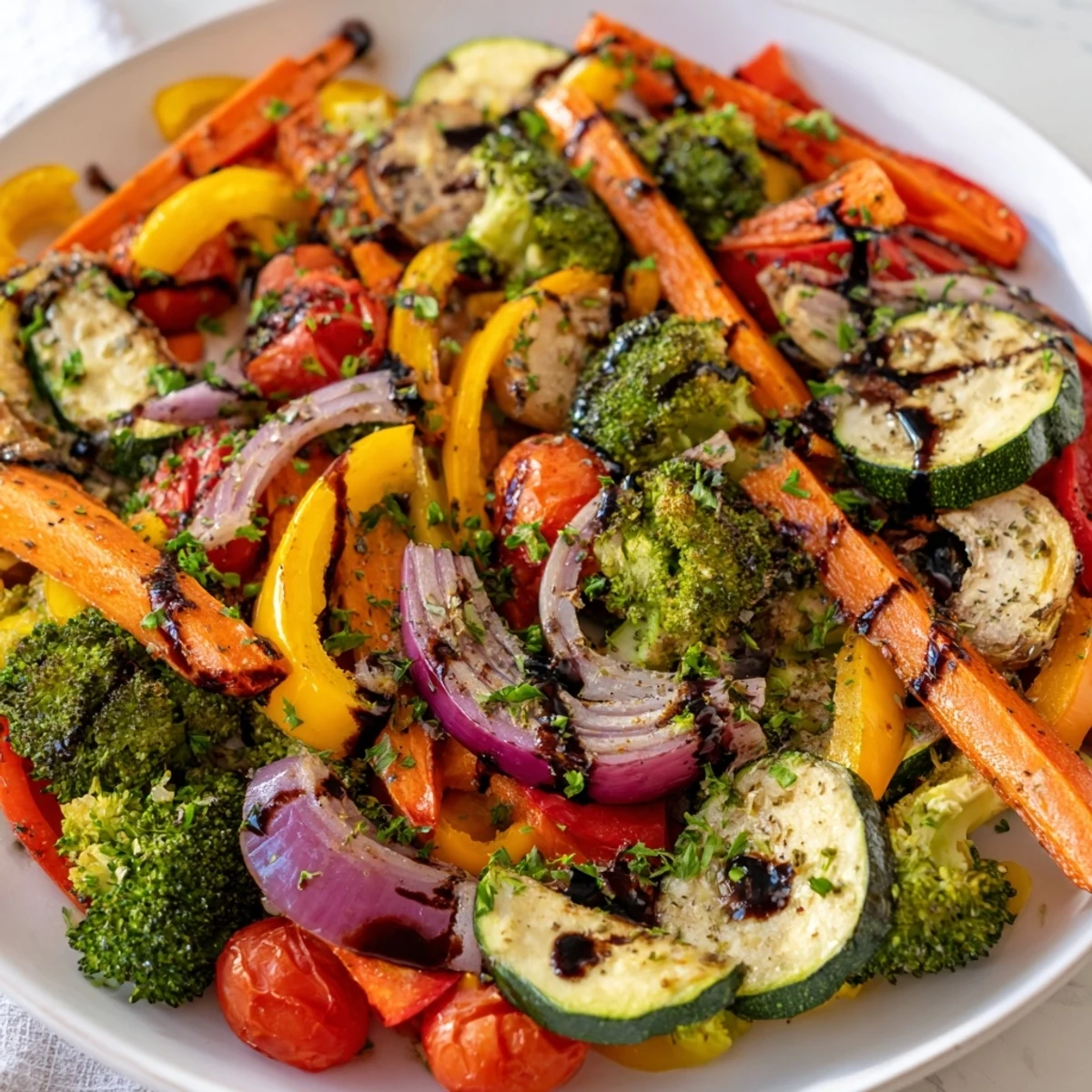
 This dish features a colorful selection of carrots, bell peppers, zucchini, cherry tomatoes, broccoli, and red onion, tossed in olive oil, garlic, and dried Italian herbs before roasting to tender, golden perfection. Finished with balsamic glaze and fresh parsley, it offers a simple yet flavorful way to enjoy seasonal vegetables. Ideal served warm as a side or paired with grains for a light main course, this dish highlights natural textures and vibrant flavors while remaining nutritious and easy to prepare.
I discovered the magic of roasted vegetables on a crisp autumn evening when I had a handful of forgotten veggies in my crisper drawer and very little time. Rather than letting them wilt away, I tossed them on a tray with olive oil and herbs, shoved it in a hot oven, and walked away. Twenty minutes later, my kitchen filled with the most intoxicating aroma of caramelized sweetness and herbs. When I pulled that tray out, the vegetables had transformed into something golden and jammy, tasting nothing like their raw selves. That night, I realized I had stumbled onto something that would become my go-to solution for weeknight dinners and potluck contributions alike.
I'll never forget the first time I made this for my partner's parents. I was nervous because I wanted to impress them, so I arranged the vegetables almost decoratively on the tray. When it came out of the oven, those neat little piles had tumbled into a gorgeous, chaotic heap of color and shine. Instead of feeling like a failure, it somehow looked more authentic, more lived-in, and when they tasted it, they asked for the recipe immediately. That moment taught me that food doesn't need to be perfect to be special.
Ingredients
- Carrots (2 medium, peeled and sliced): These add natural sweetness and become almost candy-like when roasted. I always slice them on a slight bias because it gives them more surface area to caramelize and they look more inviting on the plate.
- Red and yellow bell peppers (1 of each, seeded and cut into strips): The colors are half the appeal here, and stripping them helps them cook evenly. Red peppers are sweeter if you can find them, but honestly any color works beautifully.
- Zucchini (1 medium, sliced into rounds): This one is a workhorse vegetable that soaks up all the olive oil and herb flavors. Don't worry if the rounds get a bit floppy when roasting, that's when they taste best.
- Red onion (1 small, cut into wedges): I learned to use red onion over yellow because it caramelizes more gently and stays slightly sharp, which balances all the sweetness. The wedges keep the layers intact so they don't scatter.
- Cherry tomatoes (200 g, whole): These burst slightly in the heat and create little pockets of jammy flavor. I always nestle them between the larger vegetables so they roast at the same pace.
- Broccoli florets (200 g): They get crispy at the tips and tender in the stalks. This is where I learned that broccoli actually tastes incredible when roasted rather than steamed, which changed everything for me.
- Olive oil (3 tbsp): This is the star player. It carries all the flavor and helps everything caramelize evenly. I use a good quality oil because you can taste the difference.
- Sea salt and freshly ground black pepper: A tsp and a half tsp respectively. Fresh pepper makes a real difference here because you can taste the complexity of the peppercorn.
- Dried Italian herbs (2 tsp or a mix of oregano, thyme, and rosemary): If you have fresh herbs, use them at the end instead. If you're using dried, don't skip this because it's what makes everything smell like a proper kitchen moment.
- Garlic (2 cloves, minced): Minced rather than sliced because it distributes better and doesn't burn as easily. The garlic mellows beautifully as it roasts alongside everything else.
- Fresh parsley and balsamic glaze (optional garnish): These are the final touches that make people think you tried harder than you did. The parsley adds brightness and the balsamic adds a sophisticated tang that makes everything taste more intentional.
Instructions
- Get your oven ready and hot:
- Preheat to 220°C (425°F). I learned to do this first because a hot oven is what creates that caramelization magic. The vegetables need that immediate heat to start browning rather than just steaming.
- Prepare your stage:
- Line a large baking tray with parchment paper. This is the part that future you will thank present you for. No scrubbing a pan later, and the parchment helps everything brown evenly.
- Gather and chop your vegetables:
- This is where patience pays off. Take your time cutting everything into similar-sized pieces so they cook at the same rate. I lay out all my vegetables before I start chopping so I can see what I'm working with and make sure nothing gets forgotten in the back of the fridge.
- Create your flavor mixture:
- In a large bowl, combine all your prepared vegetables together. See how the different colors already tell a story? This is the moment when you know it's going to be beautiful.
- Coat everything in love:
- Drizzle with olive oil and sprinkle with salt, pepper, dried herbs, and minced garlic. Use your hands to toss everything until each piece is glistening and every vegetable is coated. This is actually meditative, and I promise you'll be able to smell the herbs coming alive as you mix.
- Arrange on your tray:
- Spread the vegetables in a single layer, making sure they're not crowded. I learned the hard way that overcrowding creates steaming instead of roasting. Give each piece a little breathing room to get crispy and golden.
- Let the oven do its work:
- Roast for 30 to 35 minutes, stirring once at the halfway mark. That moment when you open the oven door and the aroma hits you is never not going to feel like a little triumph. The vegetables should be golden at the edges and tender when pierced with a fork.
- Add the finishing touches:
- Remove from the oven and drizzle with balsamic glaze and fresh parsley if you're using them. These add sophistication and brightness that make people ask if you used a recipe or just knew what you were doing.
- Serve and celebrate:
- Serve warm as a side dish, or pile it over grains like quinoa or rice for a complete meal. Either way, you've just made something that tastes like you spent way more time on it than you actually did.
 Save to Pinterest
 Years ago, I brought this dish to a family potluck where I knew absolutely no one except the person who invited me. I was so nervous that I made two trays to ensure there would be enough to share, partially as a shield against awkwardness. By the end of the dinner, both trays were empty and three different people asked me for the recipe. More than that, three conversations started over this simple roasted vegetable tray. That's when I realized that food is one of the most honest ways we have of saying I'm thinking of you, I want to nourish you, I want to be part of your moment.
Adaptability is Your Superpower
One of my favorite things about this recipe is how it transforms based on the season and what's available. In winter, I swap in Brussels sprouts that get crispy and caramelized, or chunks of sweet potato that become almost creamy inside. In summer, I add thin slices of eggplant and fresh herbs on top after roasting. The base technique stays the same, but the dish never feels stale. I've learned that cooking is just as much about adapting to what you have as it is following rules.
Making it a Complete Meal
This vegetable tray transforms completely depending on what you serve it with. When I pile it over warm quinoa or fluffy couscous, it becomes a satisfying main course that feels complete and nourishing. I've also served it alongside grilled chicken for guests who wanted protein, nestled it into a grain bowl with tahini dressing, and even piled it onto warm bread with a dollop of hummus for lunch the next day. Each combination feels like a different meal, which means one batch of roasted vegetables can give you multiple dinner ideas throughout the week.
The Details That Elevate Everything
I've learned that the small choices at the end are what separate a good home-cooked meal from something that feels special and intentional. The balsamic glaze adds a sophisticated tang, the fresh parsley brings brightness and freshness that roasting removes, and that moment of standing over the tray with these finishing touches is when you get to decide if this is going to be simple or elevated. Sometimes I skip both garnishes and it's perfect, other times I add both and suddenly it looks like something from a proper restaurant kitchen.
- Fresh herbs scattered on top right before serving create little pockets of brightness that make each bite different.
- A squeeze of fresh lemon juice can replace the balsamic if you want brightness instead of depth.
- Toasted nuts or seeds sprinkled at the end add texture and make the dish feel even more substantial.
 Save to Pinterest
 Roasting vegetables is one of those quiet kitchen skills that builds confidence because it genuinely cannot go wrong. The flavors deepen, the colors brighten, and you end up with something that tastes intentional and composed even though you barely tried. Make this once, and you'll find yourself roasting vegetables every time you need a side dish, a quick dinner, or something beautiful to share.
Recipes Q&A
- → What vegetables can I use for this tray?
-
Carrots, bell peppers, zucchini, cherry tomatoes, broccoli, and red onions work well. You can also swap in sweet potatoes, Brussels sprouts, or mushrooms based on preference.
- → How do I ensure the vegetables roast evenly?
-
Spread them in a single layer without overcrowding the tray and stir once halfway through cooking to promote even roasting.
- → Can I prepare this dish ahead of time?
-
Yes, you can chop and season the vegetables in advance, then roast just before serving for maximum freshness.
- → What herbs complement the vegetables best?
-
Dried Italian herbs like oregano, thyme, and rosemary pair perfectly, enhancing the natural flavors without overwhelming them.
- → How should I serve this vegetable medley?
-
Serve warm as a side dish or over grains such as quinoa, rice, or couscous for a satisfying light main course.