
 Save to Pinterest
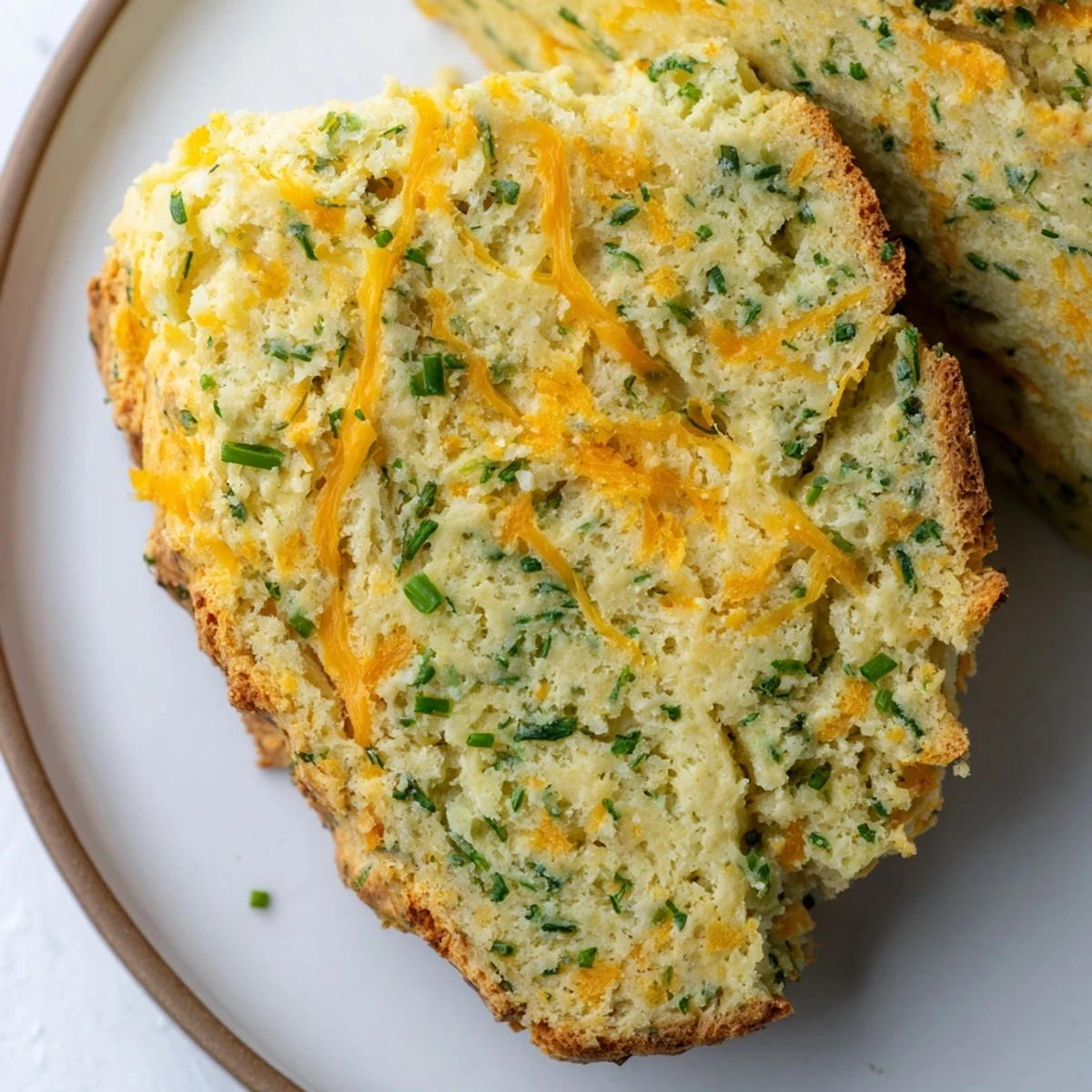
 This savory Irish loaf combines sharp cheddar cheese with fresh herbs like chives, parsley, and thyme, creating a flavorful bread perfect to accompany soups or stews. Made with simple pantry ingredients such as flour, baking soda, and buttermilk, the dough comes together quickly without yeast. A rustic crust and tender crumb make it ideal for slicing and serving warm with butter. The herb blend can be customized to taste, offering versatility for different flavor profiles.
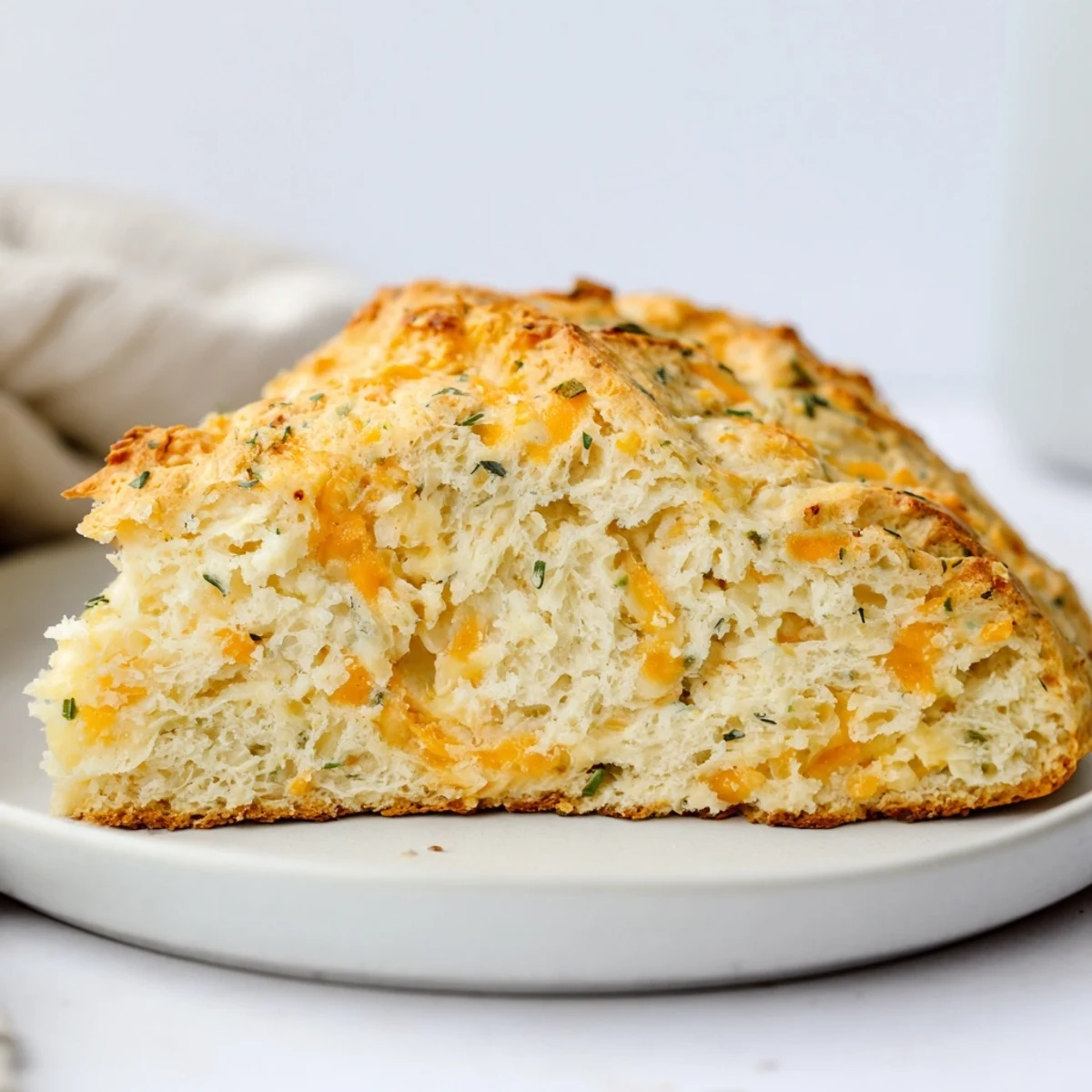
Baking at a high temperature gives the bread a deeply golden crust while keeping the interior soft and moist. Whether served as a snack or part of a meal, this loaf delivers hearty taste and comforting texture with minimal effort and time.
The smell of cheddar melting into flour still takes me back to rainy afternoons when I needed something warm and fast. This soda bread became my go to when yeast felt like too much commitment but comfort food was non negotiable.
I once made this for a last minute dinner party when my planned bread failed. Everyone kept asking what I did differently and honestly the secret was just not overthinking it.
Ingredients
- All purpose flour: Forms the sturdy base that holds everything together without needing gluten development
- Sharp cheddar cheese: Use the sharpest you can find because mild cheese gets lost in the bake
- Fresh chives and parsley: These bring bright green flecks and mild onion flavor that complements the rich cheese
- Dried thyme: Adds an earthy undertone that rounds out the fresh herbs
- Buttermilk: Creates tenderness and tang while reacting with baking soda for lift
- Unsalted butter: Melted into the dough adds richness without making the crumb too heavy
- Egg: Helps bind the dough and contributes to a golden crumb inside
Instructions
- Preheat and prepare:
- Heat your oven to 400°F and line a baking sheet with parchment paper while you gather everything together
- Mix the dry base:
- Whisk flour sugar baking soda and salt in a large bowl until everything looks evenly combined
- Add the good stuff:
- Stir in the grated cheese chives parsley and thyme until the herbs and cheese are distributed throughout
- Combine wet ingredients:
- Whisk buttermilk melted butter and egg in a separate bowl until blended
- Bring it together:
- Pour the wet mixture into the dry and mix with a wooden spoon just until a shaggy dough forms
- Shape the loaf:
- Turn onto a floured surface knead gently four or five times then form into a round about seven inches across
- Score and bake:
- Transfer to your prepared sheet cut a deep X on top and bake for thirty five to forty minutes until deeply golden
- Cool completely:
- Let the bread rest on a wire rack for at least twenty minutes so the crumb sets before you slice into it
 Save to Pinterest
 My neighbor started requesting this loaf every time soup was on her menu and now it is just expected that I bring one over.
Make It Your Own
Substitute half the all purpose flour with whole wheat for a nuttier flavor or add a teaspoon of garlic powder for extra kick. Dill or rosemary work beautifully instead of the parsley and chives if that is what you have on hand.
Storage Tips
Wrap the cooled loaf tightly and keep it at room temperature for up to two days. After that slice and freeze it in a resealable bag then reheat individual pieces in a 350°F oven for ten minutes.
Serving Suggestions
Warm slices with salted butter are unbeatable but this bread also shines alongside creamy tomato soup or beef stew. The cheese and herbs make it substantial enough to stand in for dinner rolls.
- Try it toasted the next day with a bit of butter
- Cube stale leftovers and bake into croutons
- Serve alongside Irish stew for an authentic meal
 Save to Pinterest
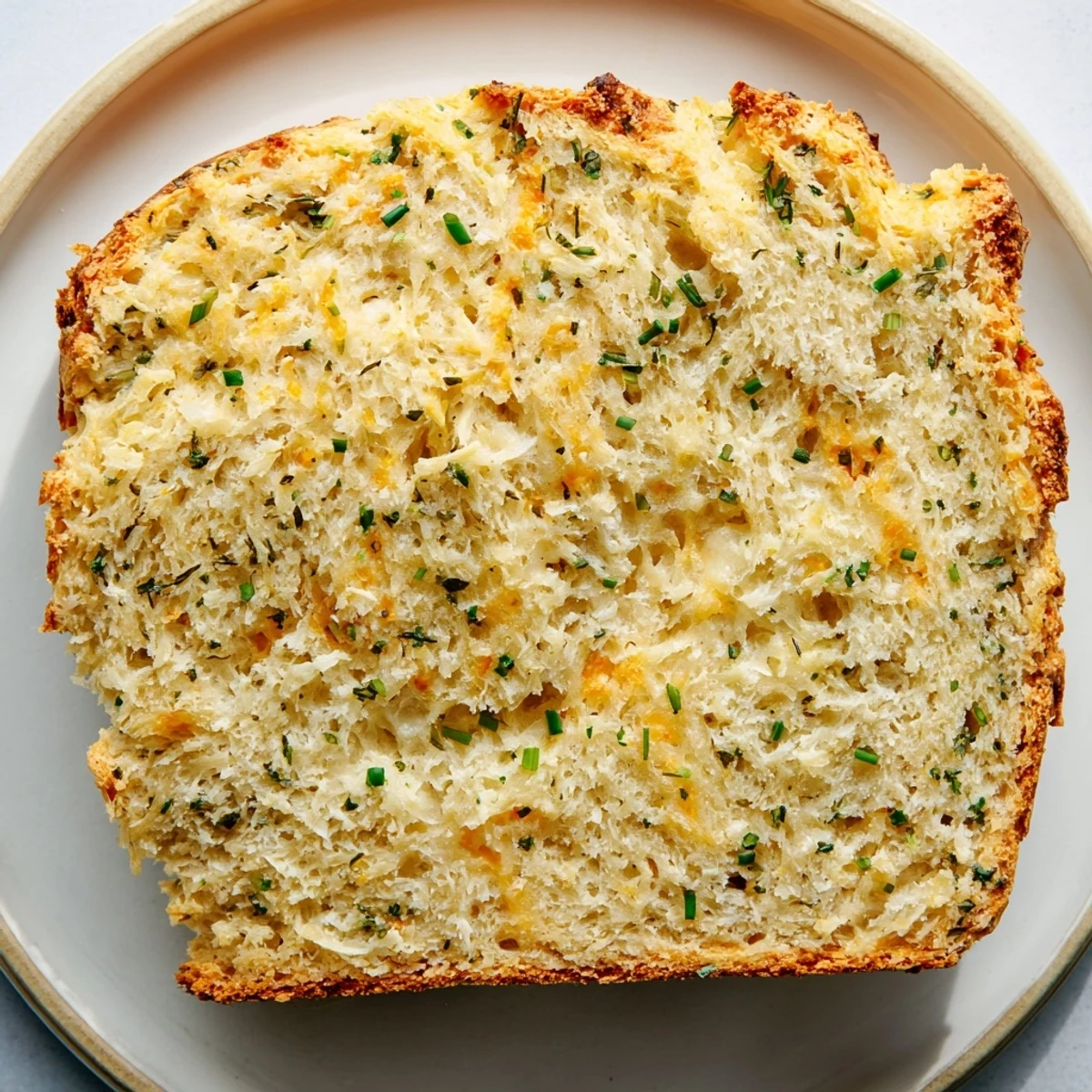
 Nothing beats tearing into a warm slice with that golden cheese smell still lingering in the kitchen.
Recipes Q&A
- → What herbs work well in this bread?
-
Chives, parsley, and thyme provide a balanced, fragrant flavor, but rosemary or dill are excellent alternatives for variation.
- → Can I substitute the cheddar cheese?
-
Sharp cheddar offers a distinct tang, but other cheeses like Gruyère or smoked gouda can add unique taste profiles.
- → How do I know when the bread is fully baked?
-
The crust should be deeply golden, and a skewer inserted into the center should come out clean without dough sticking.
- → Is buttermilk necessary for this bread?
-
Buttermilk reacts with baking soda to create a tender crumb and subtle tang, but a mix of milk and lemon juice can be used as a substitute.
- → How should I store leftover bread?
-
Wrap the cooled loaf in a clean cloth or store in an airtight container at room temperature to maintain freshness for 2-3 days.