
 Save to Pinterest
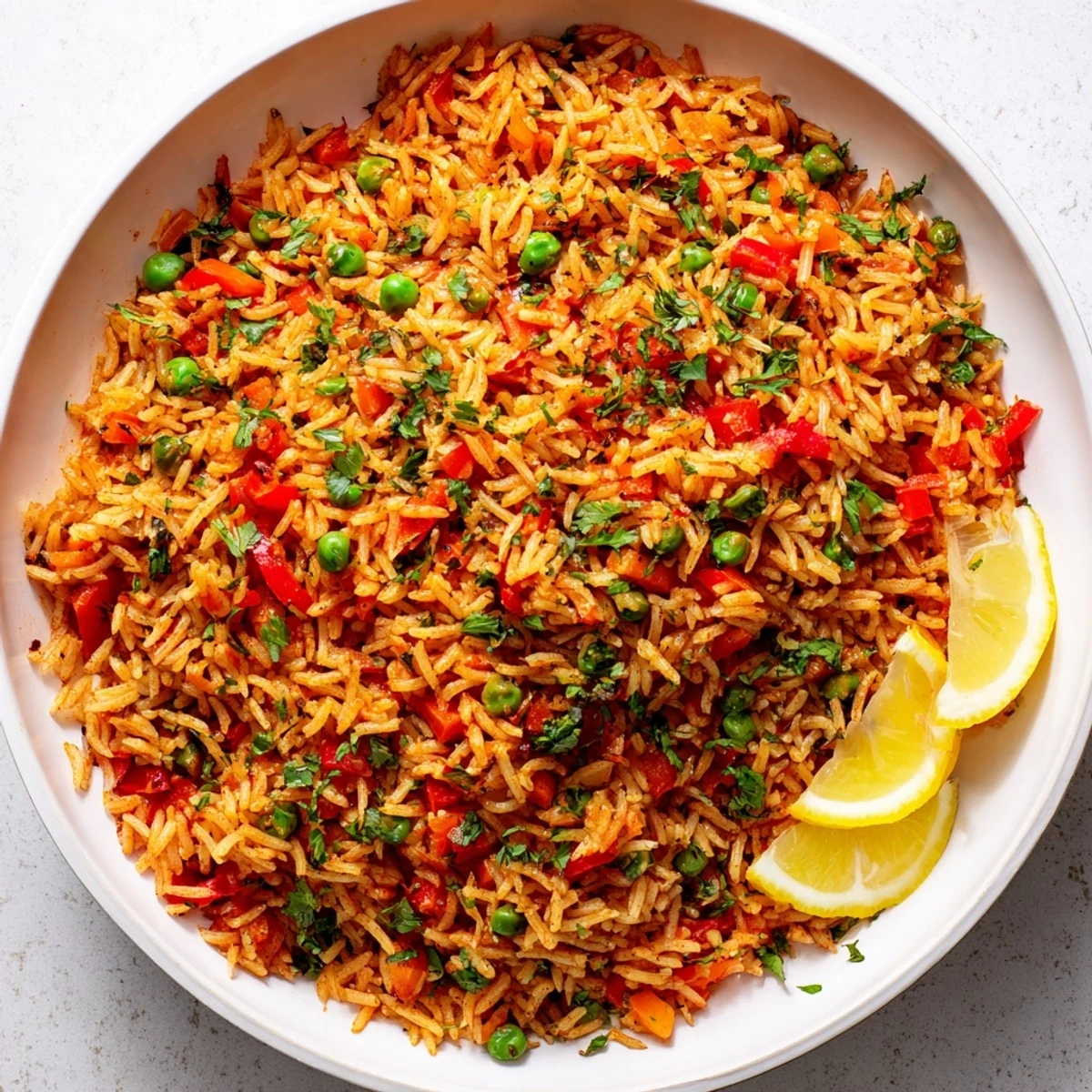
 This fragrant dish combines long-grain rice with a medley of tender vegetables including bell pepper, carrot, and peas. Aromatic spices such as cumin, smoked paprika, turmeric, and garlic infuse each grain, while simmering in savory vegetable broth ensures rich flavor and perfect texture. Finished with fresh parsley and a squeeze of lemon, it offers a colorful, hearty option suitable for any meal. Quick to prepare and naturally gluten-free, it makes a comforting and vibrant addition to your cooking repertoire.
I still remember the first time I made this rice dish on a quiet Sunday afternoon when my neighbor stopped by unexpectedly. I had a handful of vegetables in the crisper drawer and some rice in the pantry, so I decided to create something warm and comforting. As the aromatics hit the hot oil, my whole kitchen filled with this incredible fragrance of cumin and smoked paprika that made her say, "Whatever you're making, I'm staying for dinner." That moment taught me that sometimes the simplest ingredients, when treated with care and the right spices, can create something truly memorable.
I've made this dish countless times now, and one evening stands out vividly. My partner was having a rough day, and I wanted to create something that felt like a hug in a bowl. As I stirred in those final peas and the steam rose from the pan, I watched their shoulders relax. That's when I realized this recipe isn't just about feeding people, it's about showing them they're worth the effort of creating something thoughtful.
Ingredients
- Long-grain white rice (1 1/2 cups): The backbone of this dish. Rinsing it removes excess starch and prevents it from becoming gummy. I learned this the hard way after making sticky rice that one time, and now it's non-negotiable for me.
- Vegetable broth (3 cups): This is where the magic happens. The broth carries all those spice flavors directly into each grain of rice. Use a good quality broth you'd actually want to drink, because that's exactly what you're creating here.
- Onion (1 medium, finely chopped): The aromatic foundation. When you chop it fine, it distributes evenly and almost disappears into the rice, creating a seamless flavor base.
- Red bell pepper (1, diced): Beyond adding beautiful color, it brings a subtle sweetness that balances the earthiness of the spices perfectly.
- Carrot (1 medium, diced): Another sweet element that adds natural depth and texture. The smaller you dice everything, the more integrated the final dish feels.
- Frozen peas (1 cup): I add these toward the end so they stay bright and don't get overcooked into mush. They're like little pops of sweetness throughout.
- Garlic (2 cloves, minced): Mince it fresh, never use the jarred version for this. The difference in flavor is immediately noticeable.
- Ground cumin (1 teaspoon): This is the soul of the dish. Toasting it briefly in the oil awakens it completely.
- Smoked paprika (1 teaspoon): The secret weapon that makes people ask, "What is that amazing flavor?" It adds depth without heat.
- Turmeric (1/2 teaspoon): Use this sparingly because it can easily overpower. It adds earthiness and that gorgeous golden color.
- Black pepper (1/4 teaspoon): A pinch of freshly ground black pepper is infinitely better than pre-ground.
- Salt (1/2 teaspoon): Taste as you go. This is just a starting point because every broth has different salt levels.
- Olive oil (2 tablespoons): It's the vehicle for carrying all those spices into the rice. Don't skip it or substitute with something neutral.
- Fresh parsley (2 tablespoons, chopped): The bright finish that makes this dish feel complete. Add it right before serving so it stays fresh and vibrant.
- Lemon wedges: A squeeze of fresh lemon just before eating brightens everything and ties all the flavors together.
Instructions
- Prepare your rice:
- Rinse the rice under cold running water, stirring it gently with your fingers. Keep rinsing until the water runs completely clear, which usually takes about three passes. This removes the starch that would otherwise make your rice sticky. Drain it thoroughly in a fine mesh strainer.
- Heat your foundation:
- Pour the olive oil into a large skillet or saucepan and set it over medium heat. Let it warm until you can feel the heat radiating from the pan, but before it starts to smoke.
- Sauté your vegetables:
- Add the finely chopped onion first and let it cook for about 2 minutes until it starts to turn translucent. Then add the diced bell pepper and carrot. Stir frequently, listening for that soft sizzle. After 4 to 5 minutes, the vegetables should be just tender enough to break easily with a wooden spoon, but still holding their shape.
- Bloom your spices:
- This is the moment where your kitchen transforms. Stir in the minced garlic, cumin, smoked paprika, turmeric, black pepper, and salt. Cook for just about 1 minute, stirring constantly. You'll know it's ready when the spices become fragrant and look like they're releasing essential oils into the pan. This blooming step is non-negotiable because it awakens the spices completely.
- Toast the rice:
- Add your drained rice to the pan and stir everything together for about 1 minute. Every grain should be coated in that spiced oil. This toasting step helps the rice develop a nutty quality.
- Add the liquid:
- Pour in your vegetable broth slowly and carefully. You should hear a gentle sizzle as it hits the pan. Stir once to combine everything, then bring the mixture to a gentle boil. You'll see small bubbles breaking the surface and steam rising.
- Begin the simmer:
- Once it reaches a boil, reduce the heat to low. Cover the pan with a lid, leaving just a tiny crack if your lid fits very tightly, just so steam can escape. Set a timer for 15 minutes. This is when you can step away and let the rice absorb all that flavorful broth.
- Finish with the peas:
- When 15 minutes have passed, carefully remove the lid because steam will escape. Stir in the frozen peas, making sure they're distributed throughout. Cover again and cook for exactly 5 more minutes. The peas will thaw and warm through without losing their bright color and slight firmness.
- Rest the rice:
- Once the rice is tender and all the liquid has been absorbed, remove it from the heat. Keep the lid on and let it sit undisturbed for 5 minutes. This resting period allows the rice to finish cooking gently with residual heat and ensures perfect texture.
- Fluff and serve:
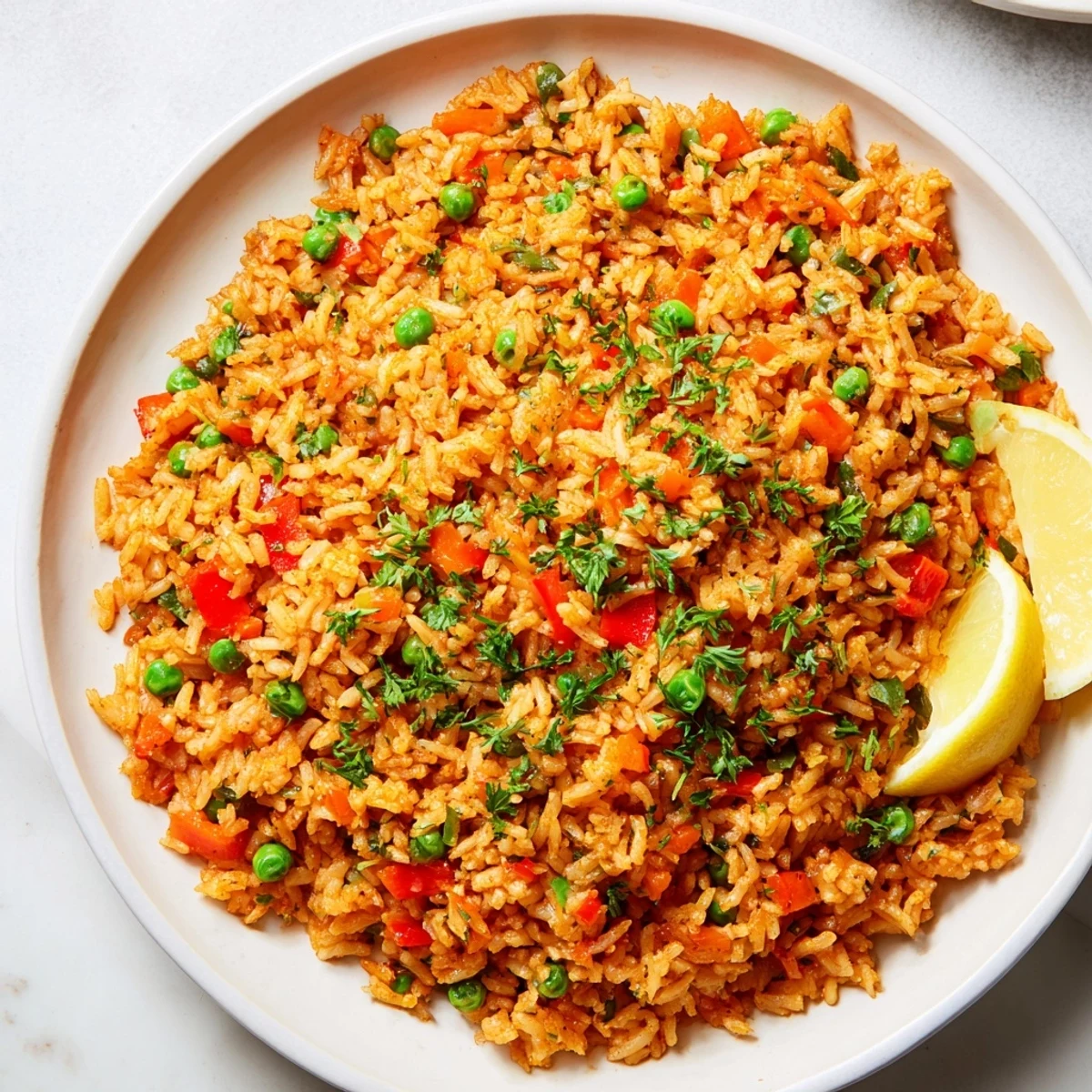
- Using a fork, gently fluff the rice, breaking up any clumps. Don't press down or stir too vigorously, as this can break the grains. Sprinkle the fresh parsley over the top and serve with lemon wedges on the side so everyone can squeeze a little brightness into their bowl.
 Save to Pinterest
 There's a moment right after I fluff the rice with a fork when the warmth and aroma seem to embrace everyone in the room. My mother-in-law, who's normally quiet about food, once said, "This tastes like someone put love in a pan." That's exactly what happens when you give this humble dish your full attention and care.
Making This Dish Your Own
While this recipe is beautiful as written, I've learned that it's also incredibly flexible. I've added protein variations depending on what's in my kitchen or what my guests prefer. Cooked chickpeas create a complete vegetarian meal with protein, while shredded rotisserie chicken transforms it into something heartier and more substantial. Even crumbled tofu works beautifully if you're serving anyone who prefers plant-based options. The spice blend is so forgiving that these additions never feel like they're fighting with the base recipe.
Adjusting for Different Rice Types
I've experimented with brown rice, wild rice, and even basmati when I wanted something more aromatic. Each one shifts the flavor profile slightly. Brown rice takes about 40 minutes instead of 20, and you'll need a bit more broth because it absorbs more liquid. Basmati will give you more fragrance and individual grains that don't stick together at all. The recipe adapts beautifully to whatever you have on hand, though I always come back to long-grain white rice because it's the most forgiving and creates that perfect tender texture every time.
Pairing and Serving Ideas
This rice works perfectly as a standalone main dish, but I've found it's also an incredible canvas for other flavors. It's been my go-to side for grilled fish, roasted vegetables, and even curry dishes. The neutral spice profile means it complements rather than competes. My favorite discovery was serving it alongside grilled lemon chicken, where the bright citrus plays against the warm earthiness of the rice beautifully.
- Squeeze fresh lemon juice right before eating to brighten all the flavors and add a pop of acidity.
- For a make-ahead option, this rice keeps beautifully in the refrigerator for three days and reheats gently with a splash of broth and a fork to separate the grains.
- Leftovers transform into fried rice the next day if you stir in an egg and some soy sauce, making this recipe work even harder for your kitchen.
 Save to Pinterest
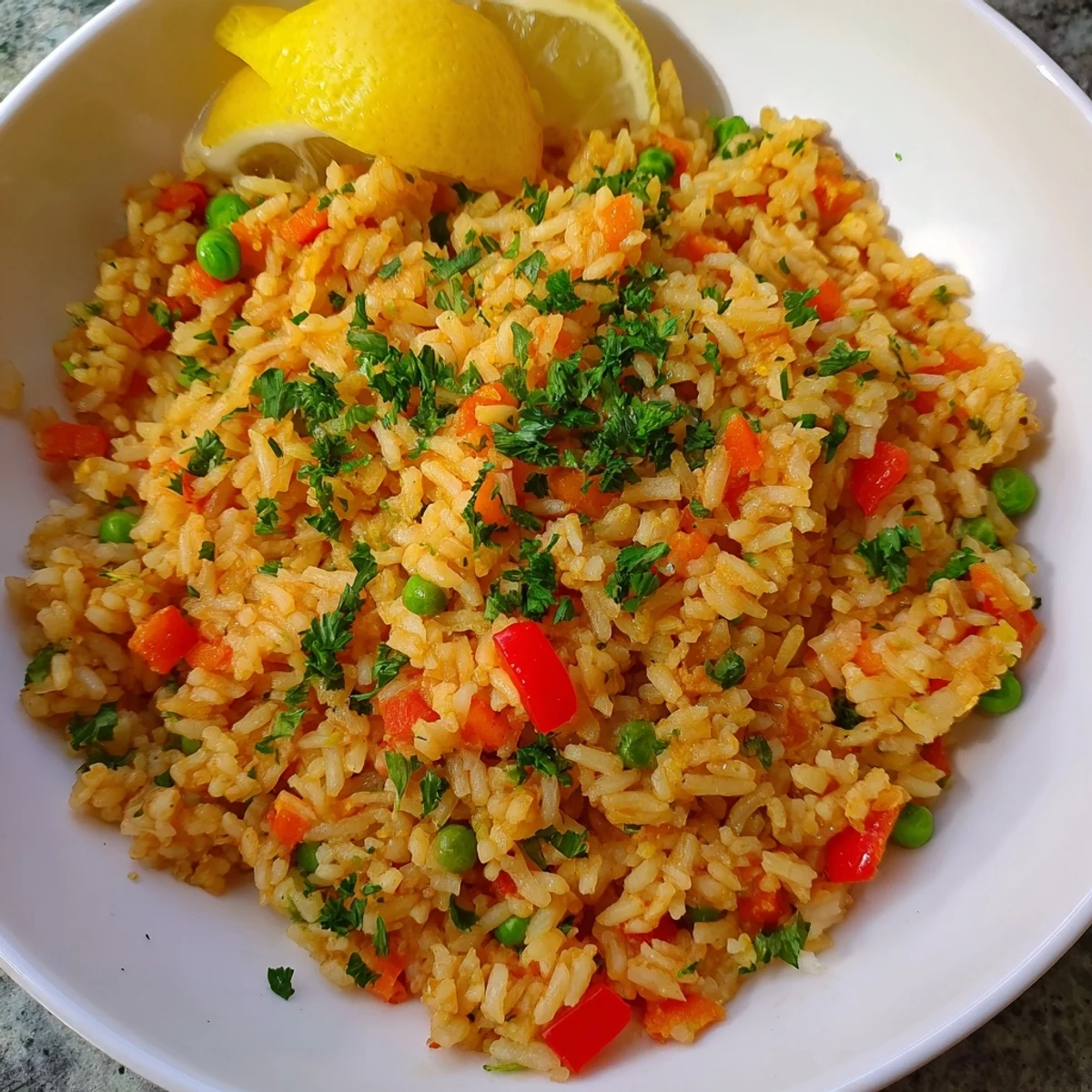
 This rice dish has become my kitchen's greatest comfort creation, the one I return to when I want to create something that nourishes both body and spirit. Every time I make it, I'm reminded that the most meaningful meals come from showing up with intention and treating even the simplest ingredients with respect.
Recipes Q&A
- → What type of rice works best for this dish?
-
Long-grain white rice is ideal as it cooks fluffy and absorbs the spices well. Brown rice can be used but requires longer cooking time.
- → Can this dish be made vegan?
-
Yes, it uses vegetable broth and plant-based ingredients, making it fully vegan friendly.
- → How do the spices affect the flavor?
-
Ground cumin, smoked paprika, turmeric, and garlic create a warm, aromatic profile that enhances the vegetables and rice.
- → Is it possible to add protein to this dish?
-
Cooked chickpeas or shredded chicken can be stirred in after cooking to add protein while maintaining flavors.
- → What cooking techniques ensure fluffy rice?
-
Rinsing rice before cooking removes excess starch, and simmering on low heat with the lid on allows even steam absorption.