
 Save to Pinterest
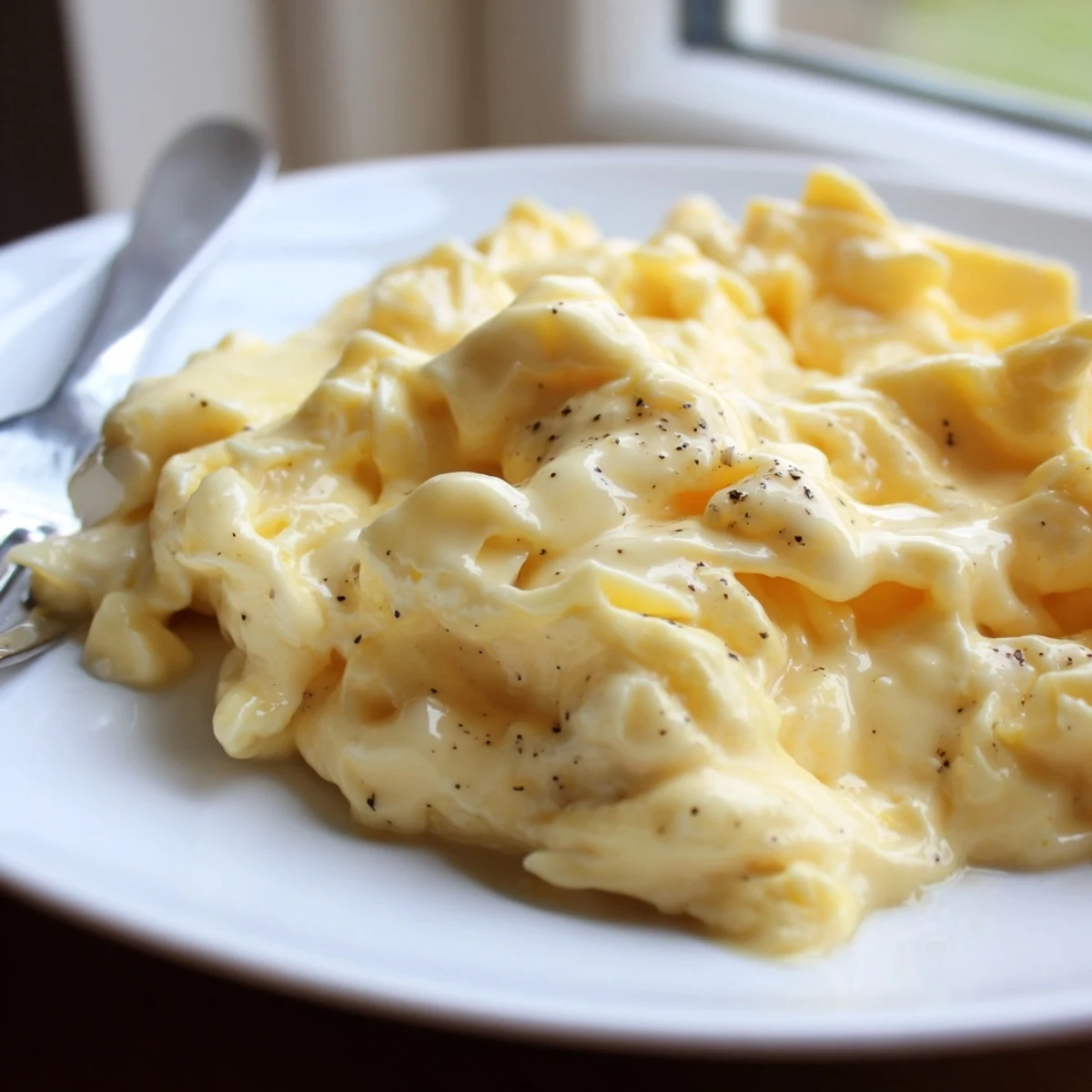
 These scrambled eggs deliver restaurant-quality results with minimal effort. The secret lies in cooking over gentle medium-low heat while constantly folding the eggs to create those signature soft curds. Adding a touch of milk or cream ensures luxurious creaminess, while removing them from heat while slightly moist guarantees they stay tender.
The entire process takes just 10 minutes from start to finish, making this perfect for busy weekdays or leisurely weekend brunch. Once mastered, you'll never settle for rubbery eggs again.
My roommate in college taught me that scrambled eggs are actually worthy of attention. We'd stumble into our tiny kitchen at 11am, still wearing sweatpants, and she'd make these impossibly creamy eggs that made everything feel okay. I've been chasing that texture ever since, and I finally figured out her secret was patience and really good butter.
Last Sunday I made these for my mom, who'd been eating dry scrambled eggs her entire life. Watching her face light up at that first creamy bite reminded me why simple cooking matters. She kept asking what I'd done differently, but it's really just about paying attention and not walking away from the pan.
Ingredients
- 4 large eggs: Room temperature eggs whisk up more evenly and cook more consistently than cold ones straight from the fridge
- 2 tbsp whole milk or cream: This tiny amount makes all the difference between fluffy curds and a dense rubbery mess
- 1 tbsp unsalted butter: Use real butter here because those milk solids create the most gorgeous golden coating
- 1/4 tsp salt: Salt your eggs before cooking rather than after—it actually makes them more tender
- 1/8 tsp freshly ground black pepper: Freshly cracked pepper has a brightness that pre-ground lacks completely
Instructions
- Whisk your eggs:
- Crack eggs into a bowl and add milk or cream, salt, and pepper. Whisk until you see small bubbles forming and the mixture turns a uniform pale yellow.
- Melt the butter:
- Heat butter in a nonstick skillet over medium-low heat until it melts completely and starts to foam gently.
- Let them settle:
- Pour in the egg mixture and wait about ten seconds until you see the edges just beginning to set against the pan.
- Create soft curds:
- Gently push the eggs from edges toward center with a spatula, letting the uncooked egg flow underneath.
- Finish while creamy:
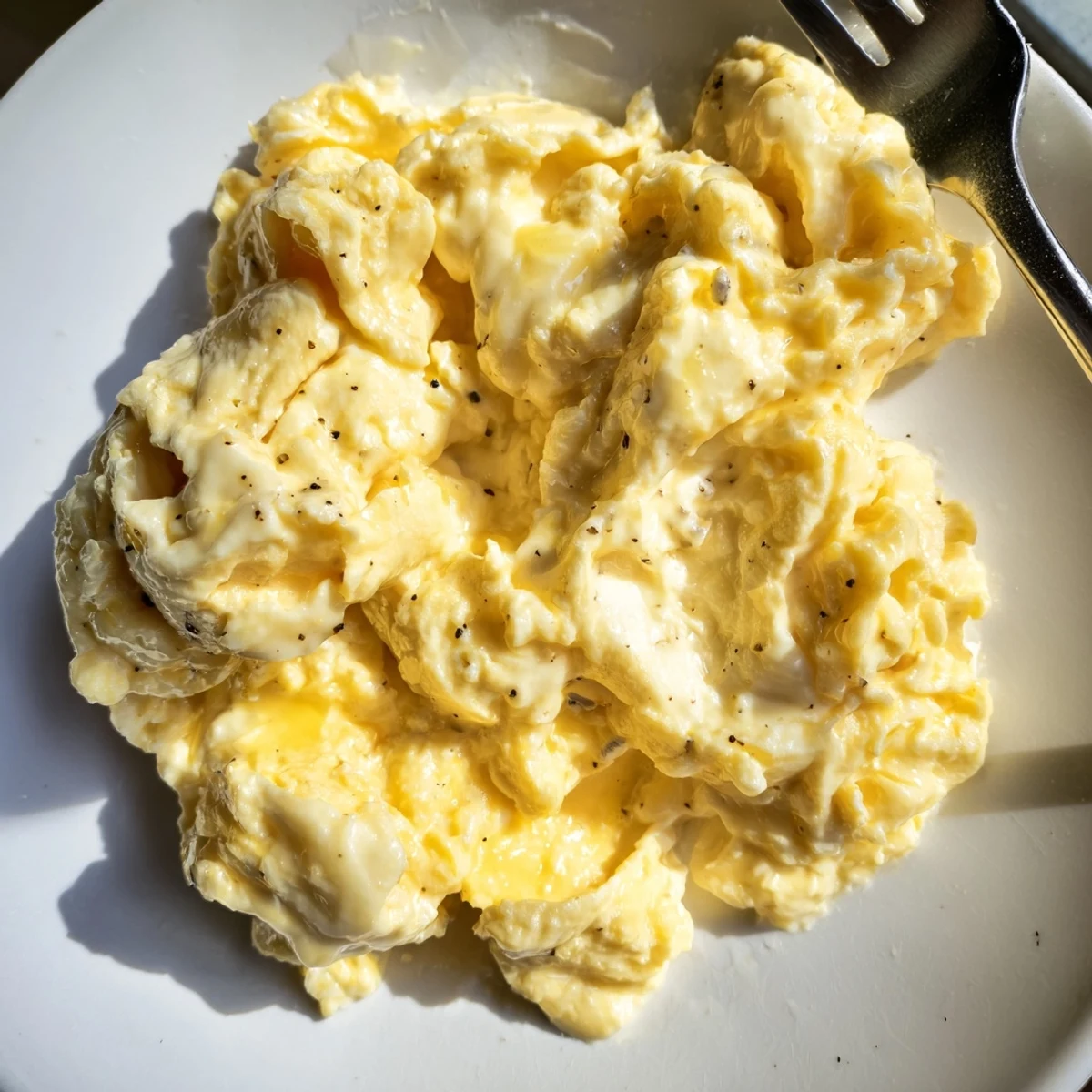
- Continue gently folding until eggs are just set but still look slightly wet and shiny, then immediately remove from heat.
 Save to Pinterest
 Something about standing at the stove, slowly pushing eggs around in butter, feels meditative. My partner now requests these on weekend mornings, and it's become our little ritual of slowing down before the week rushes back in.
Getting The Texture Right
I used to blast the heat because I was impatient, but medium-low is where the magic happens. The eggs should be forming small, soft curds rather than one big flat sheet that you're choppy breaking apart. Think gentle folds instead of aggressive stirring.
Choosing Your Pan
A good nonstick skillet makes this infinitely easier because you can use less butter and nothing sticks. Cast iron works too but you might need slightly more butter to prevent sticking. Whatever pan you choose, make sure it's the right size for the amount of eggs.
Serving Ideas
These eggs are incredible on their own but become something else entirely with the right accompaniments. I love them on thick sourdough toast with a little extra butter melted on top.
- Fresh chives or parsley add a pop of color and mild onion flavor
- A sprinkle of grated sharp cheddar or goat cheese takes them to another level
- Serve alongside avocado slices and everything bagel seasoning for a complete breakfast
 Save to Pinterest
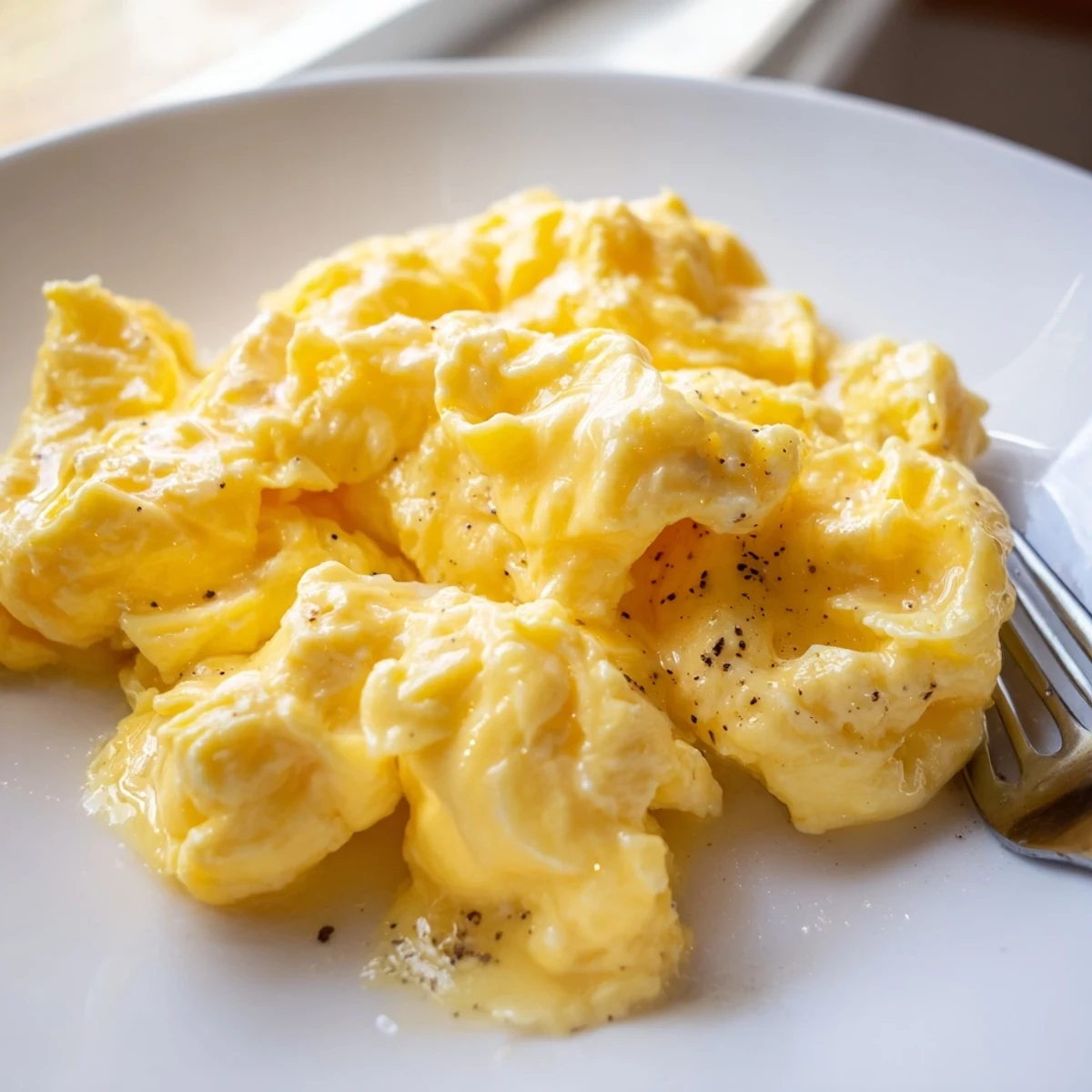
 Perfect scrambled eggs are about learning to trust your instincts more than the timer. Once you find that sweet spot between undercooked and overdone, you'll understand why something so simple can feel so special.
Recipes Q&A
- → Why add milk or cream to eggs?
-
Dairy adds richness and creates a creamier texture. Milk keeps things lighter, while cream delivers extra indulgence. Both help prevent the eggs from becoming rubbery during cooking.
- → What heat level is best?
-
Medium-low heat is essential. High heat causes eggs to overcook quickly and become dry. Gentle heat allows you to control the curd formation and achieve that perfect creamy consistency.
- → How do I know when they're done?
-
Remove from heat when the eggs look slightly underdone and still glistening with moisture. They'll continue cooking briefly in the hot pan. Perfect scrambled eggs should be soft and creamy, never dry or rubbery.
- → Can I make these dairy-free?
-
Absolutely. Substitute milk or cream with your favorite plant-based alternative like almond, oat, or coconut milk. Use dairy-free butter or olive oil for cooking. The technique remains exactly the same.
- → What herbs work well?
-
Fresh chives, parsley, dill, or tarragon are excellent choices. Add finely chopped herbs during the last minute of cooking to preserve their bright flavor. Soft herbs like chives can also be sprinkled over just before serving.
- → Why do my eggs turn out rubbery?
-
Rubbery eggs usually result from cooking at too high heat or leaving them on the heat too long. The protein in eggs tightens quickly when overexposed to heat. Always cook low and slow, and remove from heat while they still look slightly wet.