
 Save to Pinterest
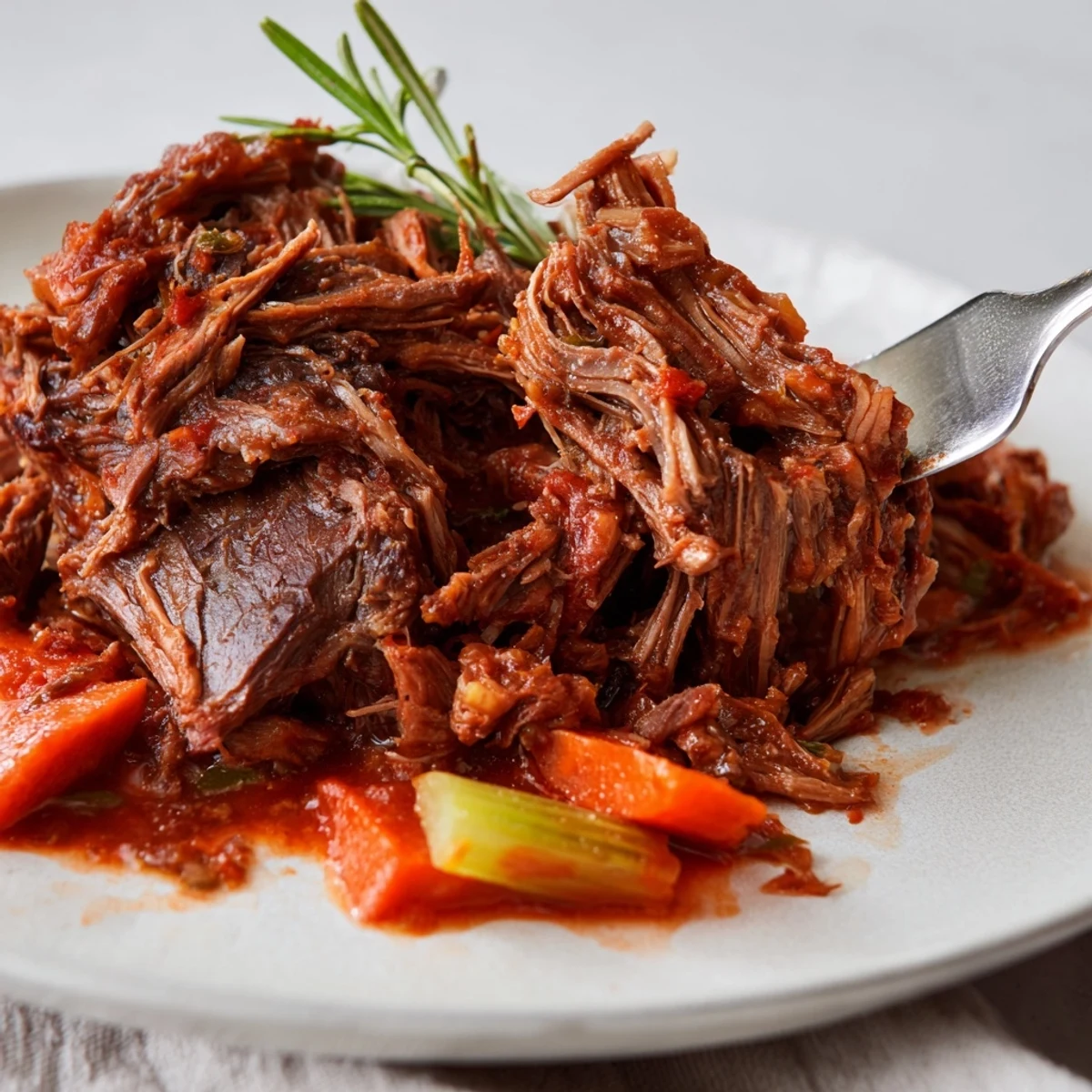
 This dish features beef shank simmered slowly with fresh rosemary and thyme, enhanced by braised vegetables and a rich tomato and red wine base. The meat becomes tender and flavorful after several hours of slow cooking, making it ideal for cozy gatherings. Layered aromatics and careful seasoning create a harmonious depth of flavor, which pairs wonderfully with sides like mashed potatoes or crusty bread.
The process begins with searing the beef to develop a crust, then building a flavorful sauce with sautéed vegetables, herbs, and liquids before a long, gentle braise. Removing herbs and skimming fat at the end results in a balanced, succulent plate that highlights the natural taste and texture of the beef and accompanying ingredients.
There's something about the sound of a heavy Dutch oven lid settling into place that makes me feel like I'm in control of time itself. My grandmother used to say that slow cooking was the only honest way to prepare meat, and I didn't truly understand until the first winter I braised beef shanks for hours, filling my kitchen with the smell of rosemary and wine while the world outside turned dark and cold. When I lifted that lid three hours later, the meat had transformed into something almost unrecognizable—tender enough to fall apart with a fork, rich with a depth of flavor that no amount of quick cooking could ever achieve. That's when I became a believer in this dish.
I made this for my partner on a rainy Sunday when neither of us felt like going anywhere, and we ended up inviting another couple over on impulse. By the time they arrived, the aroma had wrapped itself around the house so completely that they knew something magnificent was about to happen. The beef shanks, still steaming on their plates, sparked a conversation that lasted until well past dinner—suddenly we were all talking about our families' cooking traditions and the meals that shaped us. Food like this has a way of turning an ordinary evening into a memory.
Ingredients
- Beef shanks (about 300 g each, bone-in): The bone adds deep, gelatinous richness that transforms the braising liquid into something silky and full-bodied. Don't skip this cut—it's designed for long, slow cooking and rewards patience generously.
- Salt and freshly ground black pepper: Season generously before searing; this is your chance to create that precious golden crust that adds flavor to everything else in the pot.
- Carrots, celery, and onion: These become part of the aromatic foundation and also soften into the sauce, adding natural sweetness that balances the wine and herbs beautifully.
- Garlic cloves (minced): Fresh garlic added near the end of the vegetable sauté ensures it stays fragrant rather than turning bitter during the long braise.
- Fresh rosemary and thyme sprigs: Using sprigs instead of chopped dried herbs keeps them whole so you can fish them out easily when you're done, and fresh herbs bring a brightness that dried simply cannot match.
- Bay leaves: They disappear into the background, quietly adding an earthy undertone that makes you wonder what the secret ingredient is.
- Beef stock: The foundation of your braising liquid; it should taste good on its own, not like the metallic edge of cheap stock.
- Dry red wine: A wine you'd actually drink works best here—the inferior wine makes inferior sauce, and you'll taste the difference.
- Tomato paste: Just two tablespoons add a subtle umami depth and help balance the acidity of the wine.
- Olive oil: Use it for the initial searing; it's what creates that brown, flavorful crust that anchors everything else.
Instructions
- Get your oven ready and prep the meat:
- Preheat your oven to 160°C (320°F)—this slow, gentle heat is the whole point of this dish. Pat your beef shanks completely dry with paper towels; any moisture on the surface will steam instead of sear, and you want that brown crust.
- Create the golden foundation:
- Heat olive oil in your Dutch oven until it's shimmering and almost smoking, then lay in the beef shanks and leave them alone. Resist the urge to move them around; let them sit for 3–4 minutes per side until they develop a deep mahogany crust. This takes patience, but it's building all the flavor.
- Build your aromatic base:
- Remove the meat and add your chopped onion, carrots, and celery to the same pot with all those lovely brown bits stuck to the bottom. Let them soften for about 5 minutes, stirring occasionally, until they're starting to turn golden. Add your minced garlic and let it release its perfume for just 1 minute—you want it fragrant, not burnt.
- Deglaze and add depth:
- Stir in your tomato paste and let it cook for 1 minute, then pour in your red wine, scraping the bottom of the pot with a wooden spoon to loosen all those precious brown bits. Let the wine bubble for about 2 minutes—you're burning off the harsh alcohol and concentrating the flavor.
- Reunite and braise:
- Return your beef shanks to the pot and pour in the beef stock, then nestle in your fresh rosemary and thyme sprigs and bay leaves. Bring everything to a simmer on the stovetop, then cover and slide the pot into your preheated oven. The oven's steady, even heat is what transforms tough connective tissue into silky tenderness over the next 3 hours.
- Tend with intention:
- About halfway through, use tongs to flip each shank so it braises evenly. You don't need to do much else—just let time work its magic.
- Finish and taste:
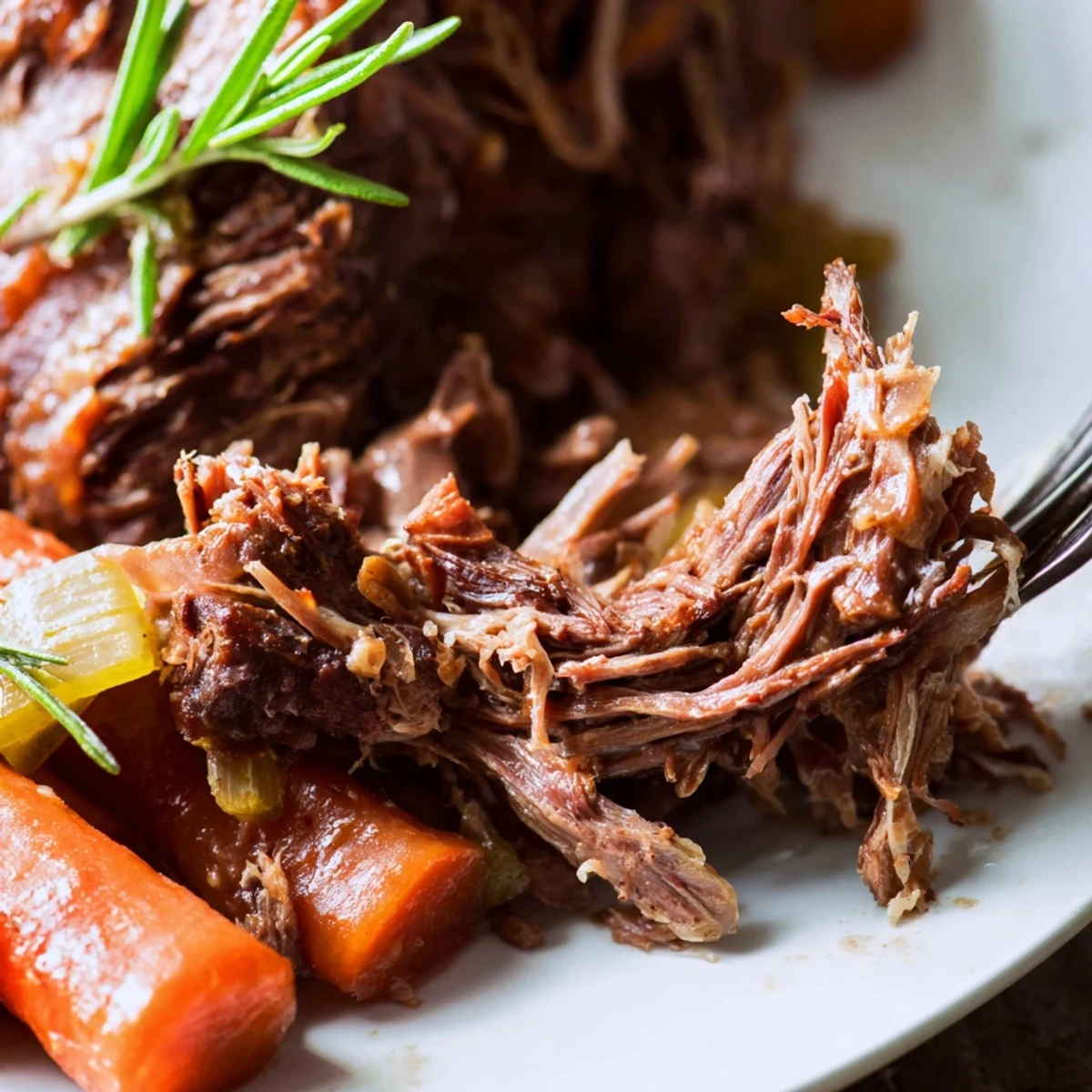
- After 3 hours, the meat should pull away from the bone with barely a nudge from your fork. Remove those herb sprigs and bay leaves, then taste the braising liquid and adjust salt and pepper. If you want a thicker sauce, you can remove the shanks and simmer the liquid on the stovetop for 10–15 minutes until it reaches the consistency you want.
- Plate with purpose:
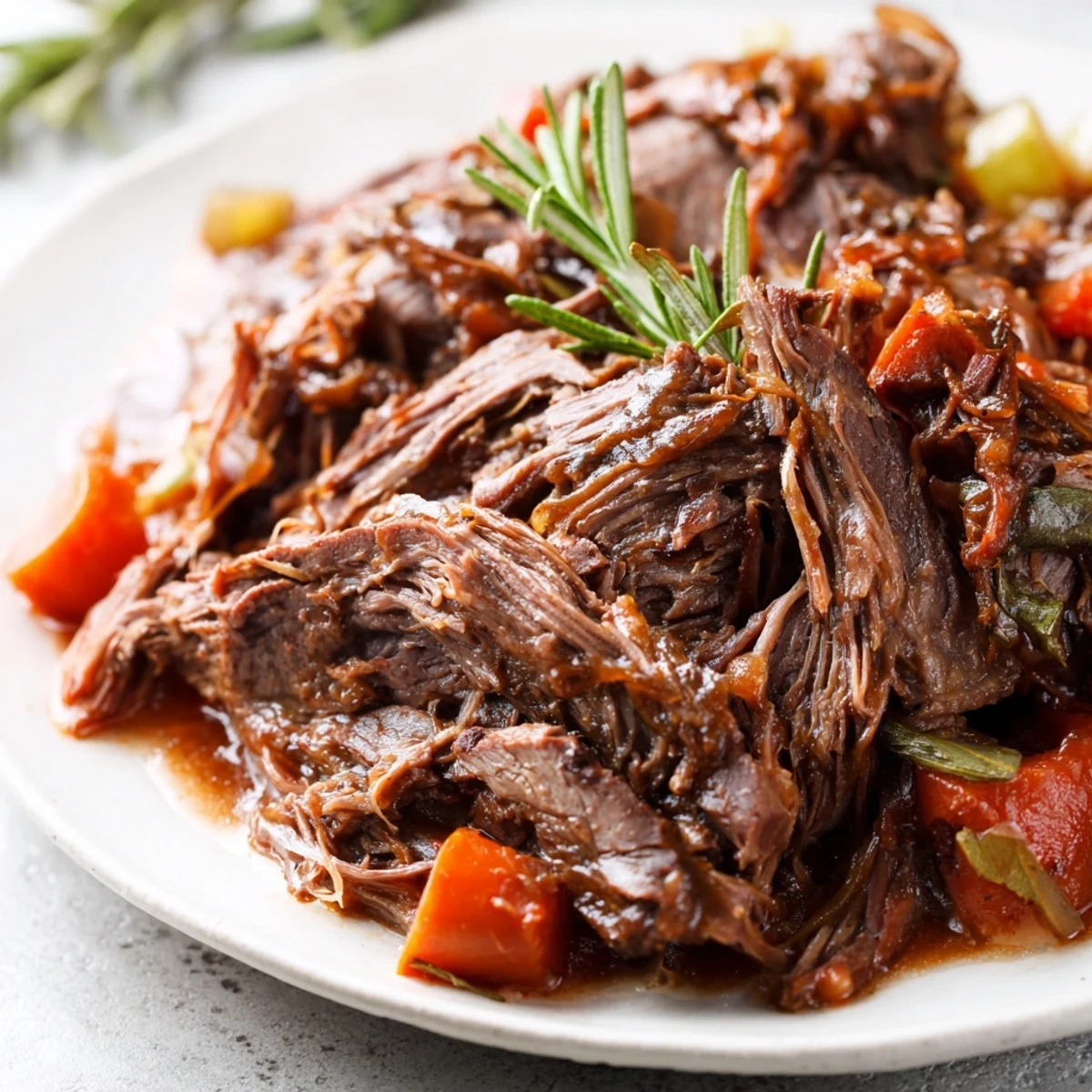
- Serve each shank in a shallow bowl with the vegetables and plenty of that glossy, rich sauce spooned over the top. This is food that deserves a moment of attention.
 Save to Pinterest
 Years later, I still remember a dinner where someone asked for seconds of just the sauce and vegetables, leaving most of their meat untouched, and I realized that this dish had become something different to everyone at the table. It wasn't just beef anymore—it was comfort, it was connection, it was proof that beautiful things take time.
What Makes This Dish Special
Beef shank is one of those cuts that most people skip over at the butcher counter, but it's actually one of the most rewarding for slow cooking. The bone running through the center adds gelatin that transforms the braising liquid into something silky and deeply satisfying, and the surrounding meat has just the right amount of connective tissue to turn luxuriously tender rather than falling apart. There's an honesty to this dish—it doesn't pretend to be anything other than what it is, which somehow makes it feel more elegant than fancier preparations.
Pairing and Serving
I've served this over creamy mashed potatoes, soft polenta, and crusty bread, and each pairing tells a slightly different story. Mashed potatoes feel like home and comfort, polenta adds an Italian elegance, and bread is perfect for soaking up every last drop of sauce. The choice depends on your mood and who you're feeding, but regardless, you want something that can stand up to the richness of that braising liquid without competing with it.
Small Adjustments That Change Everything
Once you understand how this dish works, you can adjust it quietly to match what you have on hand or what you're craving. Chicken stock works if beef is all you can find, though it will taste noticeably lighter and more delicate. If you prefer white wine, use it—the braising will take on a different character, less rich and more refined. Some people add a splash of balsamic vinegar in the last few minutes to add a subtle sweetness that rounds out the acidity.
- If you want to make this a day ahead, braise it completely, cool it, and refrigerate it overnight—the flavors actually deepen, and the fat becomes easier to skim off the next day.
- For extra richness, whisk a small spoonful of the braising liquid with a touch of cornstarch and stir it back in during the last few minutes to thicken it slightly.
- Always pull out the herb sprigs and bay leaves before serving, or people will find themselves chewing on branches and wondering what happened.
 Save to Pinterest
 This is the kind of dish that rewards you for showing up, for taking time, for treating ingredients with respect. Every time you make it, it gets a little easier and tastes a little better.
Recipes Q&A
- → How do I ensure the beef shank becomes tender?
-
Slow cooking at a low temperature allows the connective tissues in the beef shank to break down, resulting in tender, flavorful meat.
- → Can I substitute the herbs used?
-
Rosemary and thyme offer distinct aromas, but bay leaves or sage can be used to provide similar savory notes.
- → What side dishes complement this dish best?
-
Mashed potatoes, creamy polenta, or crusty bread make excellent accompaniments, perfect for soaking up the sauce.
- → How can I thicken the sauce?
-
Remove the meat and reduce the braising liquid over medium heat for 10-15 minutes to concentrate and thicken the sauce.
- → Is it necessary to sear the beef first?
-
Searing caramelizes the meat’s surface, adding depth of flavor and richness to the final dish.