
 Save to Pinterest
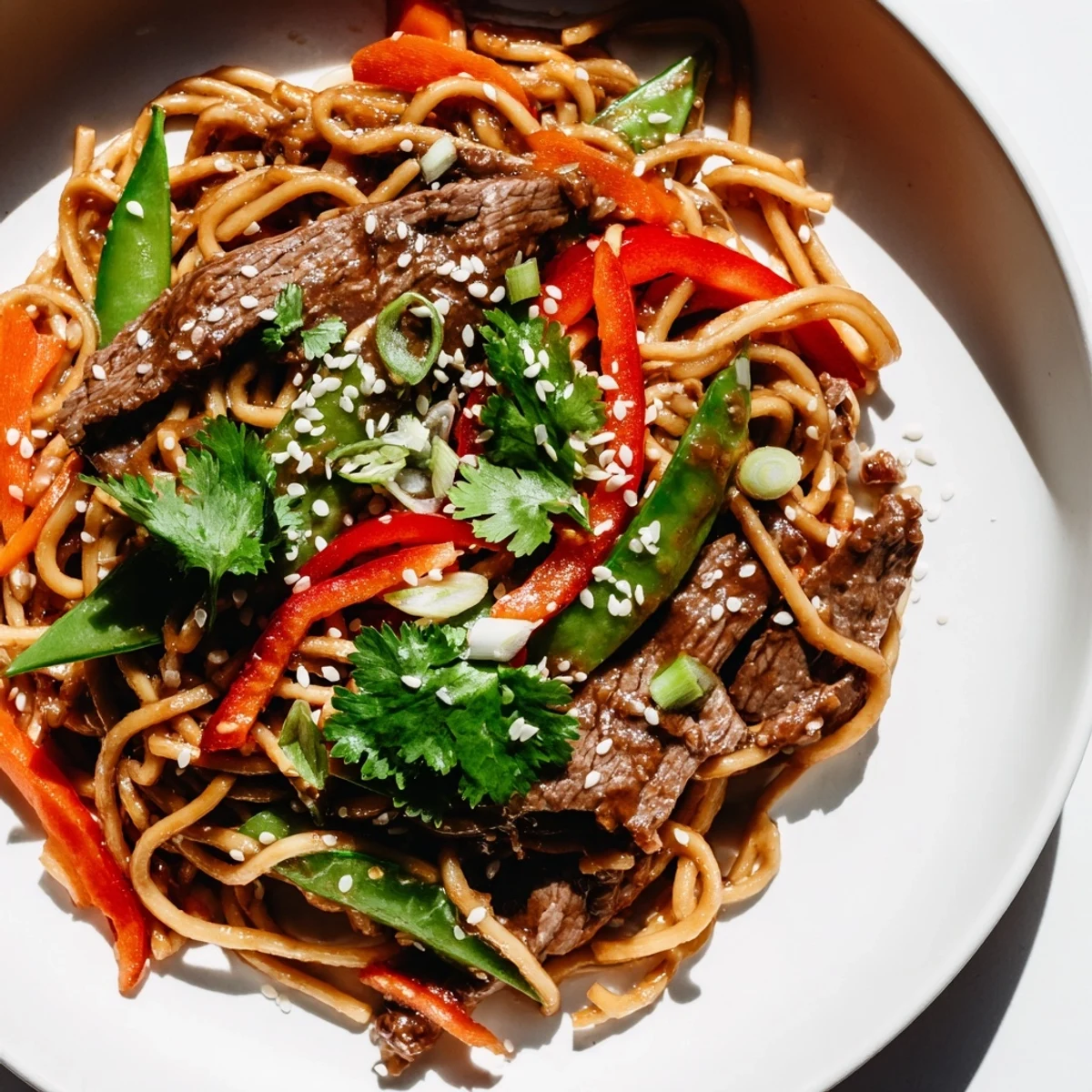
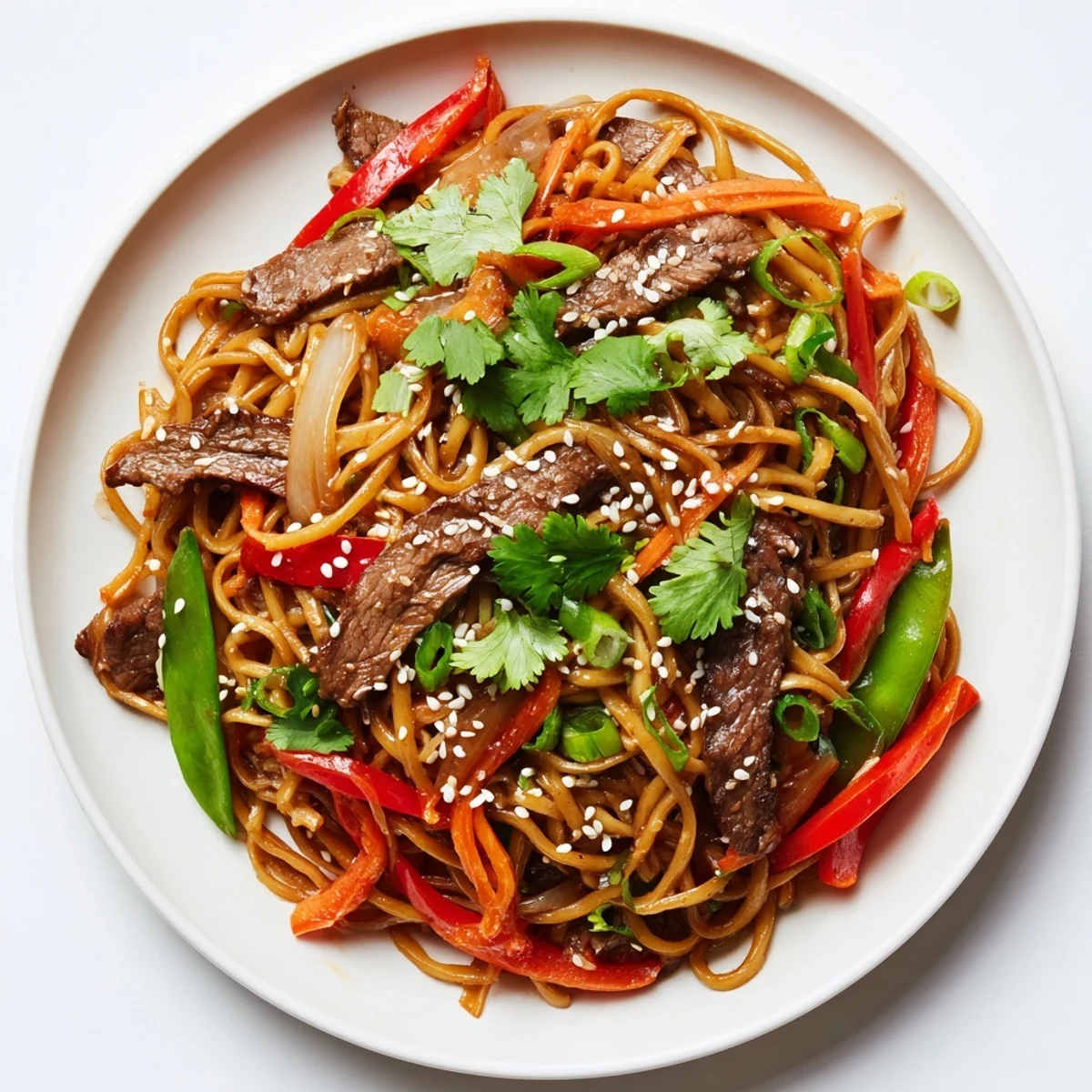
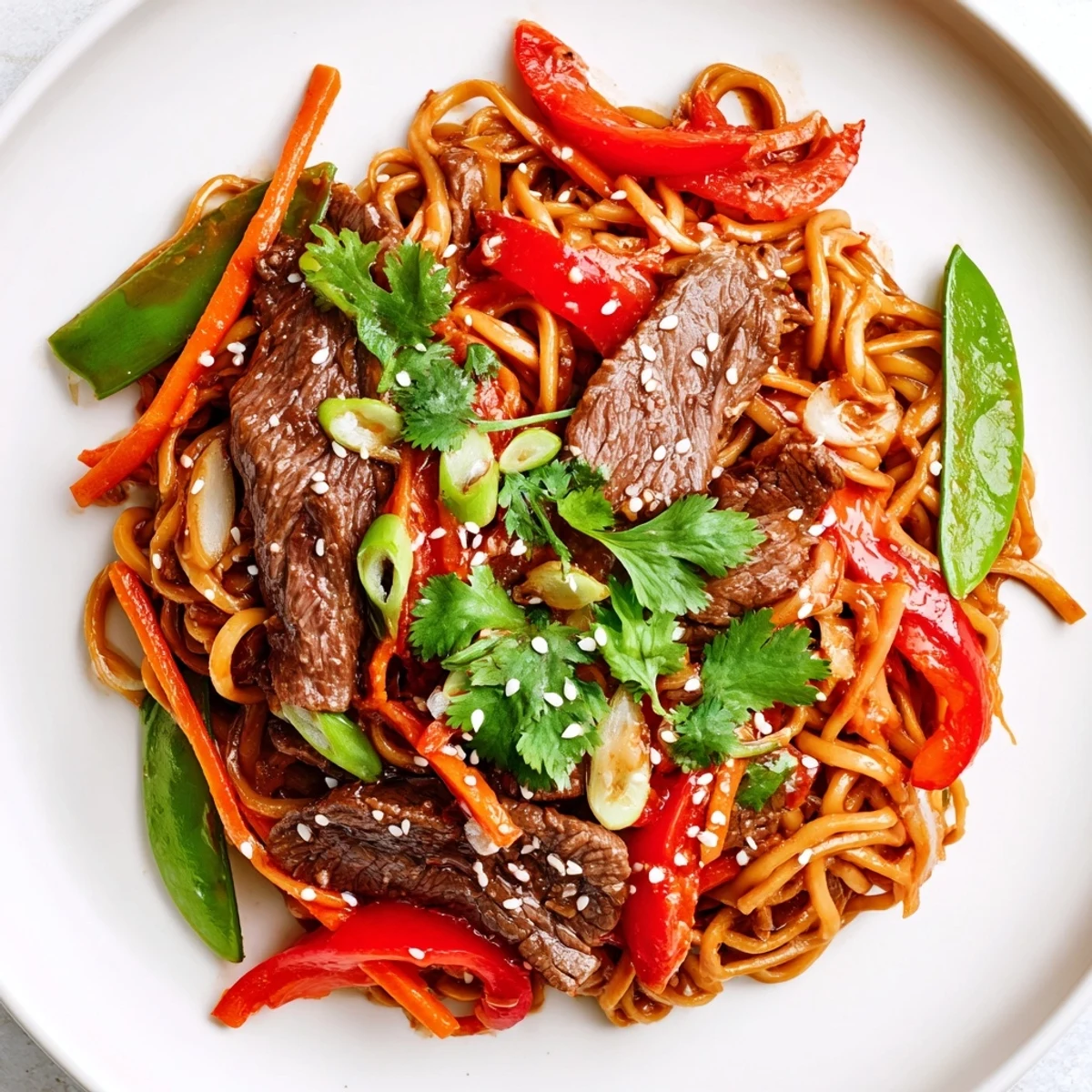
 This dish combines thinly sliced beef marinated in soy sauce and sesame oil with stir-fried garlic, ginger, and crisp vegetables. Cooked noodles are tossed in a savory, spicy sauce featuring chili garlic and oyster sauce, creating a harmonious blend of heat and umami. Garnished with sesame seeds, cilantro, and spring onions, it’s a quick, flavorful main dish ideal for those craving Asian-inspired tastes with a bold kick. Perfect for an easy weeknight meal that balances tender meat and fresh textures.
There's a particular magic in the smell of beef hitting hot oil in a wok—that precise moment when everything stops and you realize you're about to make something really good. I discovered this dish on a Tuesday night when my fridge was practically empty except for some beef, noodles, and a jar of chili garlic sauce, and somehow it turned into the meal I still crave months later. The heat builds slowly, the vegetables stay crisp, and the sauce clings to every strand in a way that feels intentional rather than accidental. It's become my go-to when I need something fast that tastes like it took real effort.
I made this for my friend who swears he doesn't like spicy food, and he ate two helpings while complaining the entire time—the good kind of complaining, the kind where he kept reaching for more. That's when I realized this dish has a way of sneaking up on people, building heat gradually instead of attacking all at once. The balance of soy, oyster sauce, and that chili garlic sauce creates something more complex than just fire, and it converts people.
Ingredients
- Flank steak or sirloin, thinly sliced (350 g): The thin cut matters because it cooks in seconds and stays tender—freeze the beef for 30 minutes before slicing if your knife isn't sharp enough, and always slice against the grain.
- Soy sauce: Use it twice here, once for the marinade and again in the sauce, because the umami builds the foundation of everything else.
- Cornstarch: This tiny amount creates that silky coating on the beef that catches the sauce perfectly.
- Fresh or dried wheat noodles (300 g): Udon gives you chewiness, lo mein gives you delicacy—either works, but cook them a minute under what the package says so they don't turn mushy in the wok.
- Red bell pepper, carrot, and sugar snap peas: Keep these vegetables cut uniformly so they finish cooking at the same time, and don't skip the snap peas because their slight sweetness balances the heat.
- Garlic and ginger: Mince them together so they cook evenly and release their flavor in unison—that fragrance tells you when it's time to add the harder vegetables.
- Oyster sauce: This is the secret ingredient that nobody talks about; it adds depth without adding more saltiness.
- Chili garlic sauce: Start with less than you think you need because this stuff builds, and you can always add more at the table.
- Rice vinegar: A tablespoon cuts through the richness and brightens everything up.
- Toasted sesame oil: The kind that's already toasted and golden—don't substitute with regular sesame oil because you need that nutty flavor.
- Sesame seeds and cilantro: These finish the dish, adding texture and a cool herbaceous note that makes all the heat feel intentional.
Instructions
- Marinate the beef while you prep everything else:
- Combine sliced beef with soy sauce, cornstarch, and sesame oil in a bowl, stirring so every piece gets coated. This 10-minute wait lets the marinade penetrate and creates that silky texture that makes the dish feel fancy.
- Get your noodles ready:
- Cook them according to the package, drain well, and rinse with cold water so they don't stick together or keep cooking from residual heat. Set them aside and don't think about them again until you need them.
- Whisk the sauce and taste it:
- Mix soy sauce, oyster sauce, chili garlic sauce, rice vinegar, brown sugar, and toasted sesame oil in a small bowl, stirring until the sugar dissolves. This is your moment to adjust the heat—add more chili sauce now if you want it fiercer.
- Sear the beef quickly in a hot wok:
- Get your wok or large skillet smoking hot, add oil, and work in batches so the beef browns instead of steaming. Two minutes is all it needs—you want a crust on the outside and pink inside, because it's going back in the heat later.
- Build the flavor with aromatics:
- Add a little more oil to the same wok, toss in garlic and ginger, and wait exactly 30 seconds for that smell to make your kitchen smell like a restaurant. Add your bell pepper, carrot, and sugar snap peas and keep them moving for 2-3 minutes until they're tender but still have a snap.
- Bring everything together:
- Return the beef to the wok, add the cooked noodles, pour in that sauce, and toss constantly for about 2 minutes until the noodles are glossy and everything is hot. You should hear the sizzle and see the sauce coat every strand.
- Finish with brightness:
- Stir in the sliced spring onions and taste—if you want more heat, now's the moment before plating.
- Plate with intention:
- Serve immediately in bowls, scattered with sesame seeds, cilantro, and extra spring onions so each person gets to customize their heat level with garnish.
 Save to Pinterest
 There's a moment right when you toss everything together in the wok when the sauce thickens slightly and every strand catches it, and steam rises up, and you know exactly why someone invented this dish. That's the moment I understood that spicy food doesn't have to be harsh—it can be elegant and complex and still make your eyes water.
Why High Heat Changes Everything
A wok needs to be seriously hot, the kind of hot where you can feel the heat radiating from it before anything touches it. When your beef hits that surface, it should make a sound that tells you something real is happening—not a timid sizzle but a definitive contact. This is how you get that caramelized crust that holds onto the sauce instead of absorbing it like a sponge, and why the texture stays interesting instead of turning into mush. The high heat also keeps vegetables bright and crisp rather than collapsing into submission.
Building Heat Intentionally
The spice here comes from layering flavors rather than dumping in hot sauce at the end, which is why it feels sophisticated instead of aggressive. The chili garlic sauce gets introduced early enough to marry with the other flavors, the ginger adds warming notes underneath, and the rice vinegar cuts through everything so your palate doesn't get numbed. I've learned that the best spicy dishes are the ones where you taste soy, garlic, and depth first, and then the heat arrives like a pleasant discovery instead of a shock.
Timing and Temperature Control
This is genuinely a 30-minute meal only if you prep your ingredients before the wok goes on—mise en place matters here because once things start moving, they move fast. The sequence matters too; cold vegetables added to a hot wok cook through quickly, and the already-cooked noodles only need 2 minutes to warm through and catch the sauce. The moment you add the noodles is the moment you're committed to finishing, so have everything lined up and ready because hesitation means cold noodles.
- If something seems like it's cooking too fast, a splash of water helps manage the heat and creates steam that softens vegetables without drying them out.
- Taste the sauce before the final toss so you can adjust salt, heat, or brightness without guessing once everything is combined.
- Keep the heat on high throughout cooking—if it drops, your vegetables steam instead of stir-fry and lose that crisp quality.
 Save to Pinterest
 This dish taught me that Asian-inspired food doesn't need to be intimidating or require special equipment you don't have. A hot pan, good timing, and paying attention to your ingredients is honestly all it takes to make something that tastes like intention and effort.
Recipes Q&A
- → How do I tenderize the beef for this dish?
-
Marinate thinly sliced beef in soy sauce, cornstarch, and sesame oil for about 10 minutes to enhance tenderness and flavor.
- → What noodles work best in this preparation?
-
Udon, lo mein, or any fresh or dried wheat noodles with good bite complement the sauce and ingredients well.
- → Can I adjust the spiciness level?
-
Yes, modify the amount of chili garlic sauce to suit your preferred heat intensity without overpowering the flavors.
- → What vegetables enhance the dish’s texture?
-
Red bell peppers, julienned carrots, sugar snap peas, and spring onions add crunch and freshness to balance the savory sauce.
- → Are there suitable alternatives to beef?
-
Chicken, tofu, or shrimp can be used as substitutes for a different protein profile while maintaining the dish’s character.
- → What garnishes best complement the flavors?
-
Toasted sesame seeds, fresh cilantro leaves, and extra sliced spring onions add aroma, texture, and visual appeal.