
 Save to Pinterest
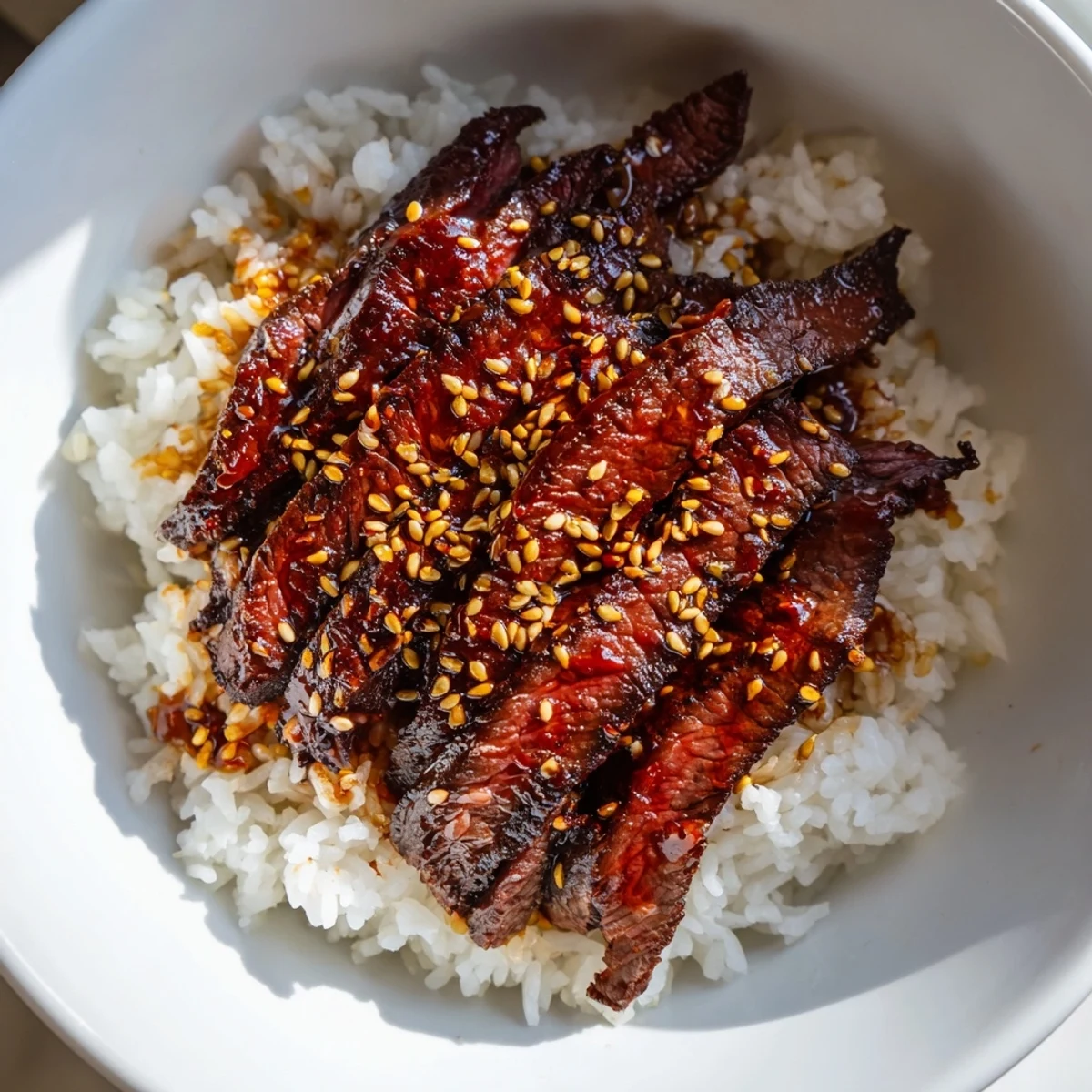
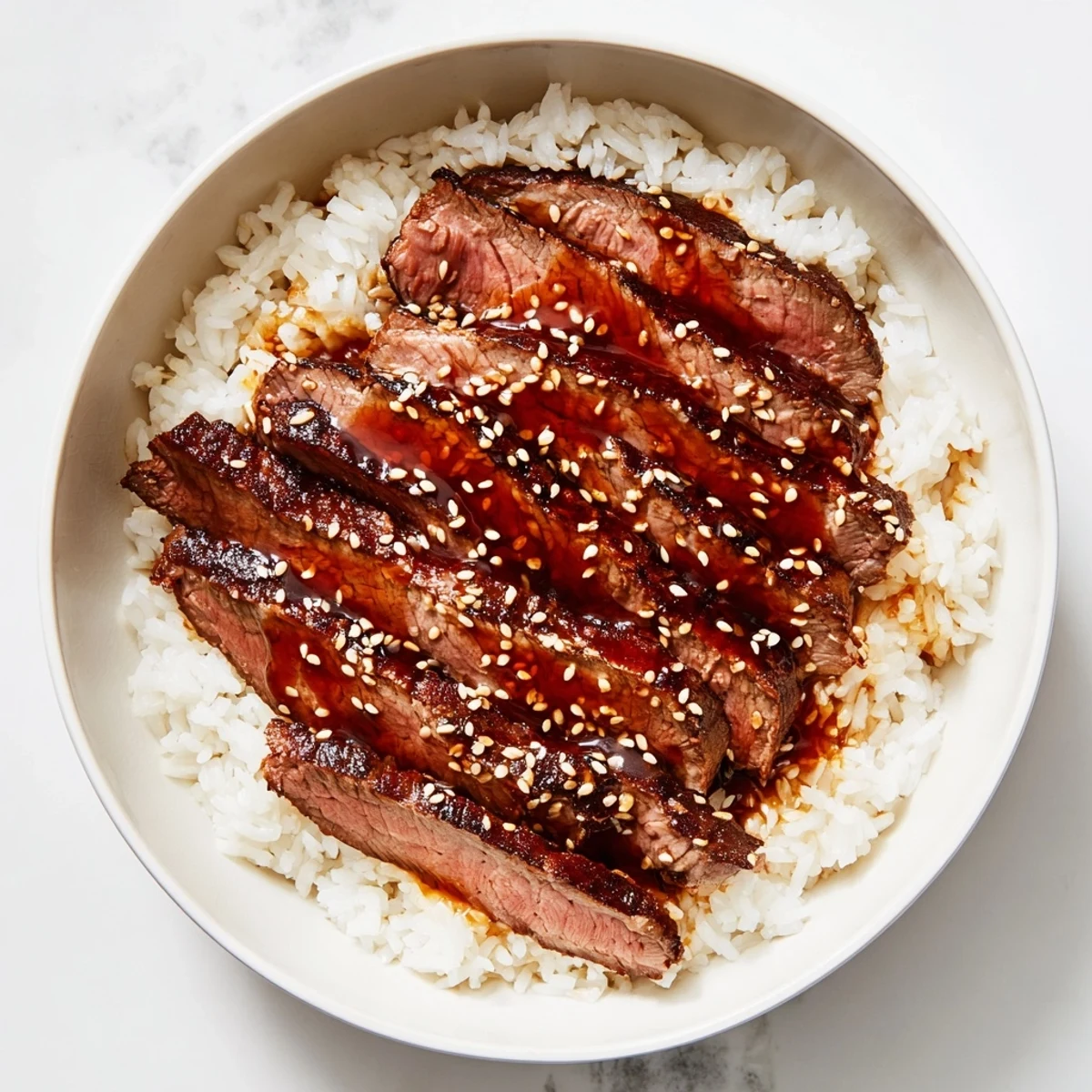
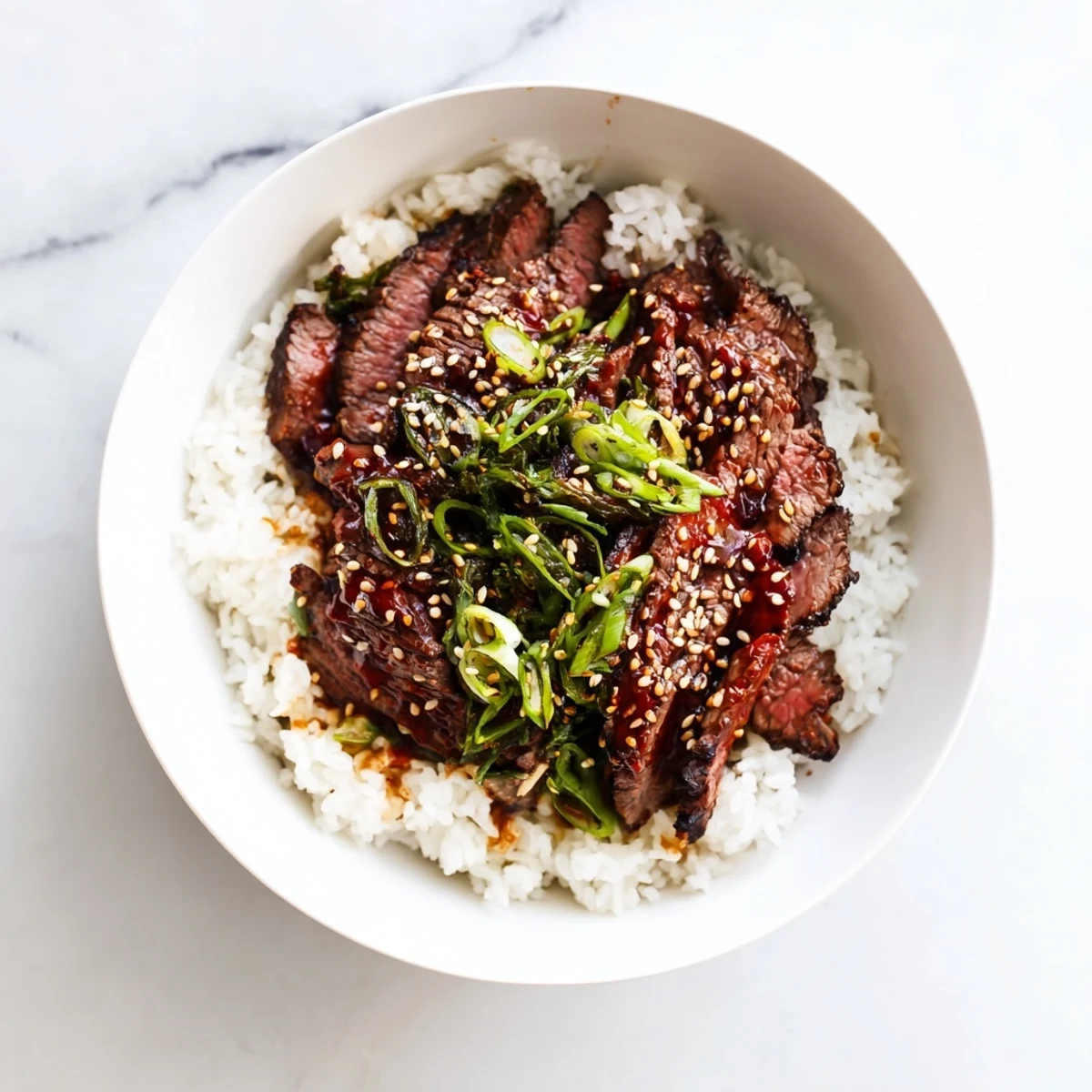
 This Korean beef bowl brings together thinly sliced marinated beef coated in soy sauce, gochujang, and sesame oil with perfectly steamed jasmine rice and vibrant vegetables like carrots, cucumber, and radishes.
The beef marinates for just 10 minutes before a quick high-heat stir-fry creates caramelized edges. Each component comes together in 35 minutes total, with the interactive assembly allowing diners to customize their bowl.
Topped with toasted sesame seeds and served alongside optional kimchi, this dish balances heat, umami, and fresh crunch in every bite.
I nearly burned down my kitchen the first time I tried to make a proper Korean beef bowl. The oil was too hot, the beef hit the pan with a dramatic sizzle, and suddenly I was enveloped in a cloud of fragrant steam that made my neighbors knock on the door to see what smelled so incredible. That chaotic introduction to Korean cooking sparked my love affair with these perfectly balanced, sweet-spicy-savory beef bowls that have since become my ultimate comfort food.
Last winter during that terrible ice storm, we lost power for three days but I still managed to make this dish on our camping stove by flashlight. My roommates huddled around the table with blankets on their shoulders, steam rising from the bowls, and for that meal at least, nobody complained about the cold or the darkness.
Ingredients
- Flank Steak: Slice it against the grain while it's still partially frozen for the thinnest possible pieces that cook in seconds and stay tender.
- Gochujang: This fermented chili paste is non-negotiable for authentic flavor, and once you buy a tub it lasts forever in the fridge for countless future meals.
- Short-grain Rice: The slightly sticky texture creates the perfect base to soak up all those incredible beef juices that would otherwise be left behind on your plate.
- Fresh Vegetables: The cool, crisp texture provides the perfect counterpoint to the hot spicy beef, creating that magical temperature and texture contrast that makes this dish so satisfying.
Instructions
- Prepare the Rice Foundation:
- Rinse your rice until the water runs clear, removing the excess starch that can make it gummy. When it's done cooking, let it rest undisturbed with the lid on for those critical 5 minutes that allow the steam to finish its magic.
- Create the Flavor Bath:
- Whisk together your marinade ingredients until the brown sugar fully dissolves, creating a glossy, aromatic mixture. The beef only needs 10 minutes to absorb these flavors, making this perfect for weeknight cooking.
- Flash-Cook the Beef:
- Get your pan screaming hot before adding the oil and beef, then resist the urge to stir constantly. Let those edges caramelize for a few seconds between stirs for maximum flavor development.
- Assemble with Intention:
- Start with a base of fluffy rice, then place the beef slightly off-center rather than covering the entire surface. Arrange your vegetables in distinct sections to create a bowl that looks as good as it tastes.
- Finish with Texture:
- Sprinkle those toasted sesame seeds from a height to ensure even distribution. A small spoonful of kimchi on the side provides a fermented tang that cuts through the richness of the beef.
 Save to Pinterest
 My Korean friend Sunmi tried this dish during game night and fell silent mid-bite, then looked up with surprise in her eyes. She told me her grandmother made something nearly identical, and for a moment, across cultures and thousands of miles, food connected us in a way words never could.
Making It Your Own
Some nights when my vegetable drawer looks sad and empty, I just throw in whatever I have handy. Thinly sliced bell peppers, shredded cabbage, or even quick-pickled red onions have saved this dish when I cant get to the store. The beauty of Korean beef bowls is their flexibility while the beef and rice remain constant anchors.
Prep Ahead Possibilities
On particularly busy weeks, I slice all the vegetables and beef on Sunday, storing everything in separate containers. The marinade ingredients get combined in a jar, ready to pour over the beef 10 minutes before cooking. With this prep work done, dinner comes together faster than delivery could ever arrive.
Serving Suggestions
While this bowl is a complete meal on its own, adding small sides elevates the experience to something truly special. A Korean meal traditionally features multiple banchan, or small side dishes, creating a feast of flavors and textures.
- Serve with small dishes of quick pickled vegetables for brightness that cuts through the rich beef.
- Keep a bottle of gochugaru, Korean chili flakes, on the table for friends who want to increase the heat level.
- Offer small bowls of extra marinade sauce, heated to a safe temperature, for drizzling over rice.
 Save to Pinterest
 Each time I make this Korean beef bowl, Im transported back to that first chaotic attempt, but now with the confidence that comes from a well-practiced dish. Isnt that the best kind of cooking journey, when disaster transforms into a signature meal?
Recipes Q&A
- → How long can I marinate the beef?
-
The beef needs at least 10 minutes to absorb the flavors. For deeper marination, you can refrigerate it for up to 8 hours. Longer marination makes the meat more tender and intensifies the Korean seasoning profile.
- → Can I prepare the rice in advance?
-
Yes, cook the rice up to 4 hours ahead and store it at room temperature. Reheat gently with a splash of water before serving. You can also refrigerate cooked rice for up to 3 days and warm it when needed.
- → What's the best way to achieve caramelized beef?
-
Use high heat and avoid stirring constantly. Let the beef sit for 1-2 minutes between stirs to develop golden, caramelized edges. This creates depth of flavor while keeping the interior tender. A wok works best for this technique.
- → How can I adjust the spice level?
-
Control heat by adjusting gochujang quantity—reduce for mild, increase for intense. Add sriracha or fresh chili paste after cooking. Serve kimchi on the side so guests can customize their spice level individually.
- → What protein substitutions work well?
-
Tofu absorbs the marinade beautifully—cube and pan-fry until crispy. Chicken breast or thigh works excellently; just ensure it's fully cooked. Shrimp cooks quickly, requiring only 2 minutes in the skillet. Each protein maintains the Korean flavor profile.
- → Are there gluten-free options?
-
Substitute with tamari or coconut aminos for soy sauce, and use certified gluten-free gochujang. Most sesame oil and sesame seeds are naturally gluten-free, but verify labels. Check kimchi ingredients as some brands use wheat or fish sauce.