
 Save to Pinterest
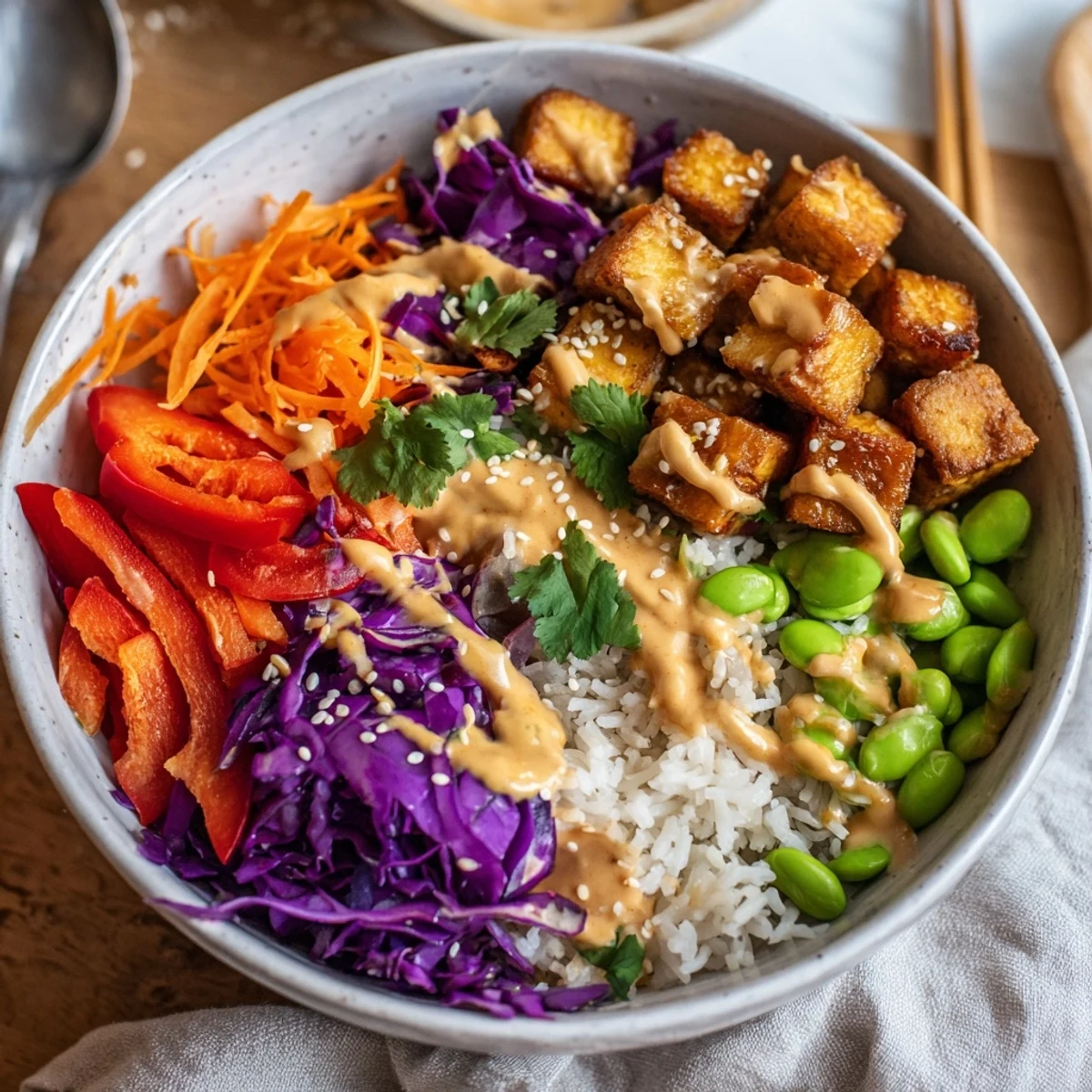
 This vibrant rice bowl brings together crispy pan-fried tofu, colorful crunchy vegetables, and a luscious peanut sauce that ties everything together beautifully.
Ready in just 40 minutes, it's a wholesome plant-based meal that doesn't compromise on texture or flavor. The tofu gets a golden, crispy coating from cornstarch, while the peanut sauce delivers a perfect balance of creamy, tangy, and slightly sweet notes.
Customize with your favorite seasonal vegetables, adjust the sauce thickness to your liking, and enjoy a satisfying lunch or dinner that's both nourishing and delicious.
My kitchen smelled like toasted sesame and lime for three days straight after I first threw this bowl together on a rainy Tuesday when the fridge was nearly empty and motivation was even lower.
I brought these bowls to a potluck where three people asked for the recipe before they even finished chewing.
Ingredients
- Firm tofu (400 g): Press it well because the drier it is, the crispier it gets, and soggy tofu is the one thing nobody recovers from.
- Soy sauce (2 tbsp for marinade, 2 tbsp for sauce): It does double duty here, seasoning the tofu and building depth in the sauce.
- Cornstarch (1 tbsp): This is the secret to that golden crust on the tofu without deep frying.
- Sesame oil (1 tbsp): Use the toasted kind if you have it because the nutty aroma makes everything better.
- Jasmine or basmati rice (250 g): Jasmine gives a lovely floral note but basmati works beautifully too.
- Carrot, red cabbage, bell pepper, edamame, spring onions: The color mix is not just pretty, each one adds a different crunch and sweetness.
- Creamy peanut butter (80 g): Natural peanut butter with no added sugar gives you the most control over the final flavor.
- Rice vinegar and lime juice: Together they create a tangy balance that keeps the richness of the peanut butter in check.
- Maple syrup or honey (2 tsp): Just enough sweetness to round out the salty and sour notes.
- Garlic and fresh ginger: Freshly grated ginger and minced garlic wake up the sauce in a way powdered versions never will.
- Warm water (60 ml): Add gradually because the sauce thickens as you stir, and you want it pourable but not runny.
- Sesame seeds and fresh coriander: These finish the bowl with texture and brightness that make it feel complete.
Instructions
- Cook the rice:
- Rinse the rice under cold water until it runs clear, then bring 500 ml of salted water to a boil, add the rice, drop the heat to low, cover, and let it steam for 12 to 15 minutes until each grain is tender but still has a little bite.
- Marinate the tofu:
- Toss the pressed and cubed tofu with soy sauce and let it sit for about 5 minutes, then sprinkle cornstarch over it and toss with your hands until every piece is evenly coated and slightly tacky.
- Crisp the tofu:
- Heat sesame oil in a large non stick skillet over medium heat and cook the tofu pieces, turning every couple of minutes, until all sides turn a deep golden brown and sound hollow when you tap them, about 8 to 10 minutes total.
- Whisk the peanut sauce:
- Combine peanut butter, soy sauce, rice vinegar, lime juice, maple syrup, minced garlic, grated ginger, and warm water in a bowl and whisk until it transforms from a stubborn paste into something silky and pourable.
- Build the bowls:
- Divide the fluffy rice among four bowls and arrange the tofu, julienned carrot, sliced cabbage, bell pepper, edamame, and spring onions on top in clusters so every bite offers something different.
- Finish and serve:
- Drizzle the peanut sauce generously over each bowl, scatter sesame seeds and torn coriander across the top, and serve right away while the tofu is still warm and crunchy.
 Save to Pinterest
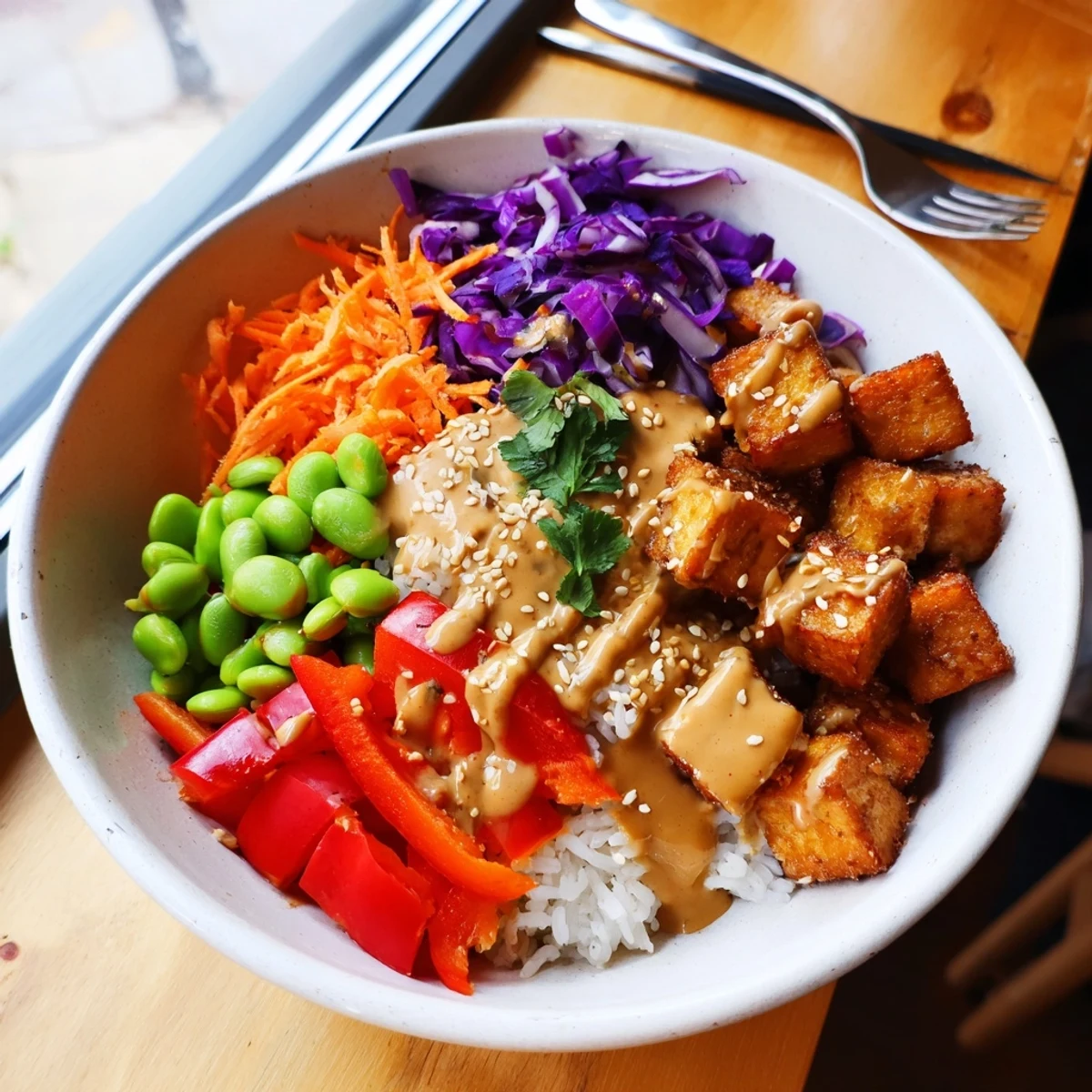
 There is something about a bowl this colorful that makes people put down their phones and actually eat with their eyes first.
Swaps and Seasonal Tweaks
Half the joy of a rice bowl is its flexibility, and I have made versions with roasted sweet potato, shredded Brussels sprouts, and even leftover grilled corn scraped straight off the cob.
Making It Gluten Free
Swap the soy sauce for tamari and double check your rice vinegar label because some brands sneak in wheat based additives that can catch you off guard.
What to Serve Alongside
A chilled glass of Riesling cuts through the richness of the peanut sauce beautifully, and a pot of jasmine tea works just as well if you are keeping things caffeine free.
- Keep extra peanut sauce in a jar in the fridge for up to a week because you will want it on everything.
- A few drops of sriracha on top turns the whole bowl into something bolder if you like heat.
- Always taste the sauce before you drizzle because lime sizes vary and your peanut butter might be saltier than mine.
 Save to Pinterest
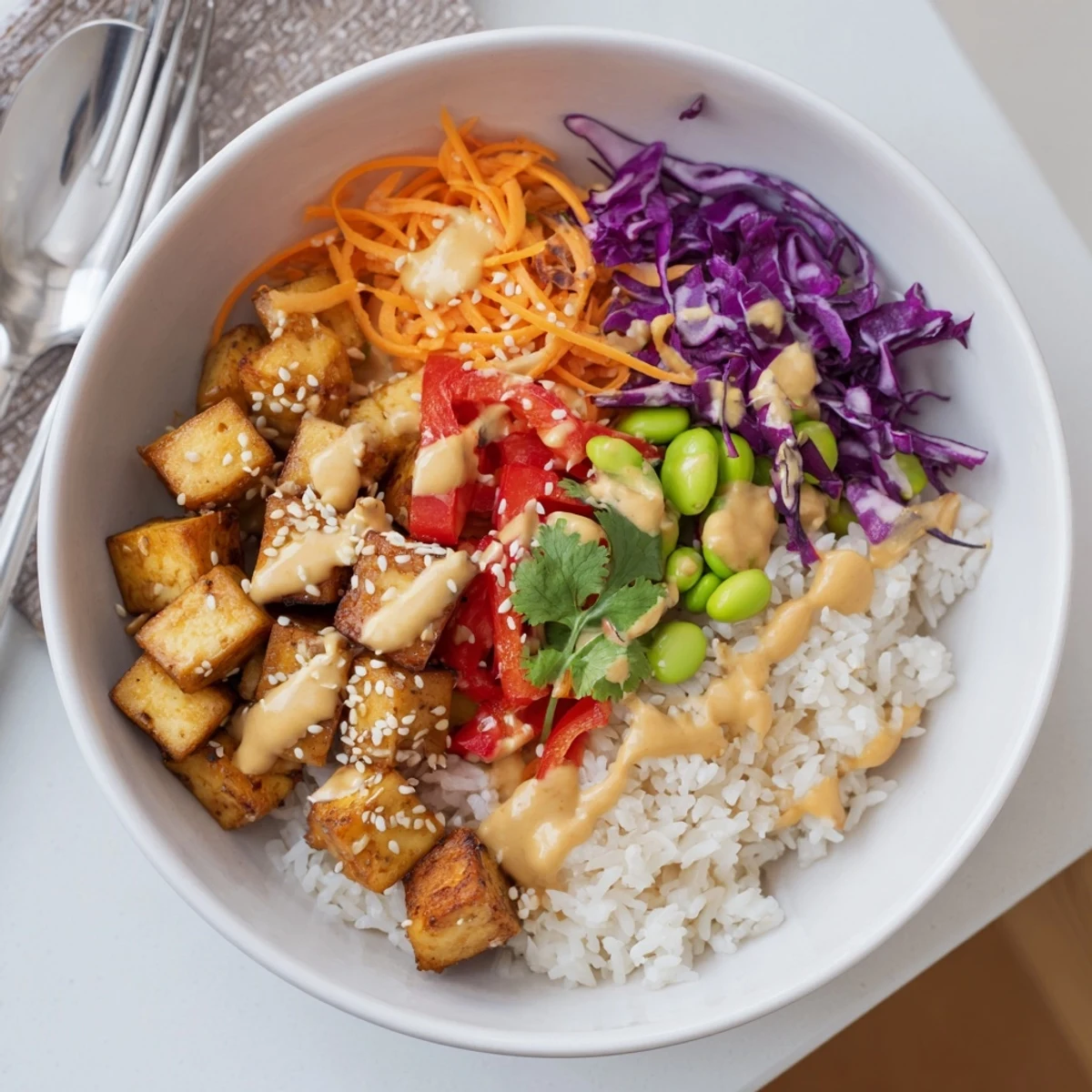
 This is the kind of recipe that earns a permanent spot in your weeknight rotation without even trying.
Recipes Q&A
- → How do I get the tofu extra crispy?
-
Press the tofu for at least 15 minutes to remove excess moisture, then toss it in cornstarch before pan-frying in hot oil. Cook without moving it too often, letting each side develop a golden crust before turning.
- → Can I make the peanut sauce ahead of time?
-
Yes, the peanut sauce stores well in an airtight container in the refrigerator for up to 5 days. Whisk in a splash of warm water to loosen it back up before serving, as it will thicken when chilled.
- → What vegetables work best as substitutions?
-
Nearly any crunchy or colorful vegetable works well. Try shredded purple cabbage, cucumber, shredded lettuce, snap peas, broccoli florets, or sliced radishes. Avocado also makes a creamy addition.
- → Is this dish served hot or cold?
-
It's best served warm with freshly cooked rice and hot tofu, but the vegetables stay raw and crisp for contrast. It also tastes great at room temperature, making it ideal for meal prep lunches.
- → How should I store leftovers?
-
Store the rice, tofu, vegetables, and sauce in separate airtight containers in the refrigerator for up to 3 days. Reheat the tofu and rice briefly in a skillet or microwave, then reassemble the bowls fresh.
- → Can I use a different nut butter for the sauce?
-
Absolutely. Almond butter, cashew butter, or sunflower seed butter all work as substitutes. Each will bring a slightly different flavor profile, so adjust the sweetness and acidity to taste.