
 Save to Pinterest
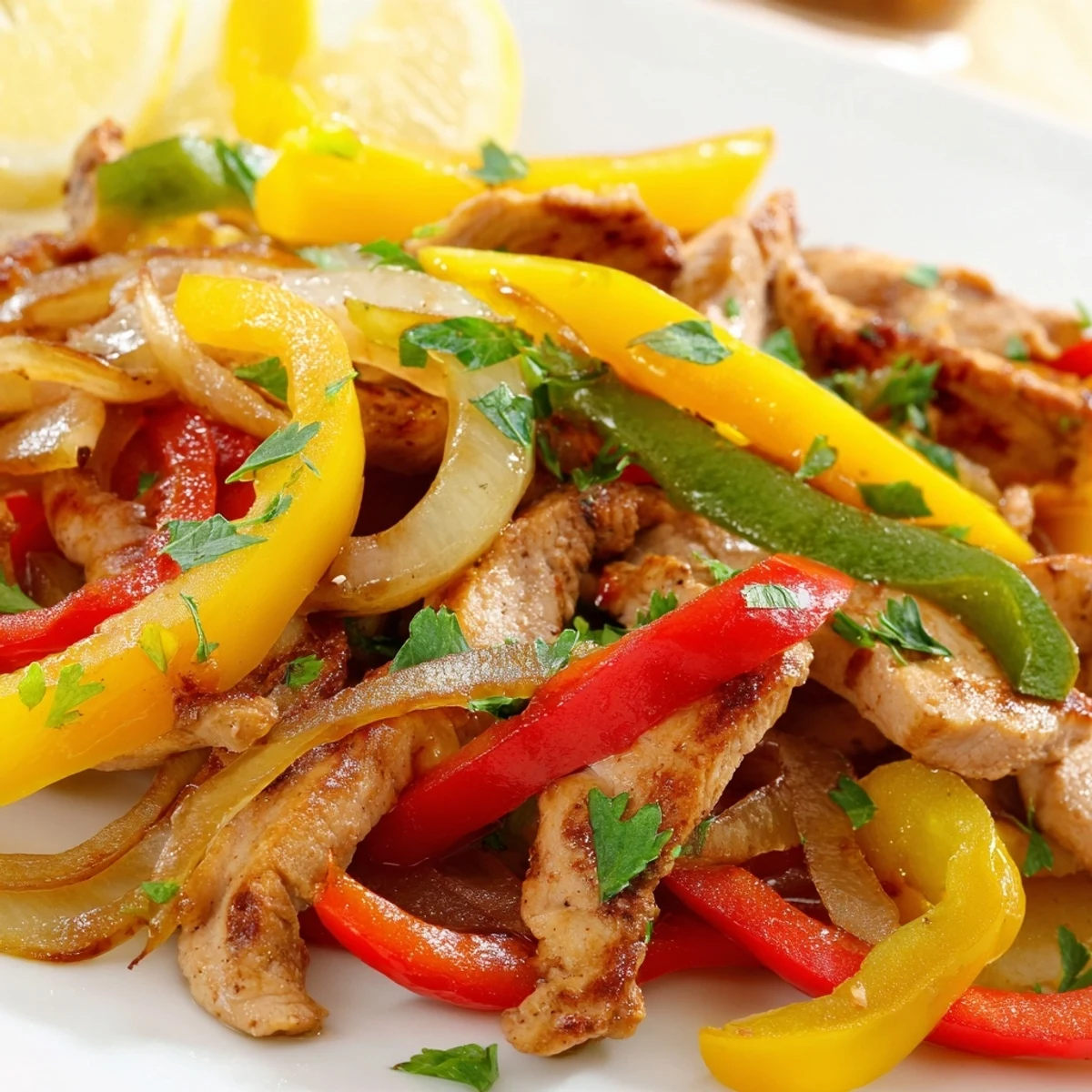
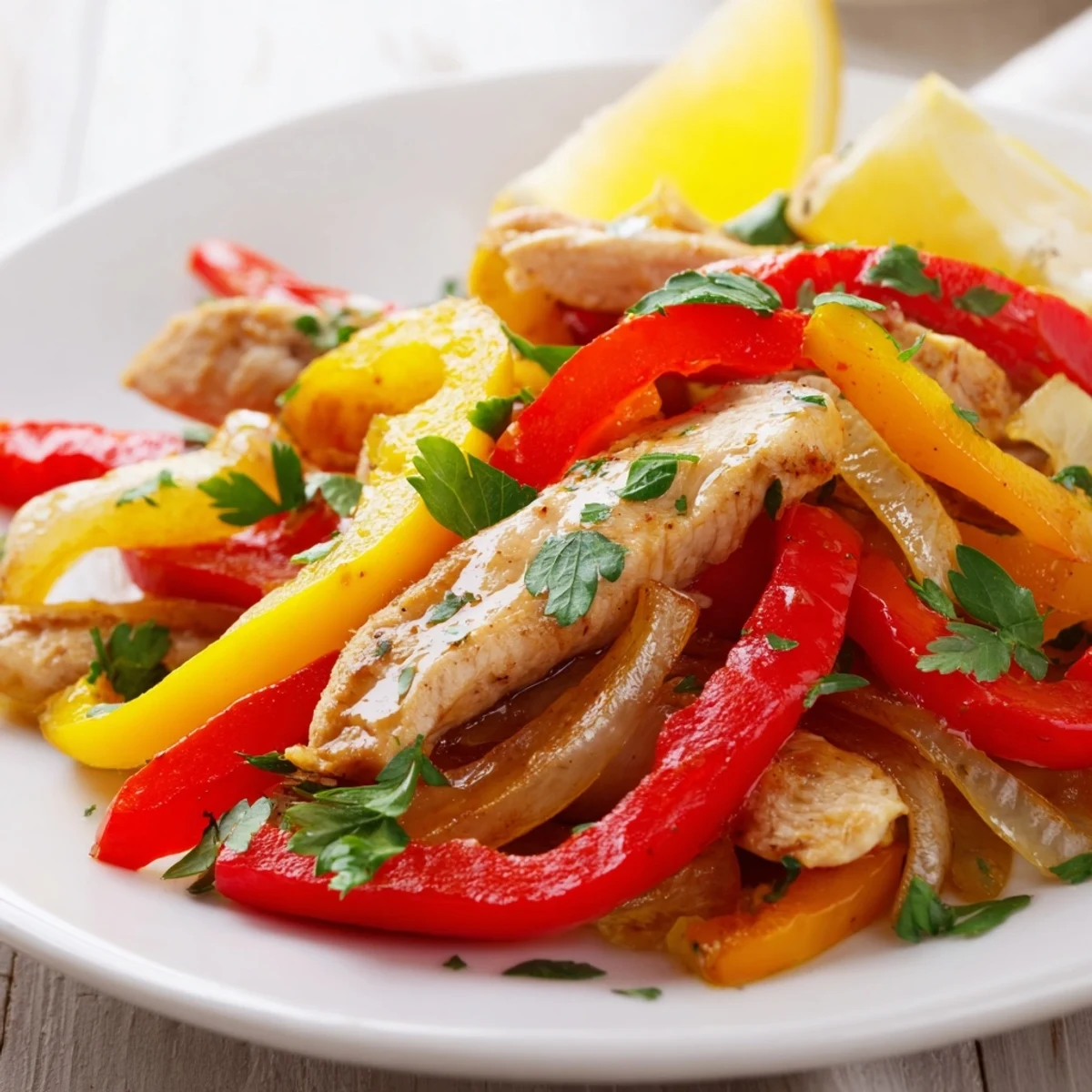
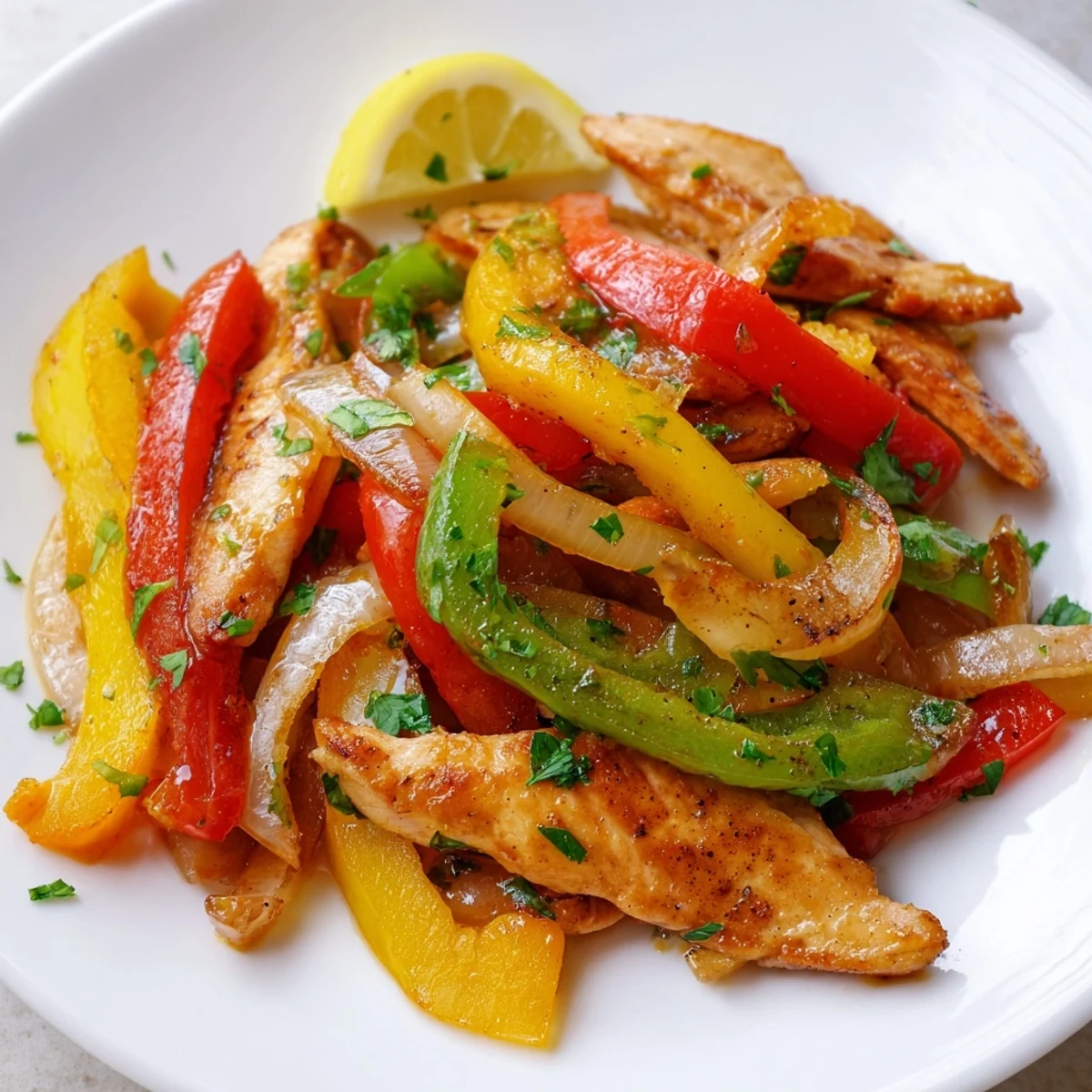
 This vibrant one-pan dish combines tender turkey breast with colorful bell peppers, onions, and aromatic herbs. Sauté turkey until lightly browned, then cook vegetables until caramelized before bringing everything together with smoked paprika and fresh lemon. Ready in just 35 minutes, it's naturally gluten-free and low-carb, making it ideal for weeknight meals.
The first time I made this turkey skillet, it was during a chaotic weeknight when the fridge was nearly empty except for some leftover turkey breast and a few peppers. As the colorful strips sizzled in my cast iron pan, the kitchen filled with an aroma that turned my haphazard dinner attempt into what would become a family staple. Even now, the sweet scent of caramelizing onions mingling with smoky paprika brings me back to that improvised moment of culinary serendipity.
Last summer, I brought this dish to a potluck where dietary restrictions had left my friend with few options. The look on her face when she realized she could actually enjoy something this flavorful while sticking to her gluten-free needs was priceless. We sat on the back deck with our plates balanced on our knees, talking until twilight while everyone kept returning to the nearly empty serving dish for just one more helping.
Ingredients
- Turkey breast: Slicing it thinly against the grain ensures tenderness and quick cooking, something I discovered after years of ending up with tough meat.
- Bell peppers: Using a trio of colors isn't just for visual appeal, each brings a slightly different flavor profile that creates depth in this simple dish.
- Smoked paprika: This humble spice transforms ordinary turkey into something with complexity that makes people wonder what your secret ingredient might be.
- Fresh lemon juice: Adding this right at the end brightens everything and cuts through the richness, a trick my grandmother taught me that elevates virtually any savory dish.
Instructions
- Prep with purpose:
- Slice everything before heating your pan to ensure even cooking. I like my peppers about the same thickness as my turkey strips so they cook at similar rates.
- Brown, don't crowd:
- When cooking the turkey, resist the urge to stir constantly. Let the pieces develop a golden crust by giving them space and patience.
- Layer the flavors:
- Cook the onions first until they begin to soften before adding the peppers. The slight sweetness they develop becomes the foundation of the dish.
- Timing matters:
- Add the garlic and spices just briefly before returning the turkey to the pan. Cooking them too long risks bitterness, while too little time leaves raw flavor.
- The final flourish:
- That squeeze of lemon juice might seem minor, but do it while everything is still hot in the pan. The sizzle releases aromatic compounds that make the whole kitchen smell incredible.
 Save to Pinterest
 On a particularly difficult Tuesday last winter, when work deadlines collided with household chaos, this skillet saved dinner and maybe my sanity. The methodical chopping of vegetables became unexpectedly meditative, and the warm, aromatic result reminded me that nourishment isnt just about food. My teenager, normally communicative only in grunts during that phase, actually paused mid-bite to comment on how good it was, creating a moment of connection amid our hectic lives.
Serving Suggestions
While perfectly satisfying on its own, this turkey skillet becomes a canvas for creativity depending on what your meal needs. For hungry teenagers, I serve it over brown rice or quinoa which soaks up the savory juices perfectly. When Im watching carbs, a bed of cauliflower rice or simply a side of roasted vegetables keeps things light but satisfying.
Make-Ahead Options
This dish reheats beautifully, making it ideal for meal prep Sundays at my house. The flavors actually deepen overnight as the ingredients have time to mingle in the refrigerator. Sometimes I deliberately make extra just to have lunch ready for the next day, when it tastes even better than the first time around.
Variations to Try
The beauty of this skillet lies in its adaptability to whatever you have on hand or whatever the season brings. During summer months, I often add diced zucchini or yellow squash from my garden for added freshness and texture.
- Swap the turkey for chicken thighs for a richer flavor profile that stands up beautifully to bold seasonings.
- Add mushrooms along with the peppers for an earthy dimension that makes the dish feel more substantial.
- Incorporate a splash of white wine or chicken stock before returning the turkey to the pan for a light sauce that brings everything together.
 Save to Pinterest
 This turkey skillet has taught me that sometimes the simplest combinations create the most memorable meals. Its not just dinner, its a reminder that good food doesnt need to be complicated to bring warmth to our tables and our hearts.
Recipes Q&A
- → Can I substitute the turkey breast with another protein?
-
Yes, chicken breast and thinly sliced beef work beautifully as substitutes. Adjust cooking times slightly based on thickness and the protein you choose.
- → What vegetables can I add to this skillet?
-
Zucchini, mushrooms, and snap peas are excellent additions. Add them with the peppers and onions, adjusting cooking time if needed for denser vegetables.
- → How do I know when the turkey is fully cooked?
-
Turkey breast is done when it reaches an internal temperature of 165°F (74°C). It should be opaque throughout with no pink inside.
- → What should I serve this with?
-
Serve over rice, quinoa, or cauliflower rice for a complete meal. Crusty bread pairs well for added heartiness, or enjoy it on its own for a low-carb option.
- → Can I make this ahead of time?
-
This dish is best served fresh, but you can prep ingredients the night before. Store cooked leftovers in an airtight container for up to 3 days and reheat gently before serving.
- → What wine pairs well with this dish?
-
A crisp Sauvignon Blanc or Pinot Grigio complements the herbs and vegetables perfectly, enhancing the overall dining experience.