
 Save to Pinterest
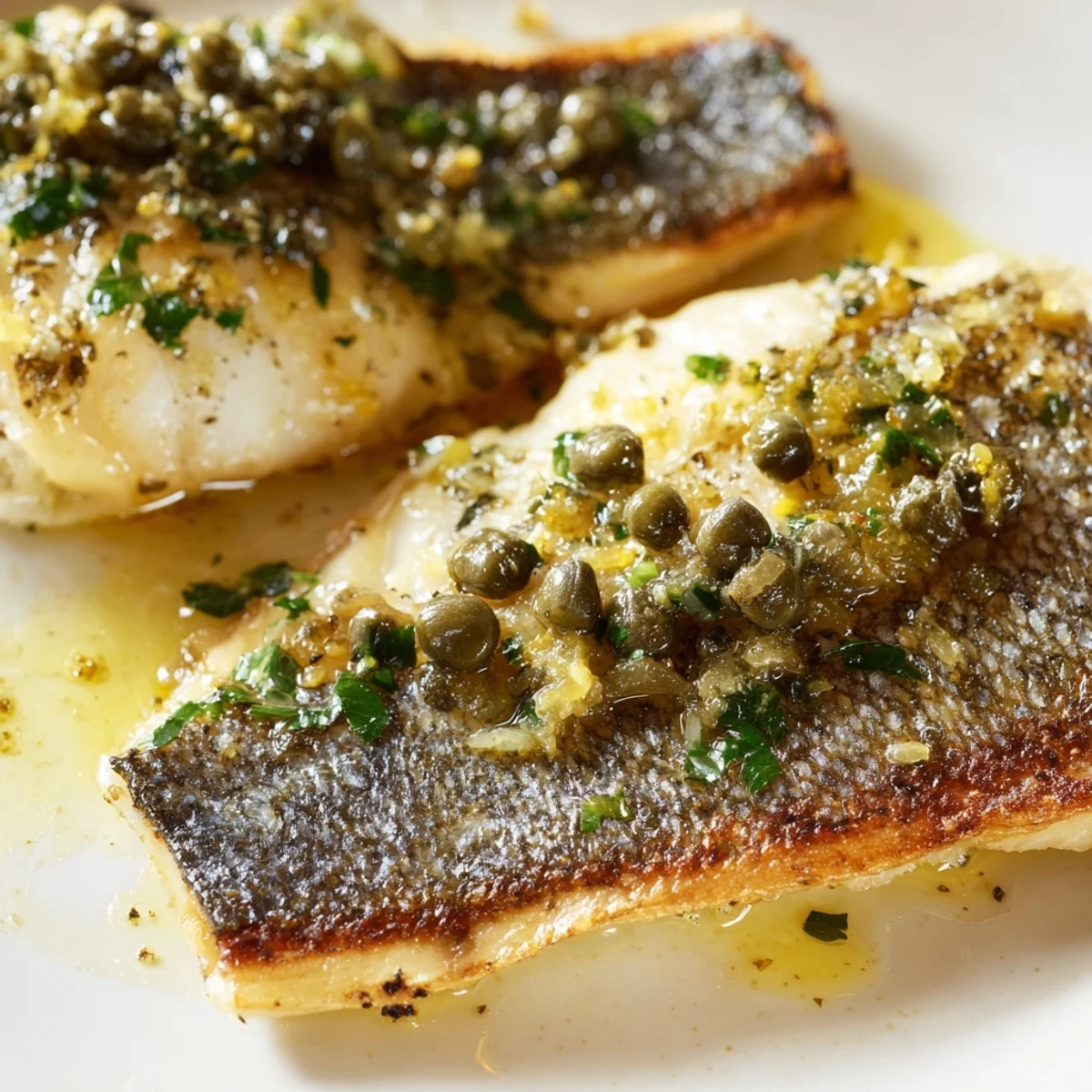
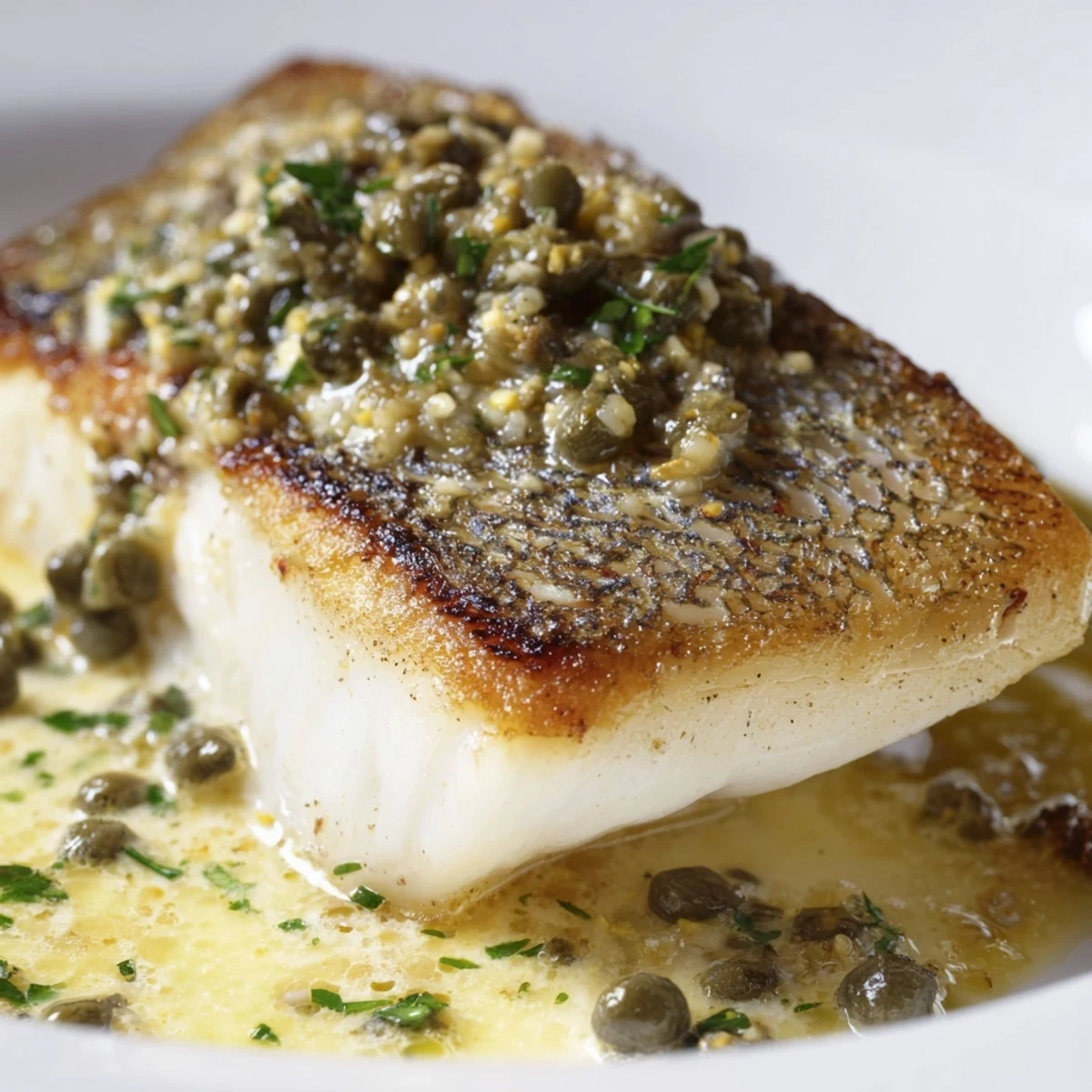
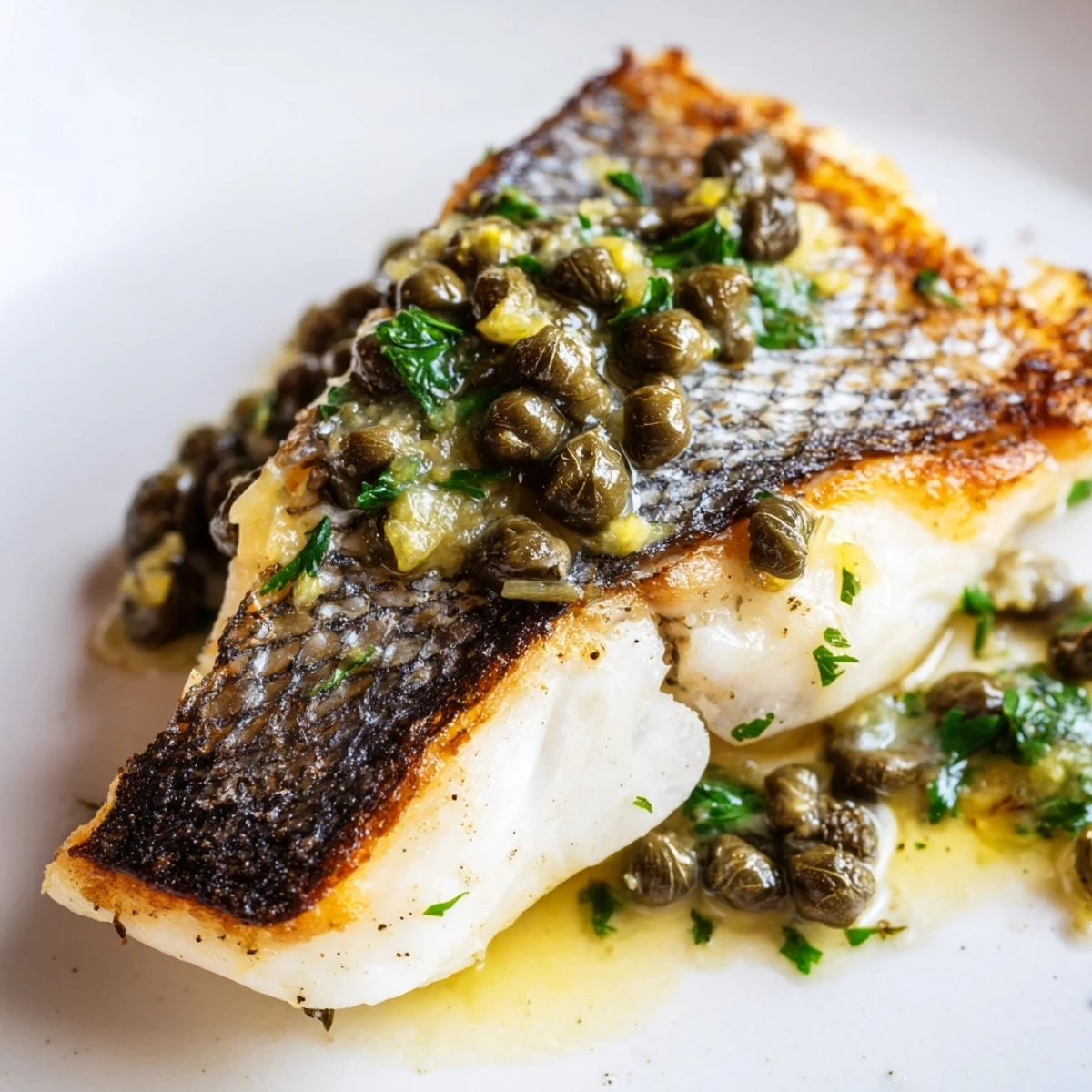
 This dish features sea bass fillets seared to a golden crisp, creating a tender inside with a crunchy skin. A bright lemon caper sauce, made with butter, garlic, and fresh parsley, adds vibrant flavor and a tangy lift. The method emphasizes quick cooking over medium-high heat to preserve texture and freshness, making it perfect for a special dinner or a refined weeknight option. Pair with sautéed greens or roasted potatoes to complete the meal.
There was this evening when my neighbor came over with wine and a story about a trip to the Mediterranean, and I wanted to cook something that would match her mood—something that felt like a seaside restaurant but could happen in my own kitchen. I'd been intimidated by fish for years, but watching her eyes light up as I set down that golden-skinned bass with its brilliant sauce made me realize how simple elegance can actually be.
I made this for the first time on a weeknight when I had exactly four pieces of beautiful bass and absolutely no backup plan, which turned out to be the right kind of pressure. My hands were shaking a little when I put them skin-side down, but the sizzle was so confident that I knew it would work.
Ingredients
- Sea bass fillets, skin on and pin-boned: The skin is where the magic happens—it crisps up like a potato chip while protecting the delicate flesh underneath, and that brine-bright lemon sauce cuts through the richness perfectly.
- Kosher salt and freshly ground black pepper: Don't rush this seasoning step; these are your only flavors going directly into the fish itself.
- Olive oil: Use something you'd actually taste on bread, because you will taste it here.
- Unsalted butter: This is where the sauce gets its silky richness and that restaurant-quality finish.
- Garlic, finely minced: Thirty seconds in the pan is all it needs—any longer and bitterness creeps in.
- Capers, drained: These little briny nuggets are the secret weapon that makes people ask what the flavor is without being able to name it.
- Dry white wine or fish stock: The wine brings acidity and depth, but stock works beautifully if that's what you have.
- Lemon juice and zest: The zest gives you brightness without extra liquid, and both together are what make this sauce sing.
- Fresh parsley: Stirred in off the heat so it stays green and alive, not dull and cooked.
Instructions
- Dry your fillets and season generously:
- Pat each fillet completely dry with paper towels—this is what makes the skin crisp instead of steam. Salt both sides like you mean it, then crack fresh pepper over each one.
- Get your pan smoking hot:
- Pour the oil into a large skillet and let it heat over medium-high until it shimmers and moves like liquid silver. You want it almost too hot, because you're only going to have one chance to get that skin golden.
- Place the bass skin-side down and hold your nerve:
- Set each fillet down gently, then press it for just a moment with a spatula so it makes full contact with the heat. Let it sear undisturbed for three to four minutes—I know it's tempting to peek, but don't. You'll know it's ready when the skin releases easily and is the color of burnished gold.
- Flip and finish the fish:
- Turn each fillet carefully and cook the other side for two to three minutes until the flesh is opaque and flakes slightly when you touch it. Slide the fillets onto a warm plate and loosely tent them with foil so they stay warm while you make the sauce.
- Build the sauce in the same pan:
- Lower the heat to medium and add the butter, letting it melt and foam. When it smells toasty, add your minced garlic and listen for it to sizzle—thirty seconds is enough. Add the capers and stir for a minute, then pour in the wine, scraping up all the golden bits stuck to the pan.
- Finish with brightness:
- Stir in the lemon juice and zest, letting the sauce bubble gently for two or three minutes so it concentrates slightly. Take it off the heat, fold in the parsley, taste it, and adjust the salt and pepper until it tastes like something you'd order.
- Plate and serve:
- Spoon the warm sauce over each piece of fish and serve immediately with whatever sides called to you.
 Save to Pinterest
 That night after dinner, my neighbor was quiet for a moment, and then she asked if I could teach her how to do it too. I'd become the person who knew how to cook fish, which felt like crossing some invisible threshold in the kitchen.
Choosing and Preparing Your Fish
The best sea bass is the kind that smells like the ocean in the nicest way—briny and clean, never fishy. Ask the fishmonger to pin-bone it for you if they haven't already, or use tweezers to pull them out yourself; they're small and stick up from the center line of the fillet and they have a way of catching in your teeth if you don't remove them. Look for skin that's shiny and scales that cling tight, and if the fillet is more than an inch thick, give it an extra minute of cooking time.
The Lemon Caper Sauce Logic
This sauce is built on the principle that fish wants brightness and salt. The capers bring brininess without you having to add more salt, the white wine brings acid and depth, and the lemon brings both sharpness and that indefinable thing that makes people say the fish tastes more like itself. The butter comes last to mellow everything out and make it luxurious, but only stirred in after the heat is off so it stays silky instead of breaking into little greasy bits.
What to Serve Alongside
I've made this with roasted potatoes, which soak up the sauce like little golden sponges, and with sautéed spinach, which is the opposite of filling so you can focus on the fish itself. Steamed asparagus works if you want something that feels light and spring-like, and even plain buttered rice stops the sauce from pooling on your plate.
- For a chili note, add a small pinch of red pepper flakes to the sauce while it simmers.
- If white wine isn't your thing, fish stock or even a splash of good vinegar works beautifully.
- This scales up easily—just make sure your skillet is large enough that the fillets aren't crowded.
 Save to Pinterest
 This is the kind of dish that makes people think you're more confident in the kitchen than you actually are, which is maybe the best thing a recipe can do. It tastes like a celebration but asks for very little in return.
Recipes Q&A
- → How do I get crispy skin on the sea bass?
-
Pat the fillets dry before seasoning and sear skin-side down in hot olive oil without moving them to ensure a crispy, golden crust.
- → Can I substitute the white wine in the sauce?
-
Yes, dry white wine can be replaced with fish stock or a light broth for a similar depth without alcohol.
- → What sides complement this sea bass dish?
-
Sautéed spinach, roasted potatoes, or steamed asparagus pair beautifully and balance the flavors.
- → Is it necessary to use fresh lemon zest and juice?
-
Fresh lemon juice and zest provide the bright, tangy notes essential to the sauce’s flavor profile.
- → How can I add a spicy kick to the sauce?
-
A pinch of chili flakes added while sautéing the garlic brings a subtle heat to the lemon caper sauce.