
 Save to Pinterest
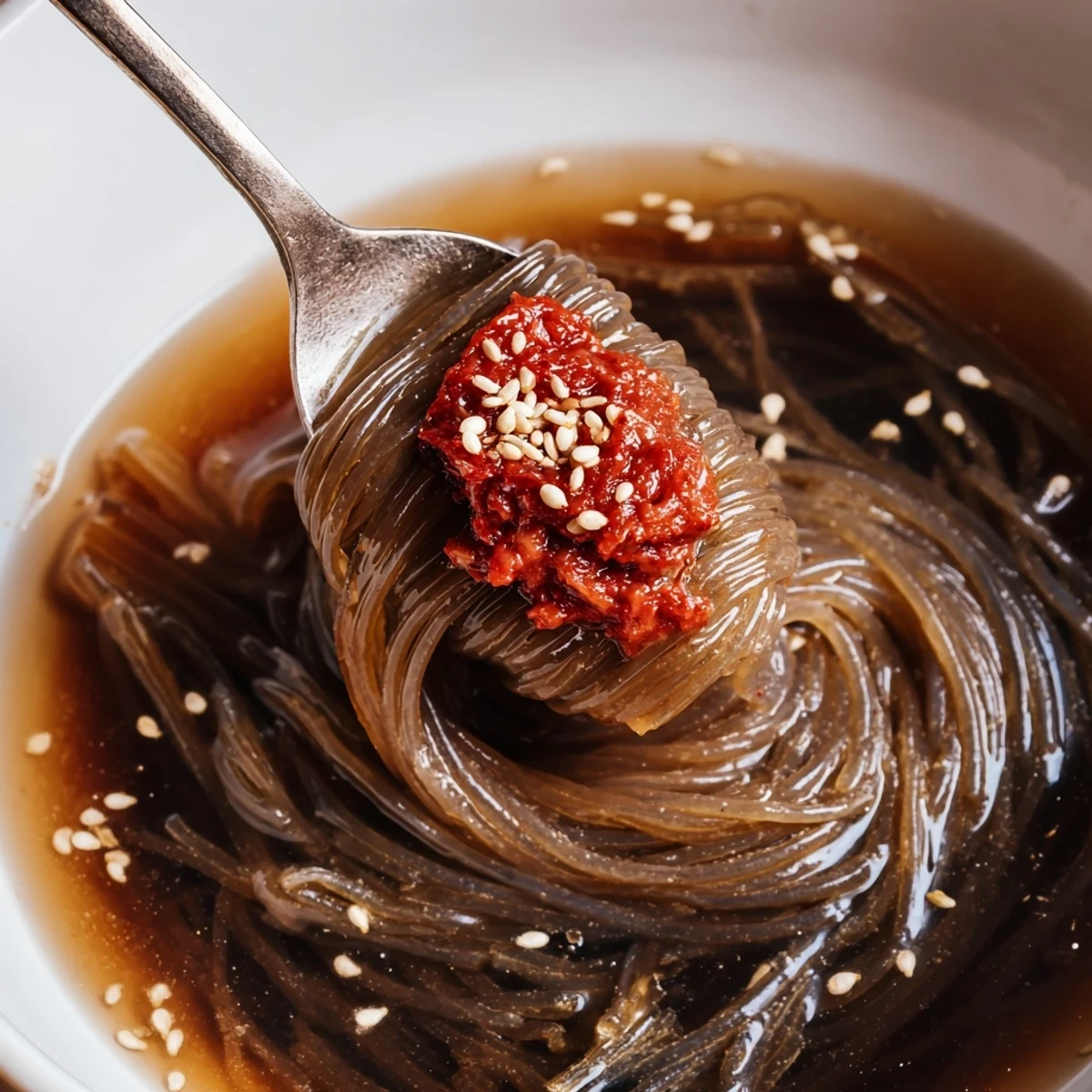
 Experience the revitalizing flavors of Korean naengmyeon, featuring springy buckwheat noodles submerged in an ice-cold, tangy beef broth. This beloved Korean dish balances savory, sweet, and sour notes with refreshing toppings like crisp Asian pear, thinly sliced beef brisket, and cucumber. The chewy texture of the noodles combined with the chilling temperature creates an incredibly satisfying meal, especially during warm weather. Prepare the broth in advance for maximum coldness, and don't forget the ice cubes!
My first summer in Seoul, I stumbled into a tiny restaurant sweating profusely from the humidity. The owner simply nodded and placed this icy bowl before me without asking. I took one bite of those chewy noodles in that shockingly cold broth and forgot I was melting.
Last July, my partner came home from a run looking defeated by the heat. I had already prepped the broth and toppings, so we sat cross-legged on the floor with these steaming bowls of ice-cold soup. He looked up after three minutes and said this just became our summer tradition.
Ingredients
- Beef broth: Homemade gives the cleanest flavor but low-sodium works beautifully too
- Rice vinegar: This is what creates that signature tang without being too sharp
- Naengmyeon noodles: Buckwheat noodles are essential for that distinctive chewy texture
- Asian pear: Adds natural sweetness and a crisp contrast to the soft noodles
- Cucumber: Thin slices bring freshness and another cooling element
- Sesame oil: Just a half teaspoon adds depth without overwhelming the clean flavors
- Ice cubes: Not optional—they keep everything chilled until the very last bite
- Hard-boiled eggs: Creamy protein that balances the tangy broth perfectly
- Beef brisket: Thinly sliced cooked beef makes this feel like a complete meal
Instructions
- Mix the chilling broth:
- Combine beef broth, cold water, rice vinegar, sugar, soy sauce, sesame oil and salt in a large bowl. Stir until the sugar and salt disappear completely. Pop it in the fridge—the colder the better, so give it at least an hour if possible.
- Prep your toppings:
- Boil eggs for exactly 10 minutes, then plunge them into ice water for easy peeling later. Slice your cucumber paper-thin, cut the Asian pear into delicate wedges, and shred that beef as finely as you can. Having everything ready before you cook the noodles makes the assembly feel effortless.
- Cook the noodles perfectly:
- Boil water until its rolling furiously, then drop in the naengmyeon noodles. Three to four minutes is usually all they need—test one and it should be chewy but not chalky. Drain and rinse under freezing cold water until the noodles are ice cold to the touch. This step is crucial for the right texture.
- Build the bowls:
- Divide those cold noodles among four bowls, arranging them in a neat mound. Pour the chilled broth over until everything is submerged. Artfully arrange the cucumber, pear, beef, and egg halves on top. Drop in those ice cubes—they should clink satisfyingly as they hit the broth.
- Finish with flair:
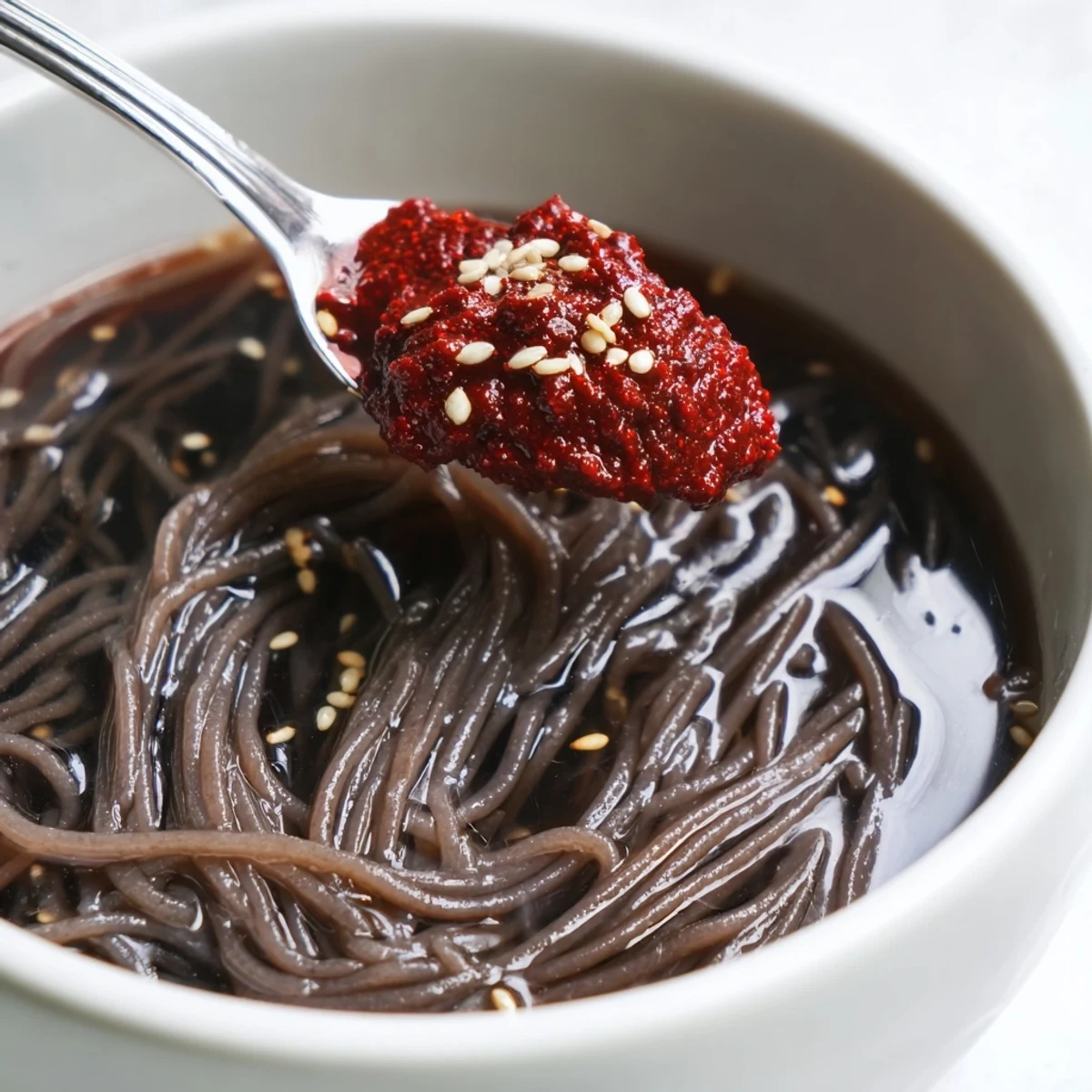
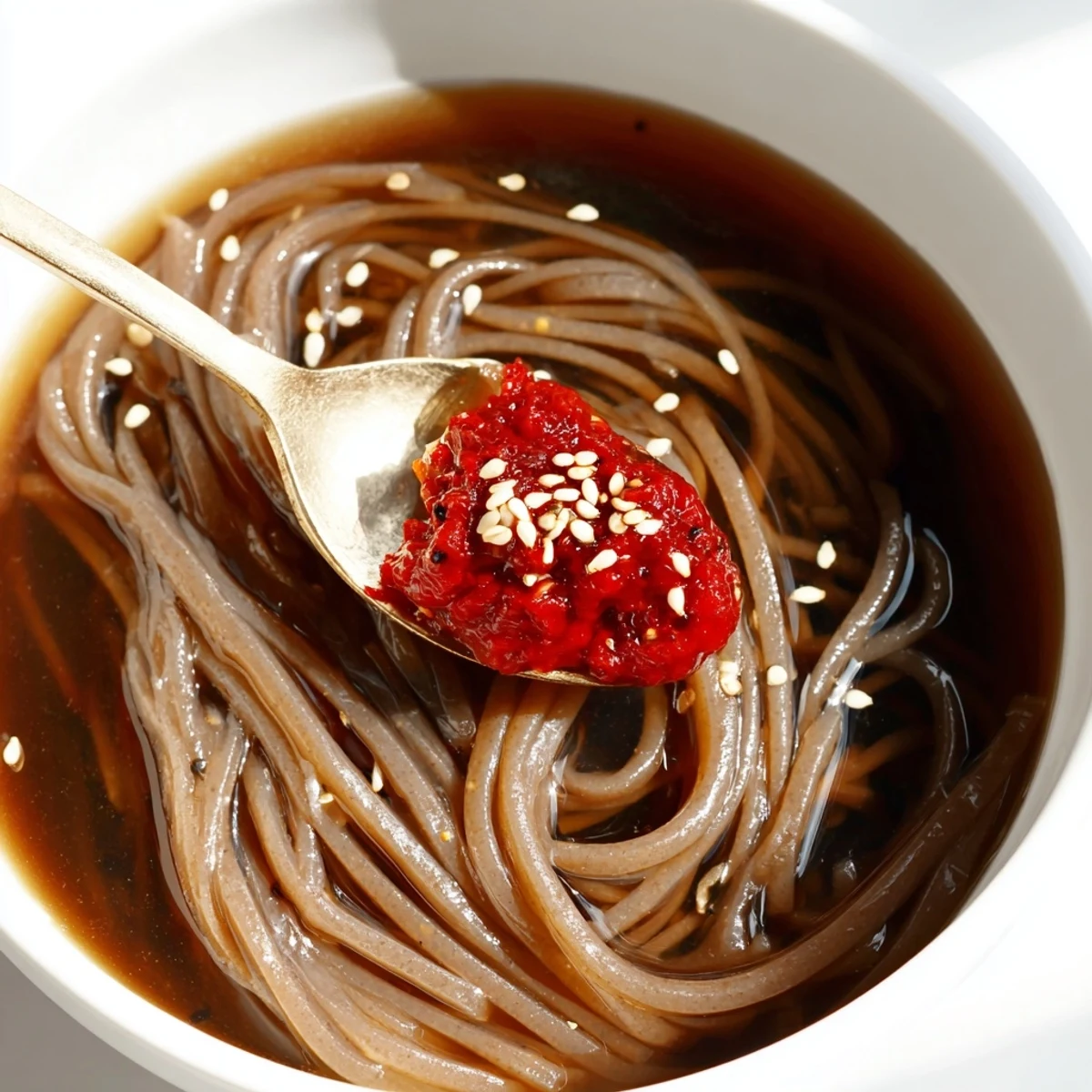
- Sprinkle toasted sesame seeds over everything like confetti. Add a small spoonful of gochujang if you want heat. Serve immediately while everything is still shivering cold.
 Save to Pinterest
 My Korean friend watched me make this once and gently corrected my garnish placement. She said the ingredients are arranged like a clock so each spoonful gets a little of everything. Now I take that extra thirty seconds to make it look beautiful, and honestly, it does taste better.
Making The Broth Your Own
Sometimes I swap beef broth for a light pork broth if I want something slightly sweeter. One time I added a splash of dongchimi brine from my radish kimchi and the whole bowl transformed. The fermentation added this incredible depth that made me lick the bowl clean.
The Perfect Noodle Texture
I once served naengmyeon to guests without rinsing the noodles thoroughly, and they turned into a starchy clump within minutes. Now I rinse them under cold water for a full minute, even gently massaging them with my hands. The difference is night and day—each noodle stays separate and bouncy.
Serving Like A Pro
Chill your serving bowls in the freezer for twenty minutes before plating. Put small dishes of extra vinegar and Korean mustard on the table so everyone can adjust their own bowl. Use scissors to cut the noodles a few times—long strands can be tricky to manage.
- Offer scissors at the table for easy noodle portioning
- Keep extra ice cubes nearby for anyone who wants it colder
- Pair with simple banchan like pickled vegetables on the side
 Save to Pinterest
 Theres something deeply satisfying about eating something so refreshing on a burning hot day. This soup has become my answer to every summer evening that feels too stifling to cook anything else.
Recipes Q&A
- → What makes naengmyeon noodles unique?
-
Naengmyeon noodles are distinctive for their chewy, springy texture achieved through buckwheat and sweet potato starch composition. The noodles maintain their firmness even when submerged in cold broth, providing a satisfying mouthfeel that contrasts beautifully with the refreshing temperature.
- → Can I make naengmyeon without beef broth?
-
Absolutely. While traditional beef broth provides depth, you can substitute with vegetable broth for a vegetarian version or chicken broth for a lighter alternative. The key is maintaining the balance between vinegar, sugar, and soy sauce to achieve that signature tangy-sweet profile.
- → How important is the broth temperature?
-
Crucial. Naengmyeon is meant to be served ice-cold, which enhances the refreshing quality and helps the noodles maintain their chewy texture. Many enthusiasts even add ice cubes directly to the bowl. Chilling your serving bowls beforehand is also recommended.
- → What can I use instead of naengmyeon noodles?
-
Soba noodles made from buckwheat are the closest substitute and work beautifully. Alternatively, thin udon noodles or even vermicelli can work, though the texture will differ slightly from traditional naengmyeon's distinctive chewiness.
- → How do I eat naengmyeon properly?
-
Traditional Korean dining suggests using scissors to cut the noodles into manageable lengths, as the long strands can be challenging to slurp. Mix the gochujang into the broth if you prefer spicy, and add vinegar or mustard at the table to customize the tanginess level to your taste.
- → Can naengmyeon be prepared in advance?
-
Yes, actually it benefits from advance preparation. The broth develops better flavor after several hours of refrigeration, and toppings can be prepped ahead. However, only cook the noodles right before serving, as they can become gummy if left sitting too long after cooking.