 Save to Pinterest
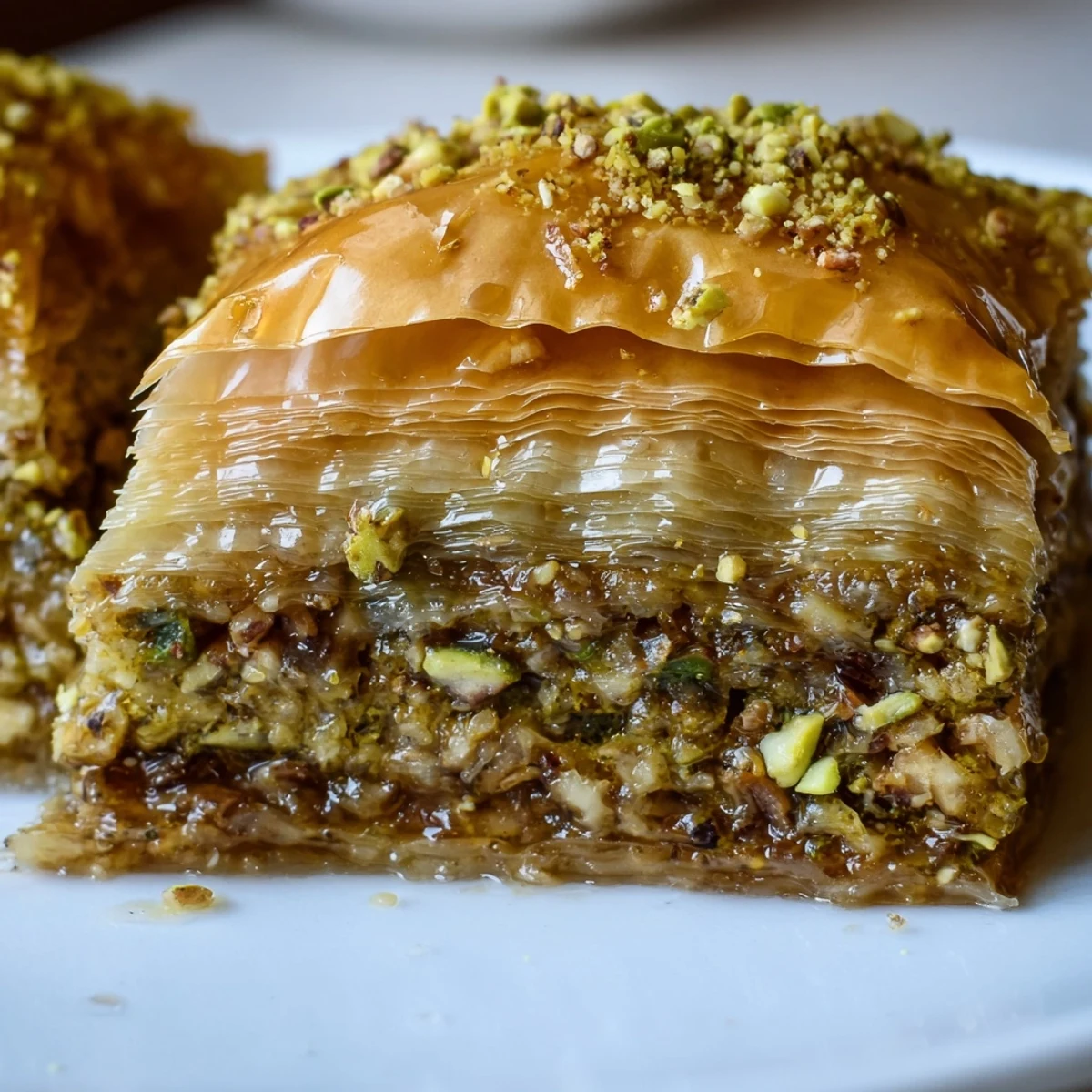
 This traditional Bosnian dessert creates stunning layers of crisp phyllo dough brushed with butter and filled with a aromatic blend of walnuts, almonds, pistachios, cinnamon, and cloves. After baking to golden perfection, hot syrup made with sugar, honey, lemon juice, and rose water transforms the pastry into a melt-in-your-mouth treat. The key lies in pouring hot syrup over hot baked layers, ensuring complete absorption and optimal texture. Best prepared a day ahead to allow flavors to develop fully.
The kitchen smelled like butter and anticipation that rainy Sunday when my grandmother first taught me how to handle phyllo dough without tearing it. She had this gentle way of brushing melted butter across tissue-thin sheets, whispering that patience was the secret ingredient no recipe could teach you. We spent three hours making what she called Bosnian gold, and by the time it came out of the oven golden and fragrant, I understood why this dessert gets saved for celebrations.
I made this for my daughters graduation last spring, doubling the recipe because her friends had been hearing about my baklava for years. Watching twenty college students go quiet over that first bite, eyes wide at the buttery crunch and sweet syrup soaking through every layer, reminded me why this dessert has endured across generations and borders.
Ingredients
- 500 g phyllo dough: Thaw overnight in the fridge, not on the counter, to prevent sticking and tearing
- 250 g walnuts, 100 g almonds, 100 g pistachios: Finely chopped by hand gives better texture than food processor chunks
- 100 g sugar, 1 tsp cinnamon, 1/4 tsp cloves: The warm spice balance makes this distinctly Bosnian rather than Greek or Turkish
- 250 g unsalted butter, melted: Clarified butter works even better if you want to prevent any risk of burning
- 400 g sugar, 250 ml water, 100 ml honey, 1/2 lemon juice, 1 tbsp rose water: This syrup ratio gives you that perfect sticky fingers finish without being cloyingly sweet
Instructions
- Preheat and prep your workspace:
- Heat oven to 180C (350F) and butter a 23x33 cm pan. Keep phyllo covered with a damp cloth while working to prevent drying out.
- Mix the nut filling:
- Combine walnuts, almonds, pistachios, sugar, cinnamon, and cloves in a bowl. The finer the chop, the more elegant your final layers will look.
- Build the first foundation:
- Layer 6 to 8 sheets of phyllo, brushing each with butter. Sprinkle one third of your nut mixture evenly across the surface.
- Repeat the layers:
- Add 4 to 5 more buttered sheets, another third of nuts, then repeat once more. The middle layers should be slightly thinner than your base.
- Finish with a sturdy top:
- Layer remaining phyllo sheets, buttering each thoroughly including the very top. This final layer needs enough butter to crisp up beautifully.
- Cut before baking:
- Use a sharp knife to cut diamonds or squares now, cutting through all layers. Cutting after baking will shatter your carefully constructed pattern.
- Bake until golden:
- Bake 35 to 40 minutes until deeply golden and crisp. The edges should start to brown slightly for that perfect crunch.
- Make the syrup:
- While baklava bakes, boil sugar, water, and lemon juice for 8 to 10 minutes. Remove from heat and stir in honey and rose water.
- The crucial pour:
- Pour hot syrup evenly over hot baklava immediately. This temperature shock is what makes the syrup absorb properly instead of sitting on top.
- Patience pays off:
- Let cool completely at room temperature. The syrup needs time to work its way through every layer.
 Save to Pinterest
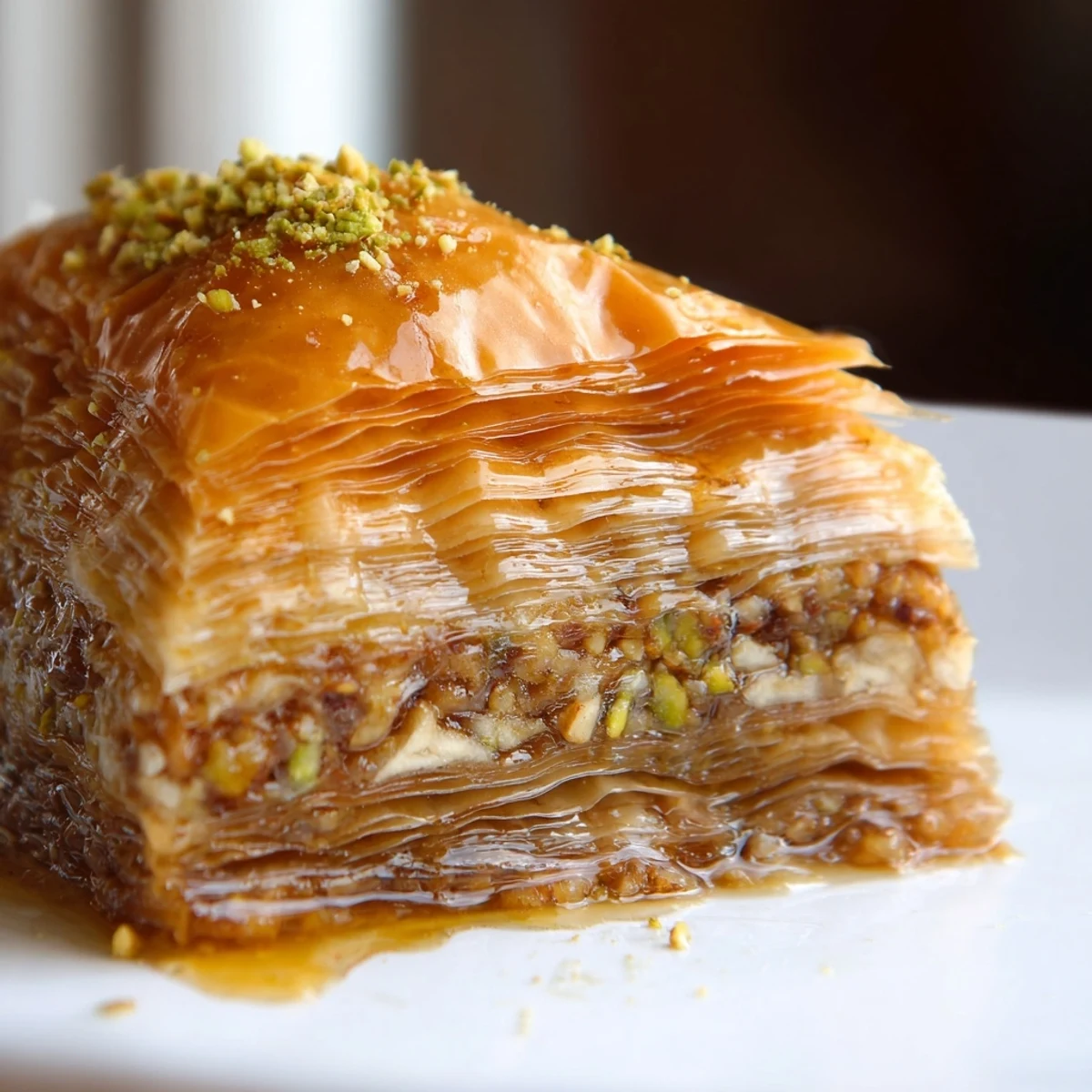
 This became the dessert I bring to every potluck and holiday gathering now. There is something about the ritual of cutting those perfect diamonds, the way the kitchen fills with cinnamon and butter, that makes even ordinary Tuesdays feel like a celebration worth sharing.
Making Ahead For Better Flavor
Baklava actually improves after sitting for a day. The syrup fully permeates every layer, mellowing the initial sweetness into something deep and complex. I wrap the pan tightly with foil and leave it at room temperature, then bring it to room temperature for an hour before serving if it has been stored somewhere cool.
Getting Even Layers
The trick I learned after years of uneven baklava is to count your sheets deliberately. If your phyllo package has 20 to 24 sheets, do the math before you start. Six sheets base, five sheets middle layers, six to eight sheets top gives you that satisfying height without any wobbly tall sections that burn before the rest is done.
Serving And Storage
Store in an airtight container at room temperature for up to a week, though it rarely lasts that long in my house. Pair with strong Bosnian coffee or black tea to cut through the sweetness.
- Use a serrated knife for the cleanest cuts if the baklava has cooled completely
- Let guests serve themselves from the pan to preserve your careful diamond pattern
- A little powdered sugar on top right before serving makes it look professionally finished
 Save to Pinterest
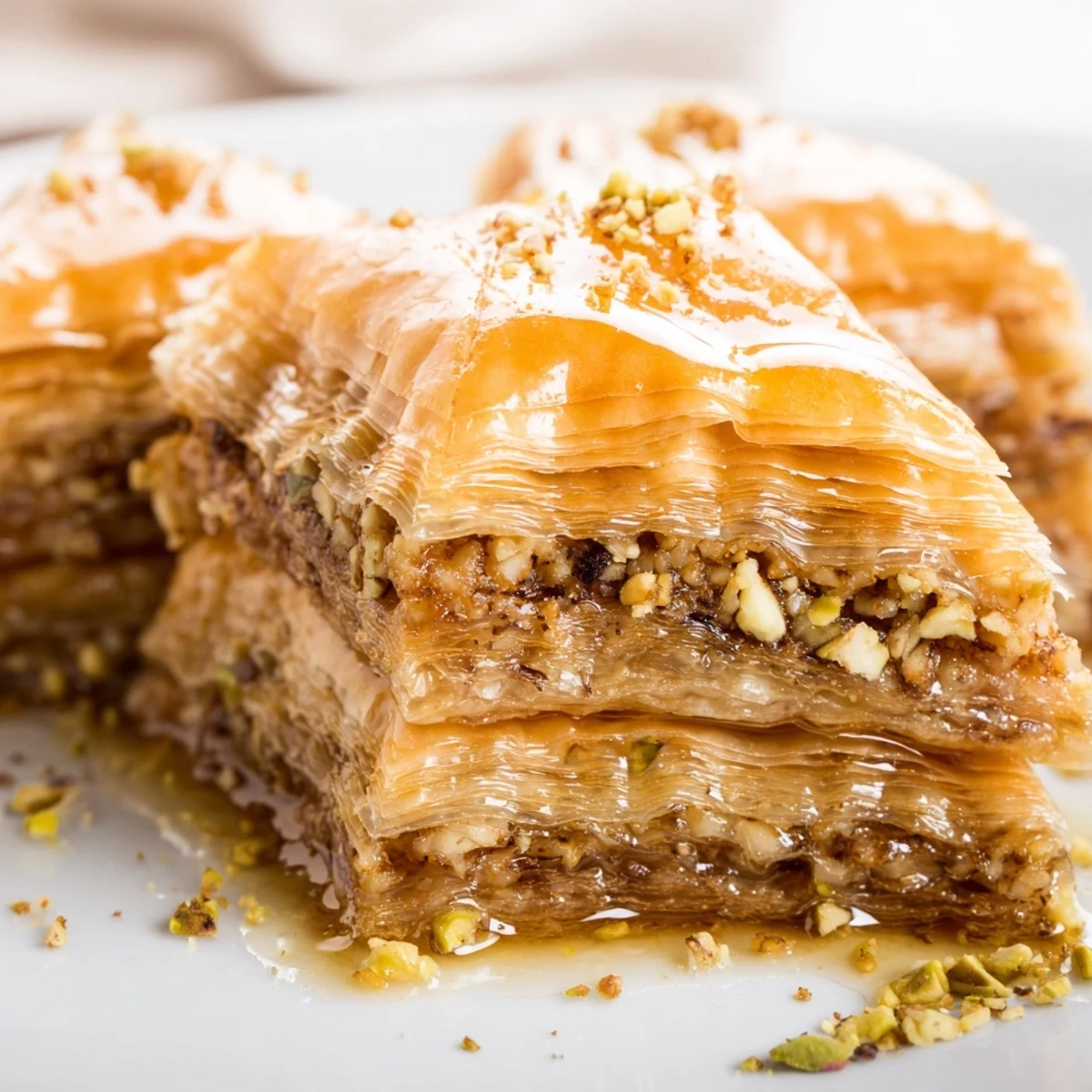
 Every time I pull a pan of this from the oven, pouring that fragrant syrup over the golden layers, I am back in my grandmothers kitchen learning that some recipes are worth every moment they ask of you.
Recipes Q&A
- → What makes Bosnian baklava different from other versions?
-
Bosnian baklava typically features a higher ratio of nuts to phyllo layers compared to Greek or Turkish varieties, creating a richer, more substantial texture. The syrup often includes honey and aromatic waters like rose or orange blossom for distinctive floral notes.
- → How do I prevent the phyllo from drying out while working?
-
Keep unused phyllo sheets covered with a slightly damp kitchen towel or plastic wrap while assembling. Work quickly but carefully, and don't worry about minor tears—they'll be hidden between layers.
- → Can I make baklava in advance?
-
Yes, baklava actually improves when made 1-2 days ahead. The syrup needs time to fully penetrate all layers, creating the characteristic moist, tender texture. Store in an airtight container at room temperature.
- → Why must both the pastry and syrup be hot when combining?
-
Hot syrup poured over hot baked pastry ensures maximum absorption and helps create that perfect crisp-yet-tender texture. If either cools before combining, the syrup won't penetrate as effectively, resulting in dry spots.
- → What nuts work best in baklava?
-
Walnuts provide the classic earthy base, while almonds add subtle sweetness. Pistachios offer beautiful color and delicate flavor. Feel free to adjust ratios or substitute hazelnuts based on preference and availability.
- → How do I know when baklava is done baking?
-
Look for deep golden brown color across the entire surface, not just the edges. The layers should feel firm when tapped gently. The phyllo becomes crispy and will sound slightly hollow when you tap the top.